The internet is rife with extreme opinions—”Circumcision ruins sex life” and “Circumcision enhances everything.” The truth, as always, lies somewhere in between, and is all the more intriguing.
Circumcision is neither a magic enhancement nor an inevitable detriment to sexual function. But it does have real and subtle effects on sexual pleasure, stamina, hygiene, and self-confidence, effects that are absolutely worth understanding before making any decision.
What Circumcision Actually Involves
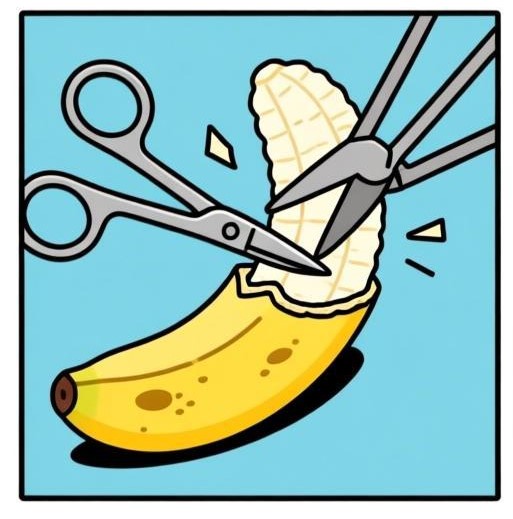
First, a quick level-set so we’re all on the same page. Circumcision is a straightforward surgery that removes the foreskin — the retractable sleeve of skin covering the head (the glans) of the penis. In adults, it’s usually done under local or light general anesthesia, takes around 30 to 45 minutes, and calls for about four to six weeks of healing before sex is back on the table.
Why does this little piece of skin matter so much where pleasure is concerned? Because the foreskin is rich in nerve endings, and it naturally keeps the glans covered, warm, and moist. Once it’s removed, the exposed glans slowly adapts to constant contact with clothing, and its surface becomes slightly tougher over time. That one simple fact sits behind almost every argument, good and bad, about circumcision and sex — so keep it in mind as we go.
Why Some Men Swear Sex Got Better Afterward
Let’s start with the positive camp, because their experiences are genuine and worth hearing. In my clinic, men who report better sex after circumcision usually describe four themes:
- They last longer. A slightly less sensitive glans can translate into better ejaculatory control — a big deal for men who have spent years finishing faster than they’d like.
- Sex stops hurting. For men with a tight foreskin that tore, split, or wouldn’t retract comfortably, removing it eliminates pain — and removing pain is one of the most reliable ways to improve a sex life, period.
- Confidence climbs. Many men feel cleaner and less self-conscious during intimacy, and confidence is a seriously underrated ingredient in good sex.
- Everyday life gets simpler. No recurring irritation, no lingering odor after a long day, no anxiety before oral sex. Less mental friction often means more enjoyment.
That last point deserves a moment, because it’s the one people underestimate. Sexual satisfaction lives in the brain at least as much as in the body, and anything that quietly removes anxiety — about smell, appearance, or pain — tends to show up in the bedroom as relaxation, presence, and better performance.
Why Some Men Feel They Lost Something
Now the other side of the coin, because it’s equally real and deserves respect. Some men circumcised as adults describe a noticeable drop in sensitivity — they’ll say orgasms feel muted, or that they need more effort and more time to reach the same peak.
If a large share of your erotic wiring ran through the foreskin itself, losing those nerve endings can genuinely change how stimulation feels, and no statistics can argue away someone’s lived experience.
There’s also the mechanics to consider. The foreskin works as a natural gliding sleeve during sex and masturbation, reducing friction on its own.
Without it, some men — and some partners — notice more friction during longer sessions, especially when natural lubrication is on the lower side. A good lubricant solves most of this, but “different” is not the same as “better,” and honest medicine requires saying that out loud.
Finally, there’s an emotional layer we shouldn’t ignore. A small number of men feel grief, anger, or resentment about being circumcised — particularly if the choice was made for them in infancy.
Those feelings can quietly dampen sexual confidence regardless of what the nerve endings are reporting. If that’s you, please know it’s a recognized experience, and talking it through with a counselor or sexual health professional genuinely helps.
What the Research Actually Shows
When researchers have compared thousands of circumcised and uncircumcised men across multiple countries, the overall picture is surprisingly calm: for the majority of men, circumcision does not meaningfully change sexual satisfaction, erectile function, or orgasm intensity. Where effects do exist, they tend to be small and highly individual. Here’s a quick summary:
| Aspect | What the Evidence Suggests |
|---|---|
| Erectile function | No meaningful difference between circumcised and uncircumcised men in large studies |
| Overall satisfaction | Most men report no change; many adult-circumcised men report improvement, likely because their pre-surgery problems are gone |
| Lasting time | Circumcised men last modestly longer on average — a real but small edge |
| Glans sensitivity | Laboratory tests show mixed results; measurable differences rarely translate into less real-world pleasure |
| Partner experience | Most studies of female partners find no significant difference in arousal, comfort, or orgasm |
| Infections and hygiene | Lower rates of foreskin infections and inflammation; easier daily cleaning; reduced risk of some sexually transmitted infections |
A few honest caveats before you screenshot that table. Many of these studies rely on self-reported questionnaires, which are imperfect.
Research on adult circumcision often includes men who had the surgery for medical reasons, which tilts results toward “things improved” — naturally, because pain was removed. And sexual pleasure is genuinely hard to measure in a lab. So treat every confident headline you see, in either direction, with a pinch of salt.
How It Affects Your Partner
Sex is a shared experience, so what about the other side of the bed? The reassuring news from research on female partners is that most studies find no significant difference in arousal, lubrication, or orgasm frequency between women whose partners are circumcised and those whose partners are not. Anatomically, the parts that matter most for female pleasure simply aren’t very sensitive to foreskin status.
That said, partners do notice practical differences, and preferences genuinely vary:
- Hygiene: many partners say a circumcised penis is easier to keep fresh, especially after exercise or a long day.
- Oral sex: some partners prefer the smoothness; others miss the gliding motion of the foreskin. There’s no majority verdict here.
- Friction: without the foreskin’s natural gliding, some couples need a little more lubricant during longer sessions — a two-second fix, but worth knowing.
- Protection: condoms fit and protect the same way either way, and some research suggests circumcision slightly lowers the risk of passing certain infections to heterosexual partners.
When Circumcision Genuinely Improves Your Sex Life
Here’s where I stop being a neutral referee and start being your doctor. There are situations where I actively recommend circumcision, because the sexual benefit is real and predictable:
- Phimosis — a foreskin too tight to pull back, making erections or sex painful or impossible
- Recurrent balanitis — repeated inflammation and infection of the glans and foreskin that keep disrupting your sex life
- Paraphimosis — a retracted foreskin that gets stuck and swells; a genuine medical emergency
- Recurrent tearing — small splits in the foreskin during sex that heal and re-tear, creating a frustrating cycle
- Frustrating premature ejaculation — where the modest sensitivity reduction can buy you valuable extra minutes
In these cases, men don’t just tolerate the surgery — they often describe it as life-changing. When sex has been painful, embarrassing, or anxiety-ridden for years, a straightforward procedure that removes the problem can restore a sex life more effectively than any supplement or technique ever will.
Does Circumcision Make You Last Longer in Bed?
Probably a little, yes — and this is one of the more consistent findings in the research. Clinical trials that timed ejaculatory latency have found circumcised men tend to last somewhat longer, with some studies of adult circumcision showing men gaining roughly a minute or more of staying power after healing.
The mechanism makes sense: a glans that’s slightly less reactive to touch buys your brain extra time before crossing the point of no return.
But let’s be clear about what circumcision is not: it is not a standalone treatment for premature ejaculation. If you’re finishing within seconds and it’s causing you or your partner distress, see a sexual health doctor first. We have purpose-built options — behavioral techniques, sprays, and medications — that work better and don’t require surgery.
Will Sex Feel Less Intense After Circumcision?
This is the question every man asks me the week before his surgery, usually while staring at the ceiling. Here’s my honest answer: some change in sensation is likely, because the glans is newly exposed and its surface gradually adapts to constant contact. In the first weeks after surgery, sensations often feel strange, sharper, or duller — that’s normal healing, so don’t panic.
Once everything settles, most men rate their overall sexual satisfaction as unchanged, because small changes in raw sensation are offset by gains in comfort, stamina, and confidence. But a minority do experience lasting decreases in intensity that they genuinely miss.
If you’re considering circumcision purely in the hope of better sex — with no medical problem driving the decision — my advice is to move slowly, talk it through with a urologist, and know exactly what you’re signing up for. Your foreskin, once removed, doesn’t come back.
The Bottom Line: Should You Do It for Better Sex?
After years of having this exact conversation, here’s my honest takeaway: circumcision will not transform your sex life, and it won’t ruin it either. For most men, it’s roughly a wash in the pleasure department — with real fringe benefits in hygiene and a modest edge in stamina.
If you have a medical reason — pain, tearing, infections, or frustratingly fast finishes — the procedure can genuinely improve things, sometimes dramatically. But if everything already works well and you’re chasing an upgrade, you’re taking on surgical risk for a benefit that’s mostly theoretical.
One final perspective, because it matters: the things that actually make sex great — technique, communication, cardiovascular fitness, sleep, stress management, and a relationship where you can ask for what you want — have nothing to do with foreskin. Focus your energy there, and the foreskin question starts to feel a lot smaller.
Whatever you decide, make it an informed choice, discuss it with a doctor who listens, and never let anyone — including an internet forum — shame you about your body either way.