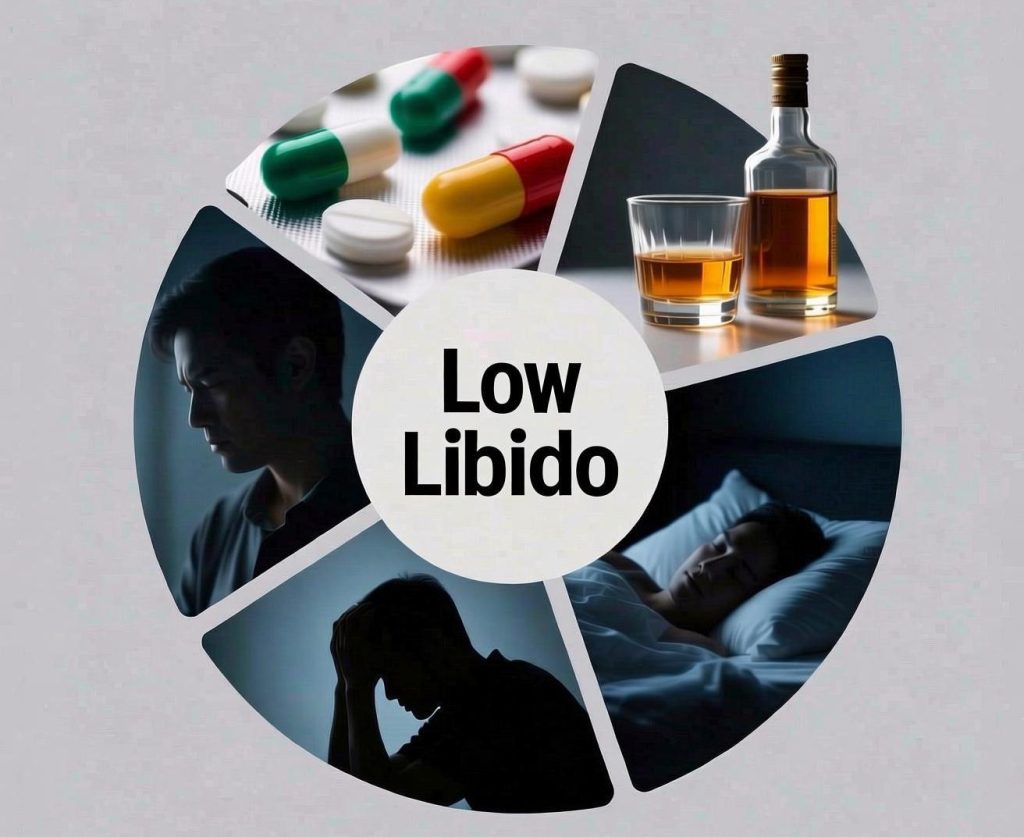
Erectile dysfunction (ED) is a common condition affecting men of all ages, and while many factors can contribute to its development, the role of stress is increasingly recognized as significant.
Stress, in its various forms – from daily pressures to major life events – can have a profound impact on sexual function. This article delves into the intricate relationship between stress and ED, exploring the physiological mechanisms involved, psychological impacts, and practical strategies for finding relief and restoring function.
We’ll draw upon the perspectives of physicians, psychologists, and individuals who have experienced this challenge firsthand, offering a comprehensive guide to understanding and managing this often-debilitating condition.
The Physiology of Stress and its Impact on Erectile Function
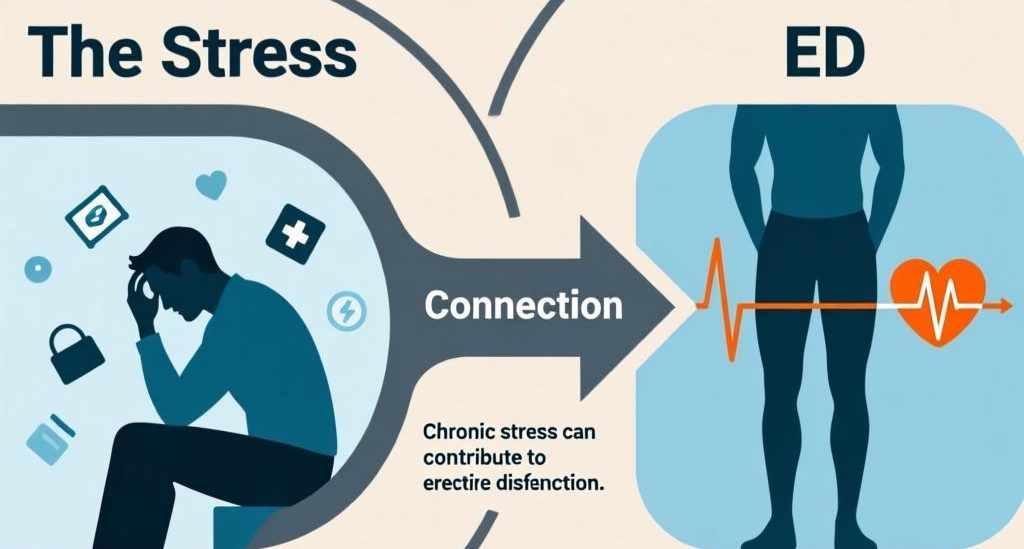
Understanding how stress affects erectile function requires a look at the underlying physiology. The erection process is a complex interplay of neurological, hormonal, and vascular factors.
Stress triggers the release of cortisol, the primary stress hormone. Chronically elevated cortisol levels can disrupt this delicate balance in several ways.
Firstly, cortisol inhibits the release of nitric oxide (NO), a crucial molecule responsible for relaxing the smooth muscles in the penis, allowing for increased blood flow and erection.
Secondly, it can impair testosterone production, another vital hormone for sexual function. Reduced testosterone contributes to decreased libido and erectile difficulties.
Furthermore, stress often leads to increased sympathetic nervous system activity – the “fight-or-flight” response. This activation releases adrenaline, which constricts blood vessels, including those in the penis, hindering blood flow and making it difficult to achieve or maintain an erection.
Beyond hormonal and vascular disruptions, chronic stress can damage the endothelium – the inner lining of blood vessels – contributing to atherosclerosis and further compromising blood flow.
Psychological Stressors: A Spectrum of Contributing Factors
The sources of stress that can contribute to ED are remarkably diverse. Acute stressors, like job loss, financial difficulties, relationship conflicts, or the death of a loved one, can trigger temporary erectile difficulties.
However, chronic stressors – persistent feelings of overwhelm, anxiety about performance, and unresolved emotional issues – often lead to more persistent problems.
Relationship stress is a particularly significant contributor. Communication breakdowns, lack of intimacy, and unresolved conflicts can create a cycle of anxiety and avoidance, directly impacting sexual function. Performance anxiety, the fear of failing to achieve or maintain an erection, can become a self-fulfilling prophecy.
Men experiencing performance anxiety often become hyper-focused on the outcome, leading to increased muscle tension and reduced blood flow. Past trauma, including childhood abuse or relationship abuse, can also contribute to chronic stress and ED.
The Psychological Impact on the Man
The psychological toll of ED can be substantial. Feelings of shame, guilt, inadequacy, and low self-esteem are common. Many men internalize their ED, believing it reflects a personal failing rather than a physiological or psychological condition. This can lead to depression, anxiety, and social isolation.
The fear of disappointing a partner can create a vicious cycle of anxiety and avoidance. A man might withdraw from intimacy to avoid the potential for failure, further straining the relationship and exacerbating feelings of isolation and inadequacy. It’s crucial for men experiencing ED to understand that it’s a medical condition that can be addressed, and seeking help is a sign of strength, not weakness.
The Partner’s Perspective: Empathy and Understanding
Partners of men with ED often face a complex emotional landscape. They may experience feelings of sadness, frustration, disappointment, and even resentment. There can be concern about the man’s overall health and well-being. Some partners may feel rejected or inadequate, questioning their own attractiveness or desirability.
It is crucial for partners to approach the situation with empathy and understanding. Blaming or criticizing the man will only exacerbate the problem and damage the relationship.
Open and honest communication is essential, but it must be approached with sensitivity and without judgment. Recognizing that ED is often a symptom of a larger issue, both physical and emotional, can foster a more supportive and collaborative approach to finding solutions.
Stress Management Techniques: Practical Strategies for Relief
Managing stress is paramount in addressing ED. A multi-faceted approach, incorporating various techniques, is often most effective. Here are several strategies, categorized by approach:
- Mindfulness and Relaxation Techniques: Meditation, deep breathing exercises, yoga, and progressive muscle relaxation can help calm the nervous system and reduce cortisol levels. Mindfulness practices promote awareness of thoughts and feelings without judgment, reducing anxiety and improving emotional regulation.
- Physical Activity: Regular exercise – even moderate activity like walking – releases endorphins, which have mood-boosting effects. Exercise also improves cardiovascular health, benefiting blood flow and erectile function.
- Lifestyle Modifications: Limiting caffeine and alcohol consumption, avoiding smoking, and maintaining a healthy diet can reduce stress and improve overall health.
- Time Management and Prioritization: Identifying and managing sources of stress through effective time management and prioritization can reduce feelings of overwhelm.
- Social Support: Connecting with friends, family, or support groups can provide emotional support and reduce feelings of isolation.
Cognitive Behavioral Therapy (CBT): Re-framing Thoughts and Behaviors
CBT is a highly effective therapeutic approach for addressing performance anxiety and other psychological stressors contributing to ED. CBT helps individuals identify and challenge negative thought patterns and develop coping strategies for managing stress and anxiety.
Specifically, CBT can help men: challenge beliefs about sexual performance, develop relaxation techniques for use during sexual encounters, improve communication skills with their partners, and build confidence and self-esteem.
Medical and Pharmaceutical Interventions: When to Consider Assistance
While stress management techniques are fundamental, medical interventions may be necessary in some cases. Phosphodiesterase-5 inhibitors (PDE5 inhibitors), such as sildenafil (Viagra), tadalafil (Cialis), and vardenafil (Levitra), can improve blood flow to the penis and facilitate erections.
However, these medications are not a cure for ED and do not address the underlying causes, particularly stress. They should be used under the guidance of a physician.
Testosterone replacement therapy may be considered for men with low testosterone levels, which can contribute to ED. It is crucial to have a thorough medical evaluation to rule out any underlying medical conditions contributing to ED before initiating any medication.
Communication & Relationship Dynamics: Strengthening the Bond
Open and honest communication between partners is essential for navigating the challenges of ED. Talking about feelings, anxieties, and expectations can help reduce stress and improve intimacy.
It’s important to remember that ED can impact both partners. Couples counseling can provide a safe and supportive space to address relationship issues and develop strategies for coping with ED together. Seeking professional guidance can improve communication, strengthen the bond, and promote emotional well-being.
Holistic Approaches: Mind-Body Connection
Recognizing the interconnectedness of mind and body is key to long-term relief from stress-related ED. Holistic approaches emphasize addressing the underlying causes of stress and promoting overall well-being.
Acupuncture, massage therapy, and nutritional interventions can help reduce stress, improve circulation, and support hormonal balance. Exploring practices that nurture the body-mind connection can enhance resilience and promote a sense of calm and well-being.
Long-Term Strategies for Maintaining Erectile Health & Well-being
Addressing ED requires a long-term commitment to stress management and overall well-being. Maintaining a healthy lifestyle, practicing mindfulness, and seeking support when needed are crucial for sustained improvement.
Regularly reassessing stress levels and identifying potential triggers can help prevent relapse. Cultivating a sense of self-compassion and practicing gratitude can foster resilience and promote emotional well-being.
Remembering that seeking help is a sign of strength and embracing a holistic approach can empower men to regain control over their sexual health and live fulfilling lives.