You slip off your shoes at the end of the day and there it is again: that puffy, tight, “my socks left a canyon around my ankles” look. If your feet have been swollen for weeks or even months, you have probably wondered whether it is something you ate, something you did, or something you should genuinely worry about.
I hear this complaint all the time, and the good news is that chronic foot swelling is usually the result of everyday habits that can be tuned up. Let us walk through what is really going on, what your body is trying to tell you, and how to get those feet back to feeling like feet again.
What Is Actually Happening When Your Feet Puff Up
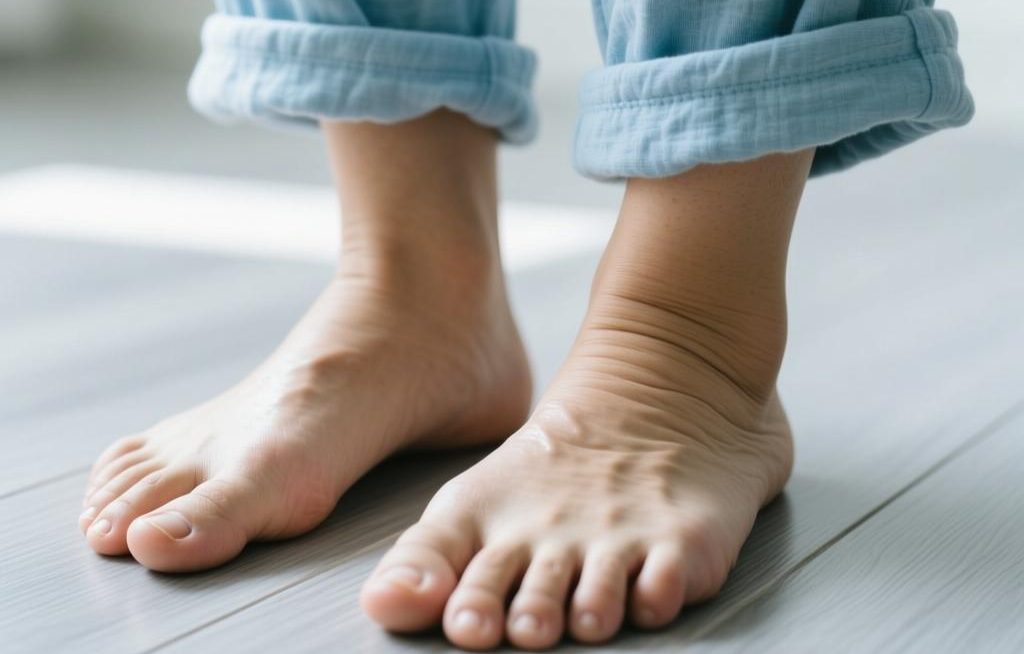
Swelling, which doctors call edema, simply means that fluid has collected in the tissues of your feet and ankles. Your body is mostly water, and that water is constantly moving between your blood vessels, your lymph system, and the spaces between your cells.
When everything works well, the fluid circulates, gets filtered, and leaves as urine. When something slows that system down, gravity pulls the excess fluid to the lowest point of your body, and the lowest point is your feet.
Think of it like a busy highway at rush hour. Blood and lymph fluid are trying to travel back up your legs toward your heart, and anything that creates congestion, like sitting too long, eating too much salt, carrying extra weight, or a sluggish kidney, slows the traffic down.
The fluid backs up and parks in your ankles. That is why swelling is usually worst in the evening and better after a night of sleeping with your legs flat.
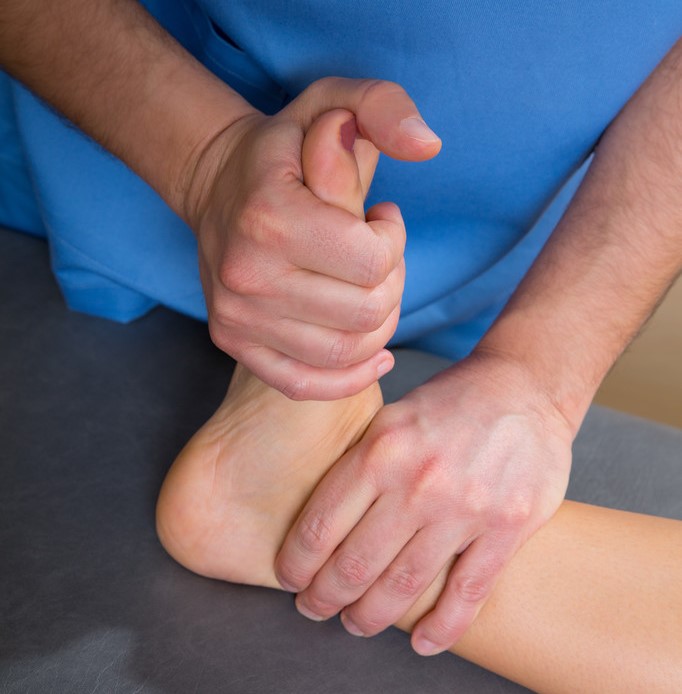
One quick at-home check: press a thumb gently into the swollen area for five seconds. If the skin stays dimpled for a moment before springing back, that is called pitting edema, and it is a sign the fluid is collecting in the tissue itself.
Occasional mild pitting after a long flight or a salty weekend is normal, but swelling that shows up every single day deserves a closer look at what is causing the backup.
The Everyday Habits That Quietly Make Swelling Worse
Before we blame your health, we should blame your chair. Chronic foot swelling is often a lifestyle story before it is a medical one. Here are the most common daily habits I see behind puffy feet:
- Sitting or standing for hours without moving, which lets fluid pool in your lower legs while your calf muscles stay asleep.
- Eating salty processed foods, restaurant meals, and packaged snacks that make your body hold water to dilute all that sodium.
- Not drinking enough water, which sounds backwards, but dehydration makes your body cling to every drop it has.
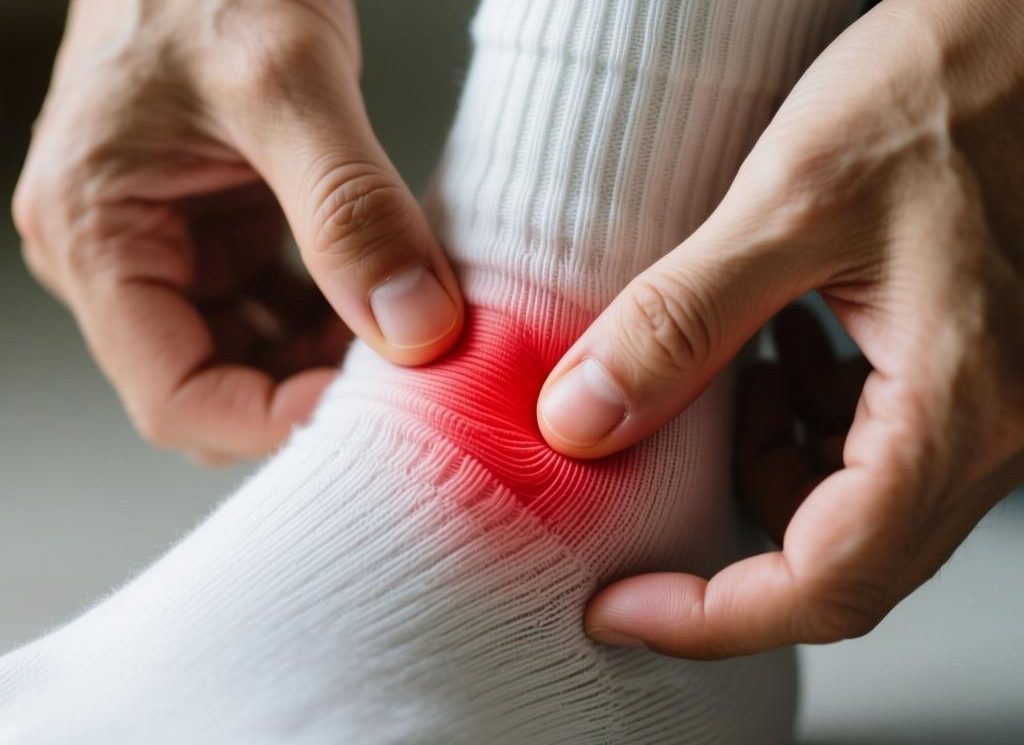
- Wearing tight socks, restrictive footwear, or pants that pinch at the calf and act like a tourniquet for returning fluid.
- Skipping movement, because your calf muscles are the pumps that push fluid back up toward your heart.
- Hot weather and hot baths, which widen your blood vessels and let fluid leak into surrounding tissue more easily.
Notice something encouraging about that list? Every single item is changeable. You do not need a prescription to stand up more, swap your snacks, or loosen your socks. Small daily tweaks are exactly how most people shrink swollen feet, and the results often show up within one to two weeks.
Salt, Water, and the Great Fluid Balancing Act
If I could change only one thing for people with chronically swollen feet, it would be sodium. Salt itself is not the villain, but the amount hiding in modern food is. When you eat more sodium than your kidneys can filter out, your body retains water to keep the salt concentration in your blood stable. That retained water has to go somewhere, and your feet are the usual storage unit.
The tricky part is that most sodium does not come from your salt shaker. It comes from foods that do not even taste salty. Here is a quick look at where the sneaky sodium lives:
| Food | Typical Sodium | Smarter Swap |
|---|---|---|
| Canned soup (1 cup) | 700-900 mg | Low-sodium broth with fresh vegetables |
| Deli lunch meat (2 oz) | 600-800 mg | Fresh roasted chicken or turkey |
| Frozen pizza (half of a medium) | 1,000+ mg | Homemade pita pizza with fresh toppings |
| Restaurant pasta dish | 1,500-2,300 mg | Cook once, eat at home, control the salt |
| Bottled salad dressing (2 tbsp) | 300-500 mg | Olive oil, lemon, and herbs |
| Bread (2 slices) | 300-500 mg | Lower-sodium whole grain varieties |
Aim to keep sodium under about 2,300 mg a day, and ideally closer to 1,500 mg if your swelling is stubborn. At the same time, do not be afraid of water. Drinking more actually helps, because a well-hydrated body is less likely to panic and hold onto fluid.
Some people also enjoy natural hydration options like coconut water, which supplies potassium, a mineral that helps your kidneys flush out sodium.
Foods That Help Your Body Let Go of Extra Fluid
Nutrition is where you have the most leverage, because potassium, magnesium, and water-rich foods all nudge your body toward releasing fluid instead of storing it. Potassium and sodium work like a see-saw: the more potassium you eat, the more sodium your kidneys excrete. When you want to know what to eat and what to skip, the anti-swelling menu is generous and delicious:
- Potassium all-stars: bananas, potatoes with the skin, sweet potatoes, spinach, avocados, and beans.
- Magnesium-rich picks: pumpkin seeds, almonds, dark leafy greens, and whole grains.
- Water-rich delicious fruits like watermelon, oranges, grapes, and berries, which hydrate you while you chew.
- Natural diuretics such as cucumber, celery, asparagus, and parsley, which gently encourage urine output.
- Herbs and spices like garlic, ginger, and lemon that flavor food so well you never miss the salt.
Try this simple rule for a couple of weeks: build every plate around one vegetable, one protein, and one potassium-rich side, and drink water steadily through the day instead of chugging it at night. If your body trusts that water is coming, it stops hoarding it.
And if you love beans, you will be happy to know that beans can really help steady your blood sugar too, which matters more for swelling than most people realize.
When Swelling Is a Sign of Something Bigger
Sometimes foot swelling is a symptom rather than a habit problem, and this is where honesty matters. If your feet have been swollen daily for more than two or three weeks despite better food and more movement, one of these underlying culprits may be at work:
Your kidneys. Kidneys are your body’s filtration plant, and when they struggle, fluid and sodium linger in your bloodstream. The connection between kidney problems and swelling is well documented, and puffy ankles are sometimes the first visible clue.
Your blood sugar. Chronically high glucose damages small blood vessels and nerves over time, which can affect circulation and fluid handling in the lower legs. This is why daily swelling deserves a blood sugar check. Learning why diabetes happens and how to manage it can protect far more than your feet.
Your heart. A heart that is not pumping efficiently lets fluid back up in the legs. Swelling plus shortness of breath or unusual fatigue is a combination that always warrants a prompt doctor visit, and losing even a little weight strengthens your overall cardiovascular health.
Your veins. Vein valves in the legs wear out with age, letting blood pool instead of returning upward. This condition, common in people who stand all day, often comes with visible varicose veins and a heavy, achy feeling.
Your thyroid, medications, or hormones. An underactive thyroid, certain blood pressure pills, and hormonal shifts can all cause fluid retention. Never stop a medication on your own, but do mention the swelling at your next appointment.
The message here is not to panic, but to stop ignoring a message your body keeps repeating. When your food choices really matter, they matter most in these conditions, because the same low-sodium, potassium-rich way of eating that shrinks swollen feet also protects kidneys, nerves, and blood vessels.
Simple Moves That Get Fluid Moving Again
Your calves are built-in circulation pumps, and every step squeezes them, pushing fluid back toward your heart. The problem is that modern life asks us to barely use them. Movement is medicine here, and you do not need a gym membership:
- Take a short walk every hour if you sit all day, even just around the house or office.
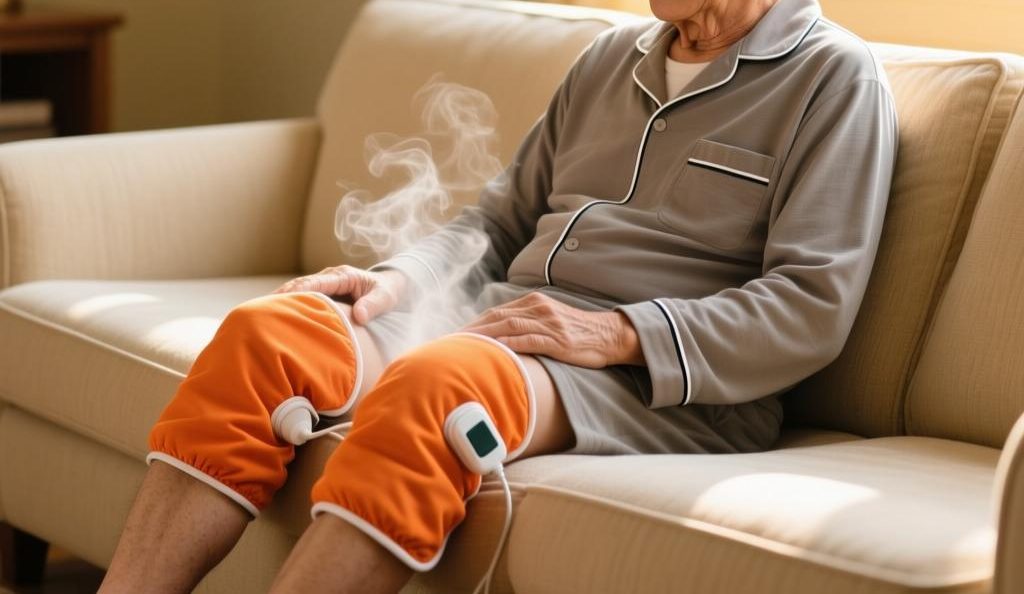
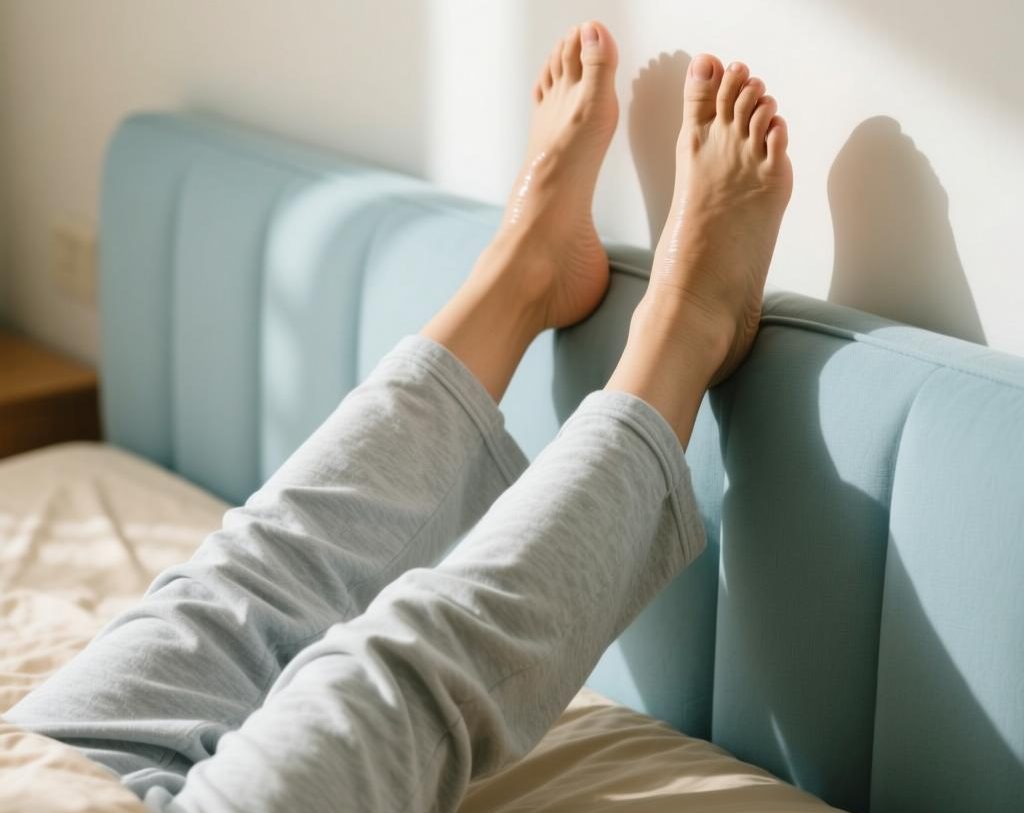
- Elevate your legs above heart level for twenty minutes in the evening so gravity works with you instead of against you.
- Try ankle circles, toe points, and calf raises while watching television, ten reps each, no equipment required.
- Consider compression socks during long days on your feet, and put them on before swelling starts in the morning.
- Swim or pedal a stationary bike, since water pressure and circular motion both help move fluid without pounding your aching joints.
- Soak tired, sore feet in cool water, or try gentle massage strokes upward from ankle to knee to encourage drainage.
If joint discomfort is keeping you sedentary and making swelling worse, you are caught in a loop, and gentle movement is the way out. Simple strategies that ease joint pain make it easier to stay active, and staying active is what keeps fluid from settling in the first place.
A Sample Day for Happier Feet
People always ask me what an actual anti-swelling day looks like, so here is a realistic template you can start tomorrow:
| Time | What to Do | Why It Helps |
|---|---|---|
| Morning | Put on compression socks before getting dressed | Supports veins before fluid starts pooling |
| Breakfast | Oatmeal with banana, berries, and a few pumpkin seeds | Potassium and magnesium counterbalance sodium |
| Every hour | Two-minute walk or ten calf raises | Activates your natural fluid pumps |
| Lunch | Home-prepped meal with vegetables and beans | Controls hidden restaurant sodium |
| Afternoon | Water and a orange or handful of grapes | Steady hydration prevents water hoarding |
| Evening | Light dinner, low sodium, then legs up for 20 minutes | Gives fluid a drainage head start overnight |
Nothing in that table is extreme, expensive, or complicated, which is exactly the point. Consistency beats intensity every time when it comes to fluid balance.
Why Weight and Blood Sugar Belong in This Conversation
Carrying extra weight changes the pressure inside your abdomen and pelvis, which makes it harder for fluid in your legs to travel upward. Extra weight also raises your risk of the very conditions, diabetes, vein problems, and heart strain, that cause chronic swelling in the first place.
The encouraging part is that you do not need a dramatic transformation. Losing even five to ten percent of your body weight noticeably reduces the pressure on your legs and your circulation.
The same goes for blood sugar. When your glucose stays in check, your blood vessels stay healthier, your nerves work better, and your kidneys filter more efficiently. Learning how your body handles sugar and keeping it in balance protects your feet from the inside out.
So the same plate that fights swelling, vegetables, beans, fruit, lean protein, also steadies glucose and supports weight goals. One set of habits, three wins.
When to Stop Reading and Call Your Doctor
Most foot swelling is benign and fixable, but a few red flags should never wait for home remedies to work:
- Swelling in only one leg, especially with pain, warmth, or redness, which can signal a blood clot.
- Sudden or rapidly worsening swelling alongside chest pain or shortness of breath.
- Swelling with fever, or skin that looks red, shiny, or broken.
- Pitting swelling that never improves, or swelling accompanied by big changes in urination.
- Swelling after starting a new medication.
In those situations, please get medical care promptly rather than adjusting your diet and hoping. For everyone else, give your new habits two to four weeks and pay attention to how your shoes feel.
Frequently Asked Questions
How long does it take for foot swelling to go away with diet changes?
Most people notice looser socks and easier shoe-wearing within one to two weeks of cutting sodium, drinking steady water, and moving hourly. Swelling tied to an underlying condition improves more slowly and needs medical care alongside lifestyle changes.
Should I drink less water if my feet are swollen?
Usually no, unless your doctor has restricted fluids for a heart or kidney condition. Restricting water on your own often backfires, because a dehydrated body holds onto fluid more tightly. Sip steadily through the day and get moving regularly so your muscles help clear it.
Are compression socks safe for everyone?
For most people, yes, and they can make a big difference for daily swelling. However, if you have certain circulation problems or severe arterial disease, they may not be appropriate, so ask your doctor first, especially if you have diabetes or numbness in your feet.
Can eating bananas really reduce swelling?
No single food is a magic pill, but potassium-rich foods like bananas genuinely help your kidneys excrete sodium, which reduces water retention. The effect comes from the overall pattern, lots of produce, less processed salt, not from one fruit.
Why are my feet more swollen in the evening than the morning?
Gravity has been working on you all day. Fluid drifts downward each hour you sit or stand, then partially drains overnight when you lie flat. If morning swelling is now the norm, that shift toward round-the-clock puffiness is your cue to change habits or see your doctor.