
If you’re living with diabetes and constantly asking yourself, “Why am I so exhausted all the time?”—you’re not alone. Fatigue is one of the most common complaints among people managing diabetes, and while it’s easy to blame a busy schedule or a poor night’s sleep, your medication could actually be a hidden culprit.
As a nutrition specialist working with hundreds of people with diabetes, I’ve seen this pattern again and again: the very pills that help control your blood sugar can, in some cases, drain your energy. Let’s unpack why this happens, what else might be behind your tiredness, and—most importantly—what you can do about it.
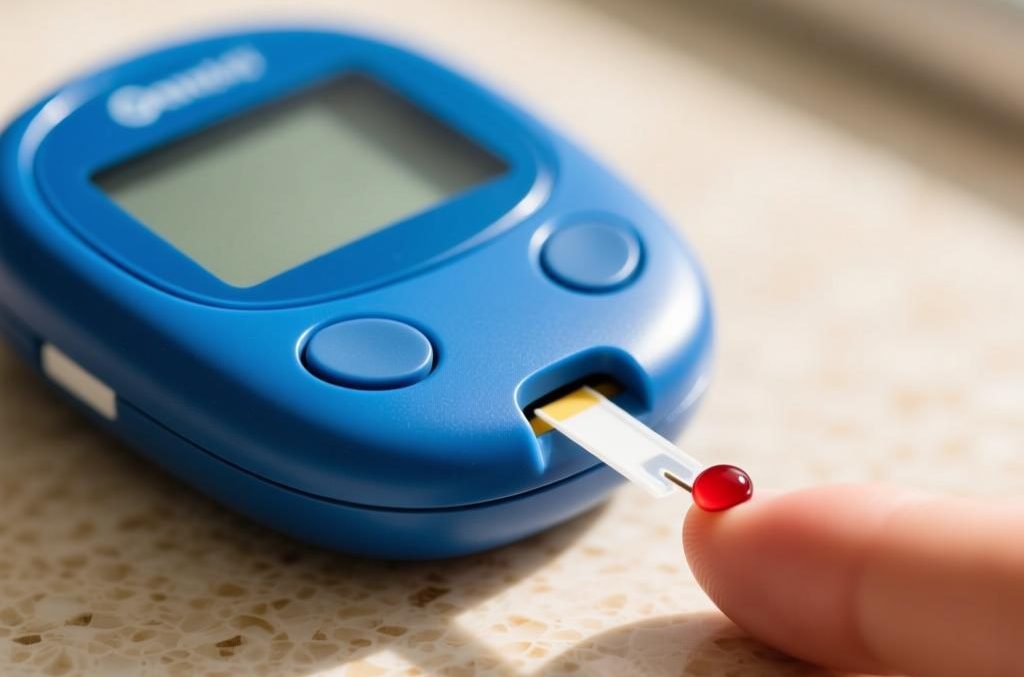
Why Does Diabetes Itself Make You So Tired?
Before we point fingers at your medications, it’s important to understand that diabetes itself is exhausting. When your blood sugar is too high, glucose can’t efficiently enter your cells to be used as fuel. It’s like having a full gas tank but a broken fuel line—the energy is right there, but your body can’t access it. The result? That heavy, dragging, “I could nap at my desk right now” feeling.
On the flip side, when your blood sugar dips too low, your body goes into survival mode, releasing stress hormones that leave you shaky, foggy, and wiped out. Understanding how your body handles sugar is the first step toward figuring out where your fatigue is coming from.
Which Diabetes Medications Are Most Likely to Cause Fatigue?
Not all diabetes drugs affect energy the same way. Here’s a quick breakdown of the usual suspects:
| Medication Type | Common Examples | How It May Cause Fatigue |
|---|---|---|
| Insulin & Sulfonylureas | Glipizide, glyburide, insulin injections | Can push blood sugar too low, triggering low blood sugar symptoms like exhaustion and brain fog |
| Metformin | Glucophage | May affect vitamin B12 absorption over time, which is linked to tiredness and weakness |
| GLP-1 medications | Semaglutide, liraglutide | Reduced appetite and calorie intake can leave you under-fueled |
| Beta-blockers (often co-prescribed) | Metoprolol, atenolol | Slow heart rate and blunt your body’s low-sugar warning signs, deepening fatigue |
The most common mechanism is simple: drugs that lower blood sugar aggressively can cause episodes of hypoglycemia, even mild ones you barely notice. Each “mini-low” costs your body energy, and when they happen repeatedly throughout the day, the cumulative effect is profound tiredness.
The Metformin–B12 Connection Nobody Talks About
Here’s something that surprises most of my clients: if you’ve been taking metformin for several years, you may be running low on vitamin B12. Metformin interferes with B12 absorption in the gut, and B12 is essential for red blood cell production and nerve function. Low B12 = low energy, tingling hands and feet, and that “worn out” feeling that sleep doesn’t fix.
If you’ve been on metformin for more than 3–4 years, ask your doctor for a simple B12 blood test. It’s one of the easiest fatigue fixes out there.
Is It Your Meds or Your Blood Sugar Swings?
Think of your blood sugar like a roller coaster. Every big spike followed by a crash leaves you feeling drained. Learning to spot blood sugar spikes and flatten them out can dramatically improve your energy—even without changing your medication.
A good first step is knowing what normal blood sugar after a meal looks like. If your readings are swinging wildly, your fatigue may be a glucose problem disguised as a medication problem. Keeping a simple log of when you feel tired, what you ate, and your readings can reveal patterns within just two weeks.
How to Eat for Steady Energy
This is where I get excited, because your plate is your most powerful tool. The goal is to give your body a slow, steady release of fuel instead of a sugar rush and crash. Here’s what works:
- Start with protein and fiber at breakfast. Swapping a carb-heavy breakfast for a balanced one can make a huge difference—learn how to swap your breakfast to watch both your blood sugar and energy improve.
- Prioritize fiber. Fiber slows glucose absorption and keeps you full longer. If you’re not sure where to start, check out the power of fiber or try some high-fiber recipes that keep things moving.
- Add beans. They’re cheap, filling, and genuinely effective—find out whether beans really help lower blood sugar.
- Choose smarter drinks. Even your soda choice matters. See which is easier on your glucose: diet soda vs. regular soda.
- Snack on fruit strategically. Fruit isn’t off-limits—here are fruits that keep blood sugar happy.
If you want a complete roadmap, eating well with diabetes is less about restriction and more about smart swaps—this guide on why food choices really matter is a great place to start.
One of the biggest energy drains I see? People who feel deprived, “fall off the wagon,” binge on sweets, and crash hard afterward. You don’t have to live like that. There are genuinely satisfying desserts you can enjoy with diabetes. Enjoying food keeps you consistent, and consistency is what stabilizes your energy.
Lifestyle Tweaks That Multiply Your Energy
Medication and food are the foundation, but your daily habits can either amplify or erase your progress:
- Master bedtime habits. Poor sleep raises insulin resistance the very next day. These simple bedtime habits help keep glucose steady overnight—so you wake up actually rested.
- Move after meals. Even a 10-minute walk after eating blunts glucose spikes significantly. For seniors or anyone easing in, these fun activities make movement enjoyable instead of a chore.
- Try quick daily tricks. Small habits add up—these simple tricks to keep blood sugar in check fit into even the busiest schedule.
And if you’ve recently lost weight and feel more tired than before, that’s a real phenomenon too—here’s why you might feel tired after losing weight and what to do about it. Sometimes under-eating, not over-medicating, is the real issue.
When Fatigue Signals Something Bigger
Persistent exhaustion deserves attention beyond blood sugar. Fatigue can flag anemia, thyroid issues, sleep apnea, depression, or heart problems—conditions that are more common in people with diabetes.
If your tiredness is severe, worsening, or paired with symptoms like shortness of breath, chest discomfort, or dizziness, don’t wait. This guide on when fatigue signals a health issue breaks down the warning signs. The same applies to anyone with prediabetes—catching prediabetes early and adjusting your diet can prevent years of struggle.
Talking to Your Doctor About Medication Fatigue
Never stop or adjust your diabetes medication on your own—that can be dangerous. Instead, come to your appointment prepared:
- Keep a 2-week fatigue log: time of day, severity, what you ate, and any glucose readings.
- Note exactly when you take each medication and whether tiredness follows within a few hours.
- Ask whether your dose could be adjusted or whether a different drug class might suit you better. For context, this overview of the first drug doctors trust for diabetes explains why metformin remains the standard starting point.
- Request labs: B12, iron, thyroid panel, and a recent A1C.
- Ask about supplements—some people benefit from targeted support, and this review of whether supplements can help keep blood sugar in check gives you a balanced starting point.
If weight is part of your picture, remember that lifestyle changes often let doctors reduce medication doses over time. The winning formula is medication plus lifestyle changes—not one or the other.
A Sample Day for Steady, Med-Friendly Energy
| Time | What to Do | Why It Helps |
|---|---|---|
| 7:00 AM | Protein + fiber breakfast (eggs, veggies, whole grain toast) | Prevents morning glucose spike and 10 AM crash |
| 12:30 PM | Lunch with beans or lentils, then 10-minute walk | Blunts the post-meal glucose rise |
| 3:30 PM | Protein snack (nuts, Greek yogurt) | Prevents the afternoon dip, especially if on insulin or sulfonylureas |
| 6:30 PM | Balanced dinner, lighter on refined carbs | Reduces overnight glucose swings |
| 10:00 PM | Consistent wind-down routine, no screens | Improves sleep quality and next-day insulin sensitivity |
If weight management is one of your goals alongside energy, keep expectations realistic—sustainable progress matters more than speed. Learn how many pounds you can safely lose in a month, and why patience is your best friend on this journey.
Sometimes a few targeted supplements can support weight management too, but always run them past your doctor first since some interact with diabetes medications.
FAQs
Q: Can diabetes medication really cause fatigue, or is it just my diabetes?
A: Both can play a role. Medications that cause low blood sugar episodes, interfere with nutrient absorption (like metformin and B12), or reduce your appetite can directly drain energy. Your doctor can help you figure out the split.
Q: Should I skip a dose if I feel tired?
A: No. Never skip or adjust doses without medical guidance. Instead, document your symptoms and bring them to your healthcare provider—there are usually safer solutions like dose timing, food pairing, or a medication switch.
Q: What should I eat if my medication keeps dropping my blood sugar?
A: Never take glucose-lowering medication on an empty stomach. Pair it with balanced meals containing protein, fiber, and complex carbs. Keep a fast-acting sugar source (like glucose tabs or juice) nearby, and learn to recognize shaky and dizzy low blood sugar warning signs.
Q: How long until I feel more energetic after making changes?
A: Many people notice improvements in energy within 2–3 weeks of steadier eating and better sleep. B12 recovery after correcting a deficiency takes longer—often several months.
Q: Are there warning signs that my fatigue is more serious?
A: Yes. Seek medical care promptly if fatigue comes with unexplained weight loss, chest pain, severe shortness of breath, fainting, confusion, or tingling/numbness that’s getting worse.
Q: Does managing diabetes have to be expensive?
A: Not necessarily. Beyond food and medications, there are practical ways to trim costs—this guide on easy ways to save money with diabetes offers realistic ideas.
The Bottom Line
Being tired all the time when you have diabetes isn’t something you just have to live with. Your medications, your blood sugar swings, your plate, and your habits all interact—and that’s actually good news, because it means there are multiple levers you can pull.
Start with a two-week log, tighten up your meals with protein and fiber, move a little after eating, and have an honest conversation with your doctor about whether your current regimen is working for your life, not just your lab numbers. Energy is recoverable. You’ve got this.