Here’s a question nobody asks out loud at the gym: is it actually possible to genuinely like your body while you’re actively trying to change it? Most of us have been taught the opposite — that you have to hate the body you have in order to “fix” it.
But after years of working with real people on real nutrition journeys, I can tell you the truth is much more encouraging: you absolutely can appreciate yourself and pursue a healthier weight at the same time. In fact, the people who succeed long-term are almost always the ones who make peace with their bodies first.
Why “Hate the Weight Off” Almost Never Works
Self-criticism feels productive, but research consistently shows the opposite. When you shame yourself, stress hormones spike, sleep suffers, and you’re far more likely to binge, quit, or swing between extremes.
Those annoying thoughts that pop up when you’re trying to lose weight — “you’ll never stick with this,” “you’ve already blown it” — aren’t motivation. They’re sabotage with a megaphone.
Self-compassion, on the other hand, is linked to better eating habits, more consistent exercise, and lower rates of disordered eating. Think of it this way: you wouldn’t coach a friend by insulting them at every workout. So why coach yourself that way?
From Punishment to Care
The biggest reframe you can make is moving from “weight loss as punishment” to “weight loss as self-care.” You’re not starving your body into submission — you’re feeding it better, moving it more, and letting it rest. That mental flip changes everything, including the choices you make at 9 p.m. in front of the pantry.
A helpful way to start is with simple tips for losing weight without the stress, because a calm, sustainable approach protects both your mental health and your results. When your plan fits your real life, you stop treating every meal like a moral test.
- Swap “I’m not allowed” for “I’m choosing what serves me.”
- Notice what your body does for you daily — walking, healing, carrying you through work.
- Celebrate non-scale wins: better sleep, more energy, clothes fitting differently.
- Speak to yourself the way you’d speak to someone you love.
Set Realistic Goals
One of the fastest ways to wreck body image is setting goals your body was never meant to hit. Social media has distorted our sense of what’s normal, so let’s get honest about numbers.
A safe, sustainable pace is roughly 1–2 pounds a week — here’s a straightforward look at how many pounds you can really lose in a month safely. Anything faster usually costs you muscle, energy, and sanity.
Understanding the engine behind the process helps too. A gentle, non-extreme explanation of what a calorie deficit is and how it helps you lose weight removes a lot of the mystery and the misery. You don’t need to starve; you need a modest, consistent gap that your body can live with.
| Goal Type | Example | Why It Helps Body Image |
|---|---|---|
| Behavior goal | Walk after dinner 5 nights a week | Fully in your control — you always “succeed” |
| Progress goal | Lose 4–8 lbs this month | Realistic, keeps expectations honest |
| Feeling goal | Have more energy by month two | Connects effort to quality of life, not just looks |
Patience Is Your Secret Weapon
Plateaus and slow weeks are not failure — they’re physiology. When progress stalls, it’s tempting to conclude “nothing works” and spiral into harsh self-talk. Instead, remember that weight loss takes time and patience is genuinely your best friend. Bodies adapt, water weight shifts, hormones fluctuate. A paused scale often hides fat loss and muscle gain.
If you’re truly stuck for weeks, troubleshoot rather than punish. There are usually sneaky reasons you’re stuck losing weight — and practical ways to beat them, from underestimating portions to poor sleep. Fixing a process problem feels empowering; blaming your body feels awful. Choose empowering.
Food: Nourish, Don’t Punish
Body image and food choices are deeply linked. Restrictive, joyless eating almost always triggers rebound eating — and rebound eating triggers shame. The fix is building meals you actually enjoy that happen to support your goals.
Build Meals Around Fullness and Flavor
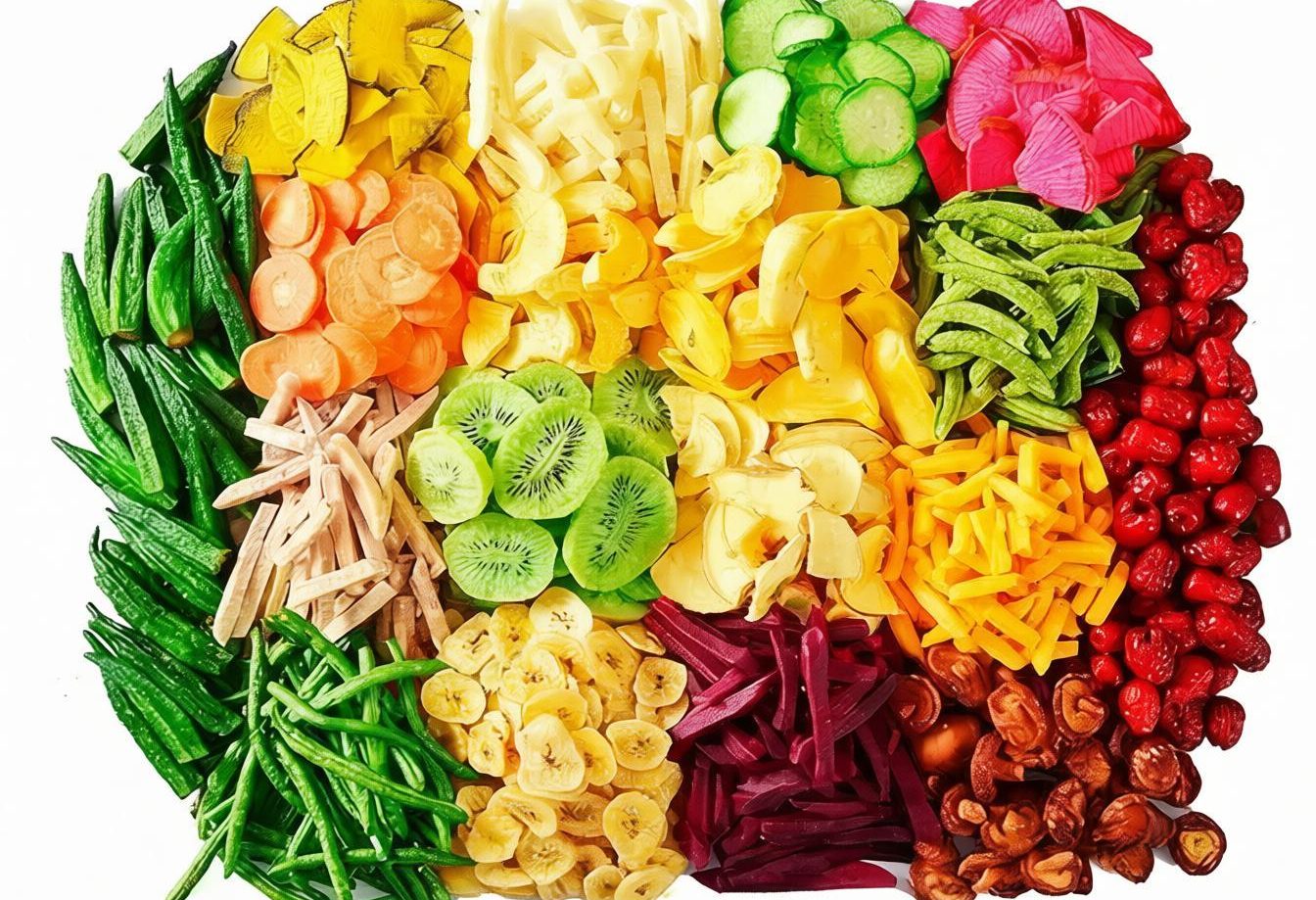
Fiber is the unsung hero here. Learning about the power of fiber for fueling weight loss changes how you build a plate: vegetables, legumes, fruit, and whole grains keep you full so hunger stops feeling like an enemy.
Pair that with adequate protein — here’s an honest look at whether animal or plant protein helps you lose weight (spoiler: both work; the best one is the one you’ll eat consistently).
Practical ideas that don’t feel like a diet:
- Keep yummy protein snacks on hand so 4 p.m. cravings don’t become 9 p.m. binges.
- Rotate a handful of protein-packed dinner recipes so healthy food never tastes like punishment.
- Experiment with weight-loss power foods — foods that add volume and nutrition without blowing your budget.
- Try a simple breakfast swap to steady your blood sugar and kill mid-morning cravings.
Ditch All-or-Nothing Thinking
Many body-image struggles come from perfectionist diet rules. One cookie becomes “I’ve ruined everything,” which becomes a weekend binge, which becomes Monday self-loathing. Breaking that cycle means learning to spot sneaky weight-loss traps sabotaging your diet — including the mental ones. A flexible plan beats a perfect plan every single time.
Also be skeptical of trend-chasing. Many popular metabolism myths quietly sabotage weight loss, convincing you your body is “broken” when it’s actually just a body. Similarly, if you’re curious about eating windows, get the balanced picture on whether intermittent fasting really works before restructuring your whole life around it.
Approaches like keto can suit some people — here’s a friendly beginner’s guide to keto — but the best diet is the one that doesn’t make you miserable.
Move Because You Like Your Body, Not Because You Hate It
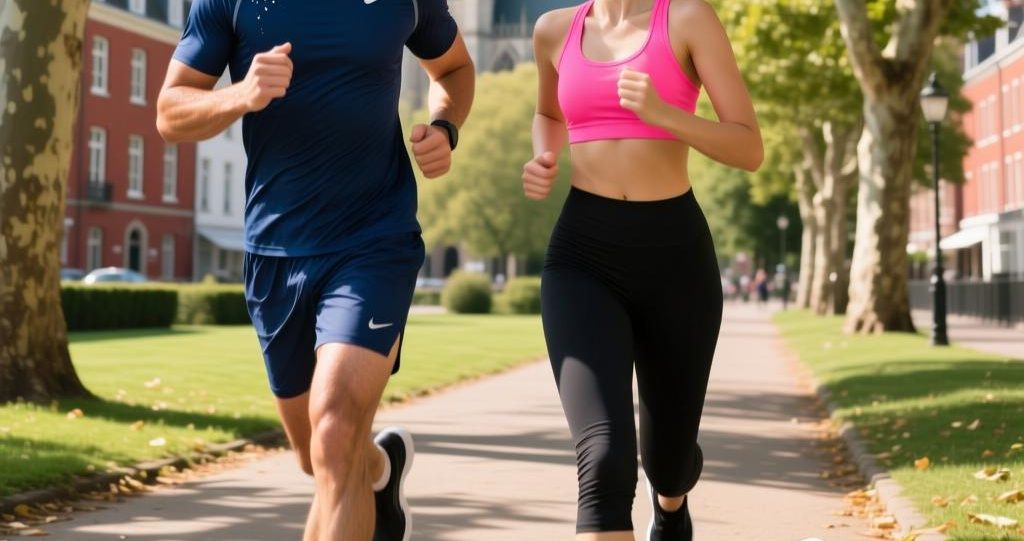
This is where body image and exercise either clash or click. Movement chosen from self-respect — “I want to be strong and energetic” — is sustainable. Movement chosen from self-disgust burns out fast.
The good news? Effective movement is friendlier than you think. You can burn 500 calories a day without starving or extreme workouts, and something as simple as walking a certain number of steps daily is one of the most reliable predictors of keeping weight off for good.
If the gym intimidates you, there are plenty of fun workouts that melt the pounds — dancing, hiking, swimming — and even gentle options like Pilates vs. yoga that build strength and body awareness at the same time. Feeling connected to your body during movement is one of the fastest ways to improve body image.
Be Kind to Your Changing Body
Your body’s needs change with age and life circumstances, and fighting that reality is a recipe for frustration. In midlife, hormonal shifts mean strategies need updating — a holistic approach to the midlife metabolic shift works far better than repeating what worked at 25.
If belly fat is the concern, these nutrition and lifestyle strategies for deep belly fat are realistic rather than extreme, and trimming certain foods helps — see what to cut back on for menopause belly.
New mothers face a unique double standard: the pressure to “bounce back” instantly. A gentler model is the patient, realistic postpartum plan that lost 35 pounds — proof that progress and self-kindness can coexist. And if you’re simply feeling the years add up, these 6 simple steps for managing weight as you age respect your body rather than fighting it.
Protect Your Energy And Your Mood
Here’s something rarely discussed: aggressive dieting can tank how you feel, and feeling lousy makes body image worse. If you’ve cut hard and now you’re exhausted, it’s worth understanding why you feel tired all the time after losing weight — often it’s too-large a deficit, not enough protein, or poor sleep. A modest tweak can restore your energy and your optimism.
Small friction-free habits help enormously. A handful of effortless weight-loss hacks that require no diet or gym — protein first, water before meals, a short post-dinner walk — compound quietly without consuming your mental bandwidth. And if you struggle with snacking at night, understanding how to optimize satiety can make fullness a tool instead of a battle.
Preventing Rebound and Protecting Your Heart
Nothing damages body image like losing weight and regaining it. That yo-yo cycle feels like personal failure, though it’s usually just an unsustainable plan meeting inevitable life. The antidote is following a comprehensive plan for losing weight without rebounding — habits designed for the version of you that exists after the diet ends.
For some people with significant medical needs, combining approaches helps; here’s how medication plus lifestyle changes work together under a doctor’s guidance.
One final mindset upgrade: measure success by health, not just appearance. Weight loss strengthens your cardiovascular health beyond what the scale shows — better blood pressure, better blood sugar, better endurance. When you track those wins, your body stops being an enemy to shrink and becomes a project you’re proud to invest in.
FAQs
Can I really love my body and still want to change it?
Yes — and it’s actually the healthiest combination. Loving your body doesn’t mean refusing to improve it; it means improving it from a place of care rather than disgust. Think of how you maintain a car you value.
How do I stop negative self-talk when I look in the mirror?
Start by catching the thought and naming it (“that’s a shame thought, not a fact”), then replace it with something true and neutral, then kind. It feels awkward for about two weeks, then it becomes automatic. Curbing those intrusive diet thoughts is a trainable skill.
What if the scale isn’t moving but I feel better?
That’s a win, not a failure. Energy, sleep, strength, and how clothes fit often improve before the scale budges. If it’s been a month of no change, troubleshoot with the common reasons people get stuck instead of assuming your body is broken.
Is it okay to want to lose weight for appearance reasons?
It’s honest, and it’s fine. Just anchor your motivation in something deeper too — health, energy, longevity — because appearance-based motivation fades fast and fuels harsh self-judgment when progress slows.
How fast should I expect progress?
Plan for 1–2 pounds per week on average, with lumpy ups and downs. Review the realistic monthly numbers here and be suspicious of anything promising dramatically more.
What’s the single best habit for both body image and weight loss?
Daily walking. It’s gentle, meditative, sustainable, and strongly linked to long-term success — a specific daily step count is one of the simplest predictors of keeping weight off.
When should I talk to a professional?
If food thoughts are obsessive, if eating feels out of control, or if body dissatisfaction is affecting your daily life, talk to a doctor or registered dietitian. Getting structured support — like understanding how lifestyle changes can be paired with medical options — is a sign of self-respect, not weakness.