
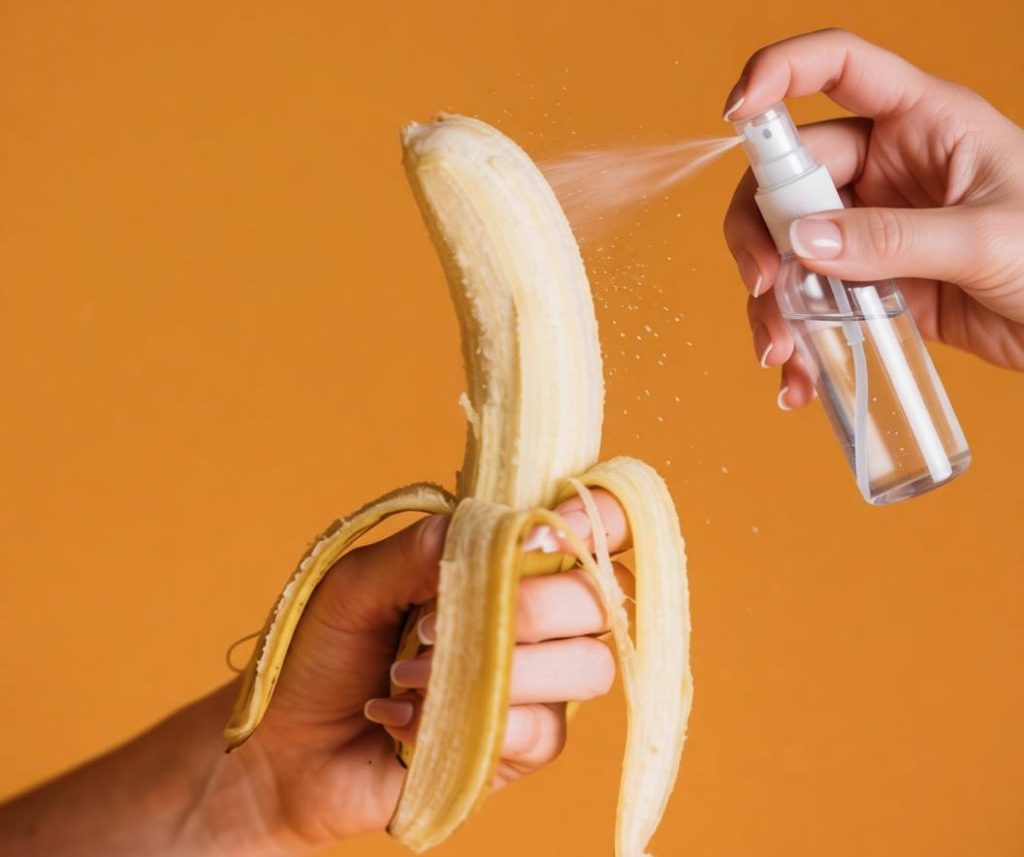
What Exactly Is an Erection Spray, Anyway?
Let’s start with the basics, because there’s a lot of confusion out there. When people talk about “erection sprays,” they’re usually referring to one of two things: topical delay sprays that reduce sensitivity so you can stay harder for longer, or prescription topical treatments that increase blood flow directly where it counts.
Most of what you’ll see online and in pharmacies falls into the first category. These sprays contain a mild numbing agent, usually lidocaine or benzocaine, that lightly desensitizes the skin. The idea is simple: if you’re not overstimulated, you last longer, and lasting longer often means keeping your erection throughout sex instead of losing it halfway through.
The second category is a different beast entirely. These are prescription-only options, like alprostadil-based topicals, that work more like Viagra in cream or spray form — they relax blood vessels and boost blood flow into the penis. They’re typically reserved for men who can’t take oral medications for one reason or another.
So when someone asks, “Do erection sprays work?” the honest answer is: it depends on which spray you’re talking about and what problem you’re trying to solve. Let’s dig into that.
Do These Sprays Actually Work?
Here’s the straight talk you’d get from a doctor who’s been asked this question a thousand times in the exam room.
For staying power: yes, the evidence is pretty solid. Lidocaine-based sprays have been studied extensively for premature ejaculation, and the research is genuinely encouraging.
Clinical trials have shown that lidocaine sprays can significantly increase intravaginal ejaculation latency time — that’s doctor-speak for “how long you last” — often doubling or tripling duration in men who struggled with finishing too quickly.
And here’s the connection many guys miss: performance anxiety and rapid climax often feed into erection problems. One bad experience leads to nerves, nerves lead to a lost erection, and the cycle repeats. If a spray helps you feel more in control, that confidence alone can improve how firm you stay.
For treating true erectile dysfunction: sprays are usually not the first-line answer. If you have genuine ED — meaning you struggle to get an erection even when aroused, including morning erections that have faded away — that’s usually a blood flow or hormone issue, and numbing sprays won’t fix that. Oral medications like sildenafil (Viagra) or tadalafil (Cialis) are far more effective and better studied for actual ED.
- Sprays help most when: you get erections fine but lose them due to overstimulation, nerves, or finishing too quickly.
- Sprays help least when: you have consistent difficulty getting erect at all, which points to vascular, hormonal, or psychological causes needing proper evaluation.
- Sprays work well as a boost: some men combine a delay spray with lifestyle changes (better sleep, less alcohol, exercise) for compound benefits.
One more thing worth saying out loud: occasional erection wobbles are completely normal. Stress, a few too many drinks, a poor night’s sleep — all of these affect everyone. Don’t panic over one off night. But if it’s happening regularly, see a doctor, because ED can be an early warning sign of heart disease, diabetes, or low testosterone.
5 Sprays Worth Trying
Alright, let’s get into the actual products. I’ve focused on options that are widely available, from reputable manufacturers, and backed by either clinical research or a long track record of real-world use. Remember: always check with your own doctor or pharmacist before trying any new product, especially if you take medications or have health conditions.
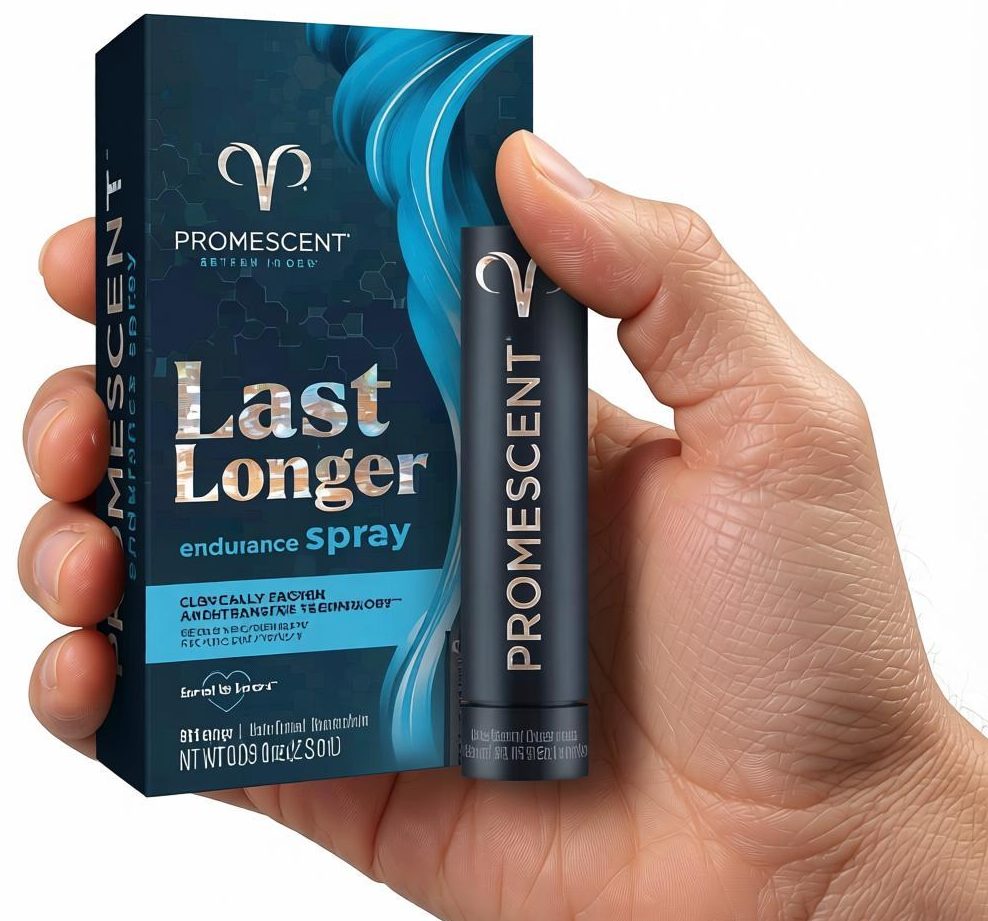
1. Promescent Delay Spray
Promescent is probably the most clinically recognized name in this space, and for good reason. It uses lidocaine in a patented absorption formula designed to penetrate the skin quickly, which means it numbs the nerves underneath without leaving your whole penis — or your partner — feeling frozen.
It’s been featured in peer-reviewed sexual medicine research, and the dosing is flexible: you start with a small number of sprays and adjust based on how your body responds. Most men find their sweet spot within a few uses. It’s fast-acting (about 5–10 minutes) and easy to wash off when you want the sensation back.
2. Stud 100 Delay Spray
Stud 100 has been around for decades — it’s one of the original delay sprays and remains a pharmacy shelf staple in many countries. It contains lidocaine 10%, delivered in a metered spray so each pump gives you a consistent, measured dose. That consistency matters when you’re figuring out how much desensitization you actually need.
It’s affordable, widely available without a prescription, and has a long safety record when used as directed. The trade-off is that it’s a bit older-school in its formulation, so the numbing can feel less refined than newer products. Start conservative: two sprays, wait ten minutes, and see how you go.
3. K-Y Duration Spray for Men
Here’s a comfortable entry point for guys who feel weird buying anything from a “specialty” brand. K-Y is a household name in sexual wellness, backed by a major consumer health company, and their duration spray uses benzocaine rather than lidocaine.
Benzocaine works similarly — it dulls sensitivity to slow things down — but some men find it slightly gentler. Because it’s made by a mainstream brand, it’s easy to find at drugstores, the instructions are clear, and it’s competitively priced. Great “first spray” if you’re new to this and want something low-pressure to try.
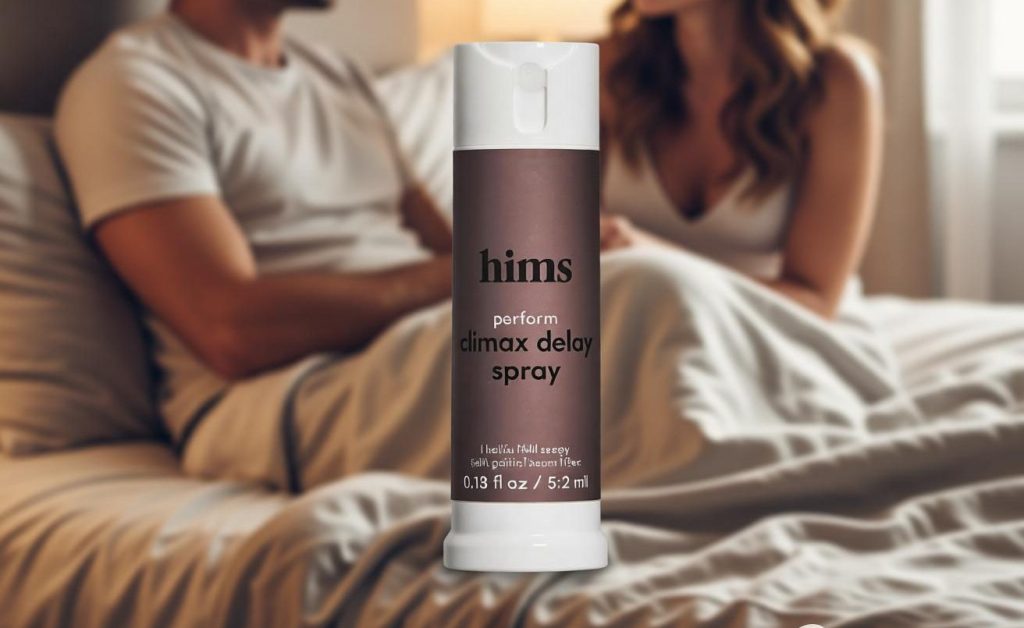
4. Hims Delay Spray
Hims built its reputation on making men’s health conversations less awkward, and their delay spray follows the same philosophy: order online, no pharmacy counter awkwardness, telehealth support available if you have questions. The formula is lidocaine-based and designed for quick absorption.
The real appeal here is convenience and the ecosystem around it. If you’re already talking to a Hims provider about hair loss or ED medications, adding a delay spray to the conversation is frictionless. Just remember that online platforms are a supplement to — not a replacement for — a real checkup with your own physician.
5. Fort Delay Spray (Vitamin-Enriched Options)
A newer wave of sprays — Fort being a good example — combines benzocaine with skin-soothing ingredients like vitamin E and aloe. The numbing target is the same, but these formulas aim to reduce dryness or irritation, which can be a side effect of older alcohol-heavy sprays.
Think of these as the “skin-friendly” tier. If you’ve tried a basic spray and found it stung, dried your skin, or felt harsh, a vitamin-enriched version might be the upgrade you need. The performance boost is comparable; the comfort factor is where they shine.
| Spray | Active Ingredient | Best For | Prescription Needed? |
|---|---|---|---|
| Promescent | Lidocaine | Clinically studied, fast absorption | No |
| Stud 100 | Lidocaine 10% | Measured, consistent dosing on a budget | No |
| K-Y Duration | Benzocaine | First-timers who want a trusted brand | No |
| Hims Delay Spray | Lidocaine | Online convenience + telehealth support | No |
| Fort (vitamin-enriched) | Benzocaine + vitamins | Sensitive skin, comfortable feel | No |
How to Use an Erection Spray the Right Way
Using one of these sprays isn’t complicated, but there’s definitely a right way and a wrong way. Do it wrong and you’ll either feel nothing or — worse — you’ll numb things so thoroughly that sex becomes a chore. Here’s the playbook:
- Start low and go slow. Begin with 2–3 sprays on the most sensitive areas (typically the head and underside of the penis). You can always add more next time; you can’t un-spray.
- Wait for it to absorb. Give it 5–15 minutes depending on the product. Applying and going for it immediately means the spray may transfer to your partner and numb them too.
- Wipe off excess before sex. A quick wipe with a tissue or a rinse dramatically reduces the chance of transferring numbing agent to your partner — unless you’re using a condom, which also blocks transfer.
- Never apply to broken or irritated skin. If you have any cuts, rashes, or inflammation, skip the spray until the skin heals.
- Don’t combine with certain medications without asking. If you take anti-arrhythmia drugs or have a known reaction to numbing agents (“caine” allergies), talk to a doctor first.
Most sprays last somewhere between 30 minutes and a couple of hours. If you feel like you’ve overdone it and everything’s too numb, washing with warm soapy water speeds up recovery. And if you ever develop a rash, swelling, or difficulty breathing after use — stop immediately and seek medical help, as rare allergic reactions are possible.
Information You Should Know Before Use
Topical sprays are generally well tolerated, which is a big part of their appeal. But “generally safe” isn’t the same as “risk-free,” and I’d be doing you a disservice if I pretended otherwise.
The most common complaints are mild and local: temporary numbness that goes further than you wanted, slight tingling, skin dryness, or brief redness where you sprayed. These usually resolve on their own within hours.
Less common but worth knowing about: some men experience temporary loss of erection because too much sensation was erased — yes, ironically, an erection spray can occasionally work against you if overused. Your partner can also experience numbness or irritation if the product transfers, which is why wiping off excess (or using a condom) matters so much.
Rare but serious: allergic reactions to lidocaine or benzocaine can occur. And a word of caution about benzocaine specifically — it can interact with certain medications and, in very rare cases, affect blood oxygen levels. If you have heart conditions, liver problems, or take multiple medications, a five-minute conversation with your pharmacist is cheap insurance.
Finally: if you find yourself needing a spray every single time just to function, that’s a signal, not a solution. Persistent erection problems deserve a proper medical workup, not just a topical band-aid.
Sprays vs. Pills: Which Should You Choose?
This is the question I get asked most, and the answer depends on what’s actually going on in your body.
| Factor | Topical Sprays | Oral ED Medications (PDE5 inhibitors) |
|---|---|---|
| How they help | Reduce sensitivity, extend performance | Increase blood flow for firmer erections |
| Best for | Finishing too fast, stamina, confidence | True erectile dysfunction |
| Onset | 5–15 minutes | 30–60 minutes |
| Systemic side effects | Minimal (mostly local) | Headache, flushing, congestion possible |
| Requires arousal? | Works regardless | Yes — you need stimulation for it to work |
| Availability | Over the counter | Prescription (in most countries) |
Here’s a framing that helps a lot of men: pills address the plumbing, sprays address the sensitivity. If your plumbing is fine and you just want more staying power, a spray is a sensible, low-risk choice.
If the plumbing itself is the problem, no amount of spray will fix it — and delaying the doctor’s visit only delays the fix. Some men genuinely benefit from both, but that’s a conversation to have with a healthcare provider, not something to DIY.
Lifestyle Tweaks That Make Any Spray Work Better
No product exists in a vacuum. If you want the best results from whatever you try, give it a fighting chance by cleaning up the basics:
- Sleep 7–8 hours. Testosterone is produced largely during sleep. Chronic short sleep is one of the most underrated erection killers.
- Cut back on alcohol. Shakespeare called it “provokes the desire, but it takes away the performance” — 400 years later, the science agrees.
- Move your body. Regular cardio improves blood vessel function everywhere, including where it matters most. Even 30 minutes of brisk walking most days makes a measurable difference.
- Manage stress. Cortisol is the enemy of erections. Anxiety about performance creates a vicious cycle that sprays can help break, but addressing the root stress helps more.
- Stop smoking. Smoking damages the small blood vessels that erections depend on. Quitting is arguably the single best thing you can do for erectile health.
Frequently Asked Questions
How long does an erection spray take to work?
Most sprays need 5 to 15 minutes to absorb properly. Spraying and immediately starting means you’ll get less benefit and increase the risk of numbing your partner. Set a timer, relax, and let it do its job.
Can I use a delay spray with a condom?
Yes — and it’s actually a smart combo. The condom prevents the spray from transferring to your partner, keeping all the effect for you. Just apply the spray first, let it absorb, then put the condom on. One note: numbing sprays are generally considered compatible with latex condoms, but check your specific product’s label to be sure.
Will the spray numb my partner too?
Only if you don’t let it absorb fully or skip wiping off the excess. Applied correctly — waiting the recommended time and wiping down before intercourse — transfer is minimal. If your partner does notice numbness, wash the area with warm soapy water and it will fade.
Are erection sprays safe to use every day?
Occasional-to-regular use as directed is considered safe for most healthy men. That said, if you feel you can’t perform without it, that psychological dependence is worth discussing with a doctor. Physical dependence doesn’t develop with these products, but reliance can.
Can I combine a spray with Viagra or Cialis?
In many cases, yes — some couples use this combination deliberately. But because both affect your body and oral medications have their own contraindications (especially with nitrates and blood pressure meds), do not combine them without talking to a doctor or pharmacist first. This is a five-minute conversation that rules out real risks.
Do erection sprays help with actual erectile dysfunction?
Indirectly at best. They help you maintain an erection by delaying climax and easing performance anxiety, but they don’t improve the underlying blood flow issues that cause true ED. If erections are consistently difficult to achieve, get evaluated — effective treatments exist, and ED can sometimes be an early flag for cardiovascular disease.
What if the spray doesn’t work for me?
First, check your technique and dose — under-dosing is the number one reason sprays “fail.” If you’ve genuinely given it a fair try over several uses with no improvement, that’s useful information pointing toward a different cause, and it’s time for a proper medical conversation rather than another product.
The Bottom Line
So, do erection sprays actually work? For the right problem — overstimulation, finishing too quickly, performance nerves — yes, they genuinely do, and the lidocaine-based options on this list have the strongest track records. They’re affordable, available without a prescription, low on side effects, and discreet enough to keep in your nightstand without anyone being the wiser.
But they’re a tool, not a cure-all. If your erections have genuinely gone missing, that’s your body asking for a checkup, not a spray. The smartest move? Try a well-made product from this list if stamina is your issue, and book that doctor’s appointment if it’s something more. Your future self — and your partner — will thank you for taking both steps seriously.