
Tramadol, a centrally acting analgesic opioid, has emerged as an off-label treatment option for PE, driven primarily by its dual mechanism of action. It inhibits the reuptake of serotonin and norepinephrine, similar to some antidepressants used for PE, but also acts as a mu-opioid receptor agonist.
The serotonin and norepinephrine reuptake inhibition contributes to delayed ejaculation, while the opioid activity is thought to potentially increase the ejaculatory threshold.
Initial reports and small, uncontrolled studies suggested that tramadol could effectively delay ejaculation and improve control, leading to increased sexual satisfaction.
The appeal of tramadol stemmed from its perceived rapid onset of action compared to SSRIs, which require several weeks to demonstrate full efficacy.
Some clinicians, particularly in regions where dapoxetine isn’t readily available, began prescribing low doses of tramadol for PE, often as a ‘first-line’ alternative.
However, this practice has become increasingly controversial due to growing concerns about its safety profile and potential for abuse.
Tramadol vs. Placebo for PE
Several studies have investigated the efficacy of tramadol for treating premature ejaculation (PE) by comparing it to a placebo (an inactive substance).
While tramadol has shown some benefit in delaying ejaculation in these studies, the magnitude of that benefit and its clinical significance are debated, especially when weighed against the potential risks.
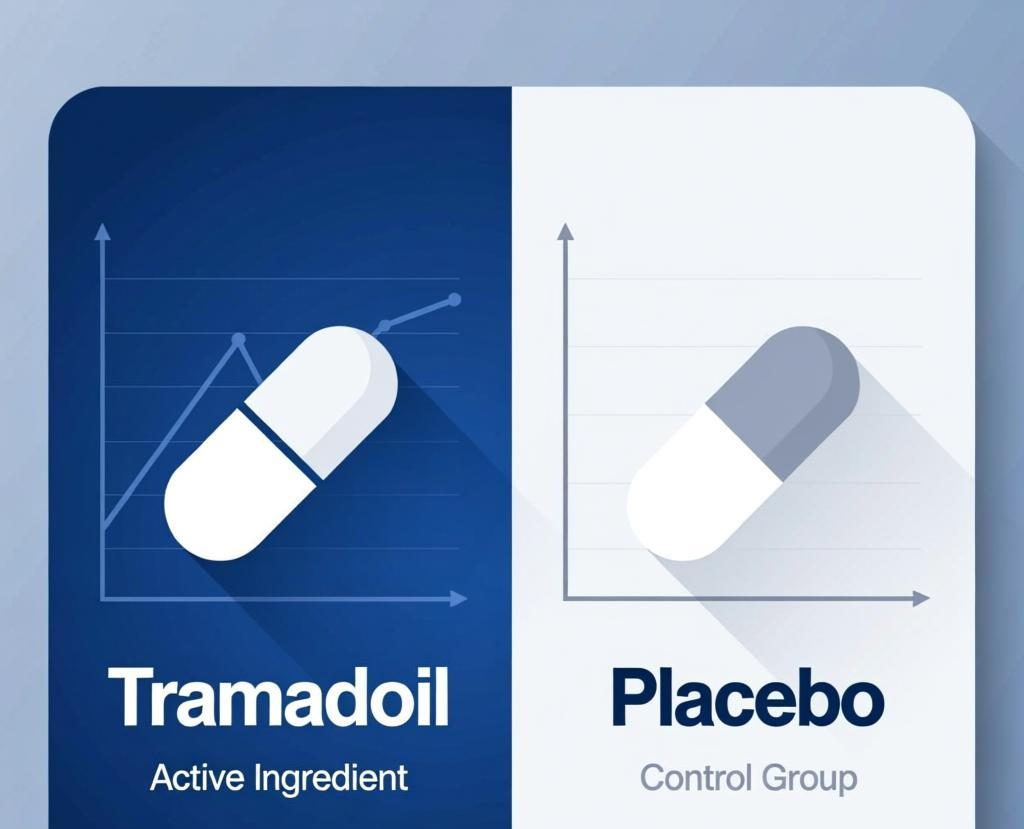
Most studies indicate that tramadol consistently outperforms placebo in increasing the ejaculatory latency (the time until ejaculation). However, the difference isn’t always dramatic.
Meta-analyses (studies combining data from multiple trials) typically show a statistically significant, but modest, improvement with tramadol compared to placebo.
For example, some meta-analyses have reported an average increase in ejaculatory latency of around 1-2 minutes with tramadol, versus little to no change with placebo. It’s crucial to remember that the perceived benefit can vary significantly between individuals.
| Outcome Measure | Tramadol Group (Average Change) | Placebo Group (Average Change) |
|---|---|---|
| Ejaculatory Latency (minutes) | +1.5 to +2.0 minutes | +0.1 to +0.5 minutes |
| Sexual Satisfaction (Scale 1-10) | +0.5 to +1.0 points | +0.2 to +0.5 points |
| Control Over Ejaculation (Scale 1-10) | +0.4 to +0.8 points | +0.1 to +0.3 points |
Tramadol can be more effective than placebo in delaying ejaculation, but the benefit is often modest and may not be clinically significant for all patients.
Given the potential for side effects and addiction, tramadol is generally not considered a first-line treatment for PE. Other options, such as SSRIs, topical anesthetics, and behavioral therapies, are typically preferred due to their more favorable safety profiles and established efficacy.
Adverse Effects and Safety Concerns
The most significant concern surrounding tramadol use for PE is its potential for adverse effects and, crucially, its addictive potential. Tramadol, while considered a ‘weak’ opioid, still carries the risk of dependence and withdrawal symptoms.
Common Side Effects
Even at low doses used for PE, tramadol can cause a range of side effects. The most frequently reported include nausea, vomiting, constipation, dizziness, drowsiness, and headache. While some individuals may experience these as mildly bothersome, they can significantly impact daily functioning and quality of life.
Constipation, in particular, can be persistent and require additional treatment. Dizziness and drowsiness pose risks, particularly when operating machinery or driving. It’s important to note that these are not just occasional occurrences; they are reported frequently enough to be considered expected side effects, even with short-term use.
Serious Adverse Effects
Beyond the common side effects, tramadol carries the risk of more serious adverse events. These include seizures, particularly in individuals with pre-existing seizure disorders or those taking other medications that lower the seizure threshold.
Respiratory depression, although less common at lower doses, remains a potentially life-threatening risk, especially when combined with other central nervous system depressants like alcohol or benzodiazepines.
Serotonin syndrome, a potentially fatal condition caused by excessive serotonin levels in the brain, can occur when tramadol is combined with other serotonergic drugs, such as SSRIs or St. John’s Wort. Cardiac arrhythmias, while rare, have also been reported.
Addictive
Tramadol, despite being often described as a ‘weak’ opioid, possesses a significant potential for addiction and dependence. Its opioid activity activates the brain’s reward pathways, creating a reinforcing effect that can lead to compulsive drug seeking and use.
Tolerance develops with repeated use, meaning that higher doses are required to achieve the same effect, further increasing the risk of addiction. Withdrawal symptoms, including anxiety, muscle aches, sweating, insomnia, diarrhea, and flu-like symptoms, can occur upon cessation of use, driving individuals to continue taking the drug to avoid discomfort.
This risk is magnified when tramadol is used off-label for a non-pain condition like PE, as the perceived benefits may outweigh the perceived risks for some individuals.
Men initially seeking treatment for PE may develop a psychological or physical dependence on tramadol, leading to escalating dosages, withdrawal symptoms upon cessation, and potential for opioid misuse. This risk is compounded by the fact that many men may not be fully informed about the addictive potential of tramadol or the importance of careful monitoring.
Comparison of Tramadol With Other Drug Treatment Options
When compared to other pharmacological options for PE, tramadol presents a less favorable risk-benefit profile. SSRIs, while requiring several weeks to achieve full efficacy, generally have a lower risk of addiction and serious adverse effects.
| Feature | Tramadol | SSRIs |
|---|---|---|
| Approval for PE | Off-label use only | Dapoxetine is approved in some countries; others used off-label |
| Addiction Potential | High | Low to Moderate |
| Serious Side Effects | Seizures, respiratory depression, serotonin syndrome | Serotonin syndrome (less severe), GI upset |
| Common Side Effects | Nausea, drowsiness, constipation | Nausea, diarrhea, decreased libido |
| Mechanism | Opioid & Serotonin/Norepinephrine | Serotonin reuptake inhibition |
| Typical Dosage | 50-100mg/day (for PE, highly variable) | Variable, 20-60mg/day (Paroxetine/Sertraline); Dapoxetine 30-60mg on demand |
PDE5 inhibitors, particularly in combination with SSRIs, offer a promising alternative for men with both PE and erectile dysfunction. Tramadol’s potential for addiction, coupled with its range of adverse effects, makes it a less desirable option compared to these alternatives.
The potential benefits of tramadol – a potentially faster onset of action – are arguably outweighed by the significant risks. Clinicians should prioritize safer and more established treatments for PE whenever possible.
Who Should Never Take Tramadol for PE?
Certain individuals should absolutely avoid tramadol, regardless of whether they are seeking treatment for PE.
Individuals with a History of Substance Abuse
Individuals with a personal or family history of substance use disorder are at an extremely high risk of developing tramadol dependence. Tramadol, despite being often portrayed as a ‘weak’ opioid, activates the brain’s reward system, creating a reinforcing effect that can quickly lead to compulsive drug-seeking behavior.
Even a short course of tramadol can trigger relapse in previously addicted individuals. The potential for abuse significantly outweighs any perceived benefit for PE in this population.
Individuals with Current or Past Mental Health Conditions
Patients with a history of depression, anxiety, bipolar disorder, or other mental health conditions should avoid tramadol. Tramadol can worsen existing mental health symptoms and increase the risk of suicidal ideation.
The combination of tramadol with antidepressants (particularly SSRIs or SNRIs) carries a significant risk of serotonin syndrome, a potentially life-threatening condition. Mental health instability dramatically increases the risks associated with tramadol use.
Individuals with Seizure Disorders
Tramadol lowers the seizure threshold, meaning it increases the likelihood of seizures occurring. Individuals with epilepsy, a history of seizures, or any condition that predisposes them to seizures should never take tramadol. Even at low doses, tramadol can trigger seizures, which can be dangerous and require immediate medical attention.
Individuals with Respiratory Problems
Tramadol can cause respiratory depression, a slowing of breathing that can be life-threatening, especially in individuals with pre-existing respiratory conditions such as asthma, COPD, or sleep apnea.
The risk of respiratory depression is increased when tramadol is combined with other central nervous system depressants like alcohol or benzodiazepines. Anyone with compromised lung function should avoid tramadol entirely.
Individuals with Liver or Kidney Disease
Tramadol is metabolized by the liver and excreted by the kidneys. Individuals with liver or kidney disease may have impaired drug clearance, leading to accumulation of tramadol in the body and an increased risk of side effects.
Dosage adjustments are difficult in these cases and the risk still remains high. Severe hepatic or renal impairment is a contraindication to tramadol use.
Individuals Taking Certain Medications
Tramadol interacts with a wide range of medications. It should never be combined with SSRIs, SNRIs, MAOIs, tricyclic antidepressants, benzodiazepines, muscle relaxants, or other opioids.
These combinations can significantly increase the risk of serotonin syndrome, respiratory depression, and other serious adverse events. A complete medication review is crucial before considering tramadol for any indication.
Tramadol for PE: FAQs
Is Tramadol an approved treatment for PE?
No. Tramadol is not approved by regulatory agencies like the FDA for the treatment of premature ejaculation. Its use for PE is considered “off-label,” meaning it’s prescribed for a condition it wasn’t originally intended for. This means the benefits and risks haven’t been thoroughly studied specifically for PE.
Is Tramadol addictive? What is the risk of dependence?
Yes, tramadol is addictive. It’s an opioid, even though it’s considered a weaker opioid than medications like morphine or oxycodone. Regular use can lead to physical and psychological dependence. Withdrawal symptoms can occur if tramadol is stopped abruptly. The risk of dependence is a major reason why it’s not a preferred treatment for PE.
What dosage of Tramadol is typically used for PE, and how often should it be taken?
There is no standard dosage for tramadol when used for PE. Dosages reported in studies and clinical practice vary widely. Any dosage should only be determined by a qualified medical professional. It’s typically taken on an as-needed basis before sexual activity. However, even intermittent use carries risks.
What should I do if I experience side effects while taking Tramadol?
If you experience any side effects while taking tramadol, especially serious ones like difficulty breathing, seizures, or signs of serotonin syndrome (confusion, agitation, muscle twitching, rapid heartbeat), seek immediate medical attention. Contact your doctor promptly to discuss any concerning symptoms.
Is Tramadol a long-term solution for PE?
No. Due to the risks of dependence and side effects, tramadol is not considered a suitable long-term solution for PE. Other treatments, such as SSRIs, behavioral therapies, or topical anesthetics, are generally preferred for long-term management. Tramadol, if used at all, should be reserved for short-term use under strict medical supervision.