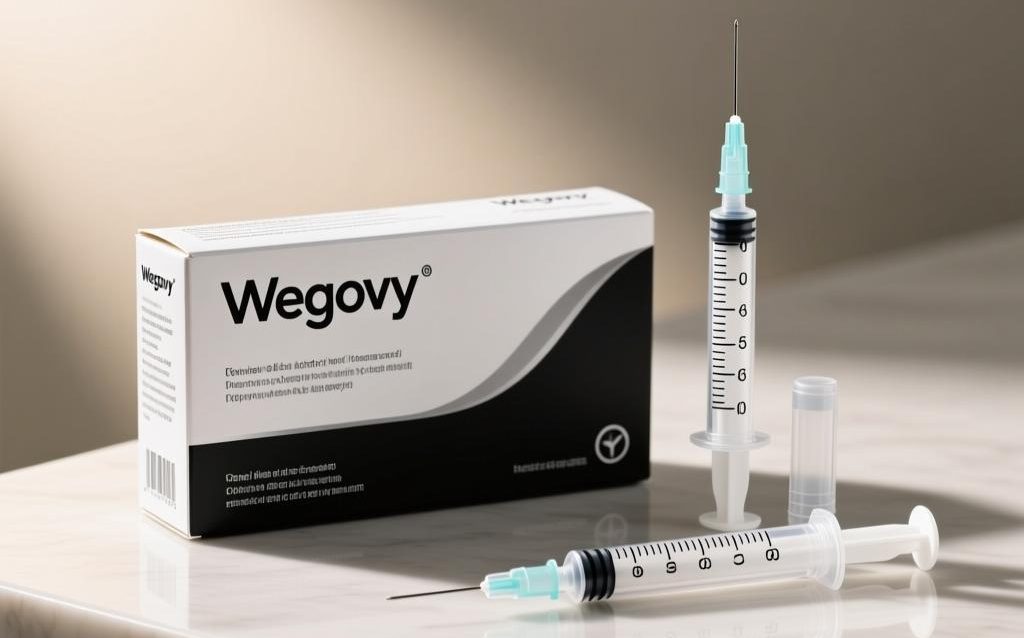
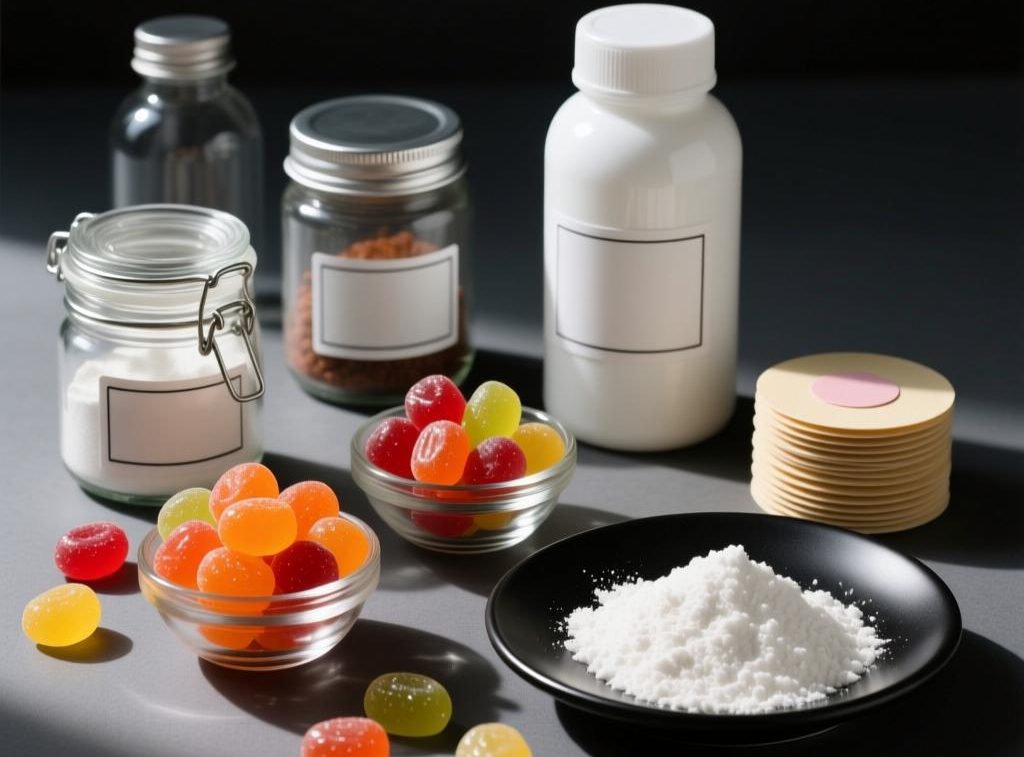
Walk down any pharmacy aisle or scroll through social media for five minutes, and you’ll see them: bottles, gummies, patches, and powders all promising to “melt fat,” “burn belly fat,” or “boost your metabolism overnight.” The weight loss supplement industry is worth billions, and it thrives on one simple hope — that a pill can do the hard work for us.
I can tell you the honest answer is complicated. Some products offer a tiny nudge, many do almost nothing, and a few can genuinely put your health at risk. So let’s roll up our sleeves and separate the facts from the hype.

What Exactly Are Weight Loss Supplements?
Before we judge them, let’s define them. weight loss supplements are products sold over the counter — pills, capsules, gummies, powders, and patches — that claim to help you lose weight through ingredients like herbs, fiber, stimulants, vitamins, or minerals.
They are not medications. In the United States, dietary supplements are regulated as food, not drugs, which means manufacturers don’t have to prove they work before selling them. That single fact explains most of what’s wrong with the industry.
Unlike doctor recommended weight loss medications, which go through years of clinical trials before approval, a supplement can hit store shelves the day after it’s formulated. The burden of proving harm falls on regulators, not the companies selling the products.
Keep that in mind every time you see a bold claim on a label. For a deeper look at what’s actually available, this review of weight loss pills on the market breaks down the major categories.
The Popular Ingredients — And What Science Actually Says
Most supplements rely on the same rotating cast of ingredients. Here’s a quick, honest scorecard of the most common ones:
| Ingredient | The Claim | What Research Shows |
|---|---|---|
| Caffeine | Boosts metabolism and fat burning | Small, short-term effect (roughly 50–100 extra calories a day); tolerance builds quickly |
| Green tea extract | Melts fat naturally | Modest effect at best; high-dose extracts have been linked to liver injury |
| Garcinia cambogia | Blocks fat production | Most rigorous trials show little to no weight loss benefit |
| Glucomannan (fiber) | Fills you up so you eat less | Mild satiety benefit; must be taken with plenty of water |
| Conjugated linoleic acid (CLA) | Reduces body fat | Very small fat changes, often offset by digestive side effects |
| Raspberry ketones | “Miracle fat burner” | No credible human evidence of meaningful weight loss |
Notice a pattern? When research shows anything at all, the effect is usually modest — think two or three pounds over months, not the dramatic before-and-after photos in the ads. That’s a far cry from “transform your body in 30 days.” The National Institutes of Health offers a detailed consumer fact sheet on dietary supplements for weight loss that confirms this overall picture.
Do Any Supplements Actually Work a Little?
To be fair, it’s not all smoke and mirrors. A handful of products have modest evidence behind them, especially when combined with real lifestyle changes. Green coffee bean extract, fiber supplements like glucomannan, and certain probiotic strains have shown small effects in some studies.
And products containing orlistat (the active ingredient in the OTC drug Alli) do block some fat absorption — this nutritionist’s guide to Alli covers how it works and what to expect, including the not-so-fun digestive side effects.
There’s also growing interest in ketone-based products, which claim to mimic the effects of a ketogenic diet. This overview of ketone production and weight management explains the theory — but know that drinking ketones is not the same as your body burning its own fat stores.
Similarly, berberine has been called “nature’s Ozempic” in viral posts; this deep dive into berberine patches for weight loss puts those claims in perspective. The short version: interesting molecule, overblown marketing.
The Gummy Problem
If you’ve spent any time online lately, you’ve probably seen celebrities and influencers promoting weight loss gummies. They look like candy, taste like candy, and are marketed like candy — which is exactly the problem.
Most contain apple cider vinegar, fiber, or B vitamins in doses too small to move the needle. This guide to gummy safety and effectiveness found that many popular brands amount to expensive candy with a health halo.
Brand-specific reviews tell the same story. Analyses of products like Premier Keto Gummies and Elimi Fat gummies consistently find weak ingredient lists, thin evidence, and aggressive auto-ship billing practices. Even CBD products have jumped on the bandwagon — this review of CBD gummies for weight management found little support for the slimming claims. If it sounds too delicious to be true, it probably is.
Patches, Teas, and Other Creative Delivery Systems
The supplement industry loves a novelty. Weight loss patches claim to deliver fat-burning compounds through your skin, but transdermal delivery of most of these ingredients is scientifically dubious. Newer GLP-1 patches are even bolder — this evaluation of GLP-1 patches for weight loss shows why wearing a hormone patch bought online is a bad idea on multiple levels.
Herbal options aren’t automatically safer, either. Herbal teas can be pleasant and mildly diuretic, but this look at herbal tea supplements for weight loss shows that “natural” doesn’t mean “effective” — and some slimming teas have historically contained laxatives.
Multi-level marketing products deserve special caution too; reviews of programs like Arbonne’s 30 Days to Healthy Living suggest you’re mostly paying for branding. And remember fen-phen, the “miracle” diet drug pulled from the market after causing heart damage? The lessons of fen-phen still hang over this entire industry.
Prescription Medications: A Different Conversation Entirely
Here’s where I need to draw a bright line. Over-the-counter supplements and prescription medications are not in the same league. Drugs like semaglutide (Wegovy) and tirzepatide have produced 15–20% body weight reductions in clinical trials — numbers no supplement comes close to touching.
This explanation of how Wegovy works covers the real mechanism: it mimics a gut hormone that regulates appetite, something no pill of green tea extract can do.
The catch? These medications require a prescription, medical supervision, and ideally a plan for keeping weight off afterward — because losing the weight is only half the battle. The National Institute of Diabetes and Digestive and Kidney Diseases offers excellent guidance on choosing a safe weight loss program, and the research is clear that the winning formula is medication plus lifestyle changes, not medication instead of them.
The Safety Problem Nobody Talks About Enough
Now for the part of the article I’d underline in red marker. “Natural” does not mean safe, and the supplement market has a genuine contamination problem. Over the years, the FDA has found hundreds of weight loss products illegally spiked with prescription drugs — including sibutramine (withdrawn for heart risks) and even sildenafil.
You think you’re buying an herb; you’re actually taking an unapproved drug at unknown doses. The FDA maintains a public list of tainted weight loss products worth checking before you buy anything.
Even without contamination, high-dose stimulants can raise your heart rate and blood pressure, green tea extract concentrates have caused liver injury, and fillers can trigger allergic reactions. If you’re already on medication, interactions are a real concern.
And for endurance athletes or anyone combining supplements with exercise, this guide to supplements that enhance weight loss flags how stimulants and training can compound stress on the heart. When in doubt, ask a pharmacist or your doctor before adding anything new.
How to Shop Smarter: A Practical Checklist
If you’re still considering a supplement, at least do it with your eyes open. Here’s the checklist I give my own clients:
- Look for third-party testing — NSF Certified, USP Verified, or Informed Choice seals mean an independent lab checked what’s actually in the bottle.
- Distrust dramatic claims. Phrases like “lose 10 pounds in a week” or “no diet or exercise required” are classic fraud markers, and the FTC actively pursues companies that use them.
- Check the dose against the research. Many products list an ingredient but at a fraction of the amount used in studies.
- Research the company. A quick search for the brand plus “scam” or “complaint” can save you from auto-billing traps.
- Talk to your doctor, especially if you take medication, are pregnant, or have a heart condition.
The Centers for Disease Control and Prevention maintains solid, hype-free resources on achieving a healthy weight, and the National Center for Complementary and Integrative Health has a balanced overview of complementary approaches to weight loss worth reading before you spend a dime.
What Actually Works (Spoiler: You Know This Already)
After all that, here’s the anticlimactic truth: the fundamentals still win. A modest calorie deficit, adequate protein, strength training, good sleep, and stress management outperform every bottle in the supplement aisle — and they’re free of side effects. Sustainable habits beat short bursts of motivation, which is why a plan for weight loss without rebounding beats any crash approach.
Fiber, in particular, is the closest thing to a “legal cheat code” — this piece on the power of fiber explains how it controls hunger and blood sugar at once.
Some structured eating patterns can help too. If you’re curious, this review of intermittent fasting for weight loss covers the honest pros and cons — it works when it helps you eat less, not through magic.
And this doctor’s guide to supplements for fat loss lists the short inventory of products with even partial evidence, which is notably small. For those who want a broader strategy, these supplements to support healthy weight management can play a supporting role — emphasis on supporting.
FAQs
Q: Are weight loss supplements a waste of money?
A: Mostly, yes. The majority of products deliver effects too small to notice, and some deliver nothing but an empty wallet. The few with modest evidence — fiber, caffeine, orlistat — still only work alongside diet and exercise changes. Think of them as a small tailwind, not an engine.
Q: What’s the safest supplement I can try?
A: Soluble fiber like glucomannan or psyllium has the best safety profile and a plausible mechanism (satiety). It’s inexpensive, gentle, and beneficial for cholesterol and blood sugar too. Just take it with plenty of water.
Q: Do detox teas or “teatox” programs work?
A: They mostly make you lose water weight through laxative or diuretic effects, which returns the moment you rehydrate. You’re not losing fat, and relying on laxatives regularly can disrupt your gut and electrolytes.
Q: Can a supplement replace diet and exercise?
A: No. Even the most powerful prescription medications are approved for use with lifestyle changes, not instead of them. Any product claiming otherwise is violating basic physiology — and probably FDA labeling rules too.
Q: How fast can I safely lose weight?
A: One to two pounds per week is the widely recommended pace. Faster loss usually means losing muscle and water along with fat, which slows your metabolism and makes rebound more likely.
Q: Should I tell my doctor I’m taking supplements?
A: Absolutely — and be specific about products and doses. Many supplements interact with blood thinners, antidepressants, blood pressure drugs, and diabetes medications. Your doctor can’t protect you from what they don’t know about.
The Bottom Line
So, do weight loss supplements really work? The honest verdict: rarely much, sometimes a little, and occasionally at a real cost to your health. The industry’s business model depends on blurbs, before-and-after photos, and hope — not on clinical trials.
Your best investment isn’t a bottle; it’s building habits you can keep: reasonable portions, protein at every meal, movement you enjoy, sleep you protect, and patience with the process.
If a supplement ever tempts you, ask one simple question: “Would I still buy this if the label only promised what the evidence shows?” Ninety-nine percent of the time, the answer tells you everything you need to know.