Ever tried opening a jar of pickles and felt a sharp twinge in your knuckles? Or noticed your fingers feel stiff and achy first thing in the morning, almost like they need a “warm-up” before they’ll cooperate?
You’re not alone. As an endocrinologist who talks with patients every day about joints, hormones, and inflammation, I can tell you that finger arthritis often sneaks up quietly—and the earlier you catch it, the easier it is to manage. Let’s walk through what early finger arthritis actually looks like, why it happens, and the simple, practical things you can start doing today.
What Exactly Is Happening Inside Your Fingers?
Your fingers are packed with small joints, and each one is cushioned by cartilage—smooth, slippery tissue that lets bones glide past each other effortlessly. Arthritis is what happens when that cushion starts to wear down or when the joint lining becomes inflamed.
The two most common types are osteoarthritis (the “wear-and-tear” kind) and rheumatoid arthritis (an autoimmune condition where your immune system mistakenly attacks joint tissue). If you’ve ever wondered why your joints hurt, the short answer is usually inflammation, friction, or both.
From an endocrine standpoint, it’s worth knowing that hormones and metabolism play a bigger role in joint health than most people realize. Blood sugar imbalances, thyroid issues, and excess body weight all increase systemic inflammation, which can accelerate cartilage breakdown. That’s why I always look at the whole picture—not just the hand that hurts.
The Early Warning Signs You Shouldn’t Ignore
Early finger arthritis rarely announces itself with dramatic pain. Instead, it whispers. Here’s what to listen for:
- Morning stiffness that fades: Stiffness lasting more than 30 minutes in the morning is a classic early clue. Osteoarthritis stiffness usually eases within 15–30 minutes; rheumatoid stiffness can linger longer.
- Aching after repetitive use: Typing, knitting, gardening, or texting for long stretches leaves your knuckles sore.
- Bony bumps: Small, hard nodules near the finger joints (called Heberden’s or Bouchard’s nodes) often appear in early osteoarthritis.
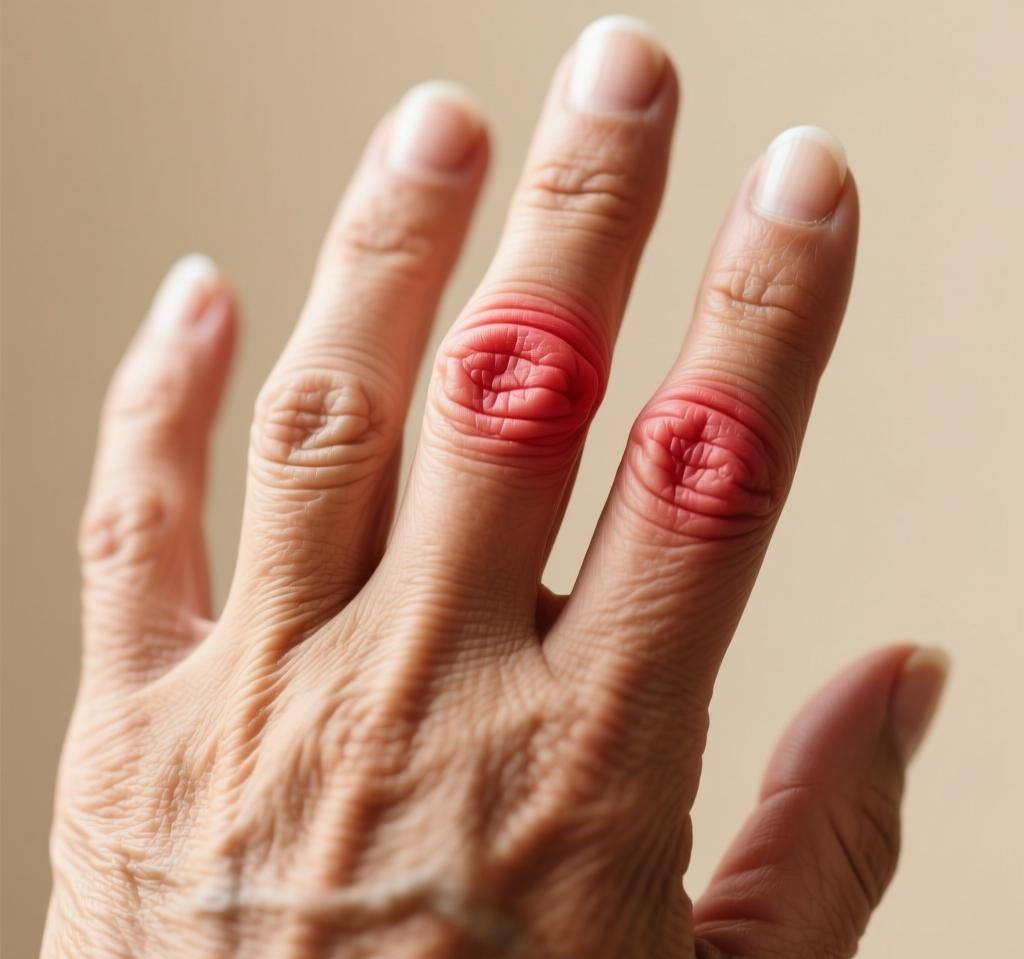
- Mild swelling or warmth: Joints may look slightly puffy or feel tender to the touch—similar to why your feet stay swollen when inflammation is running high elsewhere.
- Reduced grip strength: Jars, doorknobs, and water bottles suddenly feel harder to manage.
- Grinding or clicking sensations: A subtle crunching feeling (crepitus) when bending the fingers.
Here’s a quick reference table to help you compare the two main types:
| Feature | Osteoarthritis (OA) | Rheumatoid Arthritis (RA) |
|---|---|---|
| Onset | Gradual, often after age 50 | Can appear at any age, often 30–60 |
| Morning stiffness | Usually under 30 minutes | Often longer than 30–60 minutes |
| Which joints | End and middle finger joints, base of thumb | Knuckles and wrists, often symmetric |
| Other symptoms | Bony bumps, aching with use | Fatigue, low-grade fever, whole-body achiness |
If your symptoms match the RA column, please see a doctor promptly—early treatment makes a huge difference in preventing joint damage.
Why Your Fingers Often Complain First
Fingers take a beating. They perform thousands of tiny gripping, pinching, and twisting motions every single day, so it makes sense that these small joints wear out before some others do. Women tend to develop finger osteoarthritis more often than men, especially after menopause when estrogen declines—a hormonal connection that’s right in my wheelhouse.
Genetics matter too; if your mother or grandmother had “knobby” finger joints, there’s a decent chance you inherited a predisposition.
Certain conditions also raise your risk. People with metabolic syndrome, diabetes, or gout face higher inflammation loads. If you’ve ever dealt with a gout flare, you know how dramatic joint inflammation can be—and following a gout diet made simple can help keep those flares and overall inflammation in check.
Even winter weather plays a role; many patients report worse stiffness in cold months, and these winter joint pain tips can keep your hands happier when the temperature drops.
Simple Ways to Ease the Discomfort at Home
The good news? You don’t need to run to the pharmacy for everything. Some of the most effective remedies are inexpensive and right at your fingertips (pun intended). These finger joint pain relief tips are the same ones I recommend to my own patients:
- Warm water soaks: Fill a sink with warm water, add a splash of Epsom salt, and soak your hands for 10–15 minutes. Heat relaxes stiff muscles and improves blood flow.
- Paraffin wax baths: A drugstore paraffin bath is a favorite among hand therapists—it delivers deep, soothing warmth.
- Gentle range-of-motion exercises: Make a loose fist, then slowly open your hand and spread your fingers. Repeat 10 times, a few times daily. “Motion is lotion” for joints.
- Compression gloves: Lightweight arthritis gloves worn overnight can reduce morning swelling and stiffness.
- Adaptive tools: Jar openers, ergonomic pens, and foam tubing over utensil handles take stress off sore joints.
- Contrast therapy: Alternate warm and cool water soaks to reduce swelling and improve circulation.
If you want a broader toolkit, this guide on natural ways to ease arthritis pain covers home strategies that work for fingers, knees, and beyond.
And don’t underestimate general movement—research consistently shows that moving more helps aching joints, even when it feels counterintuitive. Low-impact activities like walking, swimming, and tai chi keep joints nourished without overloading them.
What You Eat Matters More Than You Think
As someone who spends a lot of time talking about food and metabolism, I’d be remiss not to mention diet. Joint health and gut health are closely linked, and an anti-inflammatory eating pattern can measurably reduce arthritis symptoms over time.
- Fatty fish and omega-3s: Salmon, sardines, and mackerel contain EPA and DHA, which naturally dial down inflammatory pathways. The evidence for omega-3s and overall health extends well beyond one system—these fats benefit joints, heart, and brain alike.
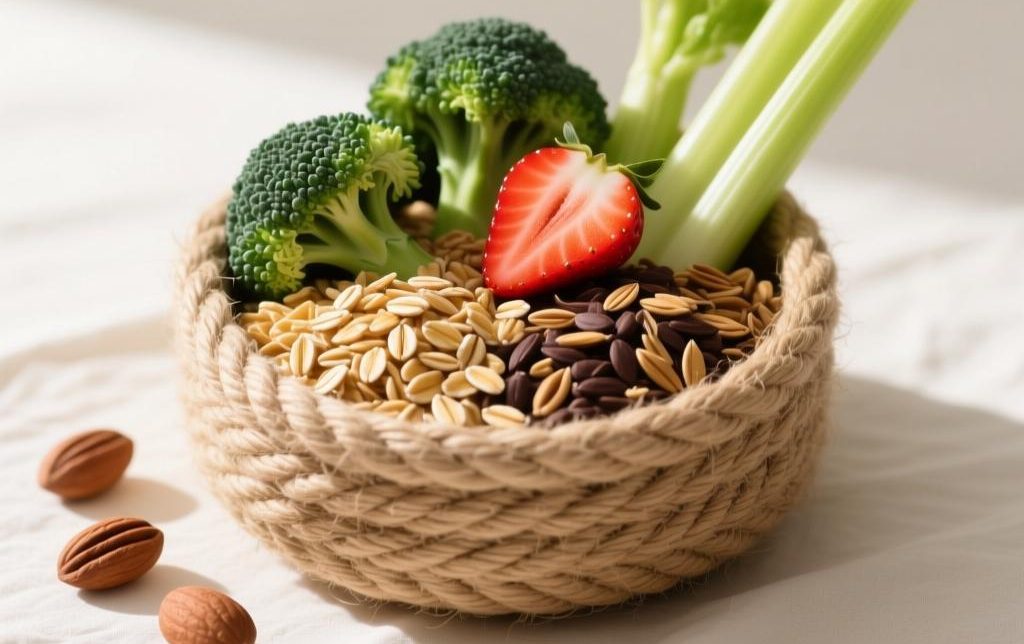
- Fiber-rich foods: Interestingly, higher fiber intake is associated with less joint pain, partly because fiber feeds anti-inflammatory gut bacteria. Learn more about how fiber may ease knee pain and arthritis, and try some of these high-fiber recipes to get started.
- Colorful fruits and vegetables: Berries, cherries, leafy greens, and bell peppers deliver antioxidants that protect cartilage.
- Fish oil supplements: If fish isn’t your thing, studies on fish oil and its potential benefits suggest 1–2 grams of combined EPA/DHA daily can help with joint tenderness.
- Collagen: Early research is promising for collagen peptides supporting cartilage—here’s an honest look at whether collagen really helps your joints.
Weight management deserves its own mention. Every extra pound adds roughly four pounds of force through your joints with each movement, and excess fat tissue actively pumps out inflammatory chemicals.
Understanding what extra weight really does to your body can be a powerful motivator, and even modest changes like walking more steps each day reduce inflammation and joint stress simultaneously.

Could CBD and Other Supplements Help?
Many of my patients ask about cannabidiol (CBD) for joint pain. The research is still evolving, but some studies suggest CBD may modestly reduce pain and inflammation through its interaction with the endocannabinoid system. If you’re curious, start with an overview of CBD’s potential health benefits before spending any money.
For those exploring CBD products specifically for discomfort, options like CBD gummies for pain relief have become popular because they’re easy to dose. Seniors in particular often find gummies convenient—this guide on CBD gummies for seniors covers dosing and safety.
A few important caveats: CBD isn’t regulated like prescription drugs, quality varies wildly between brands, and it can interact with blood thinners and other medications. Always check with your doctor first, and consider following a practical CBD gummies usage guide if you decide to try it. Some patients also find that better sleep quality—which CBD may support—indirectly reduces their pain perception.
What an Endocrinologist Wants You to Know
Here’s where my specialty comes in. Several hormonal factors influence joint health:
- Estrogen decline: After menopause, falling estrogen levels are linked to increased osteoarthritis risk and greater inflammation sensitivity.
- Blood sugar control: Chronically elevated glucose stiffens collagen in cartilage, literally “sugar-coating” joint tissue. Keeping blood sugar steady matters—these simple blood sugar tricks help, as does understanding what’s normal blood sugar after a meal.
- Thyroid function: Both overactive and underactive thyroid can contribute to muscle and joint aches. Unexplained joint pain plus fatigue, weight changes, or cold intolerance deserves a thyroid check.
- Cortisol and stress: Chronic stress keeps inflammation elevated. Managing stress isn’t just good for your mind—it protects your joints too.
If you have diabetes or prediabetes, protecting your joints is one more reason to stay on top of your metabolic health. Diabetes-related joint problems are real, and combining good glucose control with joint-friendly habits gives you the best of both worlds.
When Should You See a Doctor?
Self-care goes a long way, but some situations call for professional evaluation. Make an appointment if you notice:
- Joint pain with visible redness, significant swelling, or warmth (possible inflammatory arthritis or infection)
- Stiffness lasting more than an hour most mornings
- Fingers that are drifting or bending into unusual positions
- Pain that disrupts sleep or daily activities despite home measures
- Symptoms alongside fatigue, unexplained weight loss, or rash (possible autoimmune condition)
Your doctor may order X-rays, blood tests (like rheumatoid factor, anti-CCP antibodies, or inflammatory markers), and possibly a thyroid panel or glucose test given the metabolic connections we discussed. Early intervention with physical therapy, splinting, or medication can prevent years of avoidable discomfort.
For persistent or worsening pain, these joint pain relief tips can complement—but never replace—medical treatment. Similarly, if your pain keeps you from staying active, gentle approaches like the strategies for keeping sore joints happy show that movement and pain management can coexist.
Frequently Asked Questions (FAQs)
Q: Can finger arthritis be reversed?
A: Cartilage damage can’t be fully undone, but early intervention can significantly slow progression and reduce symptoms. Many people manage finger arthritis for decades with minimal limitation.
Q: How do I know if it’s arthritis or just overuse?
A: Overuse soreness fades within a day or two of rest. Arthritis-related stiffness and aching recur consistently, often with morning stiffness and bony changes over time. When in doubt, get checked.
Q: Are cracking knuckles bad for you?
A: Despite the myths, research shows knuckle cracking doesn’t cause arthritis. It’s mostly harmless gas bubbles popping in joint fluid.
Q: What’s the best exercise for arthritic fingers?
A: Gentle range-of-motion exercises, hand therapy putty (soft resistance), and warm-water exercises top the list. Avoid gripping exercises with heavy weights during flares.
Q: Do CBD gummies actually work for arthritis pain?
A: Evidence is mixed but promising for some people. Reviews like this one on CBD gummies for pain and anxiety and this breakdown of low-dose gummies for pain relief can help you understand the options. Start low, go slow, and talk to your doctor about interactions.
Q: Should I use heat or ice for finger arthritis?
A: Heat generally works better for chronic stiffness; ice is better right after overuse or during acute swelling. Many people alternate both.
Q: Does diet really make a difference?
A: Yes. Anti-inflammatory diets rich in omega-3s, fiber, and colorful produce consistently show reduced joint pain in studies, while processed foods and excess sugar worsen inflammation.
Q: Can younger people get finger arthritis?
A: Absolutely. Rheumatoid arthritis often begins between ages 30 and 60, and post-traumatic arthritis can follow a finger injury at any age. Don’t dismiss symptoms just because you’re “too young.”
Final Thoughts
Early finger arthritis is common, manageable, and definitely not a life sentence of pain. Catch it early, protect your joints with smart daily habits, eat an anti-inflammatory diet, keep your metabolism and hormones in balance, and move your body regularly.
Your fingers carry you through everything from buttoning shirts to holding loved ones’ hands—treat them kindly, and they’ll keep working for you for years to come. If your symptoms persist or worsen, don’t tough it out alone; a simple checkup today can save you significant discomfort down the road.