
Your Knees Are Talking — Are You Listening?
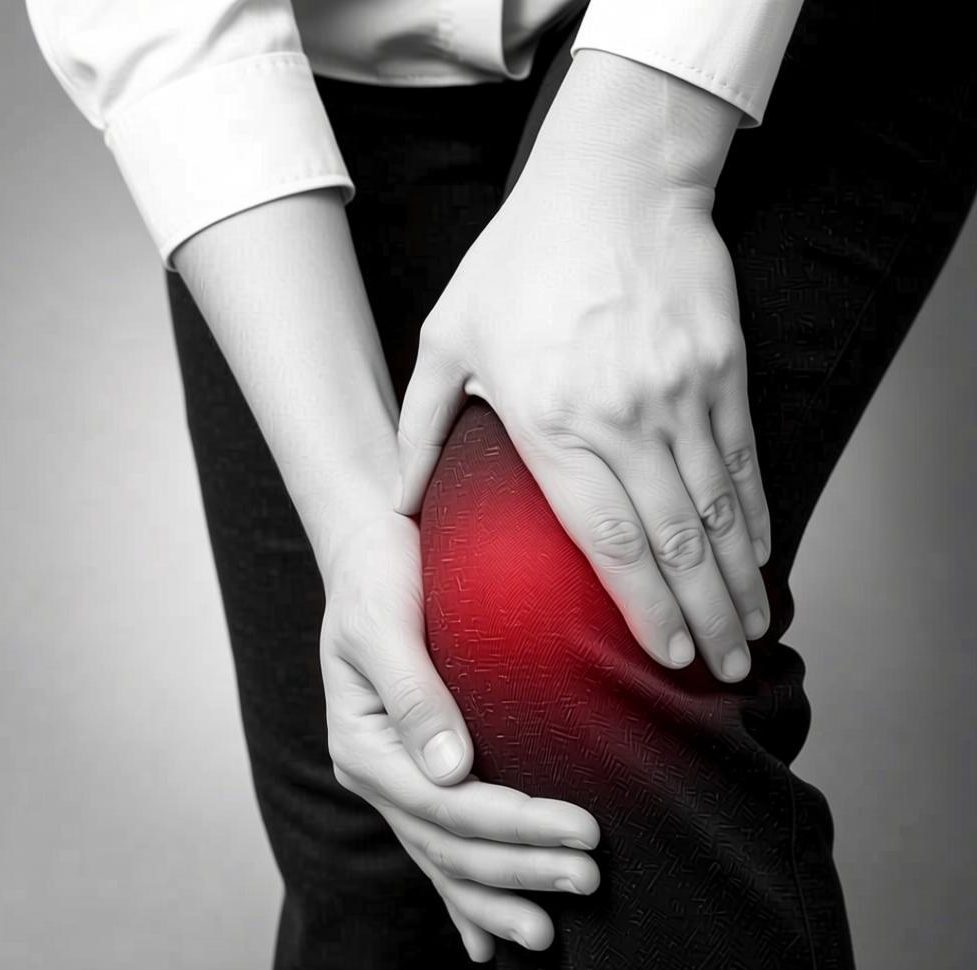
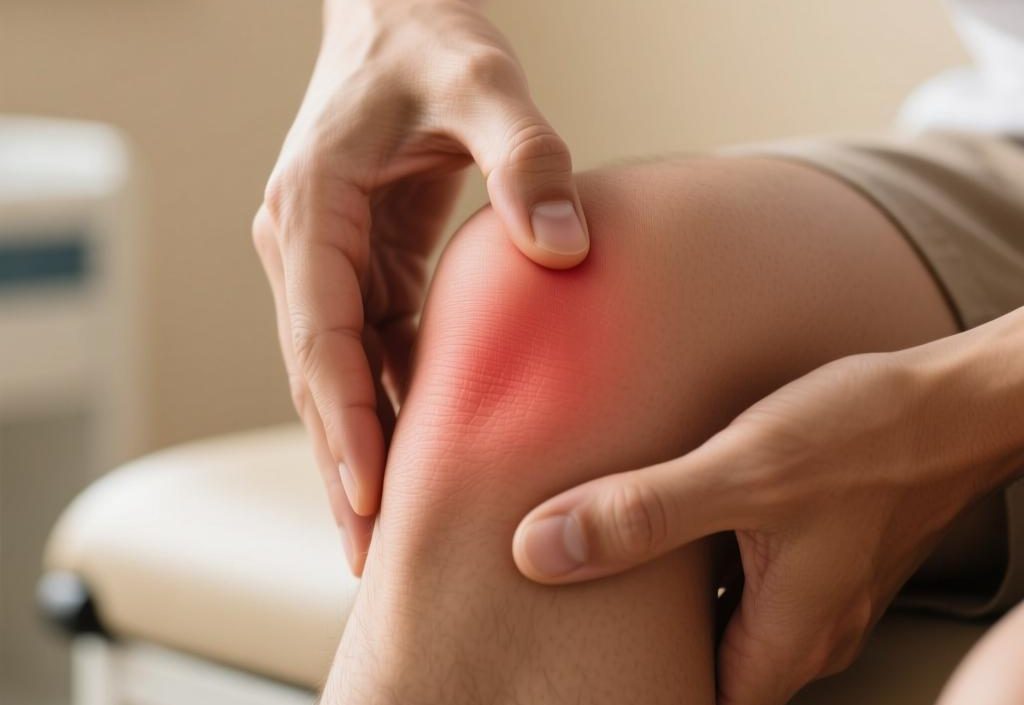
If you’re a runner, you’ve probably been there. You lace up your shoes, head out the door feeling great, and then somewhere around mile two, that familiar ache starts creeping in around your kneecap. Maybe you push through it. Maybe you spend the rest of the day taking the stairs like a robot. Either way, sore knees can turn something you love into something you dread.
Here’s the good news: most knee pain from running isn’t a sign that your knees are “wearing out” or that you need to hang up your running shoes forever. Let’s walk through the most common reasons runners’ knees get grumpy, and more importantly, the simple, practical things you can do to keep them smiling mile after mile.
Why Running Knees Get Grumpy in the First Place
Contrary to popular belief, running itself doesn’t automatically destroy your knees. Research has actually shown that recreational runners tend to have healthier knees over the long run than people who never exercise at all. The problem usually isn’t running — it’s how we run, how much we run, and what we do (or don’t do) around our runs.
Most knee soreness in runners comes down to a handful of everyday culprits:
- Doing too much, too soon. Your heart and lungs adapt to running faster than your tendons, ligaments, and joints. Ramp up your mileage too quickly and your knees pay the bill.
- Weak supporting muscles. Your knees are the innocent bystanders between your hips and your feet. If your glutes and thighs are weak, your knees take on work they weren’t designed for.
- Tight muscles pulling things off track. Tight calves, hamstrings, or IT bands can subtly change how your knee moves with every single step.
- Worn-out or wrong shoes. Running in dead shoes is like driving on bald tires — everything works, until it suddenly doesn’t.
- Slouchy running form. Overstriding, landing hard on a straight leg, or letting your knees collapse inward all add extra stress with every footstrike.
The most common type of runner’s knee pain — that dull ache around or behind the kneecap — is often called “runner’s knee,” and it typically flares up when the kneecap isn’t tracking smoothly in its groove.
The frustrating part? It usually shows up not during your run, but afterward, or when you’re sitting with your knees bent for a long time. Runners often call it “movie theater knee” for exactly that reason.
The Golden Rule: Build Up Slowly (Slower Than You Think)
If I could give every runner one piece of advice, it would be this: patience beats enthusiasm. The classic rule of thumb is to increase your weekly mileage by no more than about 10% per week. That might feel painfully slow when you’re motivated, but your knees will thank you.
Here’s a simple way to think about it. Your cardiovascular fitness improves within days. Your muscles adapt within weeks. But your tendons and joint structures? They can take months to fully adapt to a new workload. When you jump from 10 miles a week to 25, your heart says “let’s go!” while your knees quietly file a complaint.
- Follow the 10% rule — increase weekly mileage gradually, and take a “down week” every fourth week where you cut your volume by 20–30%.
- Don’t stack all your hard days together. Space out long runs and speed sessions with easy days in between.
- Respect the “awkward ache” rule. Mild muscle soreness that fades is normal. Sharp pain, swelling, or pain that changes how you run is a stop sign.
Strengthen the Team Around Your Knees
Here’s a secret most runners miss: strong knees are actually made in your hips and thighs. Your kneecap sits in a groove at the end of your thigh bone, and it’s held in place by muscles above it. If your outer thigh muscles are strong but your inner thighs and glutes are weak, the kneecap gets pulled slightly off track — like a train wheel rubbing against the rail.
You don’t need a gym membership or fancy equipment. Two or three short sessions a week at home can make a noticeable difference within 4–6 weeks. Here are the moves I recommend most often:
- Squats — plain bodyweight squats build your thighs and glutes together. Aim for 2–3 sets of 10–15.
- Glute bridges — lie on your back, feet flat, and lift your hips. These wake up the glutes that stabilize every step.
- Step-ups — step up and down on a low stair or sturdy bench. It mimics running while building control.
- Clamshells — lying on your side with knees bent, open your top knee like a clam. Small move, big payoff for hip stability.
- Calf raises — strong calves absorb shock before it ever reaches your knees.
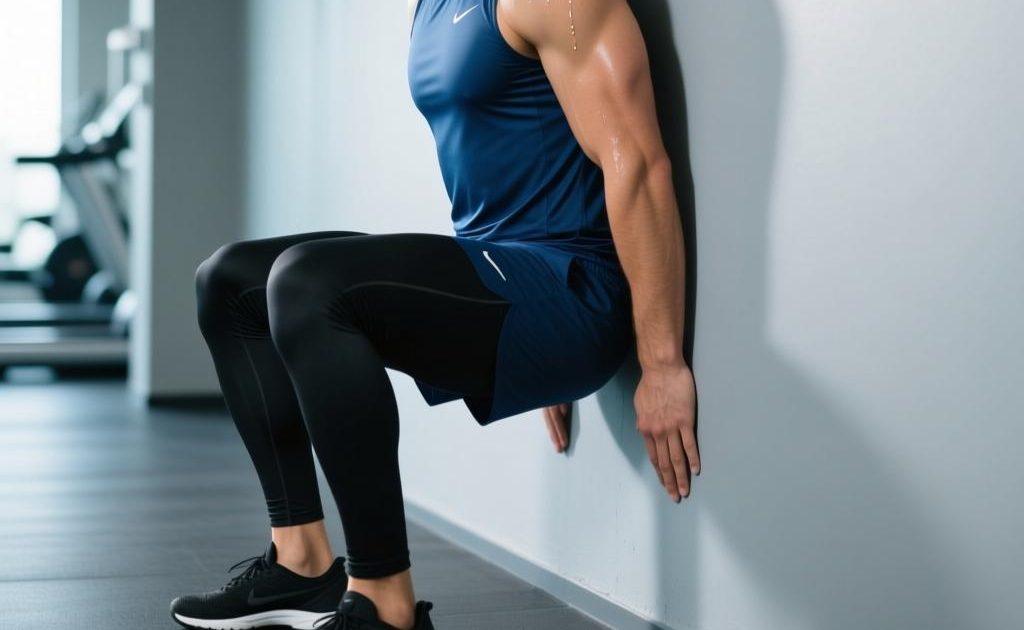
- Wall sits — the classic “chair” hold builds endurance in the exact muscles that support your kneecap.
Don’t forget flexibility. Tight calves and hamstrings change your running mechanics more than most people realize. Five to ten minutes of gentle stretching after your runs — when muscles are warm — keeps everything moving the way it should.
Small Form Tweaks That Make a Big Difference
You don’t need to overhaul your entire running style — that often causes more problems than it solves. But a few small adjustments can dramatically reduce the load on your knees:
- Shorten your stride slightly. Overstriding — landing with your foot far out in front of your body — acts like a brake and sends shock straight up your leg. Aim for your foot to land roughly underneath you, not way out ahead.
- Increase your cadence a little. Counting your steps for 30 seconds and multiplying by two gives you your cadence. Most experts suggest around 170–180 steps per minute. Adding just 5–10 steps per minute naturally shortens your stride and softens your landing.
- Relax and lean slightly forward from your ankles, not your waist. Let gravity do a little of the work.
- Keep your knees tracking over your toes. If your knees cave inward when you run (or when you squat), that’s a sign your hips need strengthening.
One word of caution: change one thing at a time, and change it slowly. Your body needs time to adapt to new movement patterns, just like it needs time to adapt to new mileage.
Your Shoes and the Ground Beneath Your Feet
Shoes are your first line of shock absorption. Running shoes lose their cushioning gradually — so gradually that you often don’t notice until your knees do. Most running shoes last somewhere between 300 and 500 miles, depending on your body weight, running style, and the shoe itself.
Here’s a quick reference guide to keeping your footwear and surfaces knee-friendly:
| Factor | Knee-Friendly Choice | What to Watch Out For |
|---|---|---|
| Shoe age | Replace every 300–500 miles | Worn soles, compressed midsole creases, new aches “for no reason” |
| Shoe fit | Thumb’s width of space at the toe; snug heel | Blisters, black toenails, numbness — all signs of poor fit |
| Shoe type | Comfortable, well-cushioned shoe from a specialty running store | Chasing trends; ultra-minimal or maximal shoes changed too quickly |
| Running surface | Rotate between pavement, trails, and tracks | Same cambered road every day (the slight tilt stresses one knee) |
| Daily shoes | Supportive everyday shoes too! | Spending all day in flat, unsupportive flip-flops or old sneakers |
And here’s a tip nobody tells you: write the date you started wearing a new pair of running shoes on the heel with a marker. When your knees start complaining, check the date first — it’s often that simple.
Rest, Recovery, and the Art of Listening to Your Body
Runners are famously bad at resting. We’d rather run through discomfort than take a day off. But recovery isn’t the absence of training — it’s part of training. That’s actually when your body rebuilds itself stronger.
Rest doesn’t mean becoming a couch potato, either. If your knees are a bit sore, try “active recovery” instead:
- Swap a run for a swim or bike ride — you keep your fitness while giving your knees a break from impact.
- Ice sore knees for 15–20 minutes after runs when they’re feeling cranky.
- Elevate and gently move — easy leg swings and gentle knee bends keep things mobile without stress.
- Prioritize sleep. Growth hormone released during deep sleep is what repairs your tissues. Skimping on sleep is skimping on recovery.
- Stay on top of hydration and protein. Your body repairs with the raw materials you give it.
The two-day rule is a handy tool: if a knee ache sticks around for more than two runs in a row, or is getting worse instead of better, it’s time for a few rest days — and possibly a professional opinion.
When Sore Knees Need More Than Home Care
Let me be clear: most runner’s knee pain improves with the simple strategies above. But as a doctor, I’d be doing you a disservice if I didn’t tell you when to get checked out. Please see a healthcare professional if you experience any of the following:
- Pain that’s sharp, severe, or came on suddenly during a run
- Visible swelling, or a knee that feels unstable, locks, or “gives way”
- Pain that persists for more than two weeks despite rest
- Knee pain that wakes you at night or affects your daily walking
- A knee that looks red and feels hot to the touch
- Any pain after a fall, twist, or direct blow to the knee
Getting checked isn’t a sign of defeat — it’s smart training. Catching a small issue early usually means a quick fix, while ignoring it can turn a two-week problem into a two-month one.
Your Happy-Knee Action Plan
Let’s put it all together. If your knees have been grumbling lately, here’s your game plan:
- Step 1: Take 2–3 easy days (or cross-training days) to let the irritation settle.
- Step 2: Check your shoes — how many miles are on them?
- Step 3: Restart running at a slightly lower volume than where you left off, building back up gradually.
- Step 4: Add two short strength sessions per week focusing on glutes, thighs, and calves.
- Step 5: Make one small form tweak — slightly shorter stride or slightly faster cadence.
- Step 6: Warm up before runs with a few minutes of walking and dynamic moves, and stretch gently afterward.
Remember: consistency with small habits beats occasional heroic efforts. Ten minutes of strength work twice a week will do more for your knees than any gadget, brace, or miracle supplement.
Frequently Asked Questions
Will running ruin my knees eventually?
No — and this is one of the biggest myths in exercise. Long-term studies have found that recreational runners actually have lower rates of knee arthritis than sedentary people.
The key word is “recreational.” Moderate, consistent running with sensible training loads appears to protect joint health, not harm it. Problems usually come from sudden big jumps in training, not from running itself.
Should I run through knee pain?
Use the traffic light system. Green: mild awareness or dull ache that fades within the first mile and doesn’t worsen — generally okay to continue cautiously. Yellow: pain that persists during your run or changes your form — cut the run short, rest a few days, and reassess.
Red: sharp pain, swelling, instability, or limping — stop running and get it evaluated. When in doubt, rest. You lose far less fitness from three rest days than from three months of running on an angry knee.
Do knee braces or kinesiology tape actually help?
They can, for some people. A simple knee sleeve or patellar strap may reduce discomfort by providing warmth, support, and a bit of feedback about how your knee is moving.
But — and this is important — braces manage symptoms; they don’t fix causes. If you find yourself unable to run without one, that’s a sign the underlying strength, form, or training-load issue still needs addressing.
Is it better to run on a treadmill or outside for my knees?
Neither is automatically better. Treadmills offer slightly softer, perfectly flat cushioning, which some knees appreciate. Outdoor running offers varied terrain and natural strength challenges.
The biggest mistake is doing all your running on exactly one surface in one direction. If possible, mix it up — and if you always run on the side of a cambered road, switch sides (safely) or find a flatter route.
How long does runner’s knee take to heal?
With proper rest, strengthening, and a gradual return, most runners feel significant improvement within 2–6 weeks. Mild cases may settle in days; stubborn cases that have been brewing for months can take longer. The biggest predictor of recovery time? How consistently you do your strengthening exercises and how honestly you respect your training load during the return.
Can stretching alone fix my knee pain?
Rarely. Stretching tight calves, hamstrings, and hip muscles certainly plays a supporting role, but research consistently shows that strengthening — especially the hips and thighs — is the most effective exercise-based treatment for runner’s knee. Think of stretching as the side dish and strength work as the main course.
I’m a heavier runner — should I avoid running altogether?
Absolutely not, but a smarter approach helps. Start with a walk-run program (alternating walking and easy jogging), prioritize strength training to prepare your legs, keep early runs short and soft-surfaced, and let comfort — not a training plan you found online — set your pace.
Many runners have successfully built up from walk-run programs to marathons. Your knees care about how you progress, not the number on the scale.
Run Happy, Run Long
Knee pain doesn’t have to be the price of admission for the sport you love. In most cases, a combination of sensible mileage, stronger hips and thighs, good shoes, and a little patience is all it takes to get back to pain-free miles. Your knees have carried you this far — give them a little support, and they’ll happily carry you much, much farther.
Lace up, warm up, and head out there. Your knees are ready when you are.