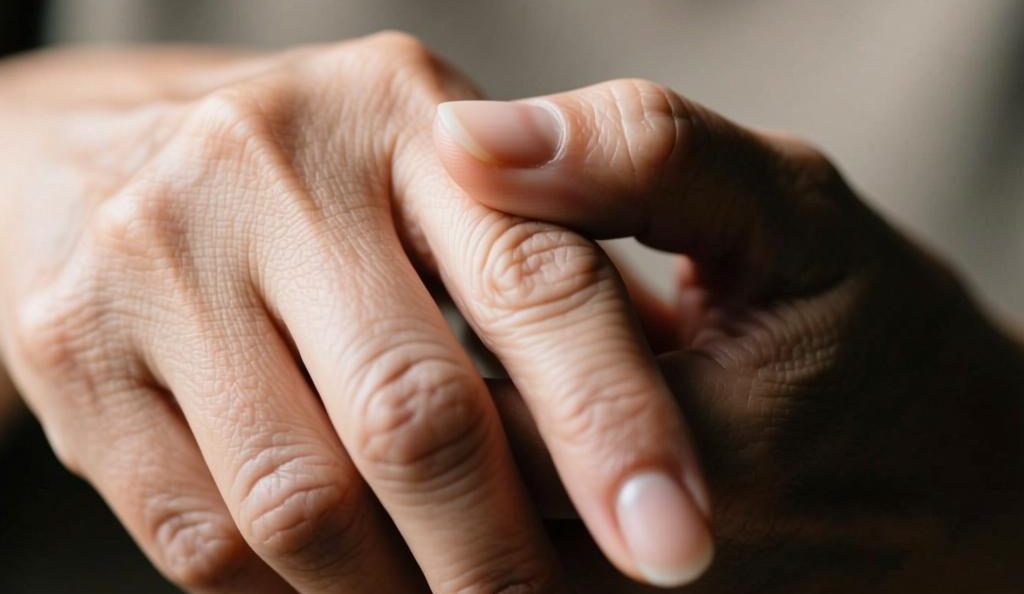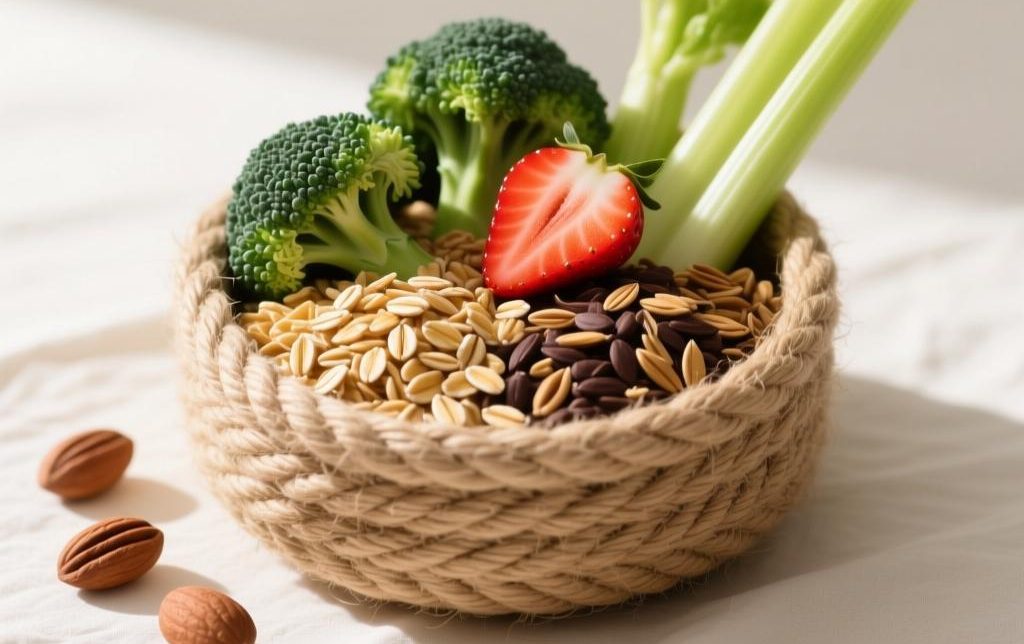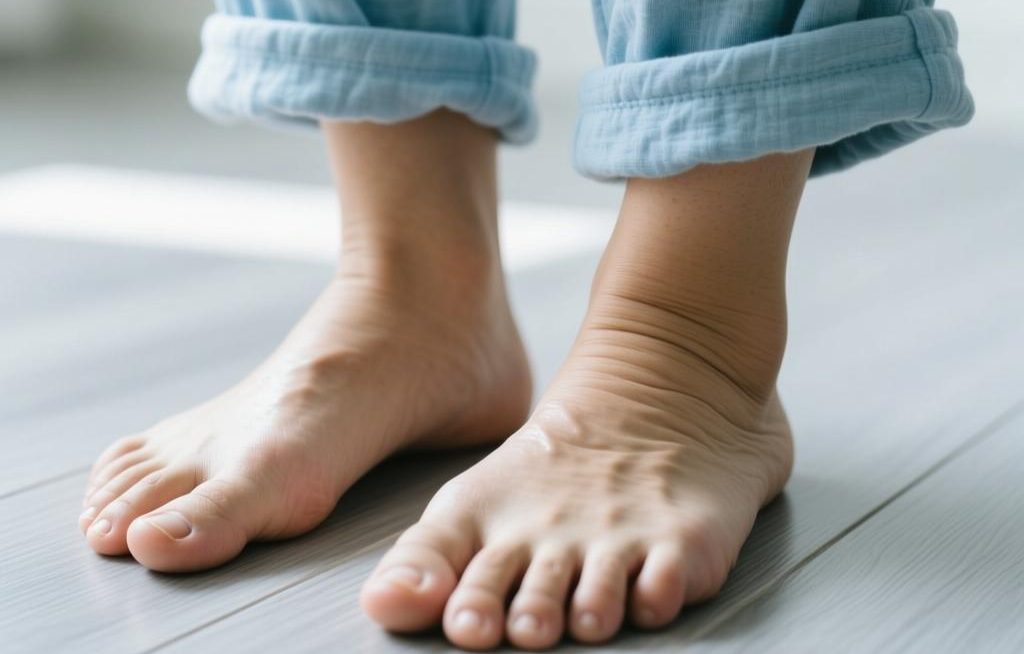
When the temperature drops, do your knees, fingers, or hips start complaining? You’re not imagining it. Many people notice their joints ache more in cold weather, and there’s real science behind it.
As winter settles in, a few simple changes to your daily routine can make a huge difference in how your joints feel. Let’s talk about why cold weather bothers your joints and—more importantly—what you can actually do about it.
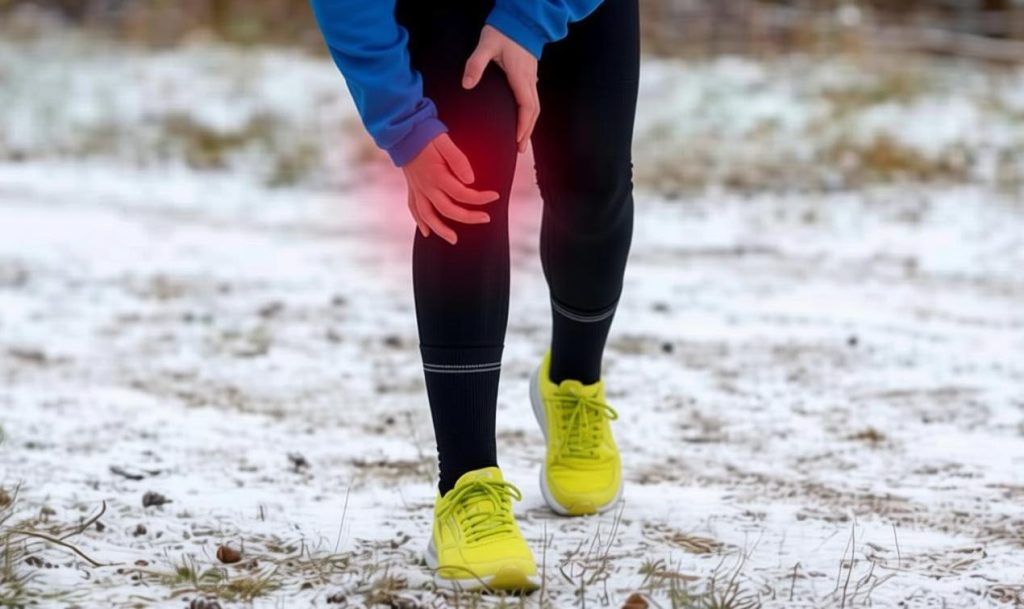
Why Do Joints Hurt More When It’s Cold?
Before we jump into solutions, it helps to understand what’s going on. While researchers are still debating the exact mechanisms, several theories explain the cold-weather connection:
- Barometric pressure changes: When winter weather rolls in, air pressure drops. This can allow tissues around your joints to expand slightly, pressing on nerves and causing discomfort.
- Thicker synovial fluid: The natural “lubricant” inside your joints can become more viscous in the cold, making joints feel stiff and creaky.
- Tight muscles: Cold temperatures cause muscles to tense up, which pulls on joints and reduces your range of motion.
- Less movement: We naturally become more sedentary in winter, and stiff joints that don’t move get stiffer still. In fact, moving more is one of the best medicines for aching joints—especially when the weather makes you want to hibernate.
People with arthritis, old injuries, or naturally sensitive joints tend to feel these effects the most. But even healthy joints can feel the winter blues.
Keep Warm: Your First Line of Defense
This one sounds obvious, but it’s the most overlooked. Warmth keeps blood flowing to your joints and keeps muscles loose.
- Dress in layers and pay special attention to hands, knees, and feet—gloves, knee sleeves, and warm socks are cheap and effective.
- Warm your car and home before heading out; stepping into biting cold shocks stiff joints.
- Take warm baths or showers in the morning to loosen up before the day starts. A heating pad on sore spots for 15–20 minutes works wonders too.
Think of warmth as “pre-lubricating” your joints before you ask them to work.
Stay Moving—Even When the Couch Is Calling
Winter makes us sluggish, but movement is literally the nourishment your cartilage needs. Joint cartilage has no blood supply of its own; it depends on motion to circulate nutrients. If you’re wondering what actually helps ease joint pain day to day, these simple tips that work are a great place to start:
- Low-impact cardio: Walking indoors (malls are great in winter), swimming in a heated pool, or cycling on a stationary bike.
- Stretching: Five to ten minutes of gentle stretching every morning reduces stiffness for the rest of the day.
- Strength training: Stronger muscles act as shock absorbers for your joints. If your knees are your trouble spot, learning simple ways to keep them happy—like strengthening your quads and glutes—pays off enormously.
- Break up sitting: Stand and move for a few minutes every hour. Stiffness multiplies when joints stay locked in one position.
The key word is gentle consistency. You don’t need heroic workouts; you need regular, kind movement.
Eat for Your Joints: Winter Nutrition That Helps
What’s on your plate matters more than most people realize. Inflammation is the engine behind most joint pain, and your diet can either fuel it or fight it.
| Eat More Of | Eat Less Of |
|---|---|
| Fatty fish (salmon, sardines) — omega-3s fight inflammation | Fried and heavily processed foods |
| Colorful vegetables and fruits | Sugary snacks and sodas |
| Nuts, seeds, and olive oil | Refined carbs (white bread, pastries) |
| Warm, hearty soups with bone broth | Excess alcohol |
A few nutrition notes worth highlighting:
- Fiber matters. Research suggests that people who eat more fiber have less knee pain and arthritis progression. Here’s what the science says about fiber, knee pain, and arthritis—and winter comfort foods like beans, lentils, and oatmeal make it easy to get enough.
- Collagen. Your joints are built from collagen, and some studies suggest collagen supplements may ease joint discomfort. Curious? Read about whether collagen really helps your joints.
- Watch the gout trigger foods. If your “joint pain” is actually gout—which flares more in winter—rich foods and alcohol can set it off. This simple gout diet guide explains what to enjoy and what to skip.
- Vitamin D. Sunlight is scarce in winter, and low vitamin D is linked to more musculoskeletal aches. Ask your doctor about a supplement, especially if you rarely get outside.
Manage Arthritis Flares Before They Manage You
If you have arthritis, winter can feel like a yearly test of patience. The good news: home strategies genuinely work when used together. You don’t have to rely on medication alone. These 11 natural ways to ease arthritis pain at home include warm compresses, gentle exercise, Epsom salt baths, and mind-body techniques like deep breathing.
And don’t underestimate motion even during a flare. It sounds counterintuitive, but carefully chosen activity can reduce pain rather than worsen it. If you’ve ever thought “rest is best” for aching joints, you might be surprised—learn why moving more might be exactly what your aching joints need.
Small Joint Care Habits with Big Payoffs
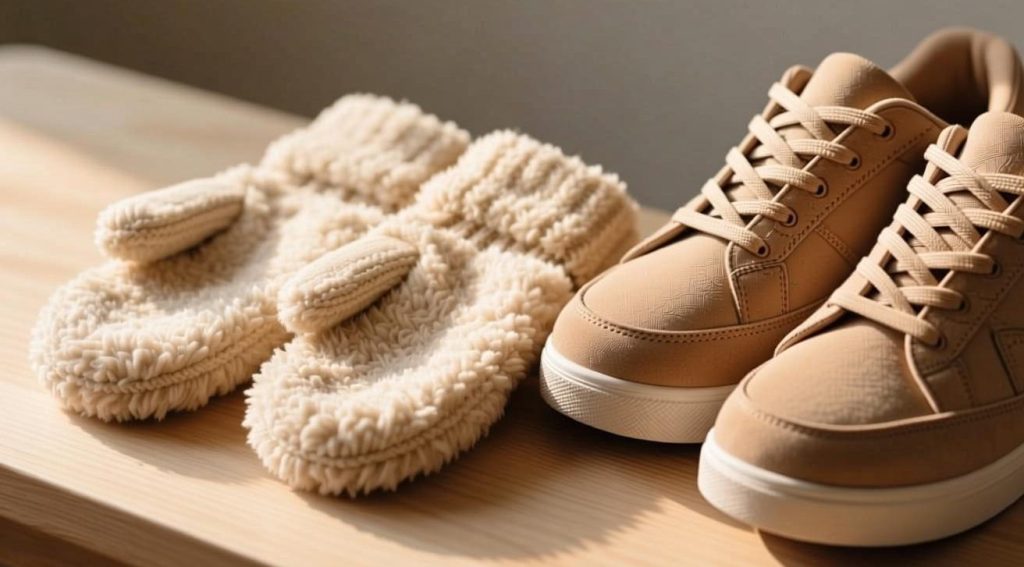
- Protect your hands: Use jar openers, ergonomic grips, and warm gloves when doing outdoor chores. Finger joints take a beating in cold weather, and there are specific relief tips for finger joint pain worth trying.
- Support your feet: Good, cushioned footwear matters year-round, but icy sidewalks make proper shoes even more important—both for joint shock absorption and fall prevention.
- Hydrate: We drink less water in winter, and dehydrated tissues ache more. Warm teas count!
- Sleep well: Poor sleep amplifies pain perception. Keep your bedroom warm and consider a heated mattress pad for stiff mornings.
- Maintain a healthy weight: Every extra pound adds roughly four pounds of force on your knees. Winter comfort eating plus reduced activity is a recipe for joint overload—small, steady habits beat crash diets every time.
When to See a Doctor
Most winter joint aches are manageable at home, but see a healthcare provider if you notice:
- Swelling, redness, or warmth around a joint
- Pain that lasts more than a few weeks or keeps getting worse
- Joint pain with fever or unexplained fatigue
- Sudden, severe pain in a big toe or knee (possible gout)
- Difficulty doing everyday tasks like walking, gripping, or climbing stairs
If you’re not sure what’s behind your symptoms, this friendly guide to the causes of joint pain and relief options can help you frame the right questions for your appointment. And if your knees specifically are the problem, understanding why knees hurt and what’s going on is the first step toward targeted treatment.
For feet that ache or burn with nerve pain in cold weather, deep tissue therapy is one option that has helped many people find relief.
A Sample Winter Joint-Friendly Day
Sometimes it’s easier to see everything in action. Here’s what a joint-friendly winter day might look like:
| Time | Action |
|---|---|
| Morning | Warm shower, 5–10 minutes of gentle stretching, warm breakfast with oatmeal and berries |
| Midday | 15–20 minute indoor walk after lunch; stand up every hour at your desk |
| Afternoon | Strength exercise (sit-to-stands, wall push-ups) + a cup of green tea |
| Evening | Inflammation-fighting dinner (salmon or lentil soup), heating pad on sore joints if needed |
| Bedtime | Warm room, good pillow support, 7–8 hours of sleep |
None of these steps is dramatic on its own. Together, they change how your joints feel from week to week.
Frequently Asked Questions
Q: Does cold weather actually damage joints, or just make them hurt?
A: Cold weather doesn’t damage joints—it mostly affects pain perception, tissue stiffness, and fluid viscosity. However, being less active in winter can lead to muscle loss and weight gain, which do stress joints over time.
Q: Is it better to use heat or ice for winter joint pain?
A: For chronic stiffness and cold-related aches, heat usually wins—it relaxes muscles and improves blood flow. Ice is better for acute injuries or a hot, swollen, freshly inflamed joint.
Q: Can I exercise outside in the cold if my joints hurt?
A: Yes, with preparation: warm up indoors first, dress in layers, wear shoes with good traction, and choose lower-impact activities. If pain spikes, move your routine indoors.
Q: Do supplements like glucosamine, collagen, or omega-3s really work?
A: The evidence is mixed but promising for some. Omega-3s have solid anti-inflammatory support; collagen and glucosamine show modest benefit in some studies. Talk to your doctor before starting anything new, especially if you take blood thinners.
Q: Why do my joints hurt worse at night in winter?
A: Cooler nighttime temperatures, stillness during sleep, and lower cortisol (your body’s natural anti-inflammatory hormone dips overnight) all combine to make evenings and mornings stiffer.
Q: When should I worry about joint pain?
A: Seek medical care for joint swelling, redness, fever, severe sudden pain, or pain that limits your daily life and doesn’t improve after a few weeks of home care.
The Bottom Line
Winter doesn’t have to mean months of aching joints. Warm up, keep moving gently, eat anti-inflammatory foods, and take care of the small stuff—sleep, hydration, weight, and footwear. Most people notice meaningful improvement within a few weeks of consistent habits.
And if your pain persists or worsens, don’t tough it out silently; a proper diagnosis puts you on the fastest path to relief. Your joints carried you through every season of your life—give them a little extra kindness this winter, and they’ll return the favor.