Ever felt like you were riding a rollercoaster, but the only thing going up and down was your energy? One moment you’re fine, an hour after lunch you can barely keep your eyes open, and by 4 p.m. you’re raiding the vending machine. That rollercoaster is often your blood sugar at work.
Here’s the thing: blood sugar spikes aren’t just a concern for people with diabetes. When your levels jump too high too fast, your body releases a surge of insulin, and what goes up must come down, often crashing hard. Over time, these repeated spikes and crashes can leave you tired, cranky, hungry all the time, and frankly, they’re not doing your long-term health any favors either.
The good news? You don’t need a perfect diet or a chemistry degree to smooth things out. Small, everyday tweaks, like the ones in this list of simple tricks, can make a real difference. Let’s dig into nine of the easiest ones.
1. Start Your Day with Protein, Not Pastries
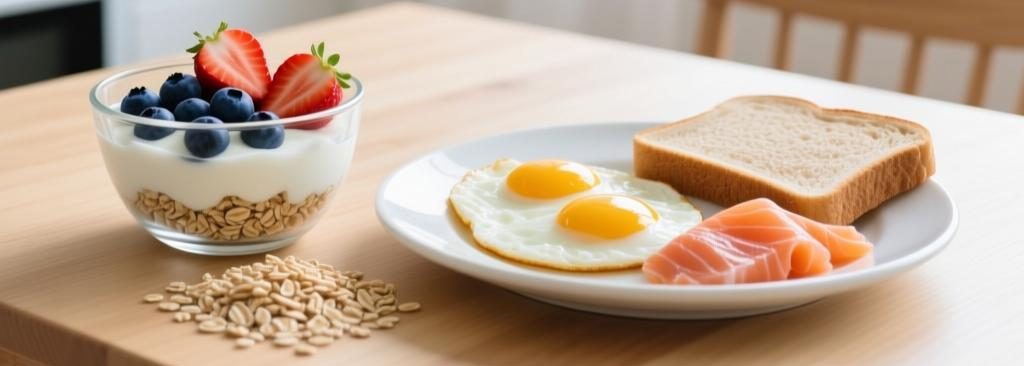
Breakfast sets the tone for your entire day, metabolically speaking. A sugary start, think donuts, sweetened cereals, or even a big glass of orange juice on an empty stomach, sends your blood sugar shooting up before you’ve even hit your morning commute.
Protein is different. It digests slowly, keeps you fuller for longer, and barely nudges your glucose at all. Even a simple breakfast swap can change how your body handles the whole morning.
- Eggs, any style, are a cheap and easy win
- Greek yogurt with nuts instead of sugary granola
- Leftover dinner works too — nobody’s judging
- A protein smoothie with berries, not banana-heavy
Aim for 20 to 30 grams of protein at breakfast, and watch how much steadier your mid-morning energy feels.
2. Eat Your Veggies First (Yes, Order Matters)
This one surprises people: the order in which you eat your food can change how your body reacts to it. Studies have shown that eating vegetables and protein before carbohydrates can significantly reduce the post-meal glucose spike.
Why? Fiber and protein form a bit of a “grid” in your stomach that slows down how quickly sugar from the carbs hits your bloodstream. It’s like adding speed bumps on a highway.
So next time dinner lands, hit the salad or broccoli first, then the chicken, and save the rice or bread for last. If you’re curious about the numbers, this guide on blood sugar after a meal breaks down what’s normal and what’s not.
It costs nothing, requires no special foods, and might be the single easiest hack on this list.
3. Take a 10-Minute Walk After Meals
Your muscles are glucose-hungry machines, and they don’t need a gym membership to work. A short, casual walk after eating, even just 10 minutes around the block or up and down the hallway, helps your muscles soak up sugar from your bloodstream without needing as much insulin.
Researchers have nicknamed post-meal strolls “exercise snacking,” and the nickname fits: little bites of movement spread through the day can be just as effective as one long workout session for glucose control. After dinner is an especially good time, since that’s typically the biggest meal (and biggest spike) of the day for most people.
Can’t walk? Even light housework, washing dishes, folding laundry, standing while you scroll your phone, beats plopping onto the couch right after eating.
4. Fill Half Your Plate with Fiber
Fiber is the unsung hero of steady blood sugar. It slows digestion, feeds your gut bacteria, and keeps glucose from flooding your system all at once. Most people get barely half the fiber they need each day, which is a shame because it’s one of the most powerful tools for keeping things steady.
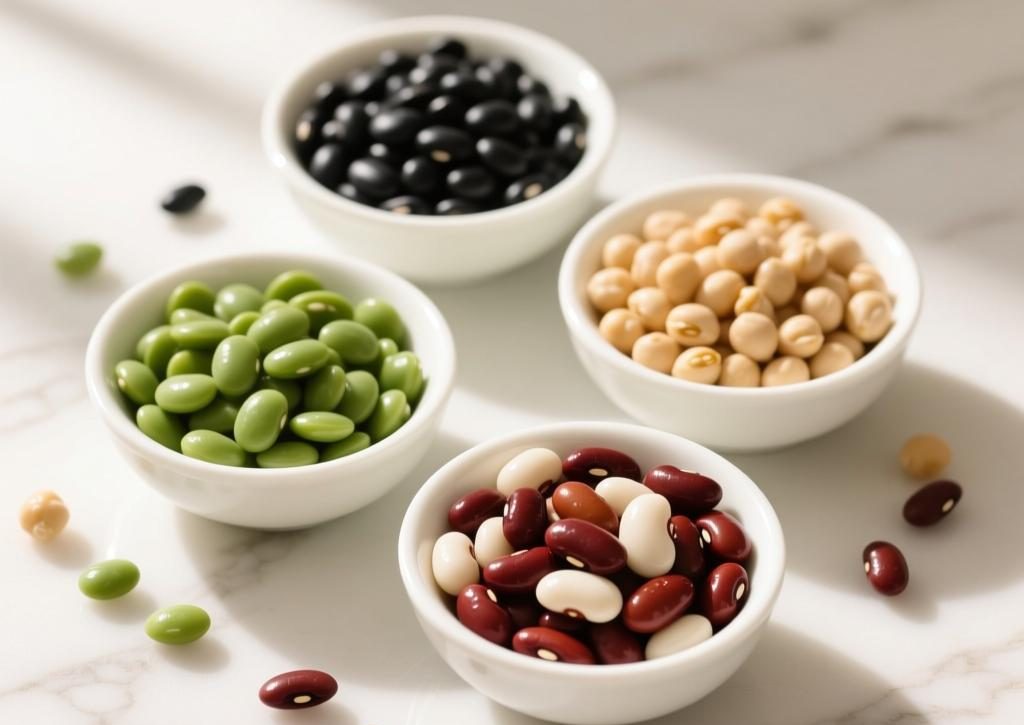
Beans deserve a special shout-out here. They’re packed with both fiber and protein, and research suggests they can genuinely help lower blood sugar over time. If you’re looking for meal inspiration, there are plenty of high-fiber recipes that don’t taste like punishment.
Easy upgrades: swap white rice for lentils half the time, leave the skin on your potatoes, and choose whole fruit over juice whenever possible.
5. Never Eat “Naked” Carbs
Here’s a rule worth taping to your fridge: don’t let carbs travel alone. Eating carbohydrates by themselves — a plain bagel, a bowl of pasta with nothing else, a slice of toast solo — is the fastest route to a spike. Pair them with protein, fat, or fiber, and the whole ride gets gentler.
| Instead of This (Naked Carb) | Try This (Paired Plate) | Why It Works |
|---|---|---|
| Plain toast with jam | Toast with peanut butter | Protein and fat slow absorption |
| Fruit juice | Whole apple with cheese | Fiber intact, plus fat to buffer |
| Plain baked potato | Potato with Greek yogurt | Protein blunts the glucose rise |
| Rice-only bowl | Rice with chicken and veggies | Fat, fiber, and protein together |
And no, fruit isn’t the enemy. In fact, there are delicious fruits that keep your glucose happy, especially when you eat them whole rather than juiced.
6. Rethink What You Drink
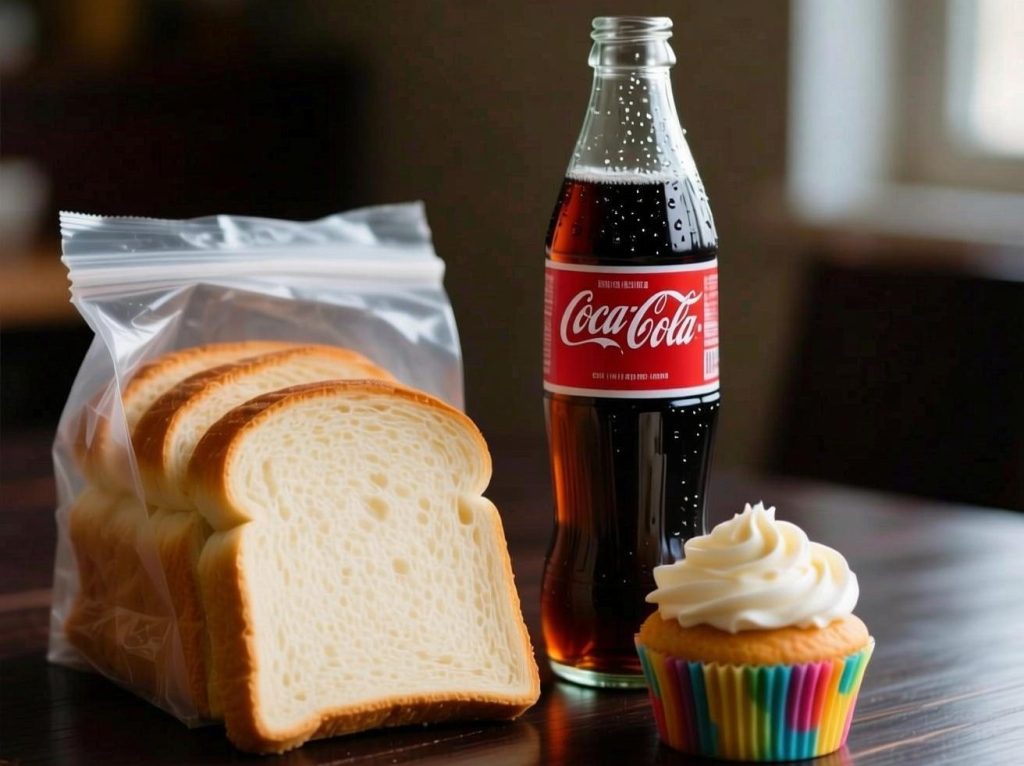
Liquid sugar is sneaky. Sodas, sweetened coffees, energy drinks, and yes, fruit juices, hit your bloodstream fast because there’s no fiber or chewing to slow them down. A single large sweetened drink can contain more sugar than your body should ideally handle in an entire day.
The fix is boring but powerful: make water your default. Sparkling water with a squeeze of lemon, unsweetened tea, or plain coffee all leave your blood sugar blissfully alone. If you’re a soda devotee, don’t go cold turkey overnight — swap one drink a day for water and build from there. Within a couple of weeks, most people stop missing the sweet stuff as much as they expected.
7. Tame Stress and Guard Your Sleep
This one catches a lot of people off guard: you can eat perfectly and still see spikes if you’re chronically stressed or running on five hours of sleep. Stress hormones like cortisol actively raise blood sugar — it’s your body’s ancient “fuel up for danger” response. The problem is your body can’t tell the difference between a lion chase and a deadline crunch.
Sleep deprivation does something similar, making your cells less responsive to insulin the next day. So a bedtime routine and a few minutes of daily stress relief aren’t luxuries; they’re glucose management.
Deep breathing, a short walk, calling a friend, whatever genuinely drains the tension out of your shoulders counts. If you already have diabetes or prediabetes, stress and sleep deserve just as much attention as your plate.

8. Build Some Muscle
Muscle is your body’s biggest glucose sponge. The more muscle mass you carry, the more sugar your body can pull out of the bloodstream and store safely, even while you’re binge-watching your favorite show. This is why strength training, just two or three sessions a week, has such an outsized effect on long-term glucose control.
You don’t need to become a bodybuilder. Bodyweight squats, push-ups against the counter, resistance bands while watching TV — it all counts. And here’s a bonus: muscle also supports a healthier metabolism overall, which pays dividends far beyond your blood sugar levels.
Start where you are. Ten minutes today beats an imaginary hour-long routine you keep postponing.
9. Snack Smart, Not Often
Grazing all day might feel harmless, but every snack is another chance for a mini-spike, especially if you’re reaching for crackers, chips, or “healthy” granola bars that are basically cookies in disguise. Your body genuinely benefits from breaks between meals.
When you do snack, make it count:
- A handful of nuts — almonds, walnuts, pistachios
- Cheese with a few whole-grain crackers
- Hummus with cucumber or bell pepper strips
- Hard-boiled eggs (make a batch on Sunday)
- Apple slices with a smear of nut butter
Got a serious sweet tooth? You don’t have to white-knuckle it forever. There are desserts you can enjoy without sending your glucose into orbit — it’s about smarter ingredients and reasonable portions, not total deprivation. And if you’re tempted by the supplement aisle, here’s an honest look at whether supplements can help keep things in check.
Frequently Asked Questions
How do I know if my blood sugar is spiking?
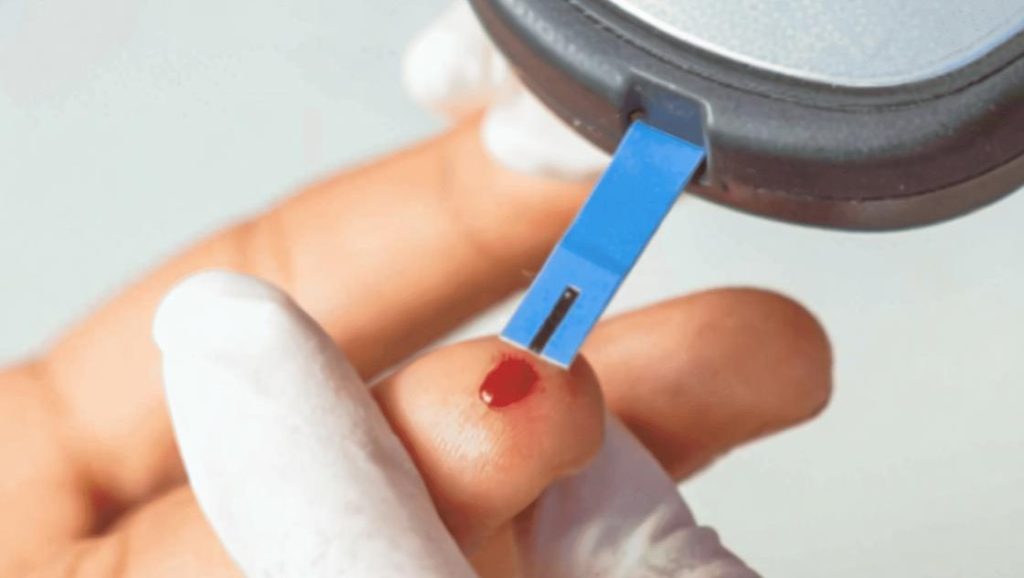
Common signs include a burst of energy followed by a crash, sudden sleepiness after meals, strong cravings for sweets or carbs, irritability (“hangry” episodes), headaches, and extra thirst. That said, many spikes fly under the radar entirely.
If you’re concerned, a simple blood test with your doctor, or a continuous glucose monitor if you have access to one, will tell you what’s really going on. It’s also worth knowing how to spot the opposite problem, like when you’re feeling shaky and dizzy from low blood sugar.
Are blood sugar spikes a big deal if I don’t have diabetes?
They can be. Repeated spikes and crashes contribute to energy swings, stubborn cravings, and over time, added strain on your pancreas and blood vessels. Occasional spikes after a birthday cake are normal and nothing to panic about — it’s the daily pattern that matters.
Smoothing those peaks and valleys usually makes people feel dramatically better within a week or two. For anyone already diagnosed, consistent food choices are the foundation of staying healthy long-term.
Is intermittent fasting good for blood sugar?
For many people, yes — giving your body regular breaks from food can improve insulin sensitivity. But it’s not magic, and it’s not for everyone. If fasting leaves you ravenous and you end up demolishing a huge meal in one sitting, the net effect might not be what you hoped. Curious? Here’s a balanced take on whether intermittent fasting really works.
What’s the single best change to start with?
If you only pick one, make it the post-meal walk. It’s free, requires zero planning, works after every single meal, and delivers benefits you can literally feel within days. Stack a second habit on top once the first feels automatic — that’s how lasting change actually happens.
The Bottom Line
Blood sugar spikes can feel mysterious, but they respond beautifully to small, consistent habits. Eat your veggies first. Walk after dinner. Pair your carbs. Sleep a little more. None of these require perfection, and you don’t have to do all nine at once.
Pick two that feel doable, practice them for a couple of weeks, then add another. Your energy, your focus, and your future self will thank you — and that 4 p.m. vending machine siren call? It gets a whole lot quieter, too.