What Exactly Is a Dietary Yeast Supplement?
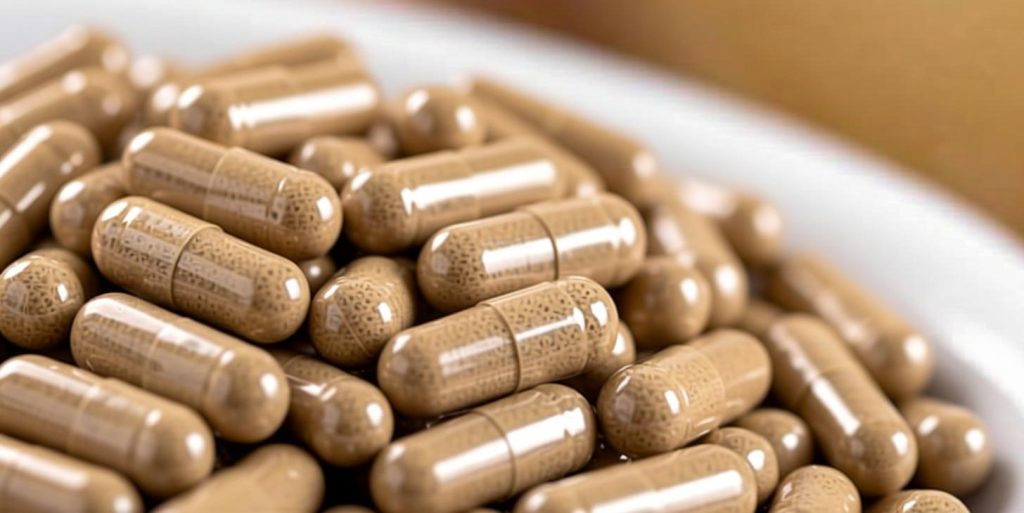
Before we talk about weight loss, let’s clear up what we’re actually discussing. When people mention dietary yeast supplements, they usually mean one of three things: nutritional yeast (those flaky yellow bits vegans love), brewer’s yeast (a byproduct of beer-making), or active yeast in capsule form.
All of them come from the same family of single-celled fungi called Saccharomyces cerevisiae, which has been used in food and medicine for thousands of years.
Yeast is genuinely packed with good stuff. It’s one of nature’s richest sources of B vitamins, including thiamine, riboflavin, niacin, and folate. It contains complete protein with all nine essential amino acids, plus minerals like chromium, selenium, and zinc.
Some forms also carry special fibers called beta-glucans, which is where a lot of the weight loss excitement comes from. If you’re curious about how supplements in general are regulated and evaluated, the NIH Office of Dietary Supplements is a solid place to start.
Why Do People Think Yeast Helps With Weight Loss?
The idea didn’t come out of nowhere. There are a few logical-sounding reasons why yeast earned its reputation as a fat-fighting helper:
- Chromium content: Brewer’s yeast is naturally rich in chromium, a mineral that plays a role in how your body handles blood sugar and insulin. Stable blood sugar can mean fewer cravings and less overeating.
- Beta-glucan fiber: These soluble fibers can absorb water in your gut, which may help you feel fuller for longer and naturally eat less at meals.
- Protein punch: Protein is the most filling macronutrient, and yeast delivers a surprising amount of it in a small serving.
- B vitamins and energy metabolism: B vitamins help your body convert food into energy, which some people interpret as a metabolism boost.
- Gut health buzz: Yeast is technically a probiotic organism, and gut health has become a hot topic in the healthy weight management conversation.
So on paper, yeast looks like it ticks a lot of boxes. But here’s where we separate the marketing from the math.
What the Science Actually Says
Here’s the honest truth: there is no large, high-quality human study showing that yeast supplements directly cause significant weight loss. Zero. What research does show is more modest and indirect. Let’s break down the major claims:
| Claim | What Research Shows | Bottom Line |
|---|---|---|
| Chromium burns fat | Studies show mixed results; any effect on weight is tiny, typically under 3 pounds over months | Weak evidence |
| Beta-glucans curb appetite | Genuine satiety effect, but mostly studied in oats and mushrooms, not yeast specifically | Promising but indirect |
| Boosts metabolism | B vitamins support energy metabolism, but don’t increase calorie burning on their own | Overstated |
| Improves gut health | Some strains act as probiotics and may ease digestion | Real but not weight-specific |
For reliable, evidence-based information on supplements, the National Center for Complementary and Integrative Health publishes fact sheets that cut through the hype. And if you keep hearing that your metabolism is “broken,” our article on metabolism myths is worth a read, because most of them simply aren’t true.
Nutritional Yeast vs. Brewer’s Yeast: Which One Are We Talking About?
People often mix these up, and it matters because they’re not identical:
| Feature | Nutritional Yeast | Brewer’s Yeast |
|---|---|---|
| Taste | Cheesy, nutty, savory | Bitter, beer-like |
| Chromium | Usually low (often deactivated) | Naturally high (GTF chromium) |
| B12 | Often fortified | Not naturally present |
| Common use | Seasoning and condiment | Traditional supplement form |
| Best for | Flavor plus B vitamins | Blood sugar support claims |
If your goal is the chromium angle, brewer’s yeast is the form most studies referenced. If you just want a tasty, nutrient-dense topping for your popcorn, nutritional yeast is your friend. Just don’t confuse either one with active dry yeast from a bread packet, which should never be eaten raw.
The Real Benefits You Can Honestly Expect
Even though yeast won’t melt fat off your body, it isn’t useless either. Here’s what it can realistically do:
- Fills nutritional gaps: If your diet is lacking in B vitamins, yeast can help cover those bases, which matters for energy and overall well-being.
- Adds low-calorie flavor: Nutritional yeast makes healthy food taste richer without piling on calories, which can help you stick to better eating habits.
- Supports your fiber intake: The beta-glucans contribute to your daily fiber total. Fiber is a legitimately powerful tool, and the power of fiber for appetite control is well documented.
- May improve digestion: Some people find that Saccharomyces boulardii, a yeast cousin, helps with digestive comfort.
- Plant-based protein boost: Two tablespoons of nutritional yeast add around 8 grams of protein for minimal calories.
Notice what’s missing from that list? Direct fat loss. That’s because no supplement, including yeast, can outrun a poor diet. The CDC’s healthy weight resources emphasize the same fundamentals that have worked for decades: calorie balance, movement, and consistency.
Potential Downsides and Who Should Skip It
Yeast supplements are generally safe for most healthy adults, but they’re not risk-free for everyone. Here’s what you should know before adding them:
First, people with yeast allergies or sensitivities can experience bloating, gas, or even headaches. If you’re prone to fungal issues like candidiasis, check with your doctor first. Second, brewer’s yeast can interact with certain medications, especially diabetes drugs, because of its chromium content and the potential for additive effects on blood sugar.
Third, yeast contains tyramine, which can trigger migraines in sensitive individuals and can interact with MAO inhibitor medications. Fourth, quality varies widely between brands, and supplements aren’t rigorously pre-approved the way drugs are.
The FDA’s dietary supplements page explains exactly what is and isn’t regulated, and it’s eye-opening reading for anyone who takes supplements regularly.
Also worth mentioning: if you have gout or high uric acid, yeast’s purine content could be a concern. And if you notice digestive upset that won’t quit, that’s your body telling you something.
How to Use Yeast Supplements the Smart Way
If you’ve weighed the evidence and still want to try it, here’s how to do it sensibly:
- Start small: Begin with a teaspoon of nutritional yeast or the lowest capsule dose, then gradually increase to assess tolerance.
- Choose fortified if B vitamins are your goal: Fortified nutritional yeast contains far more B12 than unfortified versions.
- Read labels carefully: Look for third-party testing and avoid blends stuffed with fillers or mystery “proprietary blends.”
- Time it with meals: Taking yeast with food may help with the satiety effect and reduce stomach upset.
- Give it context: Sprinkle nutritional yeast on salads, soups, or roasted vegetables so it supports an overall healthy pattern of eating rather than acting as a magic bullet.
Remember to think of yeast as a supporting player, not the star. For perspective on realistic timelines, check out how many pounds you can safely lose in a month, because sustainable loss is slower than most people expect.

What Actually Moves the Needle on Weight Loss
Here’s the part nobody wants to hear but everybody needs to. The habits that genuinely drive fat loss are boringly effective:
- A modest calorie deficit you can live with: Not starvation, just consistently eating slightly less than you burn.
- Enough protein: It preserves muscle and keeps you full. Learn more about plant protein options that support this goal.
- Fiber-rich whole foods: Vegetables, beans, fruits, and whole grains. These power foods let you eat satisfying portions for fewer calories.
- Sleep and stress management: Poor sleep and chronic stress disrupt hunger hormones and sabotage even the best diet plans.
- Movement you enjoy: You don’t need to suffer through workouts you hate.
Struggling despite doing everything right? You’re not alone, and there are usually hidden culprits. Our guide to the sneaky reasons you’re stuck losing weight covers the most common ones.
If you’re carrying visceral fat, the strategies in targeting deep belly fat are far more evidence-backed than any capsule. And for structured approaches, the NIDDK’s weight management resources offer research-backed guidance from a trusted federal institute.
Are Other Popular Options Any Better?
While we’re busting myths, it’s worth comparing yeast to other trendy supplements. The pattern is almost always the same: promising theory, disappointing reality. The same critical eye that applies to yeast should apply to weight loss patches, gummies, and teas. And approaches like intermittent fasting or other natural supplements work only when they help you control calories, not because of any metabolic magic.
Frequently Asked Questions
Will taking yeast supplements make me lose weight without changing my diet?
No. There’s no evidence that yeast supplements cause weight loss on their own. If your eating habits and activity level stay the same, adding a spoonful of yeast won’t change the math. At best, its fiber and protein might slightly nudge your appetite in the right direction.
How much nutritional yeast should I eat per day?
Most people do fine with 1 to 2 tablespoons of nutritional yeast daily. It’s flavorful and nutrient-dense, but more isn’t better, especially with fortified versions that pack concentrated B vitamins.
Can nutritional yeast help with bloating?
It varies. Some people find the fiber content aids digestion, while others experience more gas and bloating initially. Start small and see how your body responds.
Is yeast safe if I’m trying to lose weight with medication?
Check with your doctor or pharmacist first. Brewerer’s yeast may interact with diabetes medications, and any supplement can potentially interfere with prescription drugs. If you’re also exploring over-the-counter options, read up on weight loss gummies and their safety profile before combining anything.
Does chromium in yeast really control cravings?
The evidence is mixed. Chromium plays a real role in blood sugar regulation, but studies on cravings and appetite show small, inconsistent effects at best. It might help slightly if you’re deficient, but it won’t erase a sweet tooth.
What’s the fastest safe rate of weight loss?
Most experts recommend 1 to 2 pounds per week. Faster loss usually sacrifices muscle and tends to rebound. Focus on consistency over speed, and remember that feeling better matters more than the scale moving quickly.
Can I use yeast instead of a multivitamin?
Fortified nutritional yeast covers several B vitamins well, but it won’t replace a full multivitamin since it lacks adequate amounts of vitamins A, D, E, K, and minerals like calcium and iron.
The Bottom Line
Yeast supplements are nutritious, generally safe, and genuinely useful as a food and a B-vitamin source. But the claim that they’ll help you shed pounds doesn’t hold up under scrutiny. The satiety and blood sugar benefits are real but modest, and they only matter when they’re part of an overall healthy eating pattern.
If you enjoy nutritional yeast on your food, keep sprinkling. Just don’t expect the jar to do the heavy lifting for your waistline. Real, lasting weight loss still comes from the fundamentals: sensible calories, satisfying whole foods, movement, sleep, and patience. Supplements, including yeast, are the garnish, not the meal.