
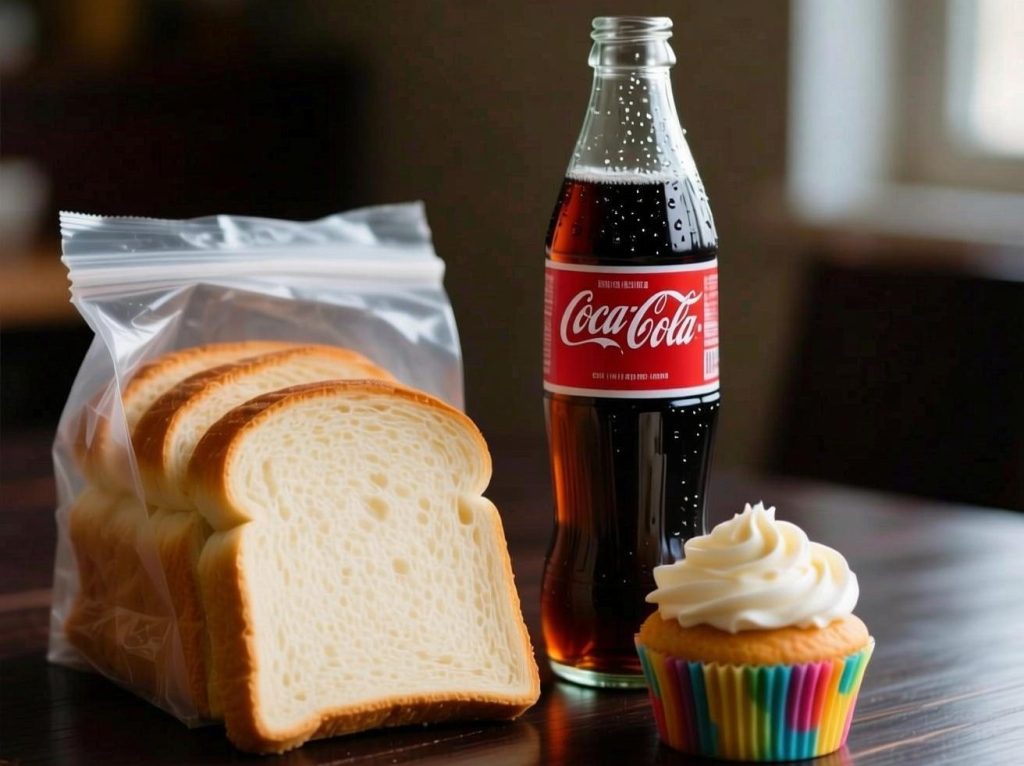
How the Food You Eat Directly Affects Your Blood Sugar
When you live with diabetes, every meal is more than just food—it’s information your body has to process. Everything you eat that contains carbohydrates eventually turns into glucose, which enters your bloodstream and raises your blood sugar.
In people without diabetes, the hormone insulin acts like a key, unlocking cells so glucose can move inside and be used for energy. When you have diabetes, that system doesn’t work as smoothly, whether because your body doesn’t make enough insulin or because your cells have become resistant to it.
This is exactly why your food choices carry so much weight. A meal loaded with refined carbohydrates—think white bread, sugary drinks, or pastries—can send your blood sugar on a rollercoaster ride, spiking quickly and then crashing hard.
On the other hand, meals built around fiber-rich vegetables, lean proteins, and healthy fats digest more slowly, releasing glucose into your bloodstream at a gentler, more manageable pace. Over time, consistently making the kinder choice helps protect your energy, your mood, and your long-term health.
The good news? You don’t need a nutrition degree to get this right. Understanding a few simple principles about how different foods behave in your body gives you the power to steady your blood sugar, reduce your risk of complications, and still genuinely enjoy what’s on your plate.
The Best Foods to Keep in Your Kitchen
Building your meals around the right foods makes healthy eating with diabetes feel less like a restriction and more like an upgrade. Here are the categories worth stocking up on:
- Non-starchy vegetables: Leafy greens, broccoli, peppers, zucchini, cauliflower, and tomatoes are packed with fiber and nutrients while having minimal impact on blood sugar.
- Whole grains: Oats, quinoa, brown rice, and whole-grain bread digest slowly and keep you fuller longer than their refined counterparts.
- Lean proteins: Chicken, turkey, fish, eggs, tofu, and legumes help stabilize blood sugar and keep your muscles strong.
- Healthy fats: Avocados, olive oil, nuts, and seeds support heart health and help slow digestion.
- Low-fat dairy: Greek yogurt and milk provide protein and calcium without excessive saturated fat.
- Fruits in moderation: Berries, apples, and citrus fruits offer sweetness along with fiber, which blunts the sugar impact.
Notice that this list isn’t about deprivation—it’s about abundance. The foundation of a diabetes-friendly diet is actually very similar to the way anyone aiming for better health should eat, which means you can share meals with family and friends without needing a special plate.
Foods Worth Cutting Back On
Just as some foods help you, others work against you. You don’t have to ban them forever, but knowing which ones deserve a smaller place in your life is a big part of eating well with diabetes. Here’s a quick reference guide:
| Food Category | Examples | Why to Limit Them | Smarter Swap |
|---|---|---|---|
| Sugary drinks | Soda, sweet tea, juice, energy drinks | Causes rapid blood sugar spikes with no fiber to slow things down | Sparkling water with lemon or lime |
| Refined carbs | White bread, white rice, pastries | Converts to glucose quickly, spiking blood sugar | Whole-grain bread, brown rice, oats |
| Processed meats | Bacon, sausage, deli meats | High in sodium and saturated fat, raising heart disease risk | Fresh chicken, turkey, or fish |
| Fried foods | French fries, fried chicken, chips | Extra calories and unhealthy fats that hurt insulin sensitivity | Baked, grilled, or air-fried versions |
| Sweets and desserts | Candy, cookies, cake | Combines sugar with refined flour and fat | Fresh fruit, small portions of dark chocolate |
| Full-fat dairy | Cream, butter, full-fat cheese | High saturated fat content strains heart health | Low-fat yogurt, olive oil-based spreads |
The key word here is “limit,” not “eliminate.” A diabetes-friendly diet has room for an occasional treat—the trouble starts when these foods become everyday habits rather than rare guests.
Building the Perfect Diabetes-Friendly Plate

One of the simplest tools for eating well with diabetes doesn’t require counting, calculating, or memorizing anything. It’s called the plate method, and it works whether you’re cooking at home, eating at a friend’s house, or navigating a buffet. Picture a standard 9-inch dinner plate and divide it into three sections.
Fill half your plate with non-starchy vegetables. This is the easiest win in diabetes management. Vegetables like spinach, green beans, cabbage, and Brussels sprouts add volume, fiber, and satisfaction while barely moving your blood sugar needle. The more color variety you can work in, the broader the range of vitamins and antioxidants you’ll enjoy.
Reserve a quarter of the plate for lean protein. Protein slows digestion and helps prevent the post-meal blood sugar climb. Fish—especially fatty fish like salmon, which brings heart-healthy omega-3 fats—chicken, eggs, or plant-based options like lentils and tofu all do the job beautifully.
Give the last quarter to quality carbohydrates. This is where whole grains, starchy vegetables like sweet potatoes, or legions of beans and lentils belong. Because they come packaged with fiber, their glucose release is gradual rather than sudden.
Round out your meal with water or another unsweetened drink, and add a small serving of healthy fat—olive oil on your veggies, a sprinkle of nuts, or a few slices of avocado—and you’ve built a balanced, blood-sugar-friendly meal without touching a calculator.
Everyday Habits That Steady Your Blood Sugar
Beyond the foods themselves, the way you eat plays a surprisingly big role in how your body handles glucose. Small, repeatable habits add up to meaningful differences over weeks and months:
- Eat at consistent times. Skipping meals and then overeating later creates blood sugar swings and intense cravings. Regular meal timing helps your body anticipate and process food more predictably.
- Don’t drink your calories. Liquid sugar hits your bloodstream faster than almost anything else. Cutting out sweetened beverages is often the single most effective change a person with diabetes can make.
- Pair carbs with protein or fat. Eating carbohydrates alone causes quicker spikes. Adding a protein or fat source—like peanut butter on your apple slices—slows absorption considerably.
- Watch your portions. Even healthy foods can raise blood sugar when portions grow too large. Using smaller plates and checking serving sizes keeps things in check without obsessive measuring.
- Stay hydrated. Water helps your kidneys flush excess sugar through urine and supports every metabolic process in your body.
- Move after meals. A gentle 10 to 15 minute walk after eating helps your muscles absorb glucose from your bloodstream, naturally lowering post-meal spikes.
None of these habits require perfection. Consistency matters far more than an occasional slip, and each one makes the next a little easier.
Clearing Up Common Myths About Diabetes and Food
Misinformation about diabetes is everywhere, and believing the wrong advice can make eating harder and less enjoyable than it needs to be. Let’s set the record straight on a few stubborn myths.
Myth: People with diabetes can never eat sugar. Truth: Sugar isn’t poison for people with diabetes—it’s simply a carbohydrate that needs to be counted like any other. An occasional small dessert fits within a balanced eating plan, especially when the rest of your day’s meals are built thoughtfully.
Myth: Diabetes means eating special “diabetic” foods. Truth: Products marketed as “diabetic-friendly” are often expensive and no healthier than regular whole foods. The best diabetes diet is the same balanced approach recommended for everyone, just followed a bit more deliberately.
Myth: Fruit is off-limits because it’s sweet. Truth: Whole fruit comes wrapped in fiber, water, and nutrients that significantly blunt its glucose impact. Berries, apples, and pears are excellent choices, especially when paired with a protein like nuts or yogurt.
Myth: Only overweight people develop diabetes, so thin people don’t need to worry about food. Truth: Diabetes can affect people at any body size. Genetics, age, activity level, and other factors all play roles. Healthy eating matters for everyone managing this condition, regardless of weight.
A Sample Day of Balanced, Blood-Sugar-Friendly Eating
Sometimes seeing a real example makes everything click. Here’s what a day of well-managed diabetes eating might look like—satisfying, colorful, and far from boring:
| Meal | What to Eat | Why It Works |
|---|---|---|
| Breakfast | Veggie omelet with a slice of whole-grain toast and a few berries | Protein-first start prevents morning spikes and keeps you full until lunch |
| Morning snack | A small apple with a tablespoon of peanut butter | Fiber plus protein equals steady energy, not a sugar rush |
| Lunch | Big salad with grilled chicken, chickpeas, olive oil dressing, and a sprinkle of seeds | Packed with fiber, healthy fats, and protein to prevent afternoon crashes |
| Afternoon snack | Plain Greek yogurt with cinnamon | High protein, low sugar, and cinnamon adds flavor without sweeteners |
| Dinner | Baked salmon, roasted broccoli, and a small sweet potato | Omega-3s, fiber, and slow-digesting carbs keep overnight blood sugar stable |
| Evening treat | A small piece of dark chocolate or a handful of nuts | Satisfies cravings sensibly without derailing the day’s effort |
Notice what’s missing: nothing here tastes like “diet food.” This is simply real food, put together thoughtfully.
Eating Out Without the Stress
Restaurants, parties, and holidays shouldn’t feel like minefields. With a few go-to strategies, you can enjoy social eating while still honoring your health goals. Scan the menu ahead of time when possible, and decide what you’ll order before hunger and temptation team up against you.
When your meal arrives, apply the plate method mentally—vegetables first, then protein, then carbs—and consider boxing up half the portion right away, since restaurant servings often run two to three times a healthy size.
At parties, eat a small protein-rich snack before arriving so you’re not ravenous at the buffet table. Position yourself away from the food table, hold a glass of sparkling water so your hands stay busy, and survey all the options before filling your plate so you spend your choices on foods you truly love.
And if you do indulge a bit more than planned? Simply return to your usual balanced eating at the next meal. One off-plan dinner won’t undo your progress—just as one healthy meal won’t fix everything. Momentum, not perfection, is what you’re after.

Long-Term Success with Food and Diabetes
The hardest part of eating well with diabetes isn’t knowing what to do—it’s doing it week after week, year after year. A few mindset shifts make the journey far more sustainable.
First, focus on adding rather than subtracting. Instead of dwelling on what you’re cutting out, celebrate what you’re adding: more colorful vegetables, more satisfying protein, more flavors you genuinely enjoy. Deprivation diets fail; abundance thinking lasts.
Second, plan ahead. Spend ten minutes on the weekend sketching out the week’s dinners, keep a short list of five go-to meals you can make without thinking, and prep a few washed vegetables or cooked grains in advance. Decision fatigue is the enemy of good choices, and planning removes it from the equation.
Third, bring your healthcare team into the loop. A registered dietitian can personalize advice to your medications, preferences, and lifestyle. Track how different foods affect your blood sugar using your glucose readings, and use that data—rather than guesswork—to fine-tune your plate.
And finally, forgive yourself on imperfect days. Progress with diabetes management looks like a general upward trend, not a flawless streak. Every balanced meal is a small investment in your energy, your eyes, your kidneys, your heart, and your future—and those investments compound beautifully over time.
Frequently Asked Questions
Can people with diabetes still eat fruit?
Absolutely. Whole fruit contains fiber, water, and nutrients that slow sugar absorption. Berries, apples, pears, and citrus fruits are especially good choices. Pairing fruit with protein, like a handful of nuts or a spoonful of Greek yogurt, further softens its effect on blood sugar. Fruit juice, on the other hand, concentrates the sugar without the fiber, so it’s best treated like a sugary drink.
How many carbohydrates should I eat per meal?
There’s no single magic number—it depends on your body, activity level, medications, and blood sugar goals. Many people find a starting point of roughly 30 to 60 grams of carbs per meal works well, but the best approach is discussing targets with your doctor or dietitian and using your glucose readings to guide adjustments. The plate method sidesteps counting entirely and works beautifully for many people.
Are artificial sweeteners a safe alternative to sugar?
Most approved sugar substitutes are considered safe in moderate amounts and can help reduce added sugar intake. Stevia and erythritol are popular options that have little to no effect on blood sugar. That said, whole, minimally processed foods are still the ideal foundation—treat sweeteners as tools for transition rather than permanent crutches.
Is it true that eating smaller, more frequent meals is better for blood sugar?
It can help some people by preventing large glucose swings between big meals, but it’s not a rule for everyone. What matters most is consistency that fits your life—whether that’s three balanced meals or a few smaller ones. If snacking leads to grazing on extra calories without benefits, sticking to regular meals may serve you better.
Can a healthy diet really reduce my need for diabetes medication?
For some people, yes—especially those recently diagnosed with type 2 diabetes. Weight management, balanced eating, and regular physical activity can improve insulin sensitivity enough that medication needs decrease. However, never adjust or stop medication on your own; always work with your healthcare provider so changes are monitored safely.