If you have been trying to shed a few pounds, you have probably heard someone rave about sweet potatoes. They show up in weight-loss meal plans, fitness blogs, and healthy recipe videos everywhere. But is the hype real, or is it just another food trend?
The good news is that sweet potatoes genuinely have qualities that can support your weight-loss journey, as long as you eat them the right way. Let’s dig into why this humble orange vegetable deserves a spot on your plate.
What Makes Sweet Potatoes So Weight-Loss Friendly?
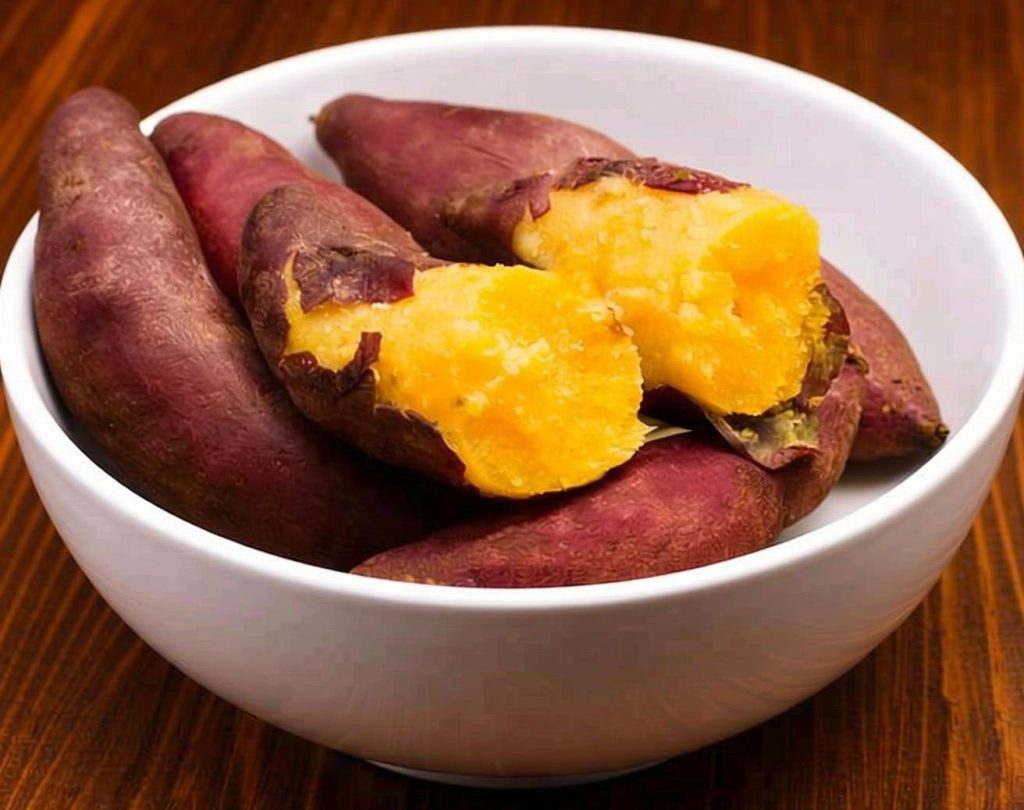
Sweet potatoes have earned their reputation as a dieter’s best friend for one big reason: they fill you up without filling you out. A medium baked sweet potato contains only about 100 to 130 calories, yet it delivers a serious nutritional punch. That means you can enjoy a satisfying portion and still stay within your daily calorie budget.
Another reason sweet potatoes work so well for weight management is their nutrient density. When you cut calories, your body still needs vitamins and minerals to function properly. Sweet potatoes help you cover those bases without excess calories. Here is what a medium sweet potato brings to the table:
- Fiber: Around 4 grams, which supports digestion and keeps hunger at bay
- Potassium: Helps balance sodium levels and reduces bloating
- Vitamin A: Over 100% of your daily needs, thanks to beta-carotene
- Vitamin C: Supports your immune system and skin health
- Complex carbohydrates: Slow-digesting carbs that provide steady energy
In short, you are getting a lot of value for very few calories, and that is exactly what you want when weight loss is the goal.
What Are The Nutritional Components of Sweet Potatoes?
Sometimes it helps to see the numbers side by side. The table below shows the approximate nutrition facts for one medium baked sweet potato, roughly 130 grams, cooked with the skin on:
| Nutrient | Amount | Why It Matters for Weight Loss |
|---|---|---|
| Calories | ~115 | Easy to fit into a calorie deficit |
| Fiber | ~4 g | Slows digestion and curbs cravings |
| Protein | ~2 g | Small but helpful contribution |
| Carbohydrates | ~27 g | Complex carbs for steady energy |
| Sugar | ~6 g | Naturally occurring, not added |
| Fat | ~0 g | Virtually fat-free on its own |
As you can see, this is a food that works hard for you. It is naturally low in fat, free of added sugars, and packed with fiber, a combination that is hard to beat when you are watching your waistline.
How Sweet Potatoes Keep You Full for Hours
Hunger is the number one reason most diets fail. When your stomach starts growling an hour after a meal, you end up snacking, and those snacks add up fast. This is where sweet potatoes truly shine. Their combination of fiber and complex carbohydrates slows down digestion, which means sugar enters your bloodstream gradually instead of all at once.
That slow release does two important things. First, it prevents the blood sugar spikes and crashes that trigger sudden cravings for sugary or starchy foods. Second, it keeps your stomach feeling physically satisfied for hours after you eat. Many people who add sweet potatoes to lunch notice they make it to dinner without reaching for the snack drawer.
There is also a hydration factor people often overlook. Sweet potatoes have a high water content, which adds volume to your meal without adding calories. Foods with high water and fiber content activate stretch receptors in your stomach, signaling your brain that you are full. In other words, sweet potatoes trick your appetite into cooperating with your goals.
Sweet Potatoes vs. Regular Potatoes: Which Is Better for Weight Loss?
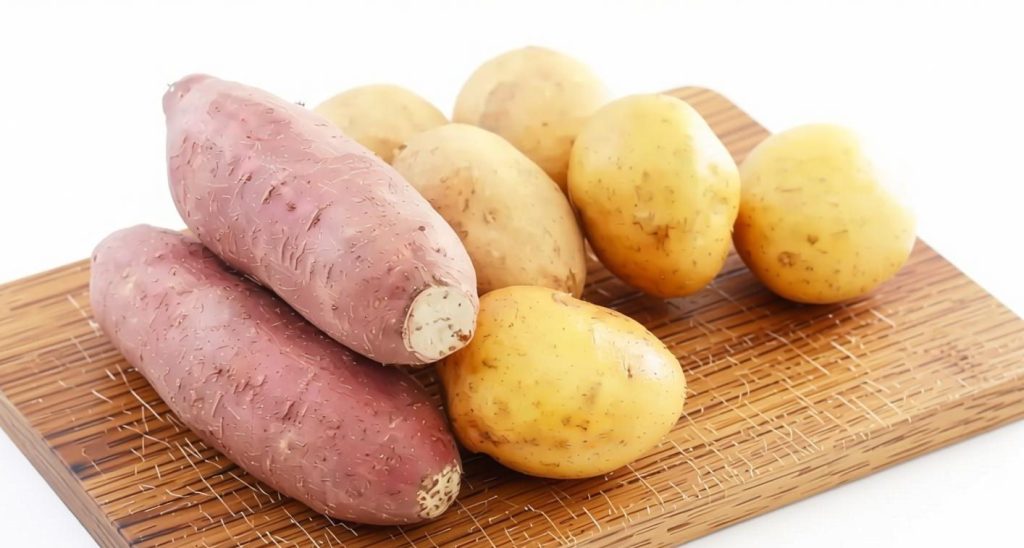
This question comes up constantly, and the honest answer is that both can fit into a weight-loss diet. However, sweet potatoes hold a slight edge in a few areas. Compare them for yourself:
| Feature | Sweet Potato | Regular Potato |
|---|---|---|
| Fiber per medium serving | ~4 g | ~3 g |
| Vitamin A | Very high | Negligible |
| Effect on blood sugar | Lower glycemic index when boiled | Higher, especially when baked |
| Flavor without toppings | Naturally sweet and moist | Plain, often needs butter or sauce |
The real difference comes down to how each potato is usually prepared. Sweet potatoes taste great baked or roasted with nothing on them, while regular potatoes often get loaded with butter, sour cream, or oil for frying. Since preparation makes or breaks a weight-loss food, sweet potatoes simply give you more room for error.
The Best Ways to Eat Sweet Potatoes When You Are Trying to Slim Down
Preparation is everything. A healthy sweet potato can become a calorie bomb the moment it is deep-fried or drowned in marshmallows. To get the most weight-loss benefit, keep your cooking methods simple and let the natural flavor shine.
- Bake them whole: No added oil needed, and the caramelized flavor is delicious
- Roast cubes with spices: Paprika, cumin, or cinnamon add flavor for zero calories
- Steam or boil them: Boiled sweet potatoes have a lower glycemic index, which is great for blood sugar
- Mash with a splash of milk: Skip the butter and use Greek yogurt for creaminess and extra protein
- Add to soups and stews: They add bulk, sweetness, and staying power to light meals
One more tip: eat the skin whenever possible. A large portion of the fiber and nutrients lives in or just under the skin, so peeling sweet potatoes means throwing away some of their best weight-loss benefits. Just scrub them well before cooking.
Sweet Potato Mistakes That Can Sabotage Your Weight Loss
Even a superfood can work against you if you are not careful. Watch out for these common traps that turn a healthy choice into a hidden calorie overload:
- Deep-frying: Sweet potato fries still absorb plenty of oil, and restaurant portions can top 400 calories
- Candying them: Brown sugar, butter, and marshmallows can double the calories instantly
- Over-sizing portions: Even healthy carbs add up; stick to one medium potato per meal
- Loading on toppings: Butter, syrup, and cheese quietly erase your calorie deficit
- Treating them as a “free” food: Sweet potatoes are healthy, but they are not calorie-free
The key principle is balance. Sweet potatoes should replace less nutritious carbs in your diet, like white bread or sugary snacks, rather than being added on top of everything else you already eat.
A Simple Day of Eating Built Around Sweet Potatoes
Want to see how this looks in practice? Here is an easy example of how sweet potatoes can anchor a satisfying, weight-loss-friendly day of eating without leaving you hungry or deprived:
- Breakfast: Mashed sweet potato mixed into oatmeal with cinnamon and a handful of berries
- Lunch: Roasted sweet potato cubes over a big salad with grilled chicken and olive oil dressing
- Snack: Sweet potato wedges with a light sprinkle of sea salt
- Dinner: Baked sweet potato stuffed with black beans, salsa, and a dollop of Greek yogurt
Notice how the sweet potato appears in different forms throughout the day, so nothing feels repetitive. Meals like these deliver fiber, protein, and volume, which keeps hunger under control while maintaining the calorie deficit needed for weight loss.
Frequently Asked Questions
How many sweet potatoes can I eat per day and still lose weight?
Most people do well with one to two medium sweet potatoes per day as part of a balanced diet. Since each one contains around 115 calories, two potatoes account for roughly 230 calories, which fits comfortably within most weight-loss calorie targets.
The exact number depends on your personal calorie needs, activity level, and what else you eat during the day. If you notice your weight stalling, try scaling back to one serving and swapping in more non-starchy vegetables.
Is it better to eat sweet potatoes at a certain time of day?
There is no magic hour for eating sweet potatoes, so timing matters far less than total daily calories. That said, many people find them especially useful at lunch because the fiber and complex carbs carry them through the afternoon without an energy crash.
Eating them earlier in the day also gives you time to use that steady energy. If you prefer them at dinner, that works too. The most important thing is consistency and keeping your overall intake in a healthy range.
Can I eat sweet potatoes on a low-carb or keto diet?
Sweet potatoes are relatively high in carbohydrates, with around 27 grams per medium potato, so they do not fit well into a strict keto diet, which usually limits carbs to about 20 to 50 grams per day. One potato could use up most of your daily allowance.
If you follow a moderate low-carb approach rather than strict keto, a small portion of about half a potato may still work. Otherwise, non-starchy vegetables like zucchini, cauliflower, and leafy greens are better swaps that deliver volume and nutrients with far fewer carbs.
Conclusion: Can Sweet Potatoes Really Help You Lose Weight?
The answer is a definite yes, with one honest caveat: sweet potatoes are not a magic food that melts fat on their own. No single food can do that. What sweet potatoes actually do is make weight loss easier and more comfortable. They fill you up, steady your blood sugar, curb cravings, and replace refined carbs with real nutrition, all for a modest calorie cost.
Combine them with lean protein, plenty of vegetables, daily movement, and reasonable portions, and sweet potatoes become one of the most reliable tools in your weight-loss toolkit. Bake one tonight, keep the toppings simple, and enjoy a meal that tastes like comfort food while quietly working in your favor. Your scale, and your taste buds, will both be glad you did.