Erectile dysfunction (ED) is a prevalent condition affecting men of all ages, and while medical interventions exist, diet plays a surprisingly significant role in both the prevention and management of ED.
While not a singular cure, nutritional choices can profoundly impact vascular health, hormone levels, and overall well-being, all of which directly influence erectile function. This article will explore the foods that can exacerbate ED and those that can contribute to improved erectile health, incorporating perspectives from various medical professionals.
The Science Behind Food and Erectile Health
It’s crucial to understand that ED is often a symptom of underlying cardiovascular disease. The same factors that contribute to plaque buildup in arteries, reducing blood flow to the heart, also affect blood flow to the penis. Therefore, a heart-healthy diet is inherently a penis-healthy diet.
Hormone balance, particularly testosterone, is vital for erectile function. Diet can influence testosterone levels, impacting libido and the ability to achieve and maintain an erection. Certain foods can either support or hinder hormonal regulation.
Beyond macronutrients, the micronutrient profile of our diet is also vital. Deficiencies in vitamins and minerals like Vitamin D, zinc, and folate can impair nitric oxide production, a critical factor in vasodilation – the process that allows blood to flow into the penis for an erection.
Foods to Avoid: Exacerbating Erectile Dysfunction
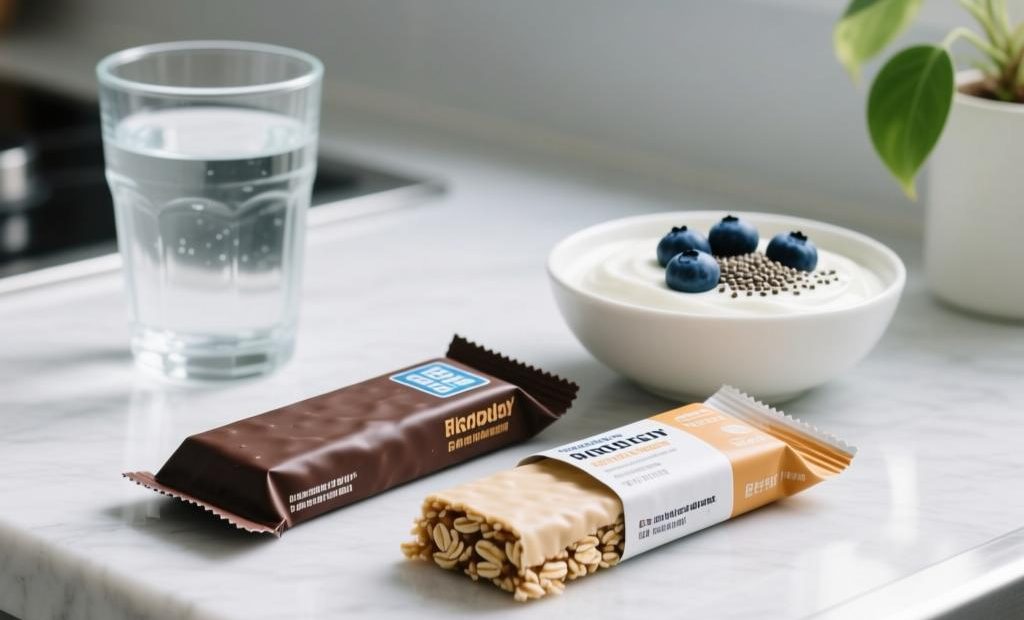
While no single food can cause ED, certain dietary patterns and specific foods are strongly associated with increased risk. These include processed foods, sugary beverages, trans fats, excessive alcohol, and high-sodium diets. Understanding the mechanisms by which these foods contribute to ED is essential for making informed dietary choices.
1. Processed and Ultra-Processed Foods
Processed foods—especially those high in sodium, sugar, and unhealthy fats—are linked to a range of health issues, including hypertension, obesity, and metabolic syndrome. These conditions are known risk factors for ED.
For example, a diet high in refined carbohydrates can lead to insulin resistance, which impairs the body’s ability to regulate blood sugar and blood flow. This can result in endothelial dysfunction, a key contributor to ED.
Medical Perspective (Dr. James Carter, Endocrinologist): “Insulin resistance is a major driver of ED. When the body becomes resistant to insulin, it can lead to chronic inflammation and oxidative stress, both of which damage blood vessels. This makes it harder for the body to achieve and maintain an erection. Patients with diabetes or prediabetes are particularly vulnerable to this effect.”
Nutritional Perspective (Dr. Sarah Lee): “Processed foods often lack essential nutrients that support vascular health. For instance, they are typically low in fiber, antioxidants, and omega-3 fatty acids, which are crucial for maintaining healthy blood flow. Replacing processed foods with whole, nutrient-dense alternatives can significantly improve endothelial function.”
2. Sugary Beverages and Refined Sugars
Excessive consumption of sugary drinks, such as soda and energy drinks, is associated with weight gain, visceral fat accumulation, and metabolic disturbances. These factors can contribute to ED by impairing blood flow and hormone regulation.
A study published in the Journal of Sexual Medicine found that men who consumed two or more sugary beverages per day were at a higher risk of developing ED compared to those who consumed less.
Medical Perspective (Dr. Michael Thompson): “Sugary beverages can lead to rapid spikes in blood sugar levels, which may contribute to oxidative stress and inflammation. Over time, this can damage the endothelial cells lining blood vessels, reducing their ability to dilate and maintain adequate blood flow to the penis.”
Lifestyle Perspective (Dr. Mark Reynolds): “Sugary drinks are often part of a sedentary lifestyle, which compounds their negative effects. Encouraging patients to replace sugary beverages with water, herbal teas, or unsweetened alternatives can be a simple yet effective step toward improving sexual health.”
3. Trans Fats and Hydrogenated Oils
Trans fats, commonly found in fried foods, baked goods, and processed snacks, are known to increase low-density lipoprotein (LDL) cholesterol and decrease high-density lipoprotein (HDL) cholesterol.
This imbalance can lead to atherosclerosis, a condition that narrows blood vessels and reduces blood flow to the penis. Additionally, trans fats promote systemic inflammation, which further exacerbates ED.
Medical Perspective (Dr. James Carter): “Atherosclerosis is a major contributor to ED. When plaque builds up in the arteries, it restricts blood flow, making it difficult for the penis to achieve an erection. Trans fats accelerate this process by damaging endothelial cells and promoting oxidative stress.”
Nutritional Perspective (Dr. Sarah Lee): “Replacing trans fats with healthier fats, such as monounsaturated and polyunsaturated fats, can improve vascular function. Foods like olive oil, avocados, and nuts are excellent alternatives that support heart health and sexual vitality.”
4. Excessive Alcohol Consumption
Alcohol is a common contributor to ED, as it interferes with the body’s ability to regulate blood flow and hormones. While moderate alcohol consumption may have some cardiovascular benefits, excessive drinking can lead to liver damage, hormonal imbalances, and nerve damage, all of which are linked to ED.
A study in The Lancet found that men who consumed more than two alcoholic drinks per day were at a higher risk of developing ED compared to those who drank less.
Medical Perspective (Dr. Michael Thompson): “Alcohol acts as a vasodilator, which can temporarily improve blood flow. However, chronic alcohol use leads to long-term vascular damage and impaired testosterone production. This creates a paradoxical effect: short-term relief but long-term harm.”
Lifestyle Perspective (Dr. Mark Reynolds): “Encouraging patients to limit alcohol intake to moderate levels—defined as up to one drink per day for men and one drink per day for women—can help reduce the risk of ED. Moderation is key, as excessive drinking often leads to poor dietary choices and sedentary behavior.”
5. High-Sodium Diets
A diet high in sodium can lead to hypertension, which is a major risk factor for ED. High blood pressure damages blood vessels, reducing their ability to dilate and maintain adequate blood flow to the penis. Additionally, sodium retention can lead to fluid retention and increased vascular resistance, further impairing erectile function.
Medical Perspective (Dr. James Carter): “Hypertension is one of the leading causes of ED. The relationship between high blood pressure and ED is bidirectional: ED can be a symptom of hypertension, and hypertension can worsen ED. Reducing sodium intake is a critical step in managing both conditions.”
Nutritional Perspective (Dr. Sarah Lee): “Reducing sodium intake by limiting processed foods, canned soups, and salty snacks can improve vascular health. Incorporating potassium-rich foods, such as bananas, spinach, and sweet potatoes, can also help regulate blood pressure and support erectile function.”
Foods to Embrace: Supporting Erectile Health
A diet rich in nutrient-dense foods can directly support erectile function by promoting vascular health, balancing hormones, and reducing inflammation. Here’s a breakdown of beneficial foods and their mechanisms of action.
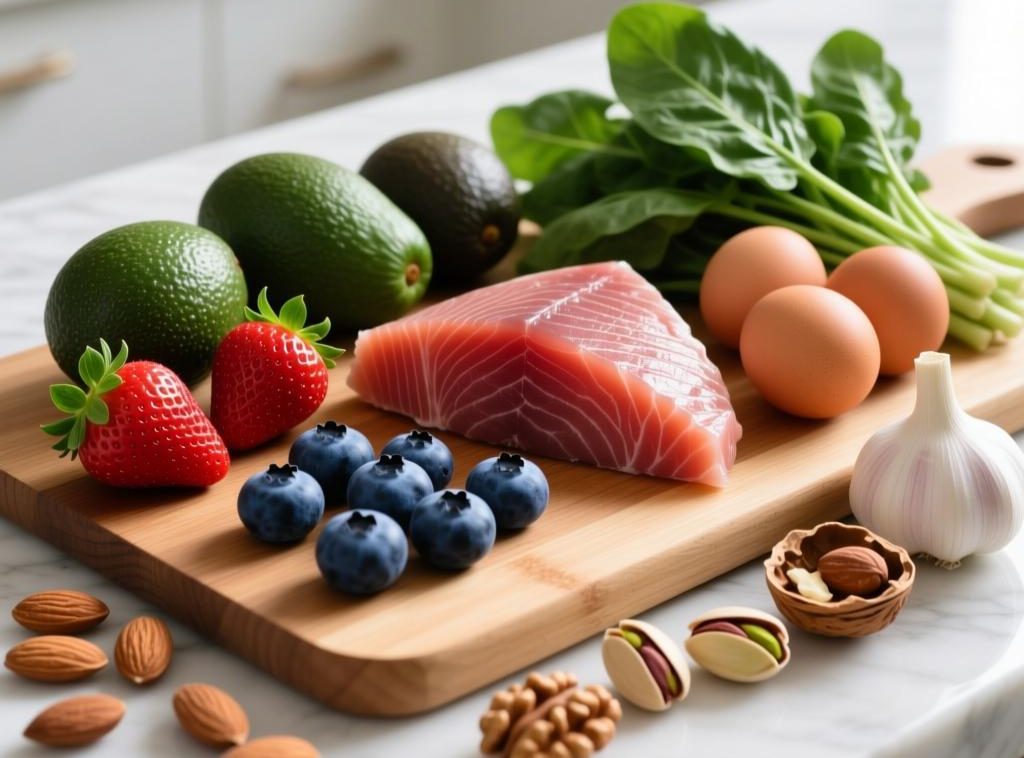
1. Fatty Fish (Salmon, Tuna, Mackerel): Rich in Omega-3 fatty acids, these fish help reduce inflammation, improve blood vessel function, and may even enhance testosterone levels.
2. Berries (Blueberries, Strawberries, Raspberries): These are packed with antioxidants, which protect blood vessels from damage and improve nitric oxide production.
3. Nuts and Seeds (Almonds, Walnuts, Pumpkin Seeds): Excellent sources of healthy fats, zinc, and L-arginine, an amino acid that converts to nitric oxide. Zinc is also crucial for testosterone production.
4. Leafy Green Vegetables (Spinach, Kale, Collard Greens): Rich in nitrates, which the body converts to nitric oxide. They also provide essential vitamins and minerals.
5. Watermelon: Contains citrulline, an amino acid that is converted to arginine in the body, leading to improved nitric oxide production and enhanced blood flow.
6. Garlic: Contains allicin, a compound that promotes vasodilation by increasing nitric oxide production.
7. Dark Chocolate: Rich in flavonoids, antioxidants that improve blood flow and may enhance mood.
8. Avocados: Provide healthy monounsaturated fats that support cardiovascular health and improve blood flow.
9. Eggs: An excellent source of protein, zinc, and Vitamin D, all of which play a role in hormone production and overall health.
10. Pistachios: Studies suggest pistachios may improve ED symptoms, possibly due to their antioxidant and arginine content.
Dietary Strategies Beyond Individual Foods
Gastroenterologist Perspective (Dr. Anya Sharma): “Gut health plays a significant, often overlooked role. A healthy gut microbiome improves nutrient absorption and reduces inflammation throughout the body. Focusing on prebiotic and probiotic-rich foods supports a healthy gut ecosystem.”
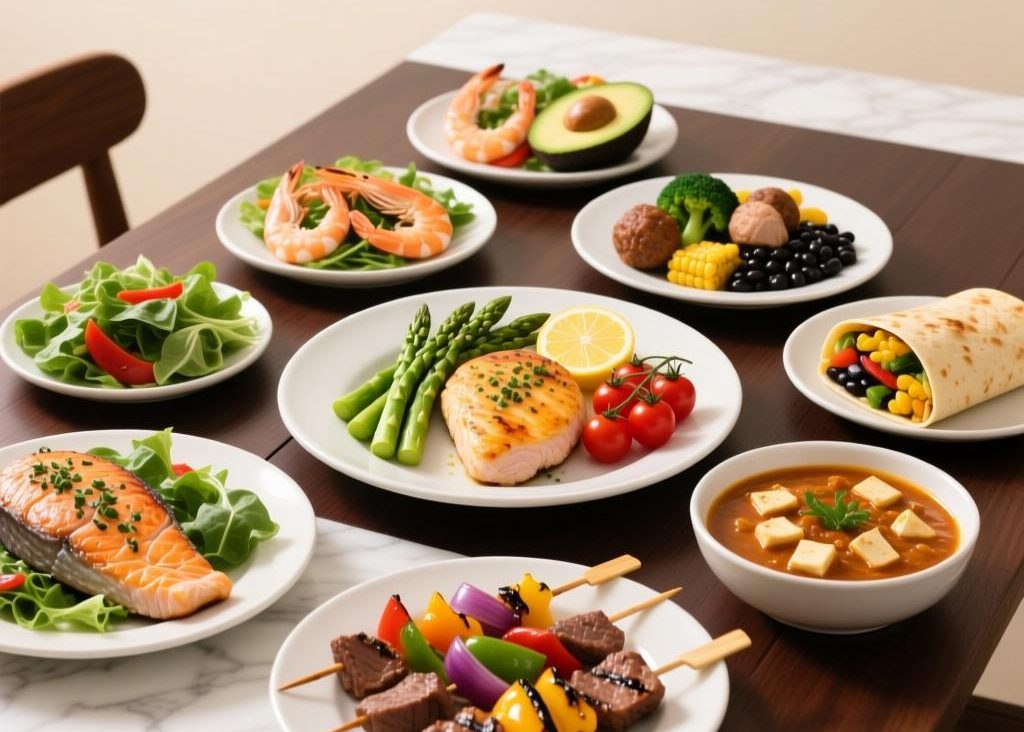
1. The Mediterranean Diet: This dietary pattern, characterized by abundant fruits, vegetables, whole grains, legumes, nuts, seeds, and olive oil, is consistently linked to improved cardiovascular health and a reduced risk of ED.
2. Intermittent Fasting: Some research suggests that intermittent fasting can improve insulin sensitivity and promote healthy hormone levels, potentially benefiting erectile function. However, it’s essential to consult with a healthcare professional before starting any fasting regimen.
3. Prioritize Hydration: Dehydration can negatively impact blood flow and erectile function. Aim for adequate water intake throughout the day.
Addressing Underlying Conditions Through Diet
Many men experience ED as a consequence of pre-existing conditions. Dietary changes can be instrumental in managing these underlying issues.
For Diabetes: Limiting sugary foods and refined carbohydrates, and focusing on whole foods, is crucial for managing blood sugar levels and preventing further vascular damage.
For Hypertension: Reducing sodium intake, increasing potassium intake, and incorporating foods rich in antioxidants can help lower blood pressure.
For Obesity: Weight loss, achieved through a combination of diet and exercise, can improve insulin sensitivity, hormone levels, and overall cardiovascular health.
The Science Behind Diet and Erectile Health: Mechanisms and Evidence
The connection between diet and ED is supported by a growing body of scientific evidence. Research has shown that dietary patterns influence vascular function, hormone regulation, and metabolic health—all of which are critical for maintaining sexual vitality. Understanding the underlying mechanisms can help healthcare professionals and individuals make informed dietary choices.
1. Vascular Health and Blood Flow
ED is fundamentally a vascular issue, as the ability to achieve an erection depends on adequate blood flow to the penis. A diet rich in antioxidants, nitrates, and omega-3 fatty acids supports vascular health by improving endothelial function and reducing inflammation. For example, studies have shown that men who consume a Mediterranean diet—characterized by high intake of fruits, vegetables, whole grains, and healthy fats—have a lower risk of developing ED compared to those who follow a Western diet high in processed foods and saturated fats.
Medical Perspective (Dr. James Carter): “The Mediterranean diet is one of the most well-researched dietary patterns for improving vascular health. Its emphasis on whole foods, healthy fats, and antioxidants makes it an ideal choice for supporting sexual function.”
Nutritional Perspective (Dr. Sarah Lee): “Nitric oxide, produced from nitrates in vegetables, plays a key role in relaxing blood vessels. This mechanism is supported by studies showing that nitrate-rich diets can improve erectile function in men with ED.”
2. Hormonal Regulation and Testosterone
Diet also influences hormone levels, particularly testosterone, which is essential for sexual function and libido. Nutrients such as zinc, magnesium, and vitamin D are critical for testosterone production. A diet high in processed foods and refined sugars can lead to hormonal imbalances, including low testosterone and increased cortisol levels, both of which are linked to ED.
Medical Perspective (Dr. Michael Thompson): “Low testosterone is a known contributor to ED. Ensuring adequate intake of zinc and magnesium through diet can help maintain healthy testosterone levels and improve sexual function.”
Nutritional Perspective (Dr. Sarah Lee): “Dietary deficiencies in zinc and magnesium are common in men with ED. Foods such as pumpkin seeds, spinach, and dark chocolate are excellent sources of these nutrients and can support hormone balance.”
3. Inflammation and Oxidative Stress
Chronic inflammation and oxidative stress are key drivers of ED. A diet high in antioxidants and anti-inflammatory compounds can help reduce these factors, improving vascular and hormonal health. For example, polyphenols found in fruits, vegetables, and nuts have been shown to reduce oxidative stress and improve endothelial function.
Medical Perspective (Dr. James Carter): “Oxidative stress damages endothelial cells, leading to impaired blood flow. Antioxidant-rich diets can help mitigate this damage and improve vascular health.”
Lifestyle Perspective (Dr. Mark Reynolds): “Incorporating a diet rich in anti-inflammatory foods can be a powerful tool for managing ED. Encouraging patients to prioritize whole foods over processed ones can have a significant impact on their sexual health.”
Conclusion: A Holistic Approach to Erectile Health
Improving erectile health involves a holistic approach that addresses both physical and lifestyle factors. By minimizing harmful foods and embracing a nutrient-rich diet, men can proactively support their vascular health, hormone balance, and overall well-being.
Combining dietary changes with regular exercise, stress management techniques, and professional medical guidance offers the best chance for sustained improvement and a return to a fulfilling and intimate life.