
Before diving into claims about watermelon or any other purported size-enhancing remedy, it’s essential to understand the basic anatomy of the penis.
The penis consists of three cylindrical bodies of erectile tissue: two corpora cavernosa and one corpus spongiosum. During sexual arousal, these tissues fill with blood, causing the penis to expand and become erect.
The size of an erect penis is primarily determined by genetics, hormonal levels (primarily testosterone), overall health, and the elasticity of the tissues.
Penile size is a highly variable trait, and what’s considered “normal” varies culturally and individually. Average erect penis length, according to numerous studies, falls somewhere between 5.1 and 5.5 inches (13-14 cm).
Any attempt to alter size requires either increasing tissue volume or improving the rigidity and appearance of the tissues – both extremely challenging and typically requiring surgical intervention.
The Watermelon Claim: Citrulline and Nitric Oxide
The claim that watermelon enhances penis size primarily stems from its high content of citrulline, an amino acid. Citrulline is converted to L-arginine in the body, which is then further metabolized to nitric oxide (NO).
Nitric oxide is a potent vasodilator – it relaxes the smooth muscles in the blood vessels, allowing for increased blood flow. This increased blood flow can potentially lead to firmer erections. However, this does not necessarily translate to increased size.
The connection arose from studies investigating L-arginine supplementation for erectile dysfunction. Some of those studies noted a potential improvement in erectile firmness.
Because watermelon is a source of citrulline, the extrapolation to penis size enhancement was made – a logical leap that isn’t entirely supported by the science.
Scientific Evidence: What the Studies Say
The scientific literature on watermelon and penile size is surprisingly limited, especially when specifically addressing size enhancement. Many studies that mention watermelon typically focus on erectile function. Here’s a breakdown of what’s been observed:
- Citrulline & Erectile Function: Some studies have shown that citrulline supplementation, not just watermelon consumption, can improve erectile function in men with mild to moderate erectile dysfunction. These improvements are likely due to the increased nitric oxide production. However, these are improvements in function, not necessarily size.
- Watermelon Juice Studies: A few small, preliminary studies have explored watermelon juice consumption and its impact on erectile firmness. One notably small study (often cited but with significant limitations) suggested that watermelon juice might improve erectile function. However, the study’s design and sample size are insufficient to draw definitive conclusions.
- Lack of Direct Size Studies: Critically, there are no credible, large-scale, peer-reviewed studies that directly investigate the effect of watermelon (or its citrulline content) on penis size. Any claims of size enhancement are speculative and lack robust scientific backing.
Important Caveats about Studies: It’s vital to note several limitations frequently found in studies related to arginine or citrulline and sexual health. These include small sample sizes, placebo effects (expectations can influence outcomes), self-reported data (prone to bias), and a lack of blinding (participants knowing what they’re receiving). These limitations significantly impact the reliability and generalizability of the results.
Beyond Watermelon: Other Natural Remedies and Their Claims
Watermelon isn’t the only purported natural remedy for enhancing sexual health or, implicitly, penis size. Here’s a look at some others, with a scientific perspective:
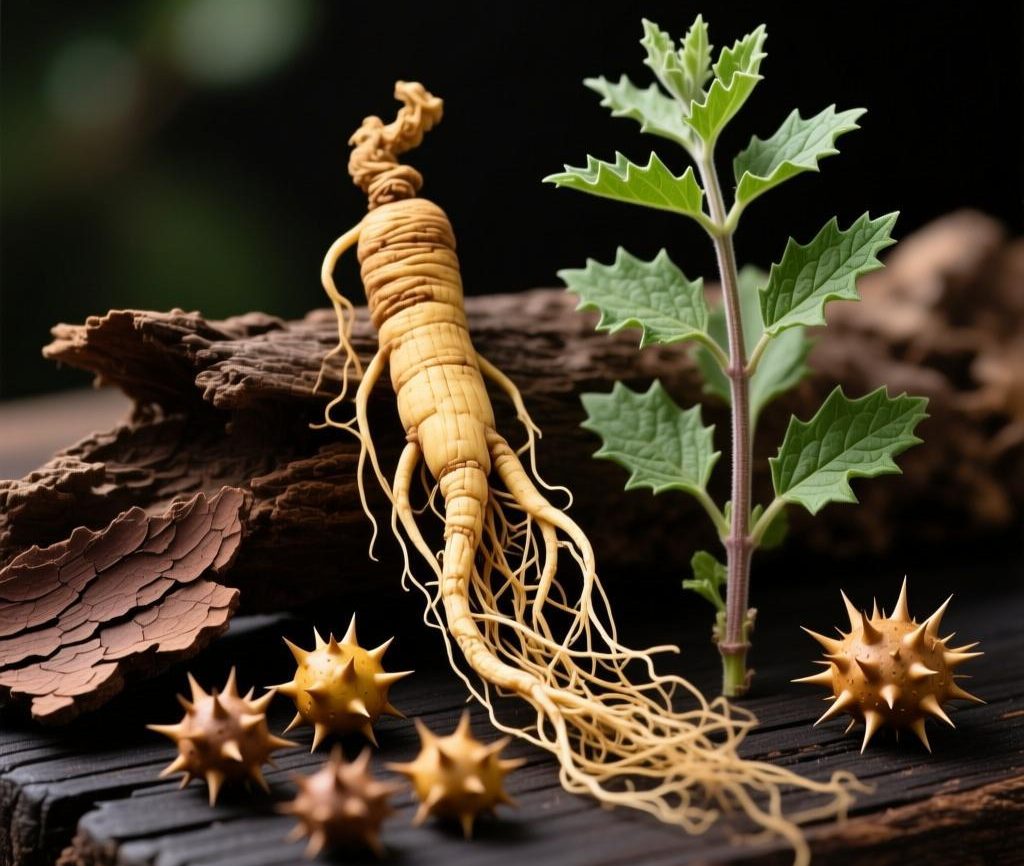
- Ginseng: Often touted for its energy-boosting and libido-enhancing properties. While some evidence suggests it may improve erectile function, its impact on penis size is unproven.
- Horny Goat Weed (Epimedium): Contains icariin, a compound believed to act as a PDE5 inhibitor (similar to Viagra). While icariin might improve blood flow, claims of size enhancement are unfounded.
- L-Arginine Supplements: As mentioned, L-arginine is a precursor to nitric oxide. While some men might experience improved erectile firmness with supplementation, the effect is often modest and may not work for everyone. High doses can also cause side effects (see the “Potential Risks” section below).
- Tribulus Terrestris: Commonly marketed for libido and muscle building. Evidence supporting its effectiveness for either purpose is weak and inconsistent. No evidence supports any impact on penis size.
- Yohimbine: Derived from the bark of the Yohimbe tree. It can act as an alpha-2 adrenergic blocker, potentially improving blood flow. However, it carries significant risks (see below) and is not recommended without close medical supervision.
The Role of Lifestyle Factors: A More Realistic Approach
While natural remedies often hold appeal, the most significant and sustainable improvements in sexual health are usually achieved through healthy lifestyle choices. These include:
- Maintaining a Healthy Weight: Obesity can negatively impact erectile function and overall sexual health.
- Regular Exercise: Improves blood circulation and hormone levels.
- Healthy Diet: A balanced diet rich in fruits, vegetables, and lean protein supports overall health and vascular function.
- Managing Stress: Chronic stress can impair sexual function. Stress-reduction techniques like meditation or yoga can be beneficial.
- Quitting Smoking: Smoking damages blood vessels, hindering blood flow to the penis.
- Limiting Alcohol Consumption: Excessive alcohol intake can negatively impact erectile function.
Potential Risks and Side Effects of Natural Remedies
While natural remedies are often perceived as safe, they are not without potential risks. Here’s a summary:
- L-Arginine: Can cause gastrointestinal distress (nausea, diarrhea), and may interact with certain medications.
- Horny Goat Weed: Can interfere with blood-thinning medications.
- Tribulus Terrestris: May cause stomach upset and allergic reactions.
- Yohimbine: Can cause anxiety, increased blood pressure, rapid heart rate, and seizures. It’s dangerous and should only be used under strict medical supervision.
- General: Interactions with other medications are always a possibility. “Natural” doesn’t mean “harmless.”
The Psychological Aspect: Body Image and Expectations
It’s crucial to acknowledge the psychological factors often driving the desire for penis size enhancement. Body image concerns, societal pressures, and unrealistic expectations can contribute to anxiety and dissatisfaction.
Open and honest communication with a partner, along with seeking professional help (therapy or counseling) if needed, can be invaluable.
Surgical Options: A Last Resort with Significant Risks
Surgical penis enlargement procedures exist, but they are generally considered risky and offer unpredictable results. They are typically not recommended unless there’s a documented medical condition causing size discrepancy or distress. Complications can include scarring, nerve damage, and permanent disfigurement.
Conclusion: Realistic Expectations and Evidence-Based Approaches
The claim that watermelon enhances penis size is a popular misconception. While watermelon and its citrulline content may offer some benefits for erectile function through increased nitric oxide production, there is absolutely no scientific evidence to suggest it increases penis size.
Focusing on overall health, adopting a healthy lifestyle, and managing psychological concerns are far more effective and sustainable approaches to improving sexual health and well-being.
Be wary of marketing claims promising miraculous size enhancements, and always consult with a qualified healthcare professional before taking any supplements or considering any procedures.
Important Disclaimers
This article is for informational purposes only and should not be considered medical advice. It is essential to consult with a qualified healthcare professional for any health concerns or before making any decisions related to your health or treatment.
The information provided in this article is not a substitute for professional medical advice. The author and publisher disclaim any liability for any damages or loss resulting from reliance on the information contained herein.
The effectiveness of natural remedies varies from person to person, and there are potential risks and side effects. Always discuss any supplements or remedies with your doctor before use, especially if you have any underlying medical conditions or are taking any medications.