
Erectile dysfunction (ED) is a common issue affecting millions of men worldwide, often linked to lifestyle factors such as obesity, poor diet, and sedentary behavior.
Recent research has highlighted a strong correlation between weight loss and improved sexual health, particularly in men experiencing ED.
Excess body weight is associated with hormonal imbalances, reduced blood flow, and metabolic disorders that can impair erectile function. Losing weight through lifestyle changes, such as diet and exercise, has been shown to enhance testosterone levels, improve cardiovascular health, and restore normal erectile function.
However, the relationship between weight loss and ED is complex, involving both physiological and psychological factors. This article explores the connection between weight loss and ED, examines the role of water fasting, evaluates the impact of exercise on penis size, and discusses the availability and efficacy of ED medications, including pricing, shipping, and return policies.
The Role of Water Fasting in Addressing Erectile Dysfunction
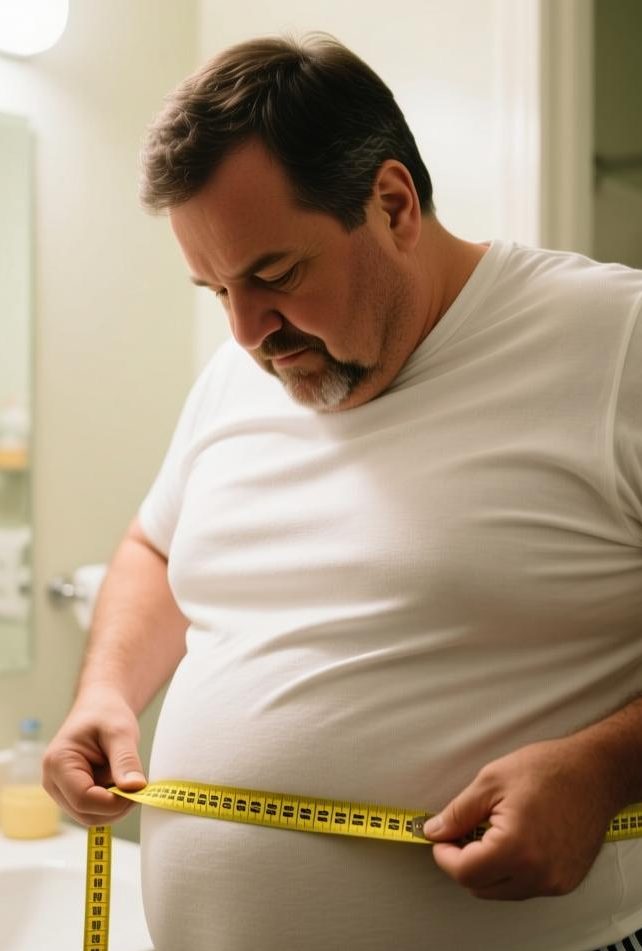
Water fasting, a practice involving the consumption of only water for a set period, has gained attention for its potential health benefits, including weight loss and metabolic improvement.
While scientific evidence on its direct impact on ED is limited, proponents argue that fasting can indirectly support sexual health by reducing inflammation, improving insulin sensitivity, and enhancing hormonal balance.
Obesity is a significant risk factor for ED, and water fasting can lead to rapid weight loss, which may alleviate symptoms in overweight individuals. However, the body’s response to fasting varies, and prolonged fasting without proper medical supervision can lead to nutrient deficiencies, fatigue, and hormonal fluctuations that may worsen ED.
Studies on fasting and sexual health are still in early stages, but preliminary findings suggest that short-term fasting (e.g., 24–72 hours) may improve endothelial function, which is critical for achieving erections.
For men with ED linked to obesity, water fasting could be a complementary strategy to weight loss, though it should not replace medical treatment or a balanced diet.
Critics of water fasting for ED caution that the practice is not a standalone solution. While weight loss can improve ED symptoms, fasting alone may not address underlying causes such as diabetes, hypertension, or psychological stress.
Additionally, fasting can lead to temporary decreases in libido and energy levels, which may exacerbate sexual dysfunction in some individuals.
For optimal results, water fasting should be combined with other lifestyle interventions, such as regular physical activity, stress management, and a nutrient-rich diet. Men considering fasting for ED should consult a healthcare provider to ensure it is safe and tailored to their specific health needs.
Can Exercise Increase Penis Size?

One of the most persistent myths in men’s health is the belief that exercise can significantly increase penis size. While physical activity is undeniably beneficial for sexual health, the notion that it can enlarge the penis is largely unfounded.
Most studies indicate that penis size is primarily determined by genetics and is not significantly altered by exercise. However, certain types of exercise, such as cardiovascular training and strength training, can improve overall blood flow and erectile function, which may enhance sexual performance and satisfaction.
For example, regular aerobic exercise, like running or swimming, promotes better circulation, which is essential for achieving and maintaining erections. Strength training, particularly exercises targeting the pelvic floor muscles (e.g., Kegels), can improve sexual stamina and control, though it does not increase penis size.
Some men turn to specialized exercises, such as jelqing or stretching routines, claiming they can increase penis size. However, these methods are not supported by scientific evidence and may pose risks such as injury or tissue damage.
The majority of clinical trials and peer-reviewed research have found no significant correlation between exercise and penis size. Instead, the focus should be on how exercise improves sexual health indirectly.
For instance, exercise reduces stress, enhances mood, and boosts testosterone levels, all of which contribute to better sexual function.
Men seeking to improve their sexual health should prioritize regular physical activity as part of a holistic approach rather than relying on unproven methods to alter penis size.
Pills for an Erection: Pricing, Shipping, and Returns
Erectile dysfunction medications, such as sildenafil (Viagra), tadalafil (Cialis), and vardenafil (Levitra), are among the most widely prescribed treatments for ED.
These pills work by increasing blood flow to the penis, enabling men to achieve and maintain erections. However, the cost, availability, and logistics of purchasing these medications can vary significantly depending on the country, pharmacy, and brand.
In the United States, generic versions of these drugs are often more affordable than brand-name counterparts, with prices ranging from $2 to $10 per pill. In contrast, some countries may have higher costs due to import restrictions or local pricing regulations.
Online pharmacies have become a popular option for purchasing ED medications, offering convenience, privacy, and competitive pricing. However, it is crucial to verify the legitimacy of the pharmacy to avoid counterfeit products.
Reputable online retailers typically provide clear pricing information, secure payment options, and detailed shipping policies. For example, many pharmacies offer free shipping on orders over a certain amount, while others charge a nominal fee for expedited delivery.
Returns and refunds are usually subject to the pharmacy’s return policy, which may require a valid prescription or proof of purchase.
When considering the cost of ED pills, men should also factor in the potential for long-term use. While these medications are generally safe for short-term use, prolonged reliance on them without addressing underlying causes (e.g., obesity, diabetes) may lead to dependency or diminished effectiveness.
In some cases, lifestyle changes or alternative treatments, such as therapy or natural supplements, may be more cost-effective and sustainable in the long run.
Where to Buy Erectile Dysfunction Medications and Supplements
Purchasing ED medications and supplements requires careful consideration to ensure safety, efficacy, and compliance with legal regulations.
In many countries, prescription medications like Viagra and Cialis are available only through licensed healthcare providers, while over-the-counter supplements and natural remedies may be sold in pharmacies, health stores, or online.
However, the quality and authenticity of products can vary widely, especially in the online marketplace.
Reputable pharmacies, both in-person and online, often stock FDA-approved ED medications alongside supplements such as L-arginine, ginseng, or DHEA, which are marketed for improving sexual health.
These supplements are generally considered safe but may interact with other medications or have side effects. For example, L-arginine can lower blood pressure, which may be risky for men with hypertension. It is essential to consult a healthcare provider before starting any new supplement regimen.
When buying ED medications online, consumers should look for pharmacies that require a valid prescription, provide detailed product information, and have secure payment options.
Legitimate online retailers often display certifications such as the Verified Internet Pharmacy Practice Sites (VIPPS) seal, which indicates compliance with U.S. regulatory standards. Additionally, customer reviews and ratings can help assess the reliability of a seller.
For men seeking alternatives to prescription drugs, natural supplements may offer a more affordable option, though their effectiveness is often less proven than pharmaceutical treatments.
The Psychological Impact of Erectile Dysfunction
Erectile dysfunction is not solely a physical condition; it often has profound psychological effects that can exacerbate the issue. Men experiencing ED may face feelings of shame, anxiety, or depression, which can strain relationships and reduce self-esteem.
The psychological burden of ED can create a cycle of performance anxiety, where the fear of failure during sexual activity further impairs erectile function. Addressing these emotional challenges is as critical as treating the physical symptoms.
Therapy and counseling can play a vital role in managing the psychological aspects of ED. Cognitive-behavioral therapy (CBT), for instance, helps men challenge negative thought patterns and develop healthier coping mechanisms. Couples therapy may also be beneficial, as ED can affect both partners and lead to communication breakdowns.
In some cases, antidepressants or anti-anxiety medications may be prescribed to alleviate psychological symptoms, though they should be used in conjunction with other treatments.
The connection between mental health and ED underscores the importance of a holistic approach to treatment. While weight loss, exercise, and medication can improve physical function, addressing the emotional and psychological factors is essential for long-term recovery. Men struggling with ED should not hesitate to seek professional support, as their well-being extends beyond the physical realm.
The Importance of Professional Medical Consultation
While lifestyle changes and over-the-counter solutions may help manage ED, it is crucial to seek professional medical advice for a comprehensive evaluation.
A healthcare provider can identify underlying causes such as hormonal imbalances, cardiovascular disease, or diabetes, which may require targeted treatment.
For example, men with diabetes may need stricter blood sugar control to improve erectile function, while those with hypertension may benefit from medication adjustments.
In addition to physical health assessments, healthcare providers can offer guidance on safe and effective treatment options. This may include prescription medications, hormone therapy, or surgical interventions such as penile implants.
For men considering alternative therapies, such as water fasting or supplements, a doctor can help determine their suitability and potential risks. Regular follow-ups are also important to monitor progress and adjust treatment plans as needed.
Professional consultation is particularly important for men with comorbid conditions or those who have not found relief through lifestyle changes alone.
A personalized treatment plan, developed in collaboration with a healthcare provider, can address both the physical and psychological aspects of ED, leading to improved sexual health and overall quality of life.
Conclusion: A Holistic Approach to Men’s Sexual Health
The link between weight loss and erectile dysfunction highlights the interconnected nature of physical health, lifestyle choices, and sexual well-being. While weight loss can improve ED symptoms by enhancing hormonal balance and cardiovascular health, it is not a standalone solution.
Complementary strategies such as water fasting, regular exercise, and the use of ED medications or supplements can play a role in managing the condition. However, these approaches must be tailored to individual needs and guided by professional medical advice.
The psychological impact of ED cannot be overlooked, as emotional factors can significantly influence sexual function. Addressing these challenges through therapy, counseling, or mental health support is essential for a holistic recovery.
Additionally, the availability and cost of ED treatments vary, emphasizing the need for informed decision-making when purchasing medications or supplements.
Ultimately, improving men’s sexual health requires a multifaceted approach that integrates medical care, lifestyle modifications, and emotional well-being.
By understanding the complex relationship between weight loss, ED, and other contributing factors, men can take proactive steps to enhance their sexual health and overall quality of life.
Consulting healthcare professionals, adopting healthy habits, and seeking support when needed are key to achieving long-term success in managing erectile dysfunction.