
As a physician with over 20 years of experience in urology and men’s health, I’ve seen a significant rise in men seeking help for sexual wellness concerns. Historically, conversations around male sexuality were often shrouded in stigma and silence, leading to unnecessary suffering.
Thankfully, the tide is turning, and men are becoming more proactive about their health. While prescription medications and surgical interventions certainly have their place in addressing severe conditions, many men experience milder issues that can be managed, and often improved, with readily available, non-prescription options.
This article explores a range of these options, acknowledging the importance of a holistic approach that encompasses lifestyle, diet, exercise, and targeted supplements. It’s crucial to understand that this information is for general knowledge and doesn’t substitute personalized medical advice.
Always consult with a healthcare professional before starting any new supplement regimen or making significant lifestyle changes, particularly if you have pre-existing medical conditions.
Understanding Male Sexual Wellness: A Multifaceted View
Male sexual wellness is far more complex than simply the ability to achieve or maintain an erection. It encompasses a broad spectrum of factors, including libido (sexual desire), erectile function, sexual performance, overall sexual satisfaction, and psychological well-being.
Declines in any of these areas can impact a man’s confidence, relationships, and quality of life. It’s vital to recognize that these issues are frequently interconnected. For example, stress, depression, and anxiety can significantly impair sexual desire and function.
Physical conditions like diabetes, high blood pressure, and obesity are also major contributors, impacting blood flow and hormonal balance. From a psychological perspective, body image issues, relationship problems, and past trauma can all play a role.
Therefore, a comprehensive assessment is crucial, and a patient-centered approach that addresses both physical and emotional needs is paramount.
Lifestyle Adjustments: The Foundation of Sexual Wellness
Often overlooked, lifestyle modifications form the bedrock of improving male sexual wellness. These changes, while sometimes simple, can have a surprisingly profound impact. Here’s a breakdown:
Diet and Nutrition
A balanced diet rich in fruits, vegetables, lean protein, and healthy fats supports overall health and directly benefits sexual function. Foods rich in antioxidants protect blood vessels from damage, ensuring optimal blood flow—essential for erections.
Foods like leafy greens (spinach, kale), berries, and dark chocolate are excellent choices. Limiting processed foods, sugary drinks, and excessive alcohol is equally important. Several nutrients are particularly beneficial, as discussed further in the supplement section.
Regular Exercise
Regular physical activity improves cardiovascular health, strengthens muscles (including those involved in sexual function), reduces stress, and boosts confidence – all contributing factors to better sexual wellness. Aerobic exercise like running, swimming, or cycling improves blood flow.
Strength training, especially exercises targeting the pelvic floor muscles (Kegel exercises – more on that below), are crucial for erectile strength and ejaculatory control. Even 30 minutes of moderate exercise most days of the week can make a significant difference.
Stress Management
Chronic stress can wreak havoc on hormonal balance and sexual desire. Effective stress management techniques are, therefore, vital. These can include meditation, yoga, deep breathing exercises, spending time in nature, pursuing hobbies, and seeking professional counseling if needed.
Sleep Hygiene
Adequate sleep is crucial for hormone regulation, including testosterone. Poor sleep can lead to fatigue, decreased libido, and impaired sexual function. Aim for 7-9 hours of quality sleep each night. Establishing a consistent sleep schedule, creating a relaxing bedtime routine, and ensuring a dark, quiet, and cool sleep environment can improve sleep quality.
Smoking Cessation & Alcohol Moderation
Smoking damages blood vessels, severely impairing blood flow and increasing the risk of erectile dysfunction. Quitting smoking is one of the most impactful steps a man can take to improve sexual health.
Excessive alcohol consumption can also negatively affect sexual function, impacting hormone levels and impairing nerve function. Moderation is key; limiting alcohol intake is advisable.
Targeted Supplements: A Complementary Approach
While lifestyle modifications are foundational, certain supplements have shown promise in supporting male sexual wellness. It’s absolutely crucial to understand that supplements are not a magic bullet and should be used in conjunction with a healthy lifestyle.
Furthermore, quality control can vary widely between brands. Choose reputable brands that undergo third-party testing to ensure purity and potency. Here’s a look at some commonly used supplements, with a discussion of their potential benefits and limitations:
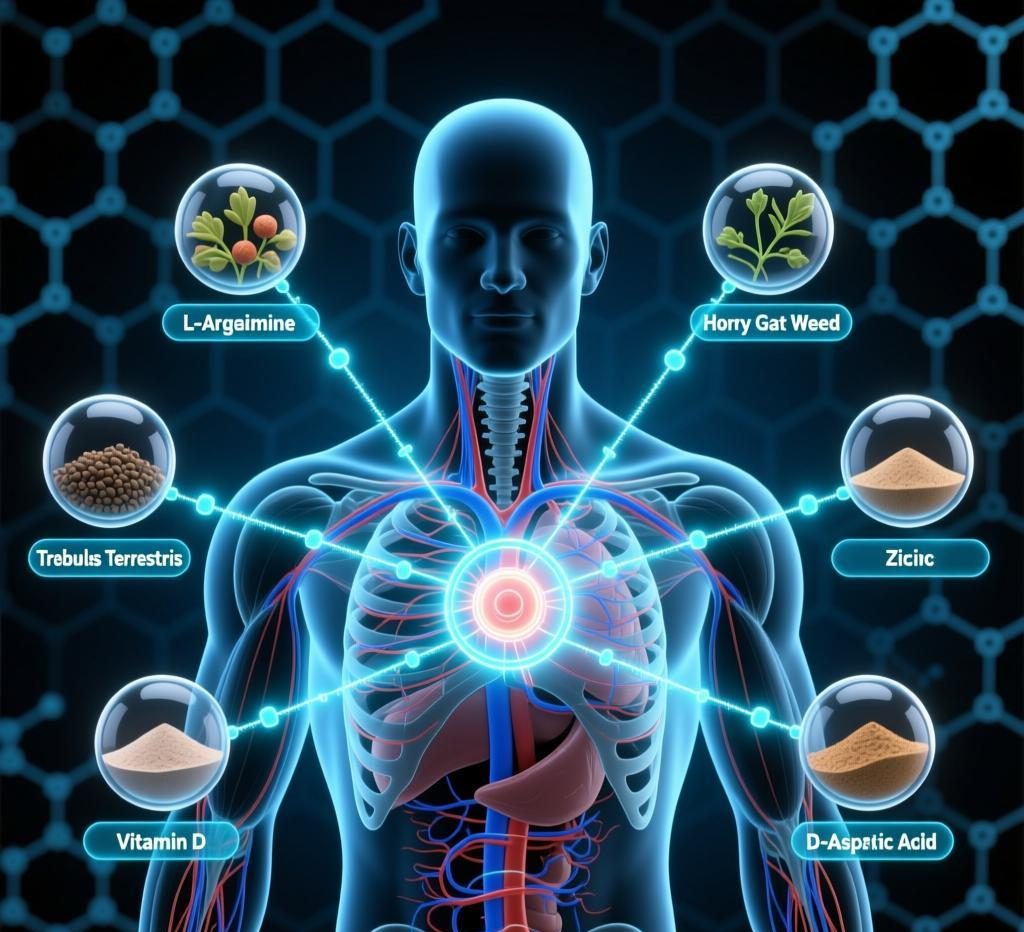
L-Arginine
L-Arginine is an amino acid that helps the body produce nitric oxide, a molecule that relaxes blood vessels, improving blood flow – a critical component of erections.
Some studies suggest L-Arginine may improve erectile function, particularly in men with mild to moderate erectile dysfunction. Dosage typically ranges from 500mg to 3000mg daily. Potential side effects include nausea, abdominal discomfort, and diarrhea.
Tribulus Terrestris
Tribulus Terrestris is an herb often marketed as a testosterone booster and libido enhancer. While some studies have shown a slight increase in libido, the evidence for significant improvements in testosterone levels or erectile function is inconsistent.
More research is needed. Dosage varies, but common recommendations are 250mg to 750mg daily. Generally considered safe, but potential interactions with medications should be considered.
Horny Goat Weed (Epimedium)
Horny Goat Weed contains a compound called icariin, which is believed to improve blood flow and promote erectile function. Some research suggests icariin may have similar effects to some prescription medications for erectile dysfunction.
It’s important to note that the bioavailability of icariin can be limited, and more research is needed. Dosage varies widely. Potential side effects are typically mild, but interactions with medications are possible.
Zinc
Zinc is an essential mineral involved in testosterone production and sperm health. Zinc deficiency can contribute to decreased libido and erectile dysfunction.
Supplementation may be beneficial for men with zinc deficiency, but excessive zinc intake can be harmful. Recommended daily intake is typically 15-30mg. Always consult with a doctor before supplementing with zinc, especially if you have any kidney problems.
Vitamin D
Vitamin D plays a role in testosterone production and overall health. Vitamin D deficiency is common and linked to decreased libido and impaired sexual function. Supplementation may be beneficial, especially for individuals with low vitamin D levels. A blood test can determine your vitamin D status. Dosage varies depending on individual needs.
D-Aspartic Acid (DAA)
DAA is an amino acid involved in testosterone synthesis. Some studies suggest it may temporarily increase testosterone levels, but the effects appear to be short-lived and may not translate to significant improvements in sexual function for everyone. Dosage typically ranges from 3000mg to 6000mg daily.
Pelvic Floor Exercises (Kegels) & Prostate Health
The pelvic floor muscles play a crucial role in sexual function, supporting erections and ejaculatory control. Kegel exercises – consciously contracting and relaxing these muscles – can strengthen them, improving erectile strength, preventing premature ejaculation, and enhancing overall sexual performance.
Men often overlook these exercises, but they are surprisingly effective. Resources online and through physical therapists can guide proper technique.
Prostate health is also vital for male sexual wellness. While benign prostatic hyperplasia (BPH) often requires medical intervention, maintaining overall prostate health through a diet rich in fruits, vegetables (particularly cruciferous vegetables like broccoli and cauliflower), and omega-3 fatty acids can be beneficial.
Supplements like saw palmetto are sometimes used to manage BPH symptoms, but the evidence is mixed and should be discussed with a doctor before use.
Addressing Psychological Factors
As mentioned earlier, psychological factors significantly impact male sexual wellness. Addressing these factors often requires professional help.
Therapy and Counseling
Cognitive Behavioral Therapy (CBT) can help men address negative thoughts and behaviors that contribute to sexual dysfunction. Couples therapy can improve communication and intimacy within relationships. Addressing underlying issues like depression, anxiety, and trauma is crucial for restoring sexual function and overall well-being.
Mindfulness and Relaxation Techniques
Practicing mindfulness and relaxation techniques can reduce stress and anxiety, which can positively impact sexual desire and performance.
Open Communication
Open and honest communication with a partner is essential for maintaining a healthy and fulfilling sexual relationship. Addressing concerns and desires openly can improve intimacy and satisfaction.
When to Seek Professional Medical Advice
While many men can manage mild sexual wellness concerns with non-prescription options, it’s essential to seek professional medical advice in the following situations:
- Persistent erectile dysfunction (difficulty achieving or maintaining an erection)
- Significant decrease in libido
- Painful intercourse
- Symptoms of prostate problems (frequent urination, difficulty urinating, blood in urine)
- Any sudden or unexplained changes in sexual function
- Concerns about hormonal imbalances (e.g., low testosterone)
A healthcare professional can conduct a thorough evaluation, identify any underlying medical conditions, and recommend appropriate treatment options, which may include prescription medications, surgery, or referral to a specialist.
Conclusion
Supporting male sexual wellness is a holistic endeavor that extends far beyond prescription medications. By adopting a healthy lifestyle, incorporating targeted supplements (under proper medical guidance), practicing pelvic floor exercises, and addressing psychological factors, men can take proactive steps to improve their sexual health and overall quality of life.
Remember that open communication with healthcare providers and partners is vital for navigating these challenges and achieving optimal sexual well-being. This journey requires patience, self-awareness, and a commitment to long-term health and wellness.
The information presented here serves as a starting point; individualized assessment and guidance from a qualified professional are essential for a successful and safe approach.