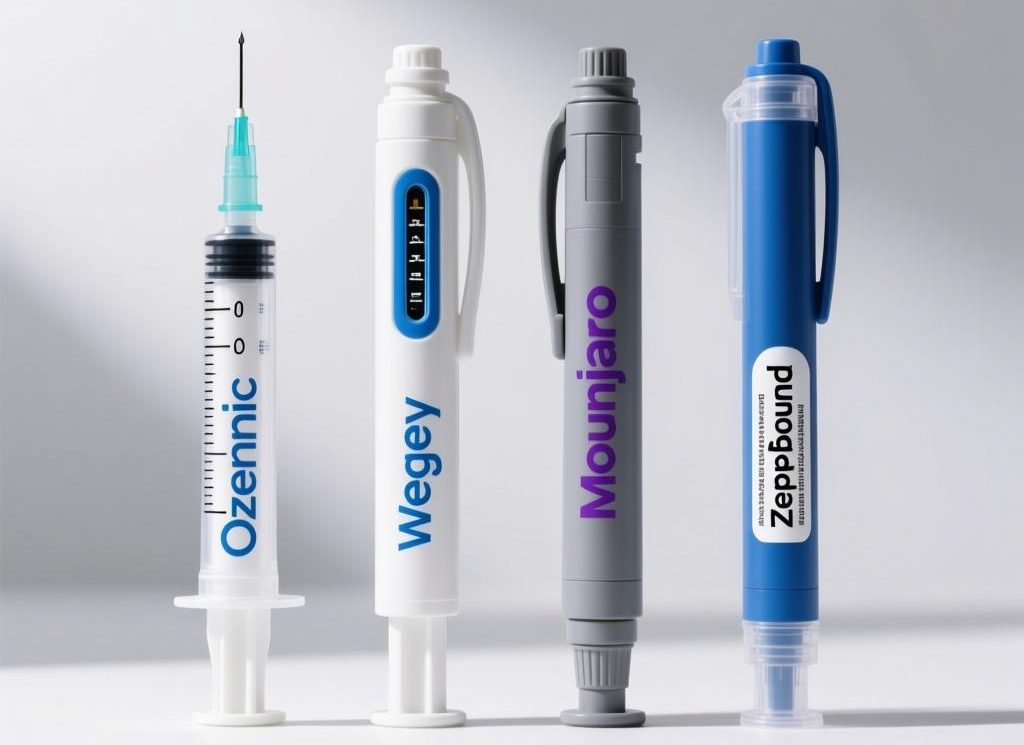
Scroll through any social feed these days and you’ll bump into someone talking about GLP-1 medications — Ozempic, Wegovy, Mounjaro, Zepbound. Some people are celebrating a whole new wardrobe. Others are venting about nausea that showed up out of nowhere. And a few are just trying to figure out what all the buzz is really about.
So we did what any curious friend would do: we listened. We dug through reviews, forum threads, support groups, and honest one-on-one stories to bring you what real GLP-1 users are actually saying — the good, the rough, and the surprisingly life-changing. No hype, no scare tactics. Just people sharing real experiences.
Why Everyone’s Suddenly Talking About GLP-1s
GLP-1 medications were originally developed to help people manage type 2 diabetes, but users quickly noticed something else: the scale started moving. These medications mimic a hormone that regulates appetite and blood sugar, which translates into feeling full faster and staying full longer.
For many people, that’s a game-changer. As one user put it in a review that collected thousands of likes: “For the first time in my life, the food noise stopped. I didn’t even know that was a thing until it went quiet.”
That phrase — “food noise” — comes up again and again in user reviews. It describes the constant mental chatter about food that so many people battle daily. And when it finally goes quiet? Users say it feels like getting their life back.
What Users Love About GLP-1s?
Across hundreds of reviews, a few favorite themes kept popping up. Here’s what happy users highlight most:
- Fewer cravings: “I used to think about donuts all day. Now I can walk past a bakery without a second thought,” one user shared.
- Smaller portions without willpower battles: Users say they naturally stop eating when full instead of cleaning the plate out of habit.
- Better blood sugar numbers: People with type 2 diabetes report improved A1C levels at checkups — something their doctors celebrate too.
- More energy for daily life: Carrying less weight means chasing kids, climbing stairs, and traveling feel easier.
- A confidence boost: From fitting into old jeans to feeling comfortable in photos again, the emotional wins run deep.
One woman in her fifties summed it up this way: “I’ve tried every diet since the ’80s. This is the first time I feel like the fight in my head is over. I’m not white-knuckling it anymore.”
What Users Wish They Knew Sooner?
Of course, it’s not all confetti and smaller jeans. Users are refreshingly honest about the downsides too — and their honesty is worth your attention.
The most common complaint by far is digestive trouble. Nausea, constipation, and occasional vomiting show up in a large share of reviews, especially in the first few weeks or after dose increases. One reviewer joked, “My stomach and I are in couples counseling,” and honestly, that captures the vibe.
Beyond side effects, users mention a few other realities:
- The cost is steep. Without insurance coverage, monthly prices can run into the hundreds of dollars, and not everyone can swing it.
- Supply shortages are frustrating. Some users describe pharmacy phone-tag hunts just to fill their prescriptions.
- Muscle loss is a concern. Savvy users emphasize strength training and protein intake to protect muscle while losing fat.
- It’s not a magic fix. The people happiest with their results consistently pair the medication with better eating and movement habits.
A recurring piece of advice from journey veterans: start slow, follow your prescriber’s titration schedule, and don’t rush to the highest dose. Many users say the toughest side effects hit when they increased doses too quickly.
What Kind of Results Are People Seeing?
Naturally, one of the biggest questions is about results. While every body responds differently, user-reported experiences tend to follow a familiar pattern. Here’s a snapshot based on shared user timelines:
| Time on Medication | What Users Commonly Report | The Vibe in Reviews |
|---|---|---|
| Weeks 1–4 | Reduced appetite, smaller meals, some nausea | “Adjustment mode” |
| Months 2–3 | Steady loss, often 5–10% of starting weight | “Clothes are getting loose!” |
| Months 4–6 | Visible changes, more energy, compliments roll in | “Feeling like myself again” |
| Months 6–12 | Slower, steadier progress toward goal weight | “A marathon, not a sprint” |
Clinical research backs up these anecdotes, with many participants losing meaningful weight over a year of use. But users are quick to remind newcomers: slower progress doesn’t mean failure. Consistency wins.
Different People, Different Perspectives
Not everyone comes to GLP-1s from the same starting line, and their reviews reflect that. Here’s how the conversation differs across groups:
- People managing type 2 diabetes often lead with health markers, celebrating better glucose readings and doctor visits that end with high-fives instead of lectures.
- Long-time dieters describe relief from the lose-regain-repeat cycle and gratitude for a tool that finally addresses biology, not just willpower.
- Parents talk about keeping up with their kids and wanting to be around — and active — for decades to come.
- Older adults mention aching joints easing as weight comes off, making walks and hobbies enjoyable again.
- Skeptics-turned-believers admit they assumed it was “the easy way out” until they tried it and discovered it still takes real effort.
That last point comes up a lot. Users push back hard on the idea that these medications are cheating. As one reviewer wrote, “The easy way out would be not thinking about food for 40 years. This is just a different door into the same hard work.”
How Much Weight Can You Really Lose on GLP-1 Medications?
This is the number-one question, and the honest answer is: it depends. Clinical trials show average weight loss in the range of 15% or more of starting body weight over about 68 weeks for some medications, though individual results vary widely.
In user reviews, real-world numbers tend to be more modest but still meaningful — many report losing 10–20% of their body weight within the first year. Some plateau earlier, others keep going. The users reporting the best outcomes treat the medication as a partner to healthier habits, not a replacement for them.
One helpful framing from a long-term user: “Think of it as turning down the volume on hunger, not hitting mute forever. You still have to learn new habits — the medicine just gives you enough breathing room to build them.”

What Are the Most Common Side Effects Users Report?
Digestive issues top the list. In reviews and user surveys, the most frequently mentioned side effects include:
- Nausea (especially after dose increases or greasy meals)
- Constipation
- Diarrhea
- Heartburn or acid reflux
- Fatigue in the early weeks
The good news from the community: most people say these effects fade within a few weeks. Veteran reviewers share survival tips like eating smaller meals, avoiding fried and fatty foods, staying hydrated, and keeping ginger tea on standby.
Users also stress reporting anything unusual to a doctor right away — severe abdominal pain, signs of an allergic reaction, or symptoms of low blood sugar deserve immediate attention. The consensus is clear: use these medications with medical supervision, not as a DIY project.
Do You Have to Stay on GLP-1 Medications Forever?
Honestly? This is where reviews get the most emotional. Some users choose a long-term maintenance dose and feel great about it. Others transition off and keep their results with the habits they built along the way.
Here’s the reality users describe: appetite tends to return when the medication stops, and some weight regain is common — which is why many doctors now treat obesity as a chronic condition that may need ongoing management, just like high blood pressure.
Successful maintainers share a common playbook: keeping protein high, continuing strength training, planning meals, and weighing in regularly to catch small creep before it becomes a big rebound. Their message to newcomers is hopeful but real: build the habits while the medication gives you a head start.
One maintainer put it perfectly: “The drug opened the door. I’m the one who had to walk through it — and keep walking.”
Are GLP-1 Medications Worth the Cost?
Ah, the money question. Answers split into camps, mostly along insurance lines.
Users with solid prescription coverage often call it a no-brainer, especially those whose health markers improved enough to reduce other medications. Users paying out of pocket do more math — weighing monthly costs against groceries, gym memberships, and the value of simply feeling good.
Several reviewers credit manufacturer savings programs, telehealth options, and pharmacy discount programs with making treatment possible. Others recommend comparing prices across pharmacies, since costs can vary surprisingly widely.
The most repeated line in value-focused reviews says it best: “It’s expensive, but so was my health falling apart. I’d rather pay this than that.”
The Bottom Line: What Real Users Want You to Know
After hundreds of experiences, a few honest takeaways rise to the top. GLP-1 medications aren’t magic, but for many people they’re the most effective tool they’ve ever used. Results take patience, side effects are real but usually manageable, and the lifestyle work still matters.
Most importantly, the people seeing the best results aren’t chasing quick fixes — they’re building sustainable habits with a little pharmaceutical help. If you’re curious whether a GLP-1 might be right for you, the users’ collective advice is unanimous: talk to your doctor, ask questions, and go in with realistic expectations.
Real people, real results — and real honesty about what the journey looks like. That’s worth more than any ad campaign.