Erectile dysfunction (ED) is a common and often distressing condition affecting millions of men worldwide. It’s not simply an inability to achieve or maintain an erection; it’s frequently a symptom of underlying physiological or psychological issues.
From a patient’s perspective, ED can erode self-esteem, impact relationships, and contribute to feelings of anxiety and depression. Mark, a 52-year-old patient I recently consulted, expressed this perfectly: “It wasn’t just about the erections. It was about feeling like I wasn’t the man my partner needed, or even the man I thought I was.”
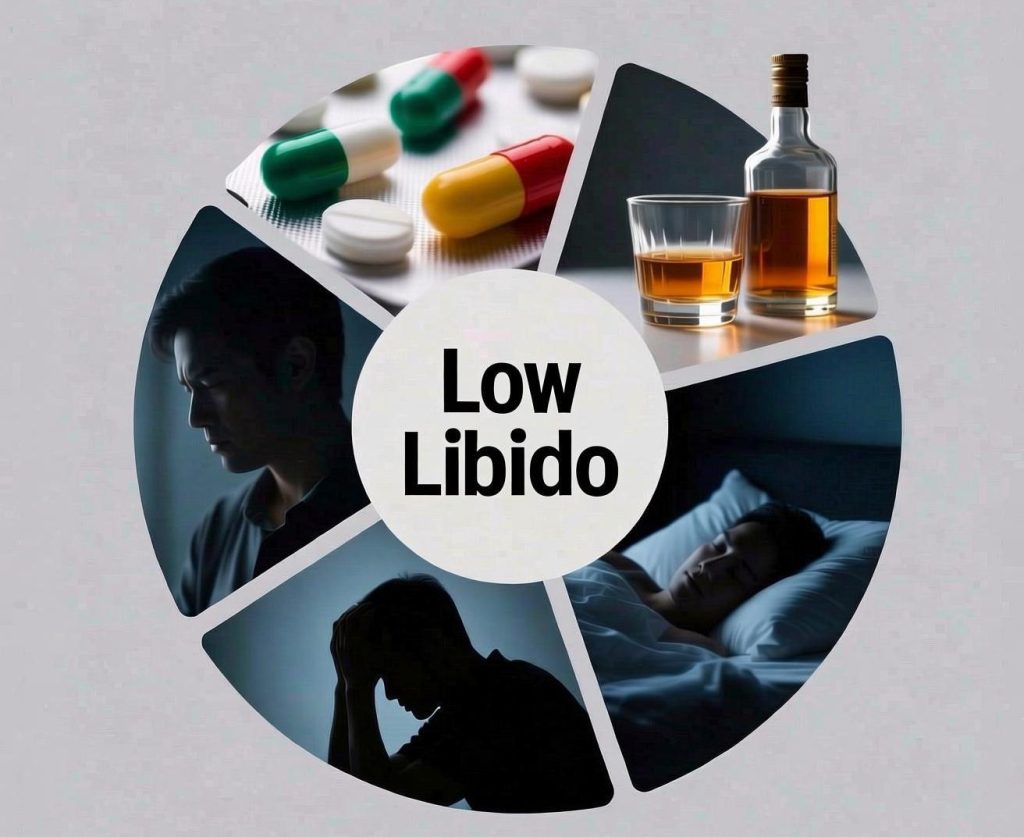
The causes of ED are incredibly varied. Vascular issues (plaque buildup in blood vessels), neurological problems (nerve damage), hormonal imbalances (low testosterone), and psychological factors (stress, anxiety, depression) all play significant roles.
Furthermore, many men experience a combination of these factors. While medications like PDE5 inhibitors (Viagra, Cialis) have revolutionized ED treatment, they aren’t effective for everyone, and side effects can be a concern.
The Science Behind Shockwave Therapy: A Physicist’s View
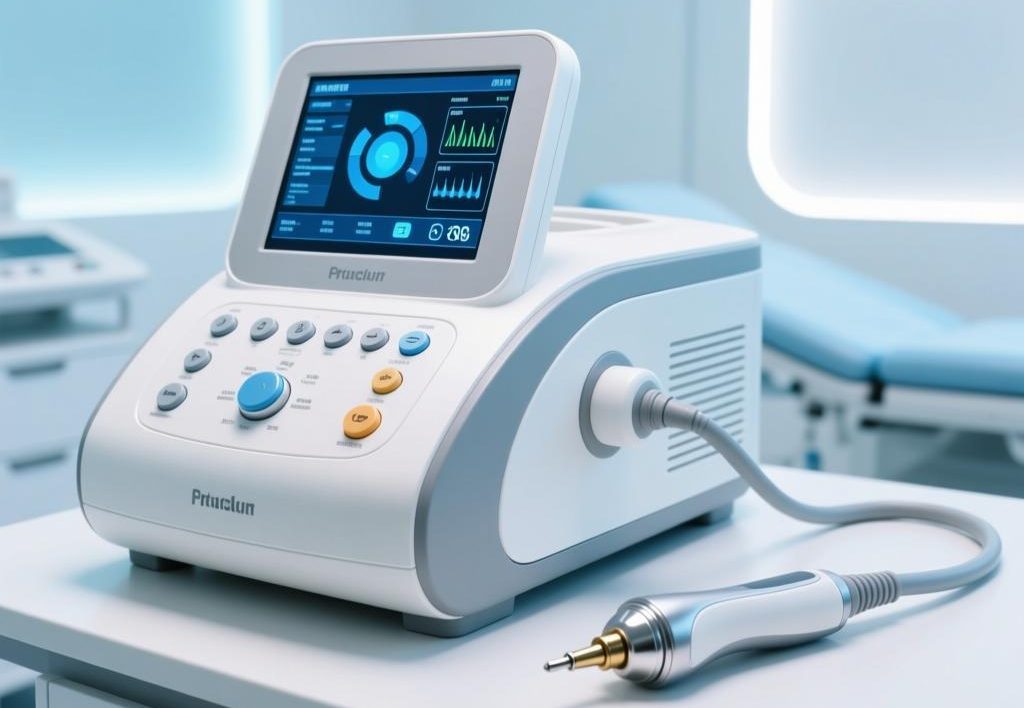
Dr. Anya Sharma, a physicist specializing in acoustic wave technology, offers insights into the underlying mechanisms. “Low-intensity shockwave therapy (LISWT) isn’t about shattering anything,” she explains. “It utilizes acoustic waves, specifically, radial or focused shockwaves, delivered non-invasively to the penile tissue. These waves create micro-trauma, stimulating neovascularization – the formation of new blood vessels. The body’s natural healing response then repairs this micro-trauma, leading to improved blood flow and potentially restoring erectile function.”
“The key is the intensity of the waves,” Dr. Sharma emphasizes. “High-intensity shockwaves are used for breaking up kidney stones, but they would be incredibly damaging to penile tissue. LISWT uses significantly lower energy levels. The frequency and number of pulses are also critical factors in efficacy and safety. We’re constantly refining device parameters to optimize therapeutic effect while minimizing potential adverse reactions.” Different types of shockwave delivery exist – radial (more common and less expensive) and focused (potentially more targeted). Each has its own advantages and disadvantages.
A Urologist’s Perspective: Clinical Application and Patient Selection
Dr. David Chen, a urologist with 20 years of experience, provides a clinical perspective. “LISWT represents a promising, albeit still evolving, therapeutic option for ED, particularly in men with vasculogenic ED – those where the primary issue is poor blood flow. It’s not a guaranteed cure, and patient selection is crucial.”
“We typically consider LISWT for men who have failed or are intolerant of PDE5 inhibitors. It’s also helpful in patients with mild to moderate ED. The best candidates often have evidence of impaired arterial inflow. A duplex ultrasound of the penile arteries is frequently performed to assess blood flow before initiating treatment. It’s important to understand that LISWT is not a suitable treatment for ED caused primarily by psychological factors or severe anatomical abnormalities.”
Dr. Chen outlines the typical treatment protocol: “Usually, we administer six sessions, each lasting around 30 minutes, over a period of 3-6 weeks. The number of pulses and energy density are carefully calibrated based on the patient’s individual characteristics. While some men experience improvement immediately, it can take several months to see the full effects.”
Cost and Accessibility Considerations
While shockwave therapy offers a compelling alternative to traditional treatments, its cost and accessibility can pose challenges for some patients. The price of the therapy varies depending on the clinic, geographic location, and the number of sessions required.
In many regions, insurance coverage for shockwave therapy is limited, which can make it a costly option for patients without adequate financial resources.
However, as the therapy gains recognition for its efficacy, some insurance providers and healthcare systems are beginning to expand coverage, particularly for patients with chronic or refractory ED.
Accessibility is another important factor, as the availability of specialized clinics and trained practitioners can vary widely. Patients in rural or underserved areas may face difficulties in accessing the treatment, highlighting the need for broader dissemination of resources and education.
Telemedicine and digital health platforms are emerging as potential solutions to bridge this gap, allowing patients to consult with specialists remotely and receive guidance on treatment options.
Despite these challenges, the growing demand for non-invasive, regenerative therapies like shockwave therapy underscores its significance in the evolving landscape of sexual health care.
Patient Experiences and Expectations: A Qualitative Assessment
From a patient perspective, shockwave therapy offers a unique blend of hope and practicality. Many men who have tried conventional treatments without success find relief and renewed confidence in the non-invasive nature of the therapy.
Patient testimonials often highlight the gradual improvement in erectile function, with some reporting noticeable changes within weeks of starting treatment.
The psychological benefits of regaining sexual function cannot be overstated, as ED can lead to feelings of inadequacy, depression, and relationship strain, which are often alleviated through successful treatment.
Returning to Mark’s story, his experience illustrates the complexities of LISWT. “Initially, I was skeptical. I’d tried medication, and it just wasn’t working. The pain was minor, more of an uncomfortable tingling. I didn’t notice any immediate changes, and I was starting to lose hope. But then, after about three months, I started to feel… something. My erections were firmer, and I needed medication less often. It’s not a complete fix, but it’s definitely made a difference in my quality of life.”
However, patient experiences can vary, and it is essential to manage expectations. While some individuals may achieve full recovery, others may experience partial improvement, emphasizing the importance of a personalized treatment plan.
Factors such as the severity of ED, the presence of comorbid conditions, and adherence to lifestyle modifications can influence outcomes.
Patients are also encouraged to engage in open communication with their healthcare providers to address concerns, monitor progress, and adjust the treatment plan as needed.
The holistic approach of shockwave therapy, which considers both physical and psychological aspects of ED, aligns with the broader goals of patient-centered care.
Research and Long-Term Outcomes: A Scientific Investigation
Dr. Emily Carter, a researcher specializing in sexual health, is conducting a longitudinal study on the long-term efficacy of LISWT for ED. “The existing data is encouraging, but more rigorous, controlled studies are needed. While some studies have shown sustained improvement in erectile function for up to a year or even longer, other studies have shown less dramatic or shorter-lived benefits.”
“Our research is focusing on identifying biomarkers that can predict treatment response. We’re looking at factors like penile vascular reactivity, hormone levels, and genetic predispositions. We’re also examining the optimal treatment parameters – pulse frequency, energy density, and number of sessions. A major challenge is the heterogeneity of ED – there’s no one-size-fits-all approach.”
She further emphasizes, “It’s crucial to differentiate between subjective improvement (patient-reported outcomes) and objective improvement (measured, for example, by Doppler ultrasound). Ideally, we want to see both.”
Contraindications and Potential Risks: Addressing Safety Concerns
While LISWT is generally considered safe, it’s not without potential risks and contraindications. Dr. Chen explains: “Men with bleeding disorders, those taking anticoagulant medications, or those with certain penile implants are not suitable candidates. It’s important to have a thorough medical history and physical examination before initiating treatment.”
Potential side effects are typically mild and transient. These can include mild pain or discomfort during treatment, temporary bruising, swelling, or tingling sensations. Rarely, more serious complications such as penile pain or scarring have been reported. “We carefully screen patients to minimize these risks,” Dr. Chen adds.
The field of LISWT for ED is rapidly evolving. Dr. Sharma discusses future trends: “We’re seeing advancements in device technology, including more precise focusing capabilities and real-time feedback systems. There’s also research exploring the combination of LISWT with other therapies, such as platelet-rich plasma (PRP) injections, to enhance neovascularization.”
Dr. Carter adds, “Personalized medicine is the future. By identifying specific biomarkers and tailoring treatment protocols to individual patient profiles, we can potentially improve outcomes and minimize risks. Furthermore, the integration of artificial intelligence (AI) could assist in treatment planning and monitoring.”
Conclusion: A Hopeful Horizon for Erectile Health
Low-intensity shockwave therapy represents a promising new avenue for addressing erectile dysfunction, particularly for men with vascular-related issues. While it’s not a panacea, and patient selection and realistic expectations are vital, the potential to stimulate neovascularization and restore erectile function offers renewed hope for many.
Continued research, technological advancements, and a patient-centered approach are essential to optimizing outcomes and ensuring the responsible application of this innovative therapy.
Mark’s regained confidence and improved quality of life exemplify the potential impact of this treatment when applied thoughtfully and appropriately.
As Dr. Carter concludes, “We’re still at the beginning of this journey, but the early indications are encouraging, and the future looks bright for innovative approaches to reclaiming erectile function.”