Picture this: it is 3 a.m., your big toe is throbbing like it is on fire, and even the weight of a bedsheet feels unbearable. If you have experienced a gout attack, you know exactly what I am talking about.
I meet patients every week who are terrified of their next flare-up — and pleasantly surprised when they learn how much power sits on their dinner plate. Gout is one of the most diet-sensitive conditions I treat.
While medications matter for many people, what you eat and drink can be the difference between frequent, agonizing attacks and long stretches of comfortable, pain-free living. So let us skip the medical jargon and break it all down the way I would in my office: what to pile on your plate, what to push aside, and why.
What Is Actually Going On During a Gout Attack?
Gout is a form of inflammatory arthritis caused by uric acid. Your body makes uric acid when it breaks down substances called purines, which come both from your own cells and from certain foods.
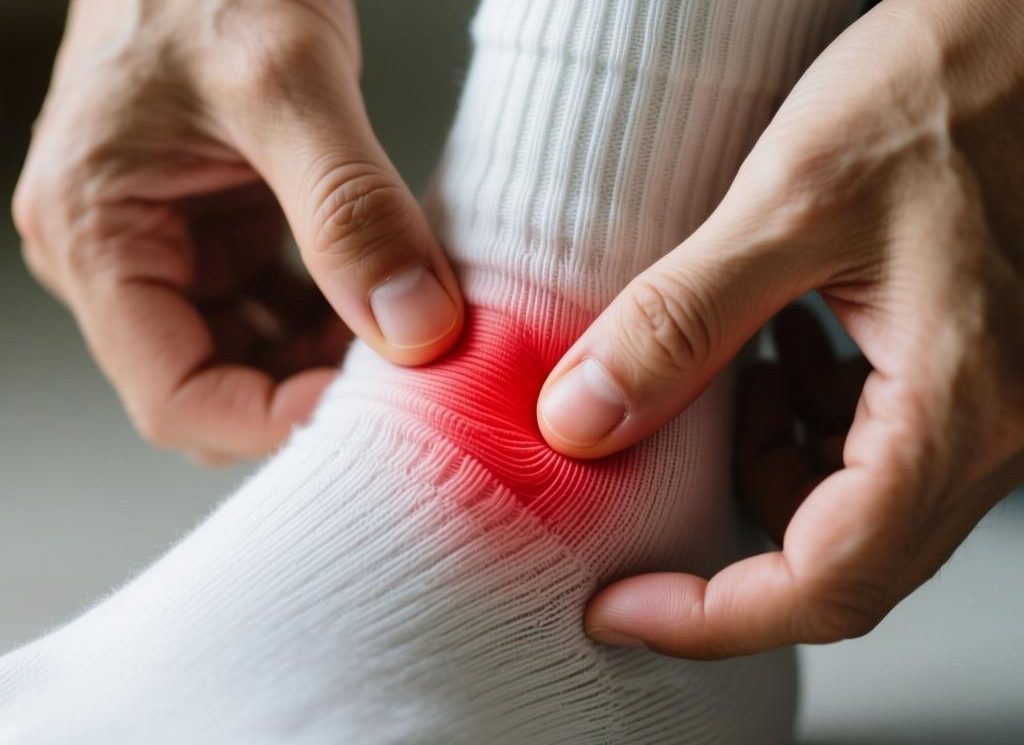
When uric acid levels climb too high, tiny, needle-shaped crystals form in joints — most often the big toe, but also ankles, knees, wrists, and elbows. Your immune system attacks those crystals, and the result is redness, swelling, heat, and some of the worst joint pain a person can experience.
People often confuse gout with other causes of aching joints, and if you have ever wondered why your knees hurt after no injury at all, it is worth getting a proper diagnosis — the treatments are very different.
Genetics play a large role in gout, kidney function matters too, but here is the encouraging part: the foods that raise uric acid are well known, and avoiding them genuinely reduces attacks. Diet is not the whole story, but it is a chapter you fully control.
Build Your Plate Around These
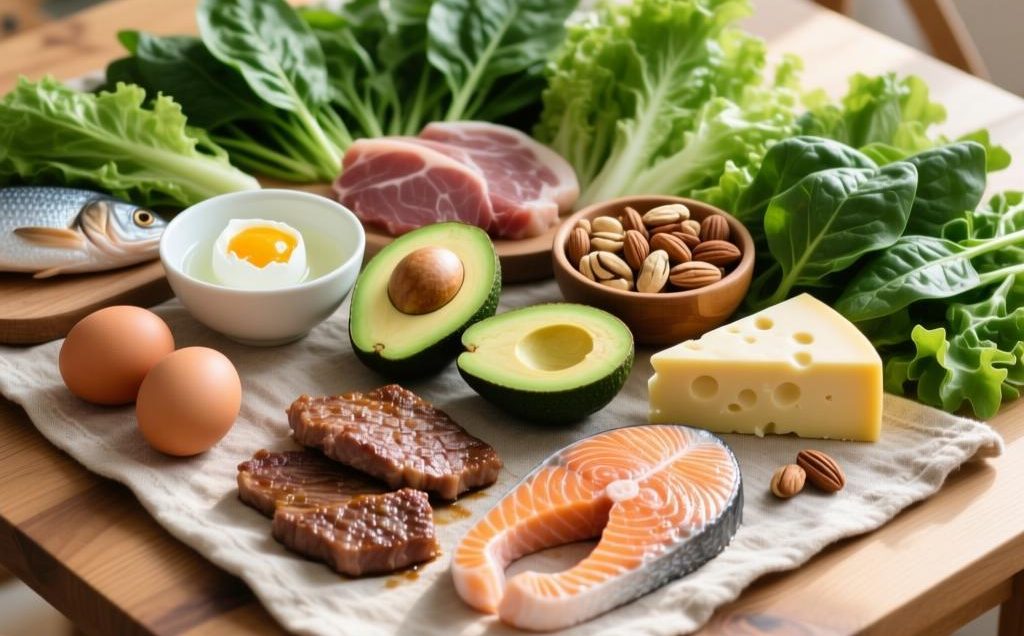
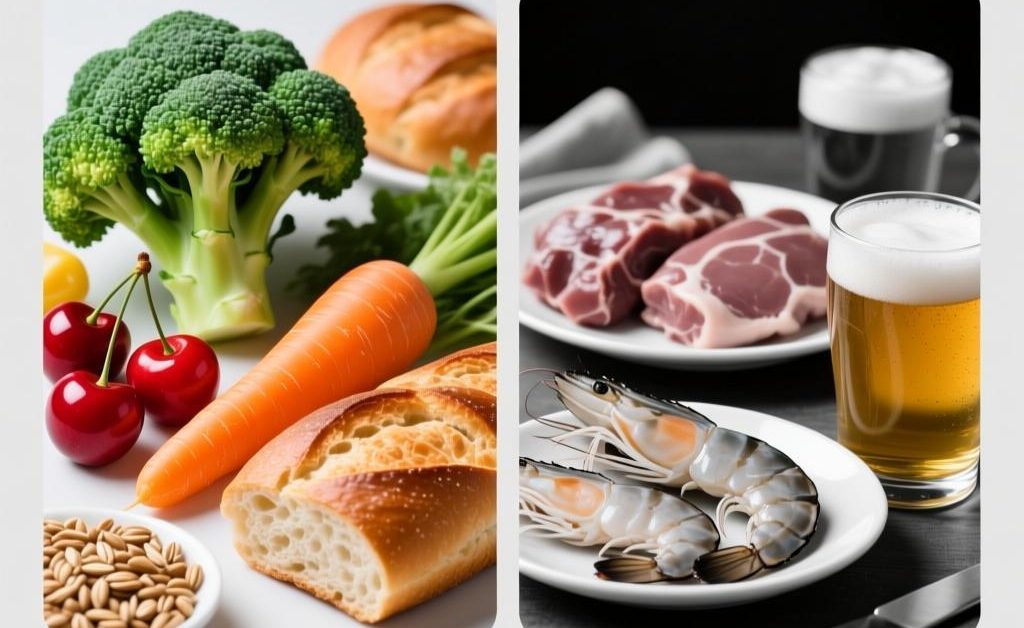
The good news about a gout-friendly diet is that it looks a lot like a healthy Mediterranean-style way of eating. Nothing exotic, nothing expensive — just real food. Here are the categories I encourage my patients to emphasize:
- Low-fat dairy: Skim milk, low-fat yogurt, and cottage cheese actually help your kidneys flush out uric acid. Studies show regular dairy eaters have lower gout risk.
- Cherries and berries: Cherries in particular have been linked to fewer gout attacks, likely thanks to their natural anti-inflammatory compounds. Strawberries, blueberries, and blackberries are great too.
- Coffee: Regular, unsweetened coffee is associated with modestly lower uric acid levels. Yes, your morning brew gets a green light.
- Vegetables, all of them: Even vegetables high in plant purines — asparagus, spinach, mushrooms, cauliflower — do not raise gout risk. That old myth has been debunked. Eat your veggies freely.
- Whole grains and legumes: Brown rice, oats, lentils, and beans provide fiber and steady energy without stressing your joints. Beans in particular are a smart protein swap for meat.
- Vitamin C-rich foods: Oranges, bell peppers, kiwi, and tomatoes help lower uric acid over time.
- Healthy fats: Olive oil, avocados, and nuts support overall health without adding purine load.
- Eggs: Practically purine-free and an excellent protein source when you are cutting back on meat.
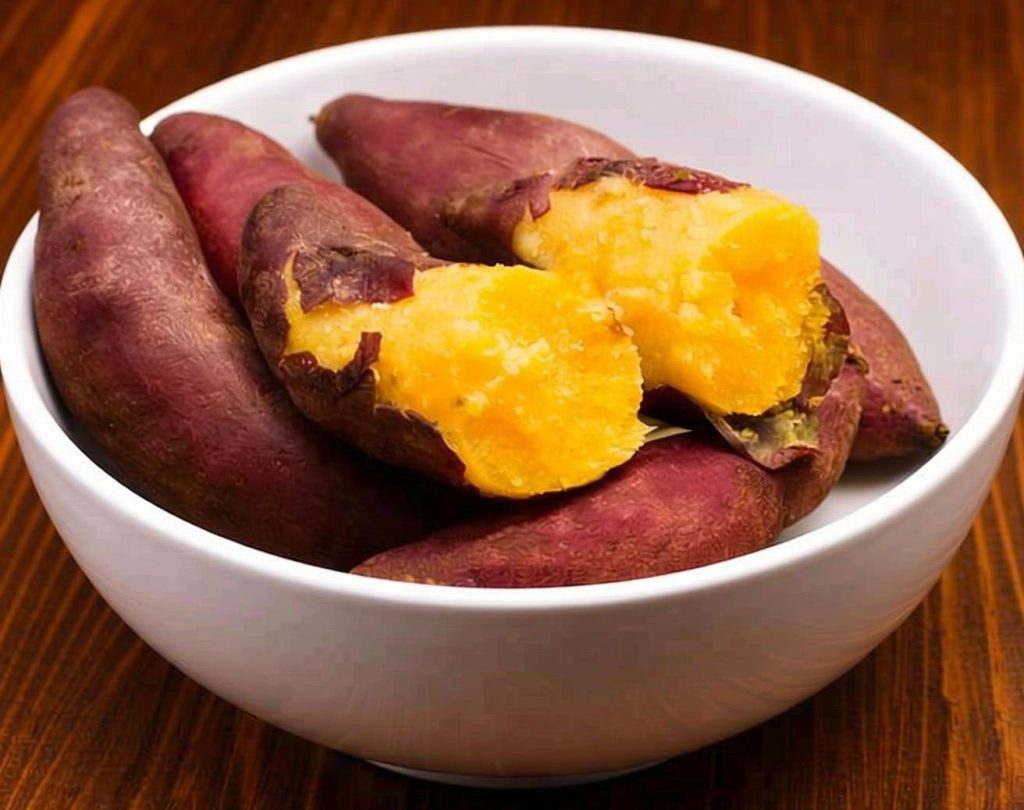
A simple way to think about it: fill half your plate with vegetables, a quarter with a purine-light protein like eggs, dairy, or legumes, and a quarter with whole grains. If weight loss is also on your agenda, these same weight loss power foods do double duty — and gentle, complex carbohydrates like sweet potatoes fit perfectly into a gout-friendly, waistline-friendly plate.
The Usual Suspects Behind Flare-Ups
Now for the part nobody loves hearing — but knowledge here is protection. These are the foods most likely to push your uric acid up and trigger an attack:
| Foods to Limit or Avoid | Why They Cause Trouble |
|---|---|
| Organ meats (liver, kidneys, sweetbreads) | The highest purine content of any food group |
| Red meat (beef, lamb, pork) in large amounts | Moderate purine load; keep portions small and occasional |
| Seafood — anchovies, sardines, mackerel, herring, scallops, mussels | Very high in purines |
| Beer | Double whammy: brewer’s yeast is purine-rich and alcohol blocks uric acid removal |
| Liquor and spirits | Interfere with your kidneys’ ability to clear uric acid |
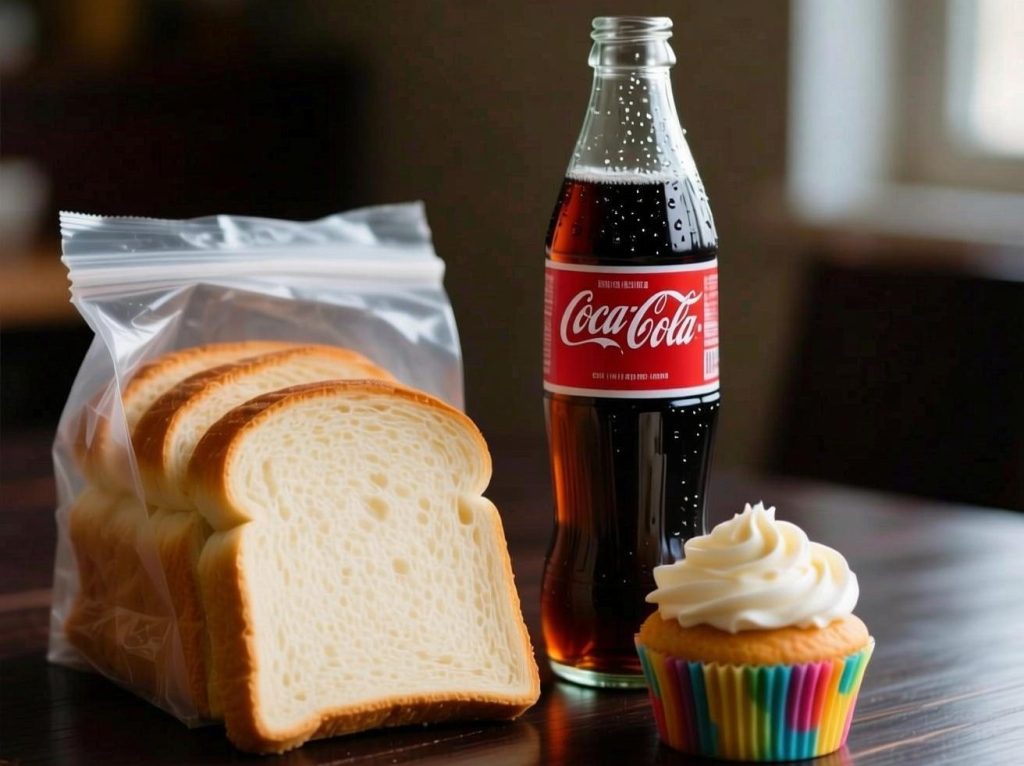
| Sugary drinks and fruit juice | Fructose directly drives uric acid production |
| High-fructose corn syrup in candy, baked goods, sauces | Same fructose problem, hiding in processed food |
| Yeast extracts and gravies made from meat drippings | Concentrated purines |
Notice what is not on this list: chicken, turkey, and most fish like salmon are in the moderate range — most people with gout can eat reasonable portions a couple of times a week without issue.
And remember my earlier point: vegetables with plant purines are fine. The purines in meat and seafood behave very differently in your body than the ones in spinach or mushrooms.
When in doubt, remember this hierarchy: organ meats and small oily fish are the worst offenders, alcohol and sugary drinks are close behind, and ordinary portions of everyday meats are a “moderate, watch the portion” category.
What You Drink Matters as Much as What You Eat
If I could change only one thing for my gout patients, it would often be their drinks, not their dinner. Beer is the classic trigger — it is not just the alcohol but the purine-rich yeast that makes it particularly risky.
Spirits raise risk too, because alcohol tells your kidneys to prioritize clearing the alcohol over clearing uric acid. Wine, in modest amounts, appears to be the least harmful option, though “least harmful” is not the same as “helpful.” Meanwhile, the sneaky villain in modern diets is sugary soda and fruit juice.
Fructose — the sugar in these drinks — kicks uric acid production into high gear, and studies have linked regular soda consumption with significantly higher gout risk.
So what should you drink? Water, and plenty of it. Good hydration helps your kidneys flush uric acid out, and it dilutes the urine so crystals are less likely to form. Aim for at least eight glasses a day, more during hot weather or exercise. Add lemon or lime slices if plain water bores you — citrus is a bonus.
Coffee and skim milk, as mentioned earlier, are smart daily choices too. And since you are protecting your joints, treat sugary drinks the way you treat organ meat: a rare occasion or never.
Why Losing a Few Pounds Helps Your Joints
Carrying extra weight is one of the strongest risk factors for gout — and one of the most fixable. Excess body fat increases uric acid production and decreases how efficiently your kidneys clear it. Losing even five to ten pounds can meaningfully lower your uric acid level and reduce attack frequency.
Better still, weight loss takes pressure off your knees, ankles, and feet, where gout loves to strike. But — and this is important — how you lose weight matters. Crash diets and fasting can actually trigger gout attacks, because rapid breakdown of body tissue releases a burst of purines all at once.
If you are curious about intermittent fasting, know that aggressive, prolonged fasts are risky for gout sufferers; gentler approaches with medical guidance are safer. Aim for a slow, steady loss of one to two pounds per week through portion control and the foods in the “enjoy” list above.
A sustainable plan built on smart nutrition and lifestyle changes will serve your joints far better than any quick fix — and the same anti-inflammatory pattern that fights gout also supports long-term heart health, which matters because gout and cardiovascular disease travel together.
A Simple Day of Gout-Friendly Eating
Patients often ask me what a gout-friendly day actually looks like on a plate. Here is a realistic example — no fancy ingredients, no suffering:
- Breakfast: A bowl of plain low-fat yogurt with cherries or berries, a sprinkle of oats, and coffee with a splash of milk.
- Lunch: A big salad with chickpeas, boiled egg, spinach, tomatoes, and olive oil vinaigrette, plus a slice of whole-grain bread.
- Snack: An orange and a small handful of walnuts, or a glass of skim milk.
- Dinner: A moderate portion of roasted chicken (about the size of your palm), brown rice, steamed broccoli, and a baked sweet potato.
- Drinks: Water throughout the day — eight glasses or more.
Notice there is still meat in that plan. A gout diet is about moderation and smart choices, not deprivation. You are swapping out the highest-risk foods and building meals around the many delicious things that are actively good for you.
And because this way of eating is naturally low in sugar and refined carbs, many of my patients find it also helps them manage their blood sugar balance and energy levels at the same time — a nice bonus, since diabetes and gout often show up together.
Other Habits That Protect Your Joints
Food is the star of gout management, but a few supporting habits deserve mention. First, stay active — regular, gentle movement like walking, swimming, and cycling keeps joints mobile and helps with weight control, though avoid hammering a joint during a flare. Second, stay hydrated, as mentioned.
Third, do not smoke, and talk to your doctor about all medications you take, since some (like certain diuretics) raise uric acid. Fourth, during an acute attack, rest and elevate the joint, ice it, and follow your doctor’s guidance on anti-inflammatory treatment.
Some of my patients also ask whether natural ways to ease arthritis pain — like warm compresses, gentle stretching, or anti-inflammatory foods such as turmeric and ginger — can help alongside their diet. They can, as supportive measures.
If you have gout, you may also wonder about collagen for your joints — the evidence for collagen in gout specifically is thin, so do not expect miracles, but keeping joints generally healthy through movement and a balanced diet is always worthwhile.
What I caution against is relying on unverified supplements instead of proven treatment — a chat about supplements with your doctor is always smarter than self-prescribing.
FAQs About Eating for Gout
Can I ever eat steak or seafood again?
Yes — in moderation. Occasional small portions (three to four ounces) of steak, chicken, or moderate-purine fish like salmon are fine for most people whose gout is well controlled. Save organ meats, anchovies, sardines, and shellfish for the “rarely or never” list, and never during or right after a flare.
Is coffee bad for gout?
Surprisingly, no — regular, unsweetened coffee is actually associated with lower uric acid levels and reduced gout risk. Just skip the sugar-loaded café drinks, which bring fructose back into the picture.
What about tomatoes? I heard they trigger gout.
For most people, tomatoes are perfectly fine, and vitamin C-rich produce generally helps. A small number of individuals report tomatoes as a personal trigger, so if you notice a pattern, track it and adjust. Otherwise, enjoy them.
Do cherries really work?
There is genuine research behind cherries: several studies have linked cherry intake — whether fresh, frozen, or unsweetened juice — with fewer gout attacks. They are not a replacement for medication, but as a daily food habit, they are one of the tastiest tools you have.
How long does a gout attack last, and should I change my diet during one?
Most attacks improve within three to ten days with proper treatment. During a flare, be extra strict: no alcohol, no sugary drinks, no high-purine foods, and plenty of water. After it settles, ease back into your everyday gout-friendly pattern. If attacks are frequent, ask your doctor about uric acid-lowering medication — diet helps a lot, but some people need both.
Will losing weight cure my gout?
Weight loss significantly lowers uric acid and attack frequency, and for people with mild gout, reaching a healthy weight plus smart eating may keep flares away for long periods. But “cure” is a strong word — genetics and kidney function still matter, so keep working with your doctor even as your habits improve.
Is gout only about diet?
No. Diet contributes, but genetics, kidney function, medications, weight, and conditions like high blood pressure and diabetes all play roles. Think of diet as your most powerful daily lever, not the entire machine — the same principle I explain to patients asking how to ease joint pain: combine targeted changes with professional care for the best results.
The Bottom Line: Small Swaps, Big Relief
Gout can feel like a punishment, but your diet is far from hopeless — it is actually your greatest opportunity. Fill your plate with low-fat dairy, cherries and berries, vegetables, whole grains, legumes, and eggs. Keep meat and moderate seafood to sensible, occasional portions.
Steer clear of organ meats, small oily fish, beer, hard liquor, and anything swimming in fructose. Drink your water, lose extra weight slowly, stay gently active, and keep an honest conversation going with your doctor — especially if flares continue despite good habits, because untreated gout can damage joints and kidneys over time.
Start with one or two swaps this week: trade your lunchtime soda for water, your Sunday bacon-and-liver breakfast for yogurt and cherries. Every low-purine choice is a small investment in pain-free weeks ahead. Your joints — especially that big toe — will thank you.