Why Diet and Exercise Alone Often Fall Short
If you’ve ever tried to lose weight the traditional way, you probably know the story all too well. You start strong—cutting calories, hitting the gym, drinking more water—and the first few pounds come off. Then, a few weeks or months later, the scale stops moving. Cravings creep back in, energy dips, and the weight slowly returns. Sound familiar?
Here’s the truth: it’s not a lack of willpower. Your body is actually working against you. When you lose weight, your metabolism slows down, hunger hormones like ghrelin go up, and fullness hormones like leptin go down.
Your brain interprets weight loss as a threat and does everything it can to push you back to your starting point. This is called metabolic adaptation, and it’s one big reason why so many people regain the weight they worked so hard to lose.
That’s where modern weight-loss medications enter the picture. Drugs like semaglutide (Wegovy) and tirzepatide (Zepbound) can quiet those hunger signals and make eating less feel natural instead of like a daily battle. But here’s the catch that many people miss: medication alone isn’t a magic fix. It’s a tool—and like any tool, it works best when you use it the right way.
What Weight-Loss Medications Actually Do
Let’s break down the most common medications without the medical jargon. Most of the newer injectable medications belong to a family called GLP-1 receptor agonists. Think of them as messengers that talk to your brain and your gut.
They slow down how quickly food leaves your stomach, they tell your brain “you’re full,” and they dial down those nagging food thoughts that can hijack your day.
Tirzepatide goes one step further by targeting two hormones at once—GLP-1 and GIP—which is why it tends to produce even greater weight loss in clinical trials. Older options like orlistat (Alli) work differently, blocking some of the fat you eat from being absorbed, while naltrexone-bupropion (Contrave) works on brain chemistry to reduce appetite and cravings.
Here’s a quick side-by-side look at how the most popular options compare:
| Medication | How It Works | Average Weight Loss | Best For |
| Semaglutide (Wegovy) | Mimics the GLP-1 hormone to curb appetite | ~15% of body weight | Significant appetite control |
| Tirzepatide (Zepbound) | Targets GLP-1 + GIP hormones | ~20% of body weight | Maximum weight loss |
| Liraglutide (Saxenda) | Daily GLP-1 injection | ~5-10% of body weight | Those preferring daily dosing |
| Naltrexone-bupropion (Contrave) | Reduces cravings via brain chemistry | ~5% of body weight | Emotional eaters |
| Orlistat (Alli/Xenical) | Blocks fat absorption | ~3-5% of body weight | Budget-friendly option |
Results from clinical trials when combined with lifestyle changes. Individual results vary widely.
Notice that last column of the table—and the footnote. These impressive numbers don’t come from the pill or injection alone. Every single one of these medications was studied alongside diet and lifestyle changes. The medication opens the door; your habits walk you through it.
Why Medication Without Lifestyle Changes Falls Flat
Imagine getting a brand-new car but never changing the oil, ignoring the tires, and filling it with the cheapest fuel possible. The car might run okay for a while, but it won’t perform at its best—and it may break down sooner than you’d like. Weight-loss medication works the same way.
Here’s what typically happens when someone relies only on the medication:
- You eat less, but not better. Smaller portions of ultra-processed food still leave you undernourished, low on energy, and losing muscle instead of fat.
- Muscle vanishes along with fat. Without enough protein and resistance training, up to 25-40% of the weight you lose can be lean muscle—which slows your metabolism even further.
- Weight returns after stopping. Studies show most people regain a large chunk of the weight within a year of stopping medication if they never built new habits.
- Side effects hit harder. Constipation, nausea, and fatigue are much worse when you’re not drinking enough water, eating fiber, or moving your body.
The famous STEP 1 extension trial made headlines when researchers found participants regained about two-thirds of their lost weight within a year of stopping semaglutide. The lesson wasn’t that the medication doesn’t work—it was that the lifestyle piece is what makes results stick.
The Five Lifestyle Pillars That Supercharge Your Results
1. Protein at Every Meal
Protein is your best friend on any weight-loss journey, especially when you’re on medication. Since these drugs suppress appetite, you might not feel hungry enough to eat—but your body still needs building blocks to protect your muscles.
Aim for roughly 1.2 to 1.6 grams of protein per kilogram of body weight daily. Think eggs or Greek yogurt at breakfast, chicken or tofu at lunch, fish or beans at dinner. A simple rule of thumb: make protein about a quarter of your plate.
2. Strength Training Two to Three Times a Week
You don’t need to become a bodybuilder. Bodyweight squats, resistance bands, or a couple of dumbbell sessions per week send your body the signal to keep muscle while losing fat. This matters because muscle is metabolically active tissue—it burns calories even while you’re Netflix-ing on the couch. Losing muscle means a slower metabolism and a harder time maintaining your results.
3. Fiber-Rich Foods for Fullness and Digestion
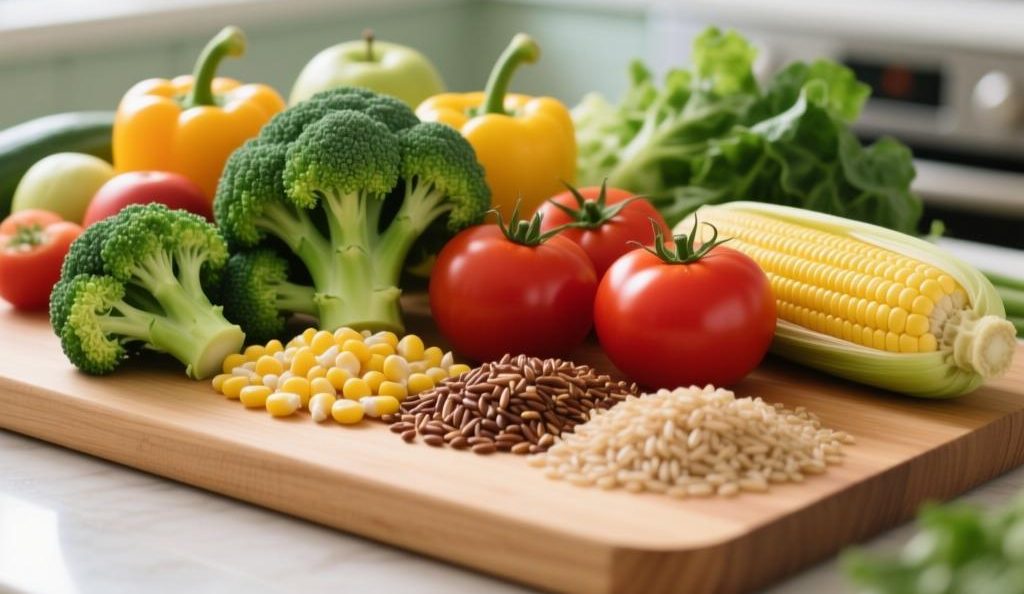
One of the most common complaints on GLP-1 medications is constipation. The fix? Fiber and fluids. Vegetables, fruits, whole grains, and legumes keep things moving, feed your gut bacteria, and add volume to meals so you feel satisfied. Target around 25-35 grams of fiber daily, and increase it gradually so your digestive system can adjust.
4. Hydration Is Non-Negotiable
Drinking water sounds too simple to matter, but it does double duty: it helps manage the slowed digestion that comes with these medications, and mild dehydration often masquerades as hunger or fatigue. A practical target is about 8 cups (2 liters) daily, more if you’re active. Keeping a water bottle within arm’s reach makes this habit almost automatic.
5. Sleep and Stress Management
Poor sleep and chronic stress raise cortisol, which ramps up appetite and cravings for sugary, high-fat comfort foods. Aim for 7-9 hours of quality sleep and find a stress outlet that works for you—walking, journaling, therapy, or simply saying “no” to obligations you don’t have bandwidth for. These aren’t luxury habits; they’re part of the weight-loss equation.
What the Combo Looks Like in Daily Life
People often ask what this winning combination actually looks like day to day. Here’s a realistic snapshot—not a rigid plan, but a picture of how the pieces fit together:
- Morning: Take your medication as prescribed, eat a protein-forward breakfast (eggs with veggies, or Greek yogurt with berries), and hydrate.
- Midday: A balanced lunch with lean protein, whole grains, and plenty of vegetables—even if your appetite says “skip it,” eating something protects your muscle and energy.
- Afternoon: A short walk after lunch helps blood sugar, digestion, and that afternoon energy slump.
- Evening: Strength training or a longer walk 2-3 days a week; a fiber-rich dinner; a consistent wind-down routine for better sleep.
- Weekends: Flexibility matters—enjoy a meal out, but keep protein, movement, and sleep as your anchors.
Notice there are no forbidden foods here. The combination approach works because medication quiets the food noise while your lifestyle habits quietly build the foundation underneath. When you eventually taper off the medication, you’ll have habits—not just a smaller body—to carry you forward.
Common Mistakes to Avoid on This Journey
Even with the best intentions, a few traps trip people up again and again. Watch out for these:
| Mistake | Why It Backfires | What to Do Instead |
|---|---|---|
| Eating too little because appetite is gone | Muscle loss, fatigue, nutritional gaps | Eat scheduled small, protein-rich meals |
| Skipping strength training | Metabolism slows, “skinny fat” risk | Lift weights or use bands 2-3x weekly |
| Ignoring fiber and water | Constipation and nausea worsen | 25-35g fiber + 2L water daily |
| Expecting the drug to do everything | Weight regain after stopping | Build habits from day one |
| Comparing your results to others | Discouragement and quitting early | Track your own trends, not someone else’s |
That last row deserves a special mention. Weight loss on medication varies enormously—some people lose 25% of their body weight, others lose 8%, and both can be meaningful wins depending on where you started. Your journey is yours alone.
Frequently Asked Questions
Do I have to stay on weight-loss medication forever?
Not necessarily, but it depends on your goals and how your body responds. Obesity is a chronic condition, so some people benefit from long-term treatment, similar to how high blood pressure is managed.
Others successfully transition off medication after building strong habits and reaching a stable weight. The key is making that decision with your doctor—never stopping abruptly on your own, as weight regain is common without a plan in place.
How much weight can I realistically expect to lose?
Clinical trials show an average of 15-21% of body weight for the newer injectable medications over about 16-18 months, but individual results vary quite a bit. Some lose more, some less.
What matters most is that even a 5-10% reduction in body weight meaningfully improves blood pressure, blood sugar, cholesterol, and joint pain—health wins that go far beyond the number on the scale.
What should I eat while taking GLP-1 medications?
Focus on protein first, then vegetables, then small portions of whole-food carbohydrates and healthy fats. Because these medications slow stomach emptying, large, greasy, or very fatty meals can cause nausea—so smaller, more frequent meals usually feel better.
Lean proteins, eggs, fish, poultry, tofu, Greek yogurt, vegetables, fruits, and whole grains are your go-to foods. A dietitian can personalize this for your preferences and budget.
Will I gain all the weight back if I stop the medication?
Research suggests many people regain a significant portion of weight after stopping, but—and this is a big but—the people who maintain results are almost always those who built solid lifestyle habits along the way: regular strength training, high-protein eating, good sleep, and ongoing support. Medication is the scaffold; your habits are the building. The stronger the building, the less you need the scaffold.
Are these medications safe long-term?
GLP-1 medications have been used for type 2 diabetes management since 2005, giving researchers nearly two decades of safety data. Common side effects include nausea, constipation, and fatigue, which usually improve over time.
Rarer but serious risks exist—pancreatitis and gallbladder issues among them—which is exactly why medical supervision matters. Discuss your personal health history with your doctor before starting.
Can I combine medication with intermittent fasting or other popular diets?
Generally yes, but with caution. Some approaches, like time-restricted eating, pair reasonably well with medication—though many people find that a simple, balanced eating pattern is easier to sustain and gentler on digestion while on GLP-1s.
Extreme restriction isn’t recommended, because your appetite is already reduced. Under-eating dramatically increases muscle loss and nutritional deficiencies. When in doubt, keep it simple: protein, plants, water, and consistency beat any trendy protocol.
Does insurance cover weight-loss medications?
Coverage varies widely. Some insurance plans cover GLP-1 medications when certain criteria are met (like a qualifying BMI or weight-related health condition), while others exclude weight-loss drugs entirely. Costs without coverage can be significant. It’s worth checking your specific plan, asking your doctor about alternatives, and looking into manufacturer savings programs.
The Bottom Line: Teamwork Wins
Here’s the simplest way to think about it: weight-loss medication turns down the volume on hunger and food obsession, but lifestyle choices write the music. The people who see the best, longest-lasting results treat medication as a powerful assistant—not a replacement—for doing the foundational work.
Eat enough protein. Lift something heavy a few times a week. Drink your water. Prioritize sleep. Be patient with yourself. Whether you’re just starting to consider medication or you’re already mid-journey, remember that every small habit you build is an investment that keeps paying dividends long after the prescription runs out.
The winning combo isn’t really about the drug or the diet. It’s about finally giving your body all the support it needs to succeed—so this time, the results actually last.