
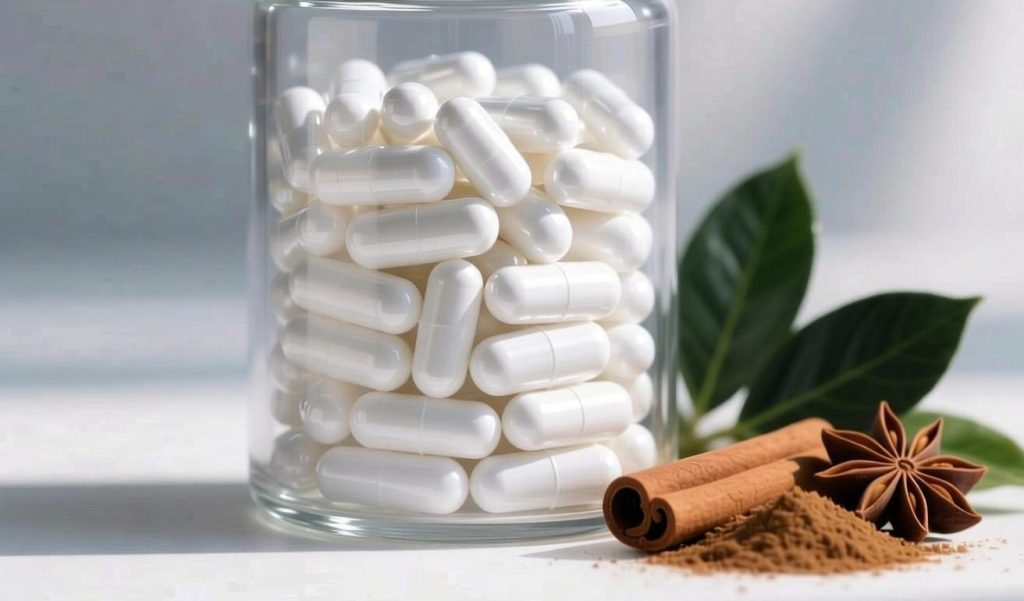
Why Everyone’s Suddenly Talking About Blood Sugar
Walk down any health aisle or scroll through wellness feeds, and you’ll notice something: blood sugar is having a moment. A topic once reserved for doctor’s offices and diabetes checklists has gone mainstream, promising steadier energy, fewer afternoon slumps, reduced sugar cravings, and better long-term health for everyone.
That surge explains why supplements claiming to “balance glucose” or “support healthy sugar levels” now fill entire shelves and flood social media feeds.
But popularity isn’t proof. Before anything earns a permanent spot in your morning routine, it deserves a closer look from several angles: the research lab, the dietitian’s office, the doctor’s clinic, and the honest reviews of everyday users. Here’s how the conversation sounds from each of those seats.
The Supplements Everyone’s Buzzing About
A handful of names dominate blood sugar conversations, from ancient spice-cabinet staples to compounds borrowed from traditional Chinese medicine. Here’s a quick snapshot of what fans say about each one and how the evidence actually stacks up.
| Supplement | What Fans Say | What Research Suggests |
|---|---|---|
| Berberine | “Nature’s answer to metformin” | Small trials show real drops in glucose and HbA1c |
| Magnesium | “Calms cravings and improves sleep” | Helps most when your levels are low to begin with |
| Cinnamon | “A sprinkle keeps sugar steady” | Modest effects in some studies, none in others |
| Chromium | “Makes insulin work better” | Benefits mainly people who were deficient |
| Alpha-lipoic acid | “Supports nerves and metabolism” | Some evidence for insulin sensitivity |
| Probiotics & fiber | “Gut health equals sugar balance“ | Encouraging but still early-stage research |
Notice the pattern? None of these are miracle workers, but a few have genuine promise—especially when they fill an actual gap your body has.
Do Supplements Really Work?
Strip away the marketing and the honest picture is mixed. Berberine currently leads the pack; several small trials have compared it with standard medication and found respectable improvements in fasting glucose and HbA1c over roughly three months.
Magnesium follows closely behind, with the strongest results appearing in people whose levels were low before they started supplementing.
Cinnamon is the classic maybe. Some studies measured a small dip in fasting blood sugar, while better-designed trials found no effect at all. Chromium tells a similar story: it appears to help when the diet has been lacking and does very little otherwise. Alpha-lipoic acid and probiotics sit firmly in the “promising but not settled” zone.
It also matters what’s being measured. A supplement might soften after-meal spikes without changing your fasting number, or nudge your average without you feeling any different. That’s why researchers rely on lab markers like HbA1c rather than vibes—and why you should too.
Who Might Actually Benefit?
Honesty matters here, because not everyone needs a pill for this. The people most likely to notice a meaningful difference tend to share a few traits:
- A confirmed deficiency, such as low magnesium or chromium
- Prediabetes, where small daily wins compound over months and years
- Insulin resistance a doctor has flagged but isn’t yet treating with medication
- An already decent routine that just needs a small extra nudge
If you’re managing diagnosed diabetes with medication, supplements may still play a supporting role, but only under medical supervision. And if your last round of bloodwork came back glowing? Save your money and keep doing whatever you’re already doing. When in doubt, a simple blood test answers the question in one visit.
Pleasant, But Never The Foundation
Ask a registered dietitian about blood sugar supplements and you’ll usually get a knowing smile: “What’s on your plate matters far more than what’s in your pill bottle.” Most dietitians treat supplements as sprinkles on the cake.

Their order of operations almost always looks like this:
- Build meals around protein, fiber, and healthy fats
- Swap refined carbs for whole, slow-digesting ones
- Move after eating, since even a ten-minute walk helps
- Protect your sleep, because tired bodies handle sugar poorly
- Then, and only then, consider a targeted supplement
In other words, a capsule can’t outrun a chaotic lifestyle, but it might fine-tune one that’s already on track. That’s the perspective worth keeping whenever an advertisement suggests otherwise.
Safety Comes First
Physicians tend to raise two flags. The first is interactions: berberine can clash with several common medications, and anything that lowers glucose can stack with diabetes drugs and push levels dangerously low. The second is quality, because supplements aren’t regulated as strictly as prescriptions, and independent testing regularly finds bottles that don’t match their labels.
Doctors also worry about delayed treatment. If your numbers are climbing, spending six months testing cinnamon isn’t a strategy—it’s a gamble with your health. And watch for warning signs like shakiness, sweating, or sudden dizziness after starting something new, because those can signal glucose dropping too low.
The good news? Most physicians happily support sensible supplement use, as long as you tell them exactly what you’re taking before you start.
Real People, Real Experiences
Spend time in online communities and you’ll hear the full spectrum of outcomes. Some people swear their afternoon energy crashes vanished within weeks of adding magnesium. Others report their glucose readings finally budged after starting berberine. Plenty admit honestly that they noticed nothing at all until they fixed their sleep or cut out late-night snacking.
A growing number of people now track their numbers at home too, using finger-prick meters or continuous glucose monitors to test a supplement on themselves before committing long-term. That kind of personal data beats any advertisement.
The common thread running through the success stories is consistency: supplements worked as part of a bigger change, never as a solo act. That’s worth remembering whenever a glowing five-star review promises effortless results by next weekend.
What No Pill Can Replace
This is the perspective that ties all the others together. Your blood sugar responds to food, movement, stress, and sleep every single day of your life. A once-daily capsule simply can’t compete with that constant input, no matter how impressive the ingredient looks on the label.
Think of it like gardening. Watering once a week won’t rescue plants sitting in scorched soil. Regular care—balanced meals, walks after dinner, managed stress—does the heavy lifting. Once the garden is thriving, a supplement works like fertilizer, giving an already healthy system a gentle boost rather than rescuing a neglected one.
What This Actually Costs
Nobody loves talking about money, but it matters. Basic magnesium or cinnamon usually costs pocket change per day. Berberine sits in the middle. Trendy celebrity gummies and “metabolic” powders, though, can top a dollar a day for ingredients you could buy separately for far less.
Before paying a premium, ask what you’re really buying beyond pretty packaging and a slick influencer video. Over a year, the difference can fund a very nice pair of walking shoes—arguably the better blood sugar investment.
How to Pick a Supplement You Can Actually Trust
If you do decide to try one, skip the flashiest bottle on the shelf. A few minutes of homework will save you money and disappointment:
- Look for third-party testing marks like USP, NSF, or Informed Choice
- Choose single-ingredient products over mystery “proprietary blends”
- Check that the dose matches what studies actually tested
- Avoid anything promising to “reverse diabetes” overnight
- Clear it with your doctor or pharmacist if you take any medication
Those five steps protect you from most of the industry’s usual traps, from underdosed formulas to contaminated fillers.
Frequently Asked Questions
What is the best supplement for lowering blood sugar?
There’s no single champion, but berberine and magnesium currently carry the strongest evidence. The right choice depends on your body: someone low in magnesium may respond dramatically to it, while someone else sees more benefit from berberine. Testing and professional guidance will always beat guesswork.
How long does it take for blood sugar supplements to work?
Most studies run eight to twelve weeks before measuring results. If you’ve been taking something for months with no idea whether it helps, ask your doctor to check your fasting glucose or HbA1c so you have real numbers to compare before and after.
Can I take supplements instead of my diabetes medication?
No, and this one matters. Supplements can’t match the evidence, precise dosing, or safety record of prescribed medication, and stopping treatment to experiment can be genuinely dangerous. If you want to add a supplement alongside your treatment, involve your healthcare team from day one.
Are blood sugar supplements safe for everyone?
For most healthy adults at recommended doses, yes. The real risks come from medication interactions, poor-quality products, and unsupervised use. If you’re pregnant, managing kidney problems, or taking glucose-lowering drugs, get professional advice before starting anything new.
Do I need a supplement if my blood sugar is already normal?
Probably not. If your numbers are healthy, your budget is better spent on good food, comfortable walking shoes, and better sleep. Supplements shine when there’s a specific gap to fill, not as a preventive shortcut around the habits that actually do the work.
The Bottom Line
So, can supplements help keep your blood sugar in check? For some people, yes. Berberine, magnesium, and possibly cinnamon offer modest, real support when combined with solid daily habits. But nothing in a capsule substitutes for real food, regular movement, decent sleep, and medical care when it’s genuinely needed.
The smartest path forward: get your baseline checked, fix the lifestyle fundamentals first, then choose a well-tested, single-ingredient supplement with your doctor’s blessing. That way, whatever you take has a genuine chance to help—and nothing you take puts your health at risk.