Hearing the word “prediabetes” can sting, but here’s the reframe that changes everything: this is your warning light, not your sentence. Roughly one in three adults has prediabetes, and most don’t even know it. The even better news? Prediabetes is often reversible, and food is your single most powerful lever.
You don’t need a perfect diet, expensive superfoods, or a lifetime of joyless meals. You need to know which foods steady your blood sugar, which ones spike it, and how to build meals you’ll actually enjoy. That’s exactly what this guide covers—from the science, from the kitchen, and from real life.
Why Food Matters So Much?
With prediabetes, your blood sugar runs higher than normal but not yet high enough to be type 2 diabetes. Usually, insulin—the hormone that escorts sugar out of your blood and into your cells—has started losing its effectiveness.
Your pancreas compensates by pumping out more insulin, and for a while that works. The problem is what you eat determines how hard that system has to work every single day.
Every time you eat a meal heavy in refined carbs and sugar, your blood sugar surges, insulin spikes, and the cycle of insulin resistance deepens.
But when you eat foods that digest slowly—fiber-rich vegetables, lean proteins, healthy fats—your blood sugar rises gently and your insulin system gets a break. Research shows structured lifestyle changes, with diet at the center, can cut the risk of progressing to type 2 diabetes by more than half. Your fork is genuinely that powerful.
The Foods That Work in Your Favor
Here’s the fun part. The foods that help prediabetes aren’t exotic—they’re the satisfying staples you probably already like. Build your plate around these and you’re working with your body, not against it.
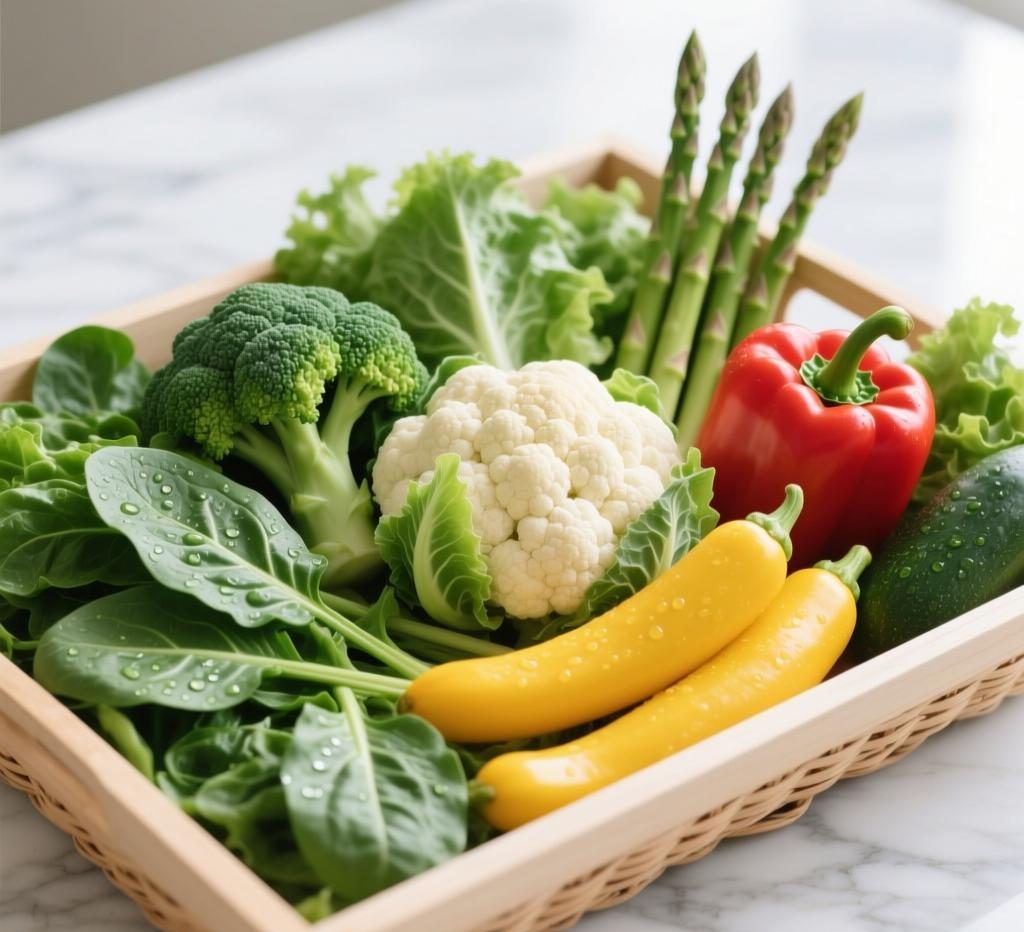
- Non-starchy vegetables: leafy greens, broccoli, peppers, zucchini, cauliflower, asparagus—eat these generously; they’re high in fiber and nearly impossible to overload on
- Legumes: lentils, chickpeas, black beans, and kidney beans deliver fiber and plant protein that blunt blood sugar spikes
- Whole grains in moderation: quinoa, steel-cut oats, barley, and farro digest far more slowly than their refined cousins
- Lean and plant proteins: chicken, fish, eggs, tofu, and Greek yogurt slow digestion and keep you full without touching your blood sugar much
- Healthy fats: olive oil, avocado, nuts, and seeds improve satiety and support insulin sensitivity
- Low-glycemic fruits: berries, apples, pears, and citrus raise blood sugar gently compared to tropical fruits and juice
The Foods to Skip (or Seriously Cut Back On)
This is where most people brace for bad news, but think of it as editing rather than deleting. These are the foods that hit your blood sugar hardest:
- Sugary drinks: soda, sweet tea, energy drinks, and yes, fruit juice—even 100% juice acts a lot like liquid sugar
- White flour products: white bread, white rice, most pastries, crackers, and bagels convert to sugar almost as fast as table sugar
- Sweets and desserts: candy, cookies, cakes, and ice cream combine sugar and refined flour—a double hit
- Sweetened breakfast cereals and flavored yogurts: many pack more sugar than a candy bar
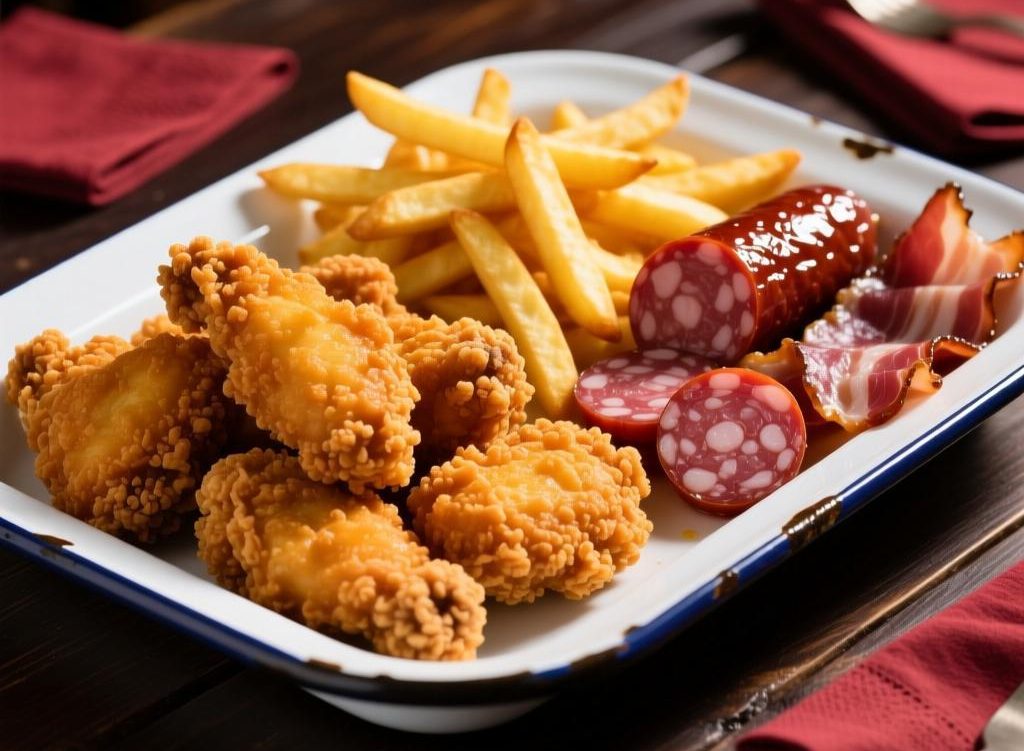
- Deep-fried foods and processed meats: fries, fried chicken, bacon, and sausages promote insulin resistance through inflammation and excess calories
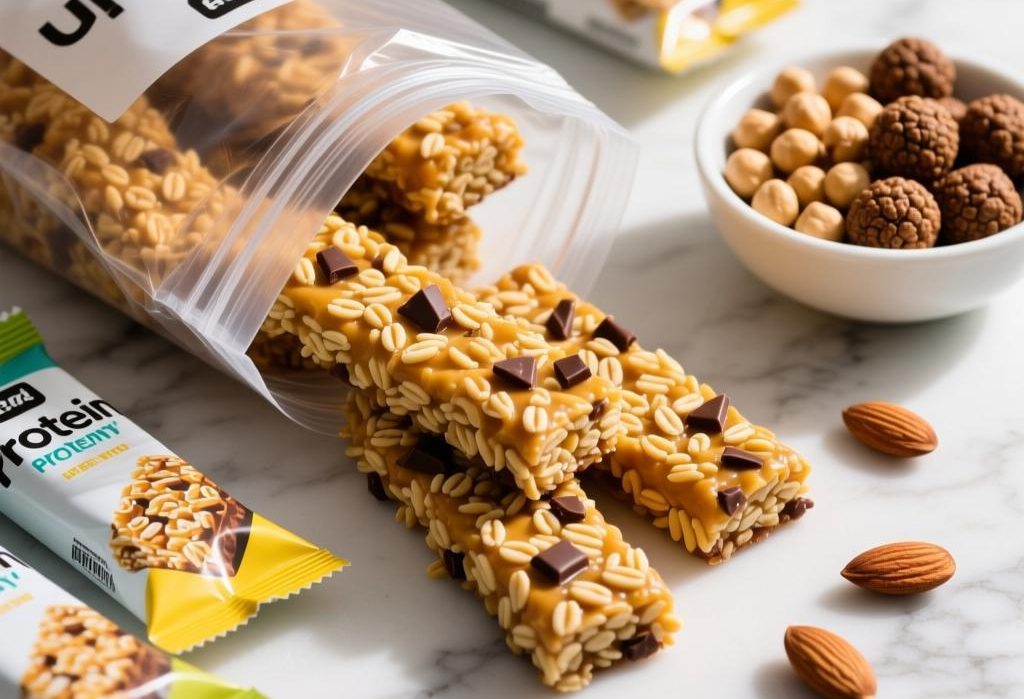
- “Hidden” sugar traps: bottled sauces, granola bars, flavored coffee drinks, and dried fruit
Not All Carbs Are the Villain
People often hear “prediabetes” and immediately swear off all carbs forever. That’s the wrong move, and it usually backfires within weeks. Carbohydrates are your body’s preferred fuel—the real issue is the type and the amount.
A cup of white rice and a cup of lentils are both “carbs,” but the lentils come wrapped in fiber and protein, so they digest slowly and cause a modest, gradual glucose rise. The white rice hits your bloodstream fast and hard.
A smarter approach: keep carbs in your meals, but anchor them to their whole-food forms, watch portions (start with about a cupped handful per meal), and never eat them naked—pair them with protein, fat, or fiber.
That slice of whole-grain toast with avocado and an egg behaves completely differently in your bloodstream than plain toast with jam. Order matters too: eating your vegetables and protein before the starchy part of your meal can meaningfully soften the glucose spike.
A Realistic Day of Eating
Theory is fine, but let’s make it concrete. Here’s what a blood-sugar-friendly day can actually look like—food you can find in any grocery store:
| Meal | What It Looks Like | Why It Works |
|---|---|---|
| Breakfast | Veggie omelet with a slice of whole-grain toast, or Greek yogurt with berries and walnuts | Protein-first morning keeps blood sugar flat and cravings down all day |
| Lunch | Big salad with grilled chicken, chickpeas, olive oil dressing, and a small whole-grain roll | Fiber plus protein equals steady energy with no afternoon crash |
| Snack | Apple with a tablespoon of peanut butter, or a handful of almonds | Paired carbs with fat and protein, so no solo sugar spike |
| Dinner | Baked salmon with roasted broccoli and half a cup of quinoa | Lean protein, healthy fat, and a modest whole-grain portion |
| Drink | Water, sparkling water, unsweetened tea or coffee | Eliminates the single biggest hidden sugar source in most diets |
Eating This Way Without Breaking the Bank
“Healthy food is too expensive” is one of the most common objections I hear, and it deserves an honest answer. Yes, salmon and berries cost more than ramen and soda. But the core of a prediabetes-friendly diet—beans, lentils, eggs, oats, frozen vegetables, cabbage, carrots, and canned tuna—is among the cheapest food you can buy.
Frozen vegetables are nutritionally equal to fresh and cost a fraction of the price, with zero waste. Dried lentils cost pennies per serving.
Consider the comparison: a fast-food lunch and soda runs $10-12 daily, while a pot of lentil soup covering four lunches costs about the same in total. When you also factor in the long-term cost of diabetes—medications, supplies, doctor visits, complications—prevention through food is arguably one of the best financial investments you can make.
Restaurants, Parties, and Family Pizza Night
You don’t eat in a lab, so your plan has to survive restaurants, birthday parties, and family dinners. Good news: it can. At restaurants, look for grilled protein plus vegetables and swap fries for a side salad or veggies; eat the burger, skip the bun, or take half the pasta home.
At parties, eat a protein snack before you go so you’re not ravenous at the buffet, and hold your drink in your dominant hand to slow grazing. On pizza night, enjoy a slice or two, but add a big salad first so the carbs arrive on a bed of fiber.
The mindset shift that helps most: stop thinking “I can never have that again” and start thinking “that’s a sometimes food.” Restriction breeds rebellion. A flexible pattern where treats are planned, occasional, and enjoyed guilt-free is far more sustainable than white-knuckled perfection that collapses at the first office birthday.
The Habits That Multiply Your Results
Food is the star, but it doesn’t perform solo. A 10-15 minute walk after meals lowers post-meal blood sugar noticeably, because your muscles pull glucose from your bloodstream without needing extra insulin. Sleep matters more than people expect—chronic short sleep worsens insulin resistance directly.
And stress raises cortisol, which tells your liver to dump sugar into your blood. Add strength training twice a week if you can, because muscle is your body’s biggest glucose sponge. These habits don’t need to be extreme; they need to be consistent.
Frequently Asked Questions
Can prediabetes actually be reversed, or just managed?
Genuinely reversed, in many cases. With consistent dietary changes, regular movement, and modest weight loss (losing even 5-7% of body weight makes a measurable difference), many people return their blood sugar to the normal range.
The Diabetes Prevention Program study found intensive lifestyle change reduced progression to type 2 diabetes by 58%—outperforming medication. Even if you don’t fully reverse it, improving your numbers substantially lowers your long-term risk.
Do I have to give up fruit because it contains sugar?
No, and please don’t. Whole fruit comes packaged with fiber, water, vitamins, and antioxidants that slow sugar absorption. Studies consistently show whole fruit consumption is associated with lower diabetes risk.
The exceptions are juice (the fiber is gone), dried fruit (easy to overeat, sugar is concentrated), and canned fruit in syrup. Stick to reasonable portions of whole fruit—berries, apples, pears, citrus—and pair them with nuts or yogurt when you can.
How quickly will my blood sugar improve if I change my diet?
Faster than most people expect. Your day-to-day blood glucose can improve within days to a couple of weeks of cutting sugary drinks and refined carbs.
Your A1C—a three-month average of blood sugar—takes about three months to fully reflect changes, which is why doctors retest at that interval. Keep a simple log of what you changed and when; visible progress is the strongest motivation booster there is.
Are artificial sweeteners and “diet” products a good substitute?
They’re a reasonable bridge, not a destination. Swapping regular soda for zero-sugar versions removes a major sugar source immediately, and that’s a real win.
But the long-term goal is shifting your palate away from intense sweetness altogether, so water, sparkling water, and unsweetened tea become your defaults.
Some emerging research questions sweeteners’ effects on gut bacteria and appetite, so use them as a stepping stone rather than a permanent crutch.
Should I follow a specific named diet?
The best diet for prediabetes is the one you can maintain for years, not weeks. The Mediterranean pattern has the strongest long-term evidence for blood sugar control and heart health, but moderate low-carb approaches also work well for many people.
Extreme keto works for some but is difficult to sustain and unnecessarily strict for most with prediabetes. Common denominator of every successful approach: minimal added sugar and refined carbs, generous vegetables, adequate protein, and healthy fats. Start there, then shape the details around your taste and lifestyle.
The Bottom Line
Prediabetes isn’t the end of the road—it’s the exit ramp. Fill your plate with vegetables, beans, lean proteins, and healthy fats; cut the sugary drinks and refined carbs that hammer your blood sugar; move a little after meals; and let the occasional treat stay occasional.
Do that consistently, and you’re not just managing a number on a lab report—you’re actively steering your health back toward normal. One meal at a time, one choice at a time, you’ve got this.