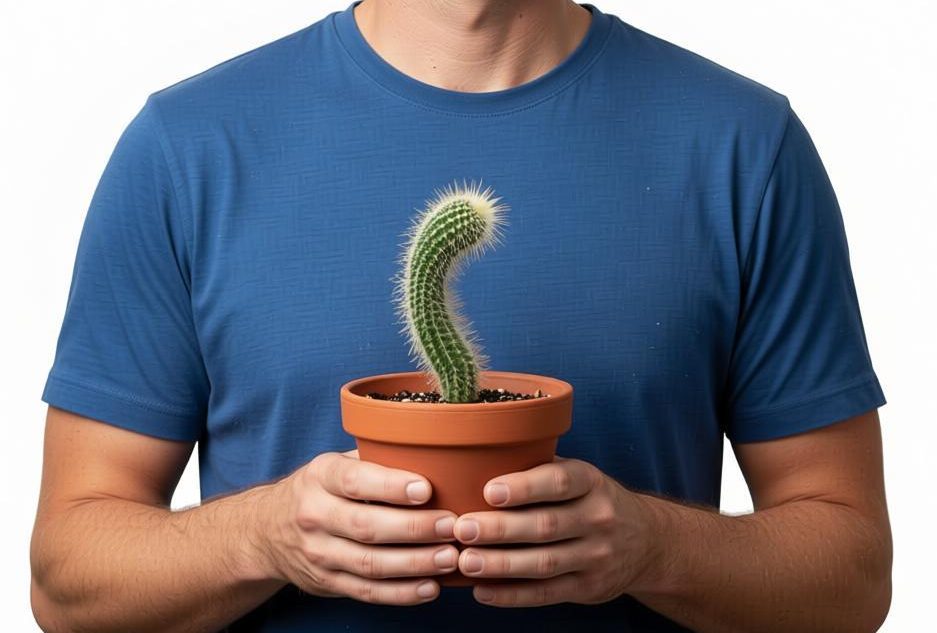
Here’s a sentence I hear almost every week in my office: “Doc, I don’t know what’s wrong with me — everything was fine until work went crazy.” The man in front of me is healthy, his labs are clean, his relationship is good. But his erections have gone missing, and he’s terrified. More often than not, my next question solves the case: “How stressed have you been lately?”
Stress and erections are locked in a tug-of-war, and stress usually wins. It’s not a small connection — it’s one of the most powerful and most overlooked causes of erection trouble in otherwise healthy men. And the main character in that story is a hormone called cortisol. Let me show you how it works, and — more importantly — how to take your sex life back.

Stress and Erections Are Natural Enemies
Here’s the simplest way to understand what’s happening. Your body runs on two operating modes that can’t be active at the same time. One is “rest and relax” — the mode where you digest food, sleep deeply, and yes, get erections. The other is “fight or flight” — the emergency mode that prepares you to run from a threat.
An erection is a rest-and-relax function. It happens when blood vessels inside the penis relax and open wide, letting blood flood in and stay. Fight-or-flight does the opposite — it tightens vessels body-wide so blood is pushed to your muscles and brain.
Tightened vessels in the penis means blood flows out instead of in. Firmness is impossible in that state. That’s the whole battle in one paragraph.
So when a man tells me erections fail when he’s stressed, he isn’t imagining anything. His body has decided — without asking him — that survival comes first and sex can wait. Your brain can’t tell the difference between a lion chasing you and a boss emailing you at 11 p.m. Same alarm, same response.
Why Does Everyone Avoid Cortisol?
Cortisol gets blamed a lot, so let me defend it for a second. It’s your built-in alarm-system hormone, released by two small glands sitting on top of your kidneys. When your brain senses pressure — a deadline, a conflict, a money worry — cortisol surges into your blood.
It raises blood sugar, sharpens focus, and gets you through the crisis. In short bursts, it’s genuinely useful. That wired, hyper-focused feeling during an emergency? That’s cortisol working.
The problem isn’t cortisol. It’s cortisol that never shuts up. Your body was designed for bursts of stress followed by recovery. Modern life gives us months of unbroken, low-grade stress — mortgage, manager, notifications — with no recovery in between.
When cortisol stays elevated around the clock, it stops being a helper and starts quietly sabotaging three systems your sex life depends on. That’s where the real damage happens.
What Constant Cortisol Actually Does Down There
Here are the three doors stress walks through, in plain English:
- It slams the emergency brake. Ongoing stress keeps your body tilted toward fight-or-flight, so the relaxed state an erection needs becomes harder and harder to reach. Blood vessels in the pelvis stay half-tightened. Not enough to notice — just enough to fail.
- It shuts down testosterone production. Your body makes testosterone using the same basic raw materials it uses to make cortisol. Under chronic stress, production shifts toward cortisol and away from testosterone. Less testosterone means weaker desire, weaker arousal, weaker morning erections — a package deal.
- It wears out your blood vessels. Months of high cortisol raise blood pressure and blood sugar, slowly roughing up the vessel linings erections depend on. That’s why long-term stress behaves like an early heart-risk factor — and the penis feels it first.
The difference between a rough week and a rough year matters a lot. Here’s how it plays out:
| A stressful week | Months of unmanaged stress | |
|---|---|---|
| Nervous system | Tilted toward tension; erections harder but still possible when relaxed | Relaxation mode becomes hard to reach at all |
| Testosterone | Dips slightly, bounces back | Steadily suppressed; desire and morning erections fade |
| Blood vessels | Barely affected | Pressure and sugar damage adds up over time |
| The result | Occasional off nights — usually nothing to worry about | Erections consistently weaker — worth acting on |
When Stress Moves Into the Bedroom
A psychologist colleague of mine describes stress as a spotlight stealer. When your mind is processing tomorrow’s presentation, tonight’s erection doesn’t get any attention. Arousal isn’t a physical switch you flip — it starts in the brain, and a brain running five background apps doesn’t have bandwidth left for desire.
Then stress recruits a partner in crime: performance anxiety. One stressful day causes one failed erection. That failure bothers you. The next time you’re intimate, your stress now has a specific shape — “what if it happens again?”
Your body reads that worry as threat, releases more cortisol, and fight-or-flight wins again. It’s a self-reinforcing loop — I’ve watched it turn one bad week into six months of trouble in healthy men.
The clue that gives it away: things still work in the morning or alone, but not with a partner. That’s stress with a performance-anxiety layer on top — and it responds beautifully to the right kind of pressure relief.
The Habits That Make It Worse
Here’s the trap. Nobody carries chronic stress naked — we all dress it up in habits, and most of those habits hit erections too. From a lifestyle angle, this is where I see men quietly double the damage:
- Drinking to unwind. Alcohol sedates you, but it’s also a nervous-system disruptor and a hormone suppressor. The nightly “relief” drink is often the thing keeping recovery away.
- Staying up late. Cortisol is supposed to fall at night so testosterone can be made during deep sleep. Trade sleep for screens and you trade hormones for headlines.
- Skipping workouts. Movement is one of the few proven ways to burn off stress chemistry. Drop it, and stress hormones have nowhere to go.
- Caffeine on repeat. Coffee all day keeps the alarm system half-armed around the clock — and keeps tension in your blood vessels.
- Comfort food. Stress eating drives blood sugar swings that feed right back into vessel damage over months.
- Numbing out. Endless scrolling, gaming till 2 a.m. — anything that delays real recovery counts.
I’m not asking anyone to live like a monk. But look at this list honestly and pick the two habits that are yours — cutting just those often buys back more sexual function than any supplement.
What Stress Does to the Other Person in the Bed
A couples counselor colleague of mine says this more bluntly than I can: stress never stays in one body. A stressed man becomes irritable, distracted, and touch-avoidant without noticing it. His partner reads that as rejection, affection dries up, and now relationship stress sits on top of the original stress. The bed gets colder from two directions at once.
Here’s the fix that surprises my patients: non-sexual touch. Ten minutes a day of kissing, holding hands, lying tangled on the couch — with zero expectation of where it leads.
Physical affection lowers stress hormones and rebuilds the connection arousal actually runs on. Couples who do this during hard seasons usually come out with their sex life intact. Couples who wait for the stress to pass often find the distance outlived it.
How to Know Stress Is Your Culprit
Before you blame yourself or your relationship, run this quick checklist. If three or more of these sound familiar, stress is very likely the main event, not a side character:
- You were fine before a clearly stressful period started — new job, money trouble, family illness.
- Morning erections have faded during heavy weeks and return on vacation.
- You’re sleeping badly, shoulders are constantly tight, mind races at bedtime — the classic cortisol signature.
- Sexual desire dropped across the board, not just with your partner.
- A blood test shows nothing else — hormones, sugar, and everything else come back normal.
Want backup? Ask your doctor for a morning blood test — testosterone is best measured early in the day, and it’s often the test that reveals what chronic stress has been doing to you.
Turning Stress Down and Erections Back On
You can’t eliminate stress — nobody can. But you can stop it from living in your body around the clock, and that’s what your erections actually need. These are the tools with the best track record in my office, roughly in order of impact:
- Move most days. Thirty to forty-five minutes of anything that makes you breathe harder — walking counts. Exercise burns off stress chemistry directly. Just skip brutal late-night sessions.
- Slow your breathing before sex. Five seconds in, five seconds out, for two minutes. Slow exhales directly signal your nervous system to switch toward the relaxation mode erections need.
- Guard your sleep like it’s a prescription. Seven to eight hours, a real wind-down, screens out of the bedroom. Sleep is when testosterone is made and stress hormones are cleared.
- Schedule your worrying. Ten minutes a day, same time, write down what’s stressing you. It sounds silly; it works. It teaches your brain there’s a container for stress, so it stops leaking into every other hour.
- Take erections off the menu temporarily. Two weeks of intimacy without intercourse as the goal. Removing the performance exam often lets the whole system reboot on its own.
- Get professional help sooner rather than later. If stress has been running your life for months, a few sessions with a therapist are not a weakness — they’re a shortcut. Chronic stress is a medical issue, not a character issue.
Give these six weeks, not six days. Stress chemistry takes time to unwind — most men notice morning erections returning first. The machinery was never broken, just hijacked.
Quick Answers to the Questions Guys Actually Ask
Can one stressful week really cause erection problems?
Yes, absolutely. A rough week can leave your nervous system tilted toward fight-or-flight, and that’s often enough to cause a few off nights. The good news: this kind of trouble reverses itself as soon as you rest and decompress. It’s only a problem if you panic about it and turn it into a cycle.
Is stress-related erection trouble permanent?
In the vast majority of cases, no. Take away the chronic stress, restore sleep and exercise, and both testosterone and erections typically recover over weeks to a few months. The exceptions are cases where stress ran unchecked for years and damaged blood vessels — which is exactly why I’d rather see you early than late.
Does stress permanently lower testosterone?
Usually not. The drop that stress causes is more like a factory slowdown than a factory closure — production shifts toward cortisol while pressure stays high, then shifts back when life calms down. Sleep is the single biggest lever: most men recover meaningful testosterone just by fixing a badly broken sleep schedule.
Will the little blue pills fix a stress problem?
Partly. Medication works on the plumbing — the blood-vessel side of things. But it does nothing for the head, and stress lives in the head. Plenty of men on these pills still fail when anxiety is running the show. The strongest results come from treating both — body and mind. That’s a conversation with your doctor, not a website.
The Very Last
So, is stress wrecking your erections? If you’re a healthy man whose trouble started alongside a heavy season of life — almost certainly. The outlook is genuinely good.
Your erections were never designed to survive a body that never stands down. Give yours a chance to stand down, and things usually come back.
And if they don’t within a couple of months, come see someone like me — because “just stress” is a diagnosis worth taking seriously, not an excuse to keep suffering.