You’ve heard the buzz about keto. Maybe your coworker dropped 20 pounds eating bacon and avocado, or your aunt swears her bread is now made of almond flour.
Whatever brought you here, you’re probably wondering: does the ketogenic diet actually work, and more importantly, is it right for you?
Let’s break down how keto really works, who it’s best for, and what nobody tells you before you start.
What Exactly Is the Keto Diet?
At its core, the ketogenic diet is a very low-carb, high-fat eating plan. The goal is to shift your body from burning carbohydrates (glucose) for energy to burning fat instead. This metabolic state is called ketosis, and it’s the entire foundation of the diet.
When you drastically cut carbs—usually to under 50 grams per day—your body runs out of its preferred fuel source. After a few days, your liver starts converting fat into molecules called ketones, which become your new energy currency. Think of it as switching your car from gasoline to diesel: same vehicle, different fuel system.
What Your Plate Should Look Like?
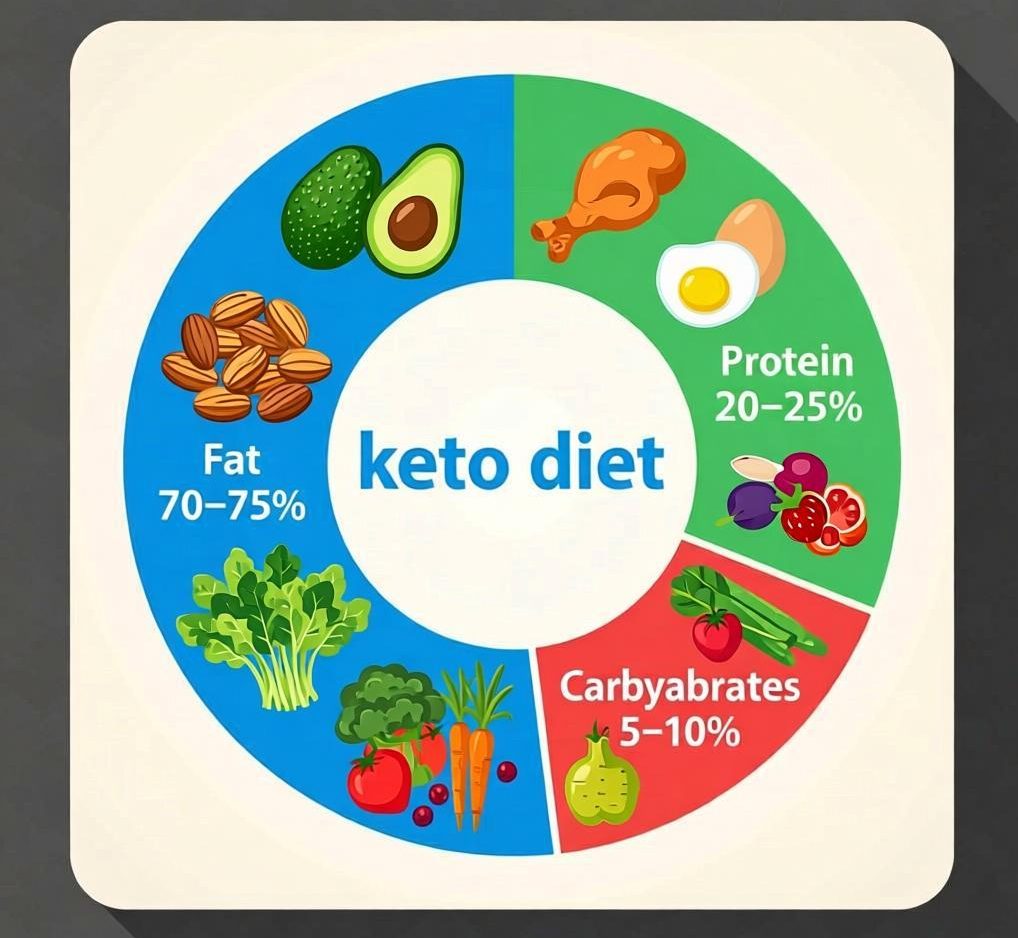
Getting your ratios right is the difference between being “in ketosis” and just eating a lot of cheese for no reason. Here’s a typical daily macro split for a standard ketogenic diet:
| Macronutrient | Percentage of Daily Calories | Rough Daily Amount (2,000 kcal) | Common Food Sources |
|---|---|---|---|
| Fat | 70–75% | 155–165 g | Olive oil, butter, avocado, fatty fish, nuts |
| Protein | 20–25% | 100–125 g | Eggs, meat, poultry, seafood, cheese |
| Carbohydrates | 5–10% | 20–50 g | Leafy greens, broccoli, zucchini, berries (small amounts) |
Notice that protein stays moderate, not high. Eating too much protein can kick you out of ketosis because excess protein can be converted into glucose through a process called gluconeogenesis. It’s a balancing act, but once you get the hang of it, it becomes second nature.
How Fat Burning Actually Happens on Keto
In a typical diet, carbs are broken down into glucose, which spikes your blood sugar and triggers insulin release. Insulin is a storage hormone—when it’s elevated, your body is in “store fat” mode, not “burn fat” mode.
When you cut carbs, insulin levels drop. Low insulin signals your body to unlock stored fat and use it for fuel. Your liver converts that fat into ketones, which power your brain, muscles, and organs. This is why keto fans often report steady energy throughout the day—no more 3 p.m. sugar crashes.
- Days 1–3: Your body burns through stored glycogen (carb reserves). You may feel hungry or irritable.
- Days 3–7: Glycogen is depleted, and ketone production begins. Welcome to the infamous “keto flu.”
- Weeks 2–4: Full keto adaptation kicks in. Energy stabilizes, cravings fade, and fat burning becomes efficient.
- Month 2 and beyond: Your body becomes “fat-adapted,” meaning it switches between fats and carbs with ease.
Why the Pounds Drop Fast?
Let’s be honest—the main reason people try keto is weight loss, and the early results can be dramatic. In the first week or two, you might lose 5 to 10 pounds. Here’s the catch: much of that is water weight. Every gram of glycogen stored in your muscles holds about 3 grams of water, so when glycogen drains out, water goes with it.
After that initial drop, the real fat loss begins—and it happens for a few reasons:
- Appetite suppression: Ketones naturally reduce ghrelin (the hunger hormone), making it easier to eat less without feeling starved.
- Stable blood sugar: No more rollercoaster cravings driven by carb spikes and crashes.
- Higher satiety: Fat and protein keep you full far longer than a bagel ever will.
Studies consistently show that keto produces faster short-term weight loss than low-fat diets. However, over 12 months or more, the gap often narrows—because let’s face it, any diet only works if you stick with it.
What Are The Benefits Of A Keto Diet, Beyond Weight Loss?
Weight loss aside, keto was originally developed in the 1920s to treat epilepsy in children—and it’s still used medically today. Beyond that, emerging research points to several potential health benefits:
- Blood sugar control: Many people with type 2 diabetes see improved insulin sensitivity and lower A1C levels on keto (always consult your doctor before making changes if you’re on medication).
- Mental clarity: Ketones are an efficient brain fuel, and many followers report better focus.
- Reduced triglycerides: Low-carb diets often improve this key heart-health marker.
- Increased HDL cholesterol: The “good” cholesterol often rises on high-fat diets.
What Are The Drawbacks Of A Keto Diet?
No honest article about keto is complete without the other side of the story. Critics raise valid concerns that you should weigh before diving in:
- The keto flu: Headaches, fatigue, and brain fog during the first week are real, though usually temporary and preventable with proper hydration and electrolytes.
- Nutrient gaps: Cutting out fruits, grains, and legumes means you may miss fiber, certain vitamins, and antioxidants.
- Social and practical challenges: Birthday cake at the party? Pizza night with friends? Keto requires planning and can feel restrictive.
- Long-term unknowns: We don’t have decades of data on strict keto’s long-term effects on heart health for everyone.
- Not for everyone: Pregnant women, people with certain liver or kidney conditions, and those with a history of eating disorders should avoid or carefully supervised keto.
The bottom line from the skeptical camp: keto works, but it’s not magic—it’s simply a tool, and like any tool, it works best for the right job and the right person.
Who Should (and Shouldn’t) Try Keto
Keto isn’t a one-size-fits-all solution. Here’s a quick compatibility check:
| Great Fit For | Think Twice / Consult a Doctor |
|---|---|
| People with insulin resistance or prediabetes | People with type 1 diabetes (requires medical supervision) |
| Those who love fatty, savory foods | Pregnant or breastfeeding women |
| People who struggle with constant hunger on other diets | Endurance athletes needing high carb intake |
| Those seeking rapid initial results for motivation | Anyone with a history of disordered eating |
Tips to Succeed on Keto
Want to skip the rookie mistakes? Here’s what experienced keto followers wish they’d known on day one:
- Load up on electrolytes. Sodium, potassium, and magnesium deficiencies cause most “keto flu” symptoms. Salt your food generously and consider an electrolyte supplement.
- Don’t fear fat—embrace it. If you go low-carb AND low-fat, you’ll just be hungry and miserable.
- Meal prep like it’s your job. The first two weeks are the hardest. Having keto-friendly meals ready removes the temptation to grab fast food.
- Read labels. Sugar hides in salad dressings, sauces, and “healthy” snacks. If it ends in “-ose,” it’s probably a carb.
- Track your macros for the first month. Apps make it easy, and you’ll quickly learn which foods fit your budget.
- Be patient with adaptation. Full fat-adaptation can take 3–6 weeks. Push through the awkward phase and it gets dramatically easier.
5 Frequently Asked Questions About Keto
1. Can I ever eat carbs again on keto?
Yes! Strict keto keeps carbs around 20–50 grams daily, but many people adopt a more flexible approach after reaching their goals—such as cyclical keto (higher carbs on weekends) or a low-carb maintenance plan. Ketosis is a switch, not a life sentence.
2. How do I know if I’m actually in ketosis?
Common signs include metallic or “fruity” breath, reduced appetite, increased energy, and frequent urination in the first week. For certainty, you can use ketone urine strips, breath analyzers, or blood ketone meters—the blood test being the most accurate.
3. Is keto safe long-term?
For most healthy adults, keto appears safe for extended periods, though long-term research is still developing. Many nutrition experts recommend periodic check-ups to monitor cholesterol and kidney markers. Some people thrive on keto for years; others transition to a moderate low-carb lifestyle after 6–12 months.
4. Will keto make my cholesterol worse?
It depends on the person. Many see triglycerides drop and HDL (good cholesterol) rise. However, some individuals—especially “lean mass hyper-responders”—experience elevated LDL cholesterol. If you’re concerned, choose unsaturated fats like olive oil, avocado, and fish over excessive butter and bacon, and get regular blood work.
5. Can vegetarians or vegans do keto?
Yes, though it’s more challenging. Vegetarian keto relies on eggs, cheese, tofu, tempeh, nuts, seeds, and healthy oils. Vegan keto is stricter, depending heavily on avocados, coconut oil, nuts, and plant proteins. It requires careful planning to meet protein and micronutrient needs, but it’s absolutely doable.
Is Keto Right for You?
Keto isn’t a miracle—it’s a mechanism. By lowering insulin and switching your body to fat-burning mode, it creates real, measurable results for weight loss, blood sugar control, and energy stability. But it also demands commitment, planning, and a willingness to give up some foods you love.
The best diet, as any experienced nutritionist will tell you, is the one you can actually maintain. If you love steak, eggs, and salmon, keto might feel effortless.
If you live for pasta and fruit smoothies, you might be better served by a more moderate approach. Either way, now you know how keto really works—so you can make an informed decision instead of following the hype.
Before starting any major dietary change, especially if you have existing health conditions or take medications, have a conversation with your doctor or a registered dietitian. Your future, fat-burning self will thank you.