Arbonne International markets a range of vegan, gluten-free nutrition products—protein shakes, energy fizz sticks, digestion support powders, and detox teas—under the umbrella of its “30 Days to Healthy Living” program.
The brand positions itself as a clean-living solution for weight management, but a closer look at the ingredient science, clinical evidence, cost structure, and safety profile reveals a more nuanced picture.
This analysis examines Arbonne’s weight loss supplement line from multiple perspectives: the company’s own claims, what independent nutrition science actually supports, and the practical considerations anyone should weigh before purchasing.
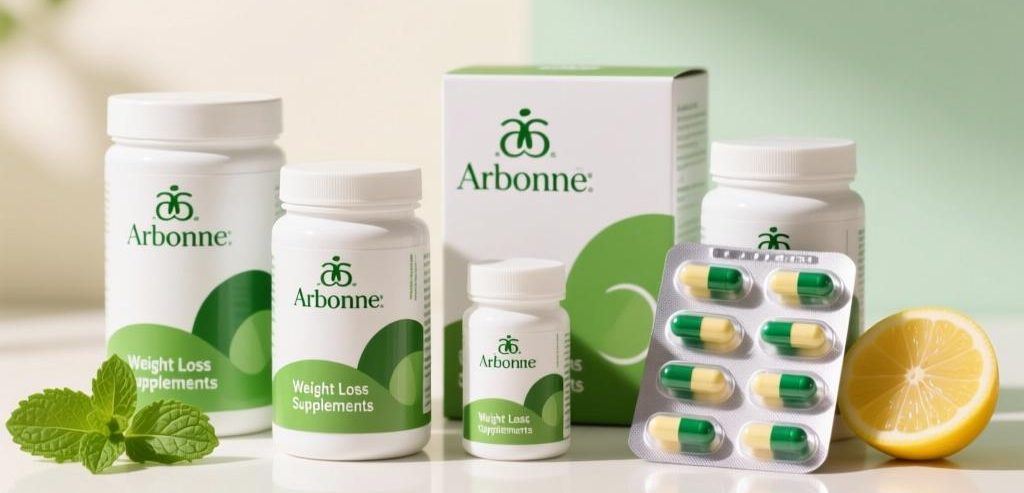
What Are Arbonne Weight Loss Supplements?
Arbonne is a multi-level marketing (MLM) company founded in 1980 and headquartered in Irvine, California. Its nutrition division centers on the Arbonne Essentials line and the structured 30 Days to Healthy Living reset program, which combines meal replacement shakes, snack bars, digestive supplements, and energy drinks into a 30-day protocol that eliminates dairy, gluten, alcohol, caffeine (beyond what the program’s own products provide), and processed foods.
The core weight-management products typically promoted within this ecosystem include:
- Arbonne EssentialMeal / Protein Shake — a vegan meal replacement delivering roughly 20–24 g of protein per serving from pea, rice, and cranberry seed proteins, sweetened with stevia and cane sugar.
- Energy Fizz Sticks — effervescent drink sticks containing approximately 55 mg of naturally derived caffeine, along with Panax ginseng, CoQ10, chromium, and B vitamins.
- GutHealth Digestion & Microbiome Support — a prebiotic, probiotic, and enzyme blend featuring chicory root inulin and Bacillus coagulans.
- 7-Day Body Cleanse — a liquid herbal supplement consumed daily during the first week of the reset.
- Fiber boosters and snack bars — supplementary products intended to manage hunger between meals.
How do Arbonne Weight Loss Supplements Work?
When evaluating any weight loss supplement, the critical question is not whether ingredients appear impressive on a label, but whether the product has been tested in peer-reviewed clinical trials at meaningful doses.
On that front, Arbonne’s evidence base is thin. The company does not publish independent clinical trials demonstrating that its shakes, fizz sticks, or cleanse products produce greater weight loss than a calorie-controlled diet alone.
That said, several individual ingredients have modest supporting research when studied in isolation and at specific doses:
- Plant-based protein (pea and rice): Adequate protein intake (roughly 1.2–1.6 g/kg body weight) supports satiety and lean mass preservation during caloric restriction. A shake delivering 20+ grams of protein can genuinely help some people hit daily protein targets, particularly at breakfast.
- Caffeine: A well-documented mild thermogenic and appetite suppressant. The 55 mg per Fizz Stick is modest—roughly half a cup of coffee—and unlikely to meaningfully accelerate fat loss on its own.
- Chromium: Evidence for chromium picolinate in blood sugar and weight management is mixed and generally weak at the doses found in consumer supplements.
- Probiotics (Bacillus coagulans, Bifidobacterium longum): Strain-specific benefits exist primarily for digestive regularity, not for weight reduction.
Independent reviewers, including registered dietitians, note that any weight lost during the 30-day program is most plausibly explained by the severe caloric restriction the protocol imposes—often well below 1,200 calories per day—rather than by any unique property of the supplements themselves.
Healthline’s review concluded that the program “promotes some healthy habits but relies on unqualified consultants and dangerous dietary practices,” and that there is no clear evidence the detox ingredients do anything beyond what the body already accomplishes naturally.
Potential Side Effects
From a toxicology standpoint, Arbonne products are generally regarded as safe for healthy adults when used as directed. The formulas avoid several common allergens (dairy, soy, gluten) and are certified vegan by third parties. However, “safe for most” is not the same as “safe for all,” and a few considerations deserve attention.
The 7-Day Body Cleanse and the elimination phase of the 30-day program are the most commonly criticized elements. Dietitians report that the protocol’s low calorie load, combined with laxative-adjacent herbal ingredients, can produce headaches, dizziness, fatigue, irritability, and digestive distress.
Very low calorie intakes sustained over weeks also raise the risk of nutrient shortfalls and rebound weight gain once normal eating resumes.
- Caffeine sensitivity: Energy Fizz Sticks and the program’s permitted teas can compound if consumed together, which matters for people with anxiety, hypertension, arrhythmias, or pregnancy.
- Stevia and sugar alcohols: Some individuals experience bloating or GI upset from non-nutritive sweeteners used across the product line.
- Herbal interactions: Ingredients such as green tea extract, ginseng, and milk thistle can interact with anticoagulants, antidiabetics, and certain antidepressants.
- Regulatory status: In 2020, the U.S. Federal Trade Commission sent Arbonne a warning letter regarding health-related claims made for its products, underscoring that dietary supplements are not evaluated by the FDA for efficacy before market.
Anyone who is pregnant, breastfeeding, managing a chronic condition, or taking prescription medication should treat these products the same way they would any bioactive supplement—with a conversation with their physician or a registered dietitian first.
Arbonne Products at a Glance: A Comparison Table
| Product | Primary Purpose | Key Active Ingredients | Approximate Cost (USD) | Evidence Strength |
|---|---|---|---|---|
| EssentialMeal / Protein Shake | Meal replacement, satiety | Pea, rice & cranberry protein (20–24 g), stevia, 20 vitamins/minerals | ~$75–90 per 30 servings | Moderate (protein supports satiety) |
| Energy Fizz Sticks | Energy, focus, mild appetite support | 55 mg caffeine, ginseng, CoQ10, chromium, B vitamins | ~$60 per 30 sticks | Weak for weight loss; caffeine effects are modest |
| GutHealth Digestion Support | Digestive regularity | Chicory root prebiotic, Bacillus coagulans, enzymes | ~$65 per 30 servings | Weak for weight; moderate for GI comfort |
| 7-Day Body Cleanse | “Detox” reset | Herbal blend (milk thistle, dandelion, etc.) | ~$40–50 per 7-day supply | No clinical support for detox claims |
| 30 Days to Healthy Living Set | Full 30-day protocol | Bundle of the above plus fiber and snacks | ~$300–400 complete set | Results likely from caloric restriction, not the products |
Who Might Benefit, and Who Should Skip It?
An honest appraisal requires separating the products from the program and the marketing. Some people do find value in specific items, while others would be better served spending their money elsewhere.
Potentially reasonable use cases:
- Individuals who struggle to consume enough protein and appreciate the convenience of a shake—the EssentialMeal is nutritionally comparable to lower-priced vegan alternatives.
- People seeking a caffeine alternative to coffee with added B vitamins, provided total daily caffeine stays under 400 mg.
- Consumers who value vegan, gluten-free certification and are willing to pay a premium for it.
Circumstances where skipping Arbonne is the wiser call:
- Anyone pursuing sustainable fat loss—the restrictive 30-day protocol has a poor track record for long-term weight maintenance compared with gradual caloric deficits built around whole foods.
- People on a budget; equivalent protein powders from brands like Orgain, Garden of Life, or NOW Sports cost roughly half as much per serving.
- Those with a history of disordered eating, since the elimination-heavy structure can reinforce all-or-nothing thinking around food.
- Buyers uncomfortable with MLM distribution, where product pricing is inflated to support the multi-tiered commission structure.
Frequently Asked Questions
1. Do Arbonne weight loss supplements actually work?
They can support weight loss indirectly—primarily by replacing higher-calorie meals with a 200–250 calorie shake and by making calorie tracking easier—but there is no published evidence that Arbonne products produce weight loss beyond what any calorie deficit achieves. Reviews from independent dietitians consistently attribute the 30-day program’s results to caloric restriction rather than the supplements themselves.
2. Are Arbonne products safe for everyone?
For most healthy adults, occasional use is low-risk. However, the 7-Day Body Cleanse and the very low calorie elimination phase can cause fatigue, headaches, and GI upset.
Pregnant or breastfeeding women, people with kidney disease, diabetes, heart conditions, or those on medications such as blood thinners should consult a clinician before use, particularly because of the caffeine and herbal content.
3. Are Arbonne products FDA-approved?
No. Like all dietary supplements sold in the United States, Arbonne’s nutrition products are not pre-approved by the FDA for safety or efficacy. The FDA only intervenes after a product is on the market if adverse events emerge. Notably, Arbonne received an FTC warning letter in 2020 concerning the scientific substantiation of certain health claims.
4. How much does the full 30 Days to Healthy Living program cost?
The complete set typically runs between $300 and $400 for a 30-day supply, which works out to roughly $10–13 per day on top of regular grocery spending. Individual products range from about $40 for the cleanse to $75–90 for a 30-serving bag of protein shake.
5. Can Arbonne shakes completely replace meals?
The EssentialMeal shake is formulated as a meal replacement with 20–24 g of protein plus added vitamins and minerals, so it can technically substitute for a single meal. Using it to replace two or more meals daily for extended periods is not advisable without medical supervision, since whole foods provide fiber, phytonutrients, and chewing-related satiety that no shake fully replicates.
6. Do I need to buy the full program to see results?
No. There is nothing in the 30-day bundle that produces results unavailable from the individual components. If a person wants to try one item, a single bag of protein shake used to replace one meal per day, combined with a modest overall calorie deficit and adequate whole-food protein, is a far more economical test than committing to the full protocol.
Concluding Perspective
Arbonne’s weight loss line sits in a crowded middle ground: the products are not dangerous for most healthy users, the vegan certification and ingredient transparency are genuine strengths, and the protein shake in particular is a serviceable convenience food.
What the line is not is a clinically validated weight loss system. The dramatic short-term results some users report flow almost entirely from aggressive caloric restriction, and the “detox” framing has drawn regulatory scrutiny and consistent criticism from credentialed dietitians.
For consumers, the most defensible approach is to treat Arbonne as a premium convenience brand rather than a therapeutic one.
Anyone whose goal is durable fat loss will get further from a modest, sustainable calorie deficit, adequate protein from whole foods, resistance training, and sleep—interventions with decades of supporting evidence—than from any 30-day supplement reset, regardless of how well it is marketed.