Erectile dysfunction (ED), including the inability to achieve a firm erection or losing firmness during intimacy, affects millions of men worldwide. While occasional difficulties are normal, persistent problems often signal underlying physical, psychological, or lifestyle-related issues.
I have seen firsthand how diet, hormones, circulation, and mental well-being intertwine to influence sexual performance. In this article, we explore the most common causes of weak or short-lived erections from multiple perspectives, so you can better understand your body and take meaningful steps toward improvement.
1. What Physical and Vascular Causes Lead to Weak or Lost Erections?

An erection is fundamentally a hydraulic event: blood must flow into the penile arteries, fill the spongy tissue (corpora cavernosa), and remain trapped there. When this vascular system fails, erections become weak or fade quickly. The most common physical causes include:
- Atherosclerosis (clogged arteries): Plaque buildup narrows blood vessels, reducing blood flow to the penis. Because penile arteries are smaller than coronary arteries, ED often appears years before heart disease symptoms.
- High blood pressure: Damages arterial walls and reduces the elasticity needed to trap blood during an erection.
- Diabetes: Chronically elevated blood sugar damages both nerves and blood vessels, making diabetic men two to three times more likely to experience ED.
- Low testosterone: This hormone drives libido and supports the nitric oxide pathway essential for erection. Low levels reduce both desire and firmness.
- Hormonal imbalances: Thyroid disorders, elevated prolactin, and excess cortisol can all interfere with sexual function.
- Neurological conditions: Parkinson’s disease, multiple sclerosis, spinal injuries, and nerve damage from prostate surgery disrupt the signals that trigger erections.
Venous leak, a condition in which blood escapes from the penis too quickly, deserves special mention. Men with venous leak can achieve an erection but lose it midway — a frustrating pattern that often requires medical evaluation rather than simple lifestyle fixes.
2. How Do Psychological Factors Contribute to Losing an Erection Midway?
The brain is often called the most important sexual organ, and for good reason. Psychological factors are among the leading causes of situational ED — when erections work in some circumstances but not others. Key contributors include:
- Performance anxiety: Fear of failure triggers a surge of adrenaline (epinephrine), a vasoconstrictor that actively shut down blood flow to the penis. This creates a vicious cycle: one failed erection increases anxiety, which increases the likelihood of the next failure.
- Stress and cortisol: Chronic stress elevates cortisol, which suppresses testosterone and narrows blood vessels. Work pressure, financial worry, or family conflict can all quietly erode sexual function.
- Depression: Alters brain chemistry — particularly dopamine and serotonin balance — reducing libido and the ability to maintain arousal.
- Relationship issues: Unresolved conflict, poor communication, or emotional distance with a partner can make physical arousal difficult.
- Body image and self-esteem: Negative self-perception distracts the mind from erotic cues, breaking the arousal loop needed to sustain firmness.
A useful diagnostic clue: if morning erections and masturbation-induced erections are normal but partner intimacy fails, psychological causes are likely at play. If erections are absent in all contexts, physical causes deserve priority investigation.
3. Which Foods and Nutrients Support Erection Quality — and Which Sabotage It?
From a nutritional standpoint, the erection depends on three pillars: healthy blood vessels, adequate nitric oxide production, and balanced hormones. Your daily plate directly influences all three.
| Nutrient / Food | How It Helps |
|---|---|
| L-arginine & L-citrulline (watermelon, nuts, legumes) | Precursors to nitric oxide, the molecule that relaxes penile arteries and allows blood inflow. |
| Nitrates (leafy greens: spinach, arugula, beetroot) | Convert to nitric oxide, improving circulation and vascular flexibility. |
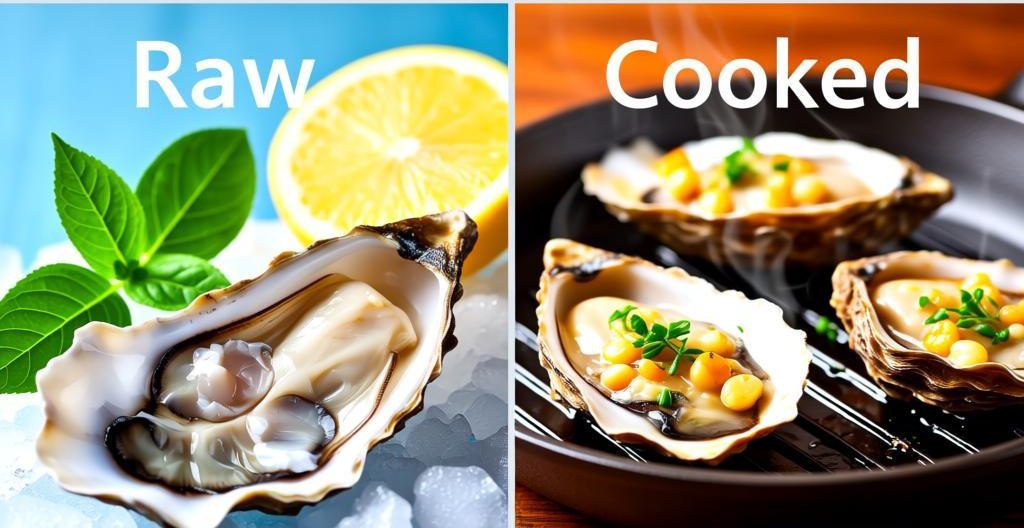
| Zinc (oysters, pumpkin seeds, beef) | Essential for testosterone synthesis; deficiency lowers hormone levels and libido. |
| Omega-3 fatty acids (salmon, sardines, flaxseed) | Reduce inflammation and improve endothelial (blood vessel lining) function. |
| Flavonoids (berries, dark chocolate, citrus) | Associated with a reduced risk of ED in large cohort studies, including the Massachusetts Male Aging Study follow-up. |
| Vitamin D (sunlight, fatty fish, fortified foods) | Low vitamin D correlates with endothelial dysfunction and low testosterone. |
On the flip side, certain dietary patterns actively harm erection quality:
- Excess sugar and refined carbohydrates: Promote insulin resistance, weight gain, and vascular damage.
- Trans fats and fried foods: Accelerate atherosclerosis and reduce nitric oxide availability.
- Heavy alcohol consumption: Temporarily suppresses the central nervous system and, over time, damages the liver, lowering testosterone and increasing estrogen.
- Excess sodium: Raises blood pressure and stiffens arteries.
The Mediterranean diet — rich in vegetables, olive oil, fish, nuts, and whole grains — has been repeatedly linked to better erectile function in clinical research, making it one of the most evidence-backed eating patterns for men’s sexual health.
4. Can Lifestyle Habits Like Smoking, Alcohol, and Lack of Exercise Really Cause ED?
Absolutely. Lifestyle factors are among the most modifiable causes of ED, and their effects are often underestimated.
- Smoking: Nicotine is a potent vasoconstrictor, and the chemicals in tobacco damage the endothelium — the delicate inner lining of blood vessels. Studies show smokers are roughly 50% more likely to develop ED, and quitting can restore function within months, especially in younger men.
- Excessive alcohol: While small amounts may lower inhibition, alcohol impairs the nerve signals and blood vessel dilation required for firmness. Chronic heavy use causes testicular atrophy and persistent hormonal disruption — a condition sometimes called “alcohol-induced hypogonadism.”
- Sedentary lifestyle: Physical inactivity reduces circulation, lowers testosterone, and promotes obesity. Prolonged sitting also decreases blood flow to the pelvic region.
- Obesity: Excess fat tissue converts testosterone into estrogen via the enzyme aromatase, and visceral fat drives chronic inflammation and insulin resistance — a triple threat to erectile health.
- Poor sleep: Testosterone is produced primarily during deep sleep. Sleeping fewer than five hours per night can lower testosterone by 10–15% within days.
- Cycling with prolonged pressure: Long hours on a poorly fitted bicycle seat can compress the perineal nerves and arteries, causing temporary numbness and erection difficulties.
The encouraging news: regular aerobic exercise — 30 to 45 minutes most days — has been shown in meta-analyses to significantly improve erectile function, independent of weight loss.
5. Which Medications and Medical Conditions Commonly Trigger Erection Problems?
Many men are surprised to learn that their ED began with a new prescription or an untreated health condition. Reviewing your medication list and medical history with a doctor is an essential step.
Common medications associated with ED include:
- Antihypertensives, especially beta-blockers and some diuretics
- Antidepressants, particularly SSRIs like sertraline and fluoxetine
- Anti-androgens used for prostate conditions (e.g., finasteride)
- Histamine H2 blockers and some acid reflux medications
- Opioid painkillers and long-term steroid use
Medical conditions that frequently cause or worsen ED:
| Condition | Mechanism of Impact |
|---|---|
| Type 2 diabetes | Nerve damage (neuropathy) and vascular damage reduce both signal transmission and blood flow. |
| Metabolic syndrome | Cluster of high blood pressure, high blood sugar, obesity, and abnormal cholesterol that accelerates arterial disease. |
| Chronic kidney disease | Hormonal disruption, toxin buildup, and vascular impairment. |
| Low testosterone / hypogonadism | Reduced libido, weaker erections, and diminished nitric oxide signaling. |
| Peyronie’s disease | Fibrous scar tissue in the penis causes curvature and interferes with rigidity. |
| Sleep apnea | Repeated oxygen deprivation and fragmented sleep lower testosterone and endothelial health. |
Never stop a prescribed medication on your own — speak with your physician about alternatives or dose adjustments if you suspect a drug is affecting your sexual function.
6. When Should You See a Doctor, and What Natural Strategies Can Help?
Because erections depend on healthy blood vessels and nerves, ED can be an early warning sign of cardiovascular disease, diabetes, or hormonal disorders. You should consult a healthcare professional if:
- Erection problems persist for more than a few weeks
- You notice morning erections have disappeared or weakened
- ED is accompanied by chest pain, leg pain when walking, extreme fatigue, or low libido
- You have diabetes, high blood pressure, or a family history of heart disease
- The problem is causing significant distress or relationship strain
A typical medical evaluation includes blood pressure measurement, fasting glucose, lipid panel, testosterone testing, and possibly a penile Doppler ultrasound. Identifying the root cause early protects not only your sexual health but your overall longevity.
Evidence-based natural strategies to support firmer, longer-lasting erections:
- Adopt a Mediterranean-style diet: Prioritize vegetables, olive oil, fish, nuts, and whole grains while cutting sugar and processed foods.
- Exercise regularly: Combine aerobic activity with resistance training; pelvic floor (Kegel) exercises have also shown benefit in clinical trials for maintaining erections.
- Quit smoking and limit alcohol: Vascular recovery often begins within weeks of cessation.
- Prioritize 7–9 hours of quality sleep: Treat suspected sleep apnea promptly.
- Manage stress: Mindfulness, deep breathing, and counseling — particularly couples therapy or sex therapy — can break the anxiety-ED cycle.
- Maintain a healthy waistline: Losing just 5–10% of body weight can measurably improve testosterone and erectile function.
Final Thoughts
The inability to achieve a firm erection — or losing one midway — is rarely caused by a single factor. It is usually the result of overlapping influences: vascular health, hormones, psychology, diet, and lifestyle. The most empowering takeaway is that most of these factors are modifiable.
By nourishing your blood vessels with the right foods, moving your body daily, sleeping well, managing stress, and seeking medical guidance when warning signs appear, you protect both your sexual vitality and your long-term health.
Persistent ED is not a verdict — it is a signal worth listening to, and one that responds remarkably well to timely, comprehensive care.