
Is There Really No Sex After Age 50?
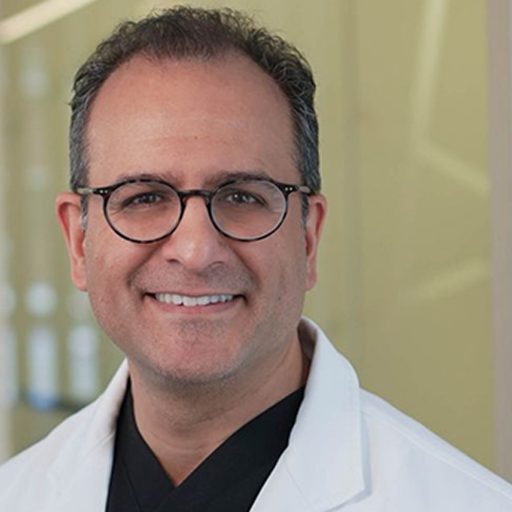
As a physician who has spent decades counseling patients on sexual health, I can tell you that one of the biggest obstacles to a satisfying intimate life after 50 is not biology—it is misinformation.
Myths about sexuality and aging are remarkably persistent, passed down through cultural silence, embarrassment, and outdated assumptions. The result is that millions of healthy, vibrant adults unnecessarily accept a diminished intimate life as an inevitable part of growing older.
The truth, supported by extensive research including landmark studies on sexual behavior in older adults, is that sexuality remains an important dimension of well-being throughout the lifespan.
Surveys consistently show that a majority of adults in their 50s, 60s, and beyond remain sexually active, and those who maintain satisfying intimate connections report better physical health, stronger relationships, and improved quality of life.
In this article, I will dismantle the eight most common and damaging myths about sex after 50, examining each from medical, psychological, and relational perspectives. My goal is to replace shame and confusion with evidence-based clarity.
Myth 1: Older Adults Lose Interest in Sex
Perhaps the most widespread myth is the assumption that sexual desire simply evaporates with age. This is categorically false. While the nature of desire may evolve, interest in intimacy persists for the vast majority of adults over 50.
Studies of sexual activity in later life show that roughly two-thirds of men and around half of women in their 60s remain sexually active, with meaningful activity continuing into the 70s and 80s.
What actually changes is how desire is experienced. Many older adults shift from spontaneous desire—the sudden, urgent craving common in youth—to responsive desire, where arousal builds in response to intimacy, touch, and connection. This is not a decline; it is simply a different rhythm.
- Desire is influenced by health, not just age. Chronic illness, medications, and unmanaged stress suppress libido far more than birthdays do.
- Relationship quality matters more than ever. Long-term couples who maintain emotional closeness report sustained or even improved sexual satisfaction.
- Hormonal changes alter, but do not erase, desire. Menopause and age-related testosterone decline shift the experience of arousal but rarely eliminate it.
From a psychological perspective, the expectation that desire “should” disappear can become self-fulfilling. When older adults internalize this myth, they stop initiating intimacy, their partners interpret this as disinterest, and a cycle of avoidance begins. Breaking that cycle often starts with simply knowing the facts.
Myth 2: Erectile Changes Mean the End of a Sex Life
Erectile changes are common with age—this is physiology, not failure. However, the myth that these changes signal the end of a satisfying sex life causes enormous, unnecessary distress.
In my clinical practice, I remind patients that erections in later life may require more direct stimulation, may be less rigid, and may take longer to achieve. All of this is normal.
More importantly, erectile difficulties are highly treatable. The medical toolkit available today is more robust than at any point in history.
| Treatment Option | How It Works | Best Suited For |
|---|---|---|
| Oral medications (PDE5 inhibitors) | Increase blood flow to support erection | Most men with mild to moderate difficulties |
| Lifestyle modification | Improves vascular health through exercise, diet, smoking cessation | Men whose difficulties relate to cardiovascular health |
| Vacuum devices | Mechanically draws blood into the penis | Men who cannot take oral medication |
| Counseling or sex therapy | Addresses anxiety, performance pressure, relational issues | Men with psychologically driven difficulties |
There is also a critical medical point here: erectile difficulties can be an early warning sign of cardiovascular disease. The penile arteries are smaller than the coronary arteries, so vascular problems often appear there first.
Any man experiencing new or worsening erectile issues should have a cardiovascular evaluation. In this sense, the body is offering a gift—a chance to address heart health before a more serious event occurs.
Myth 3: Menopause Means Sex Becomes Painful or Impossible
Menopause brings real physiological changes: declining estrogen can cause vaginal dryness, thinning of vaginal tissue, and discomfort during intercourse. But these changes are manageable, and the myth that they make sex impossible keeps countless women from seeking simple, effective solutions.
Options include over-the-counter vaginal moisturizers and lubricants, topical estrogen therapy prescribed by a physician, vaginal laser or radiofrequency treatments, and systemic hormone therapy when appropriate. Regular sexual activity itself supports vaginal health by maintaining blood flow and tissue elasticity—a genuine example of “use it or lose it” physiology.
From a relational perspective, menopause can also be an opportunity. Many women report that after menopause, freed from pregnancy concerns and often from career and child-rearing pressures, they experience greater sexual confidence and communication with their partners than they did in earlier decades.
Myth 4: It Is Embarrassing or Inappropriate to Discuss Sex with Your Doctor
As a physician, I can say this clearly: sexual health is health. Yet surveys repeatedly show that most older adults never discuss sexual concerns with their healthcare providers, often because they assume the doctor will be uncomfortable or that nothing can be done.
This silence has real consequences. Sexual symptoms can signal underlying conditions—hormonal disorders, cardiovascular disease, depression, medication side effects—that deserve medical attention. Sexual dysfunction treatments are well established, but no one can benefit from a treatment they never learn about.
- Doctors are trained for these conversations. Sexual function is a standard part of medical assessment.
- Bring it up directly. A simple statement like “I’ve noticed changes in my sexual function” opens the door.
- If your provider dismisses you, seek another. Competent care includes sexual health at every age.
- Medication reviews matter. Many common drugs for blood pressure, depression, and other conditions affect sexual function—alternatives often exist.
Myth 5: Sex Without Intercourse Is Not “Real” Sex
This myth imposes a narrow, performance-based definition of intimacy that serves no one—least of all older adults. The reality is that sexual expression takes countless forms: touch, oral sex, massage, mutual pleasure, and emotional intimacy are all legitimate, satisfying expressions of sexuality.
In fact, many couples over 50 report that expanding their repertoire beyond intercourse deepened their intimacy. When performance pressure recedes, space opens for creativity, playfulness, and prolonged sensuality that rushed, goal-oriented younger sex often lacks.
From a therapeutic standpoint, couples who redefine success as mutual pleasure and connection—rather than a specific act—consistently report higher satisfaction. The goal of intimacy is closeness, not checklist completion.
Myth 6: Older Adults Do Not Need to Worry About Sexually Transmitted Infections
This myth is not just wrong—it is dangerous. STI rates among adults over 50 have risen significantly in recent decades, driven partly by increased dating after divorce or widowhood, and partly by the false sense of security that comes from no longer needing contraception.
Consider these realities:
- Condom use among adults over 50 is substantially lower than among younger populations.
- Postmenopausal women remain fully susceptible to all STIs, and thinning vaginal tissue may actually increase transmission risk.
- Many STIs, including HIV, can be present without symptoms for years.
- New partners at any age warrant honest conversation about sexual health and, ideally, testing.
Protection and testing do not have an expiration date. Safe sexual practices are lifelong practices.
Myth 7: Solo Sex and Self-Pleasure Are Only for the Young
Masturbation remains a healthy, normal part of sexuality at every age, offering benefits that are particularly relevant after 50. From a medical perspective, regular sexual activity—solo or partnered—supports pelvic floor health in women, vascular function in men, and the release of mood-enhancing neurochemicals in everyone.
For those who are single, widowed, or in periods of separation from a partner, self-pleasure maintains sexual function and connection with one’s own body. For those in relationships, it complements rather than replaces partnered intimacy. There is no upper age limit on this form of self-care, and the lingering cultural shame around it is simply outdated.
Myth 8: It Is Too Late to Improve Your Sex Life
This final myth may be the most corrosive of all, because it discourages action. The reality is that sexual satisfaction can improve at any age, and many interventions—medical, behavioral, and relational—work remarkably well for older adults.
| Strategy | Approach | Expected Benefit |
|---|---|---|
| Regular physical exercise | Cardiovascular training, strength work, pelvic floor exercises | Improved blood flow, stamina, arousal, and body confidence |
| Medical evaluation | Hormone assessment, medication review, treatment of chronic conditions | Correction of reversible causes of dysfunction |
| Open communication | Honest discussion of needs, preferences, and changes with partner | Reduced anxiety, deeper intimacy, better mutual satisfaction |
| Professional support | Sex therapy, couples counseling, medical treatment | Evidence-based solutions for persistent difficulties |
Physical fitness deserves special emphasis. Exercise is one of the most powerful sexual health interventions available: it improves circulation (essential for arousal and erectile function), boosts energy and mood, supports healthy hormone levels, and enhances body image. Adults who remain physically active report significantly higher rates of sexual satisfaction than sedentary peers.

What Can Men Over 50 Do To Improve Their Sex Life?
Men over 50 can significantly improve their sex life through a combination of physical, medical, and relational strategies. Regular cardiovascular exercise boosts blood flow, stamina, and testosterone levels, while pelvic floor exercises enhance erectile function.
A heart-healthy diet, quality sleep, and quitting smoking all support vascular health essential for arousal. Scheduling a medical checkup helps identify reversible causes of dysfunction, including medication side effects and hormonal changes, and effective treatments are widely available.
Finally, open communication with a partner reduces performance anxiety and deepens intimacy—often the most powerful enhancer of satisfaction. Healthy sexuality at any age requires attention, but rewards it generously.
Sex is Essential, Eegardless of One’s Age
Viewing these eight myths together reveals a common thread: each one frames aging as the enemy of intimacy, when in fact the greater enemies are inactivity, poor communication, untreated medical conditions, and cultural silence. Sexuality in later life offers documented benefits—reduced stress, better sleep, stronger pair bonds, and improved overall well-being.
From a public health perspective, normalizing conversations about sexual health in older adulthood improves screening rates, treatment uptake, and relationship satisfaction. From a personal perspective, releasing these myths frees you to define intimacy on your own terms, in whatever form brings you and your partner joy and connection.
Sex after 50 is not a consolation prize or a faded memory. It can be different from sex at 25—often slower, more communicative, less pressured, and more emotionally rich. Those differences are not deficiencies. They are the natural evolution of a part of life that, with accurate information and a willingness to adapt, can remain a source of pleasure and vitality for decades to come.
If you take away one message from this article, let it be this: talk to your partner, talk to your doctor, and refuse to let outdated myths write the script for your intimate life. Healthy sexuality has no expiration date—and neither should the conversation about it.