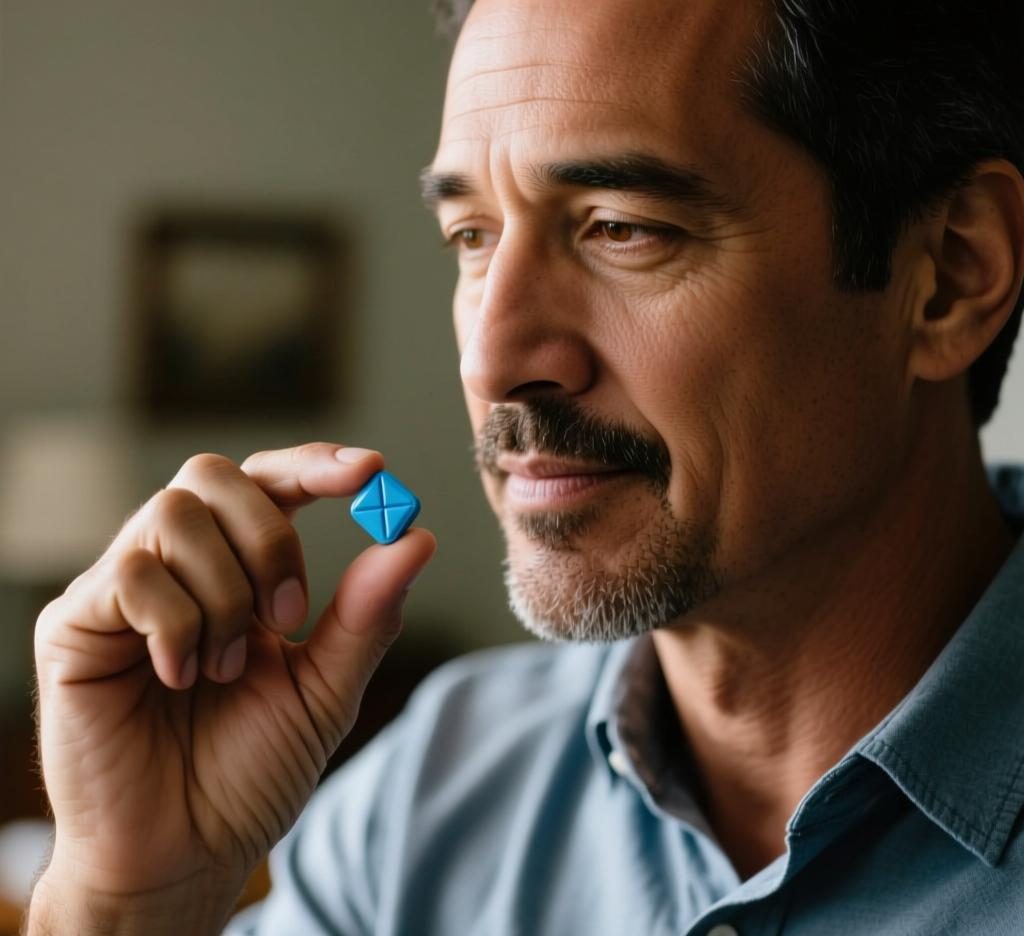
The male sexual experience is complex, encompassing physical, psychological, and emotional factors. Erectile dysfunction (ED), a condition affecting a significant portion of men across age groups, often points to underlying issues ranging from cardiovascular disease to psychological stress.
While conventional treatments like PDE5 inhibitors (Viagra, Cialis) are effective for many, they are not without potential side effects and don’t address the root causes in every case.
Increasingly, patients are seeking complementary and alternative therapies, and aromatherapy, the use of essential oils, is emerging as a potential adjunct treatment.
This article will explore the theoretical basis, potential benefits, and crucial limitations of utilizing essential oils to support male sexual wellness and, specifically, to address aspects associated with ED.
We’ll consider the scientific evidence (or lack thereof), the physiological and psychological mechanisms potentially involved, and the importance of a holistic approach, alongside professional medical guidance.
The Neuro-Endocrine-Aromatherapy Connection: A Primer
The power of scent transcends simple pleasure. Olfactory receptors, located in the nasal cavity, directly connect to the limbic system – the brain’s emotional center – and the hypothalamus, which regulates hormone production.
This direct pathway bypasses the conscious mind, making aromatherapy uniquely capable of influencing mood, reducing stress, and even impacting hormone levels to a degree.
For men experiencing ED, the often-intertwined factors of anxiety, depression, and low self-esteem can severely exacerbate the condition. If aromatherapy can alleviate these psychological burdens, it might, in turn, positively impact physiological functions related to sexual response.
However, it’s critical to remember that aromatherapy is unlikely to cure ED in the same way medication can directly address physical causes; its role is as a supportive, complementary therapy.
Essential Oils with Proposed Relevance to Sexual Wellness
Several essential oils have been traditionally touted for their aphrodisiac and mood-enhancing properties. It is vital to understand the distinction between anecdotal claims and robust scientific evidence, which remains limited in this area. Here’s an overview of oils frequently discussed and their proposed mechanisms, along with current understanding:
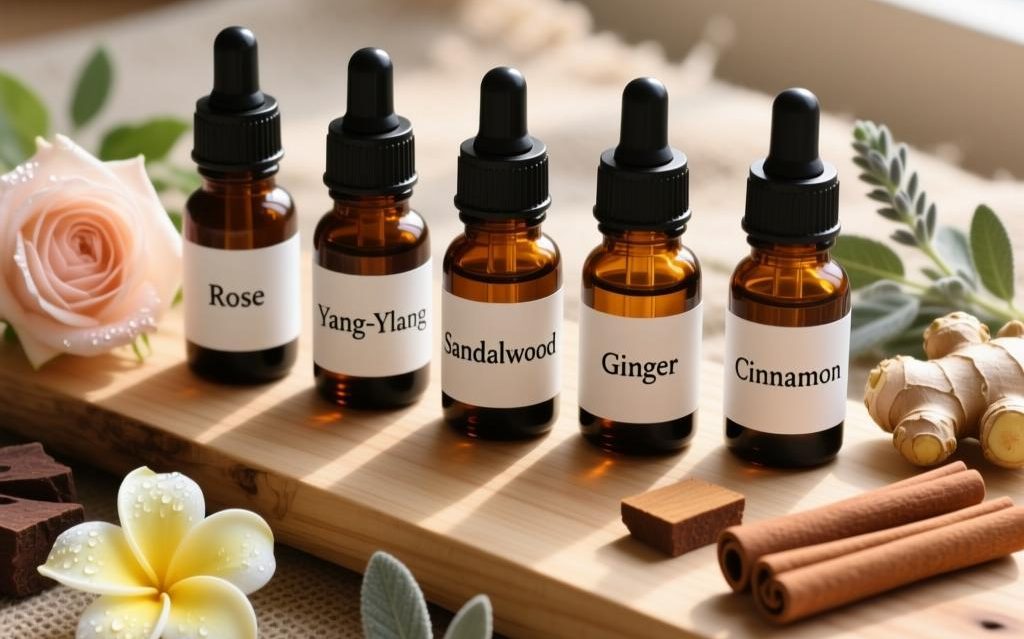
Rose (Rosa damascena/Rosa centifolia)
Proposed Benefits: Rose oil is renowned for its emotionally balancing properties, reducing anxiety, and promoting feelings of well-being. Some believe it can increase libido indirectly by alleviating emotional barriers to sexual desire. Its scent is also associated with relaxation and reduced muscle tension, which can be beneficial for physical intimacy.
Mechanism: May influence serotonin and dopamine levels, promoting relaxation and reducing anxiety.
Evidence: Limited, primarily based on traditional use and studies on mood and anxiety. Studies examining its direct effect on sexual function are lacking.
Ylang-Ylang (Cananga odorata)
Proposed Benefits: Ylang-ylang is considered to be stimulating and euphoric, potentially increasing sexual desire and reducing inhibitions. Some suggest it has a balancing effect on hormones.
Mechanism: May impact dopamine and norepinephrine levels, contributing to feelings of excitement and stimulation. Anecdotal evidence suggests potential effects on testosterone, but this is highly speculative and requires rigorous investigation.
Evidence: Primarily anecdotal; some research suggests a mild effect on reducing stress, but no direct impact on sexual function has been demonstrated.
Sandalwood (Santalum album)
Proposed Benefits: Sandalwood promotes relaxation, reduces anxiety, and enhances mood. It’s often used to ground and center individuals, which can be helpful for men struggling with performance anxiety.
Mechanism: Appears to have neuroprotective effects and may influence GABA receptors, promoting calmness and reducing overstimulation.
Evidence: Some studies suggest benefits for anxiety and depression, but no specific impact on sexual function has been determined.
Clary Sage (Salvia sclarea)
Proposed Benefits: Clary sage contains linalyl acetate, a compound that has been shown to have estrogen-like effects (though very mild). This might indirectly influence hormonal balance and improve mood.
Mechanism: Linalyl acetate’s estrogenic activity is weak and complex, and its impact on male sexual function is unclear. It can also act as a relaxant.
Evidence: Some small studies suggest a mild mood-boosting effect and potentially reduced cortisol levels; more research is needed to understand its true impact on male hormones and sexual function.
Ginger (Zingiber officinale)
Proposed Benefits: Ginger is often associated with increased circulation and warming properties. Increased blood flow is, of course, crucial for achieving and maintaining an erection. It also has anti-inflammatory properties.
Mechanism: Ginger contains compounds that may improve blood flow, though the extent of this effect in humans is still under investigation.
Evidence: Some research suggests that ginger may improve circulation and act as a mild anti-inflammatory, but its direct effect on erectile function remains unclear.
Cinnamon (Cinnamomum zeylanicum)
Proposed Benefits: Cinnamon is often perceived as stimulating and warming, potentially increasing energy and libido.
Mechanism: Limited understanding; may influence sensory perception and stimulate the nervous system.
Evidence: Largely anecdotal; lacks scientific validation.
Critical Considerations: Safety, Dosage, and Potential Interactions
While aromatherapy can be a pleasant and potentially beneficial addition to a wellness routine, it’s essential to approach it with caution and understanding. Here’s a breakdown of critical considerations:
Safety Concerns & Allergies
Essential oils are highly concentrated substances and can cause skin irritation, allergic reactions, or photosensitivity if not used properly. Always dilute essential oils in a carrier oil (e.g., jojoba, almond, coconut oil) before applying them to the skin.
Perform a patch test before widespread use to check for sensitivities. Some oils, like Clary Sage, should be avoided by men with hormone-sensitive conditions without medical guidance. Pregnant or breastfeeding women should consult a healthcare professional before using essential oils.
Dosage and Administration
There are various methods of aromatherapy administration: inhalation (diffusers, steam inhalation), topical application (diluted in carrier oil), and occasionally, internal use (which is strongly discouraged without professional supervision).
Dosage is highly individual and depends on the oil, the method of administration, and the individual’s sensitivity. Starting with low concentrations and gradually increasing as tolerated is recommended.
Drug Interactions
Essential oils can potentially interact with medications. For example, Clary Sage’s potential estrogenic effects could theoretically interact with hormone therapies. It’s imperative that patients inform their physician about any aromatherapy practices before starting or adjusting medication regimens.
The Placebo Effect
The perceived benefits of aromatherapy can be significantly influenced by the placebo effect. The ritual of self-care, the pleasant scent, and the expectation of benefit can contribute to a positive experience.
While the placebo effect is not inherently negative (it can be therapeutically beneficial), it’s important to be aware of its influence when evaluating the true effectiveness of aromatherapy.
Addressing Specific Aspects of Erectile Dysfunction – A Targeted Approach?
ED is often multifactorial. While aromatherapy isn’t likely to directly resolve anatomical or vascular issues, it might provide support in specific areas:
- Performance Anxiety: Oils like Sandalwood, Lavender (Lavandula angustifolia – noted for calming properties), and Rose can be used to help reduce anxiety and promote relaxation before sexual activity.
- Psychological Stress & Depression: Rose, Ylang-Ylang, and Sandalwood might improve mood and alleviate depressive symptoms, potentially improving sexual desire and overall well-being.
- Reduced Libido: Ylang-Ylang, Ginger, and Cinnamon (used cautiously and in low concentrations) are often employed to increase feelings of stimulation and desire, although evidence remains limited.
Integrating Aromatherapy into a Holistic Treatment Plan
Aromatherapy should never be viewed as a standalone treatment for ED. It’s most effective when integrated into a comprehensive, holistic plan that may include:
- Medical Evaluation: A thorough medical evaluation to identify and address any underlying physical causes of ED (e.g., cardiovascular disease, diabetes, hormonal imbalances).
- Lifestyle Modifications: Dietary changes, regular exercise, smoking cessation, and moderation of alcohol consumption.
- Psychotherapy: Addressing psychological factors like anxiety, depression, relationship issues, and performance anxiety.
- Medications: Considering appropriate pharmacological interventions as determined by a physician.
Future Research and Directions
While anecdotal evidence and some preliminary research suggest potential benefits, robust scientific studies are needed to fully understand the impact of aromatherapy on male sexual wellness and ED. Future research should focus on:
- Controlled Clinical Trials: Well-designed, randomized controlled trials to assess the efficacy of specific essential oils and aromatherapy protocols for ED.
- Mechanism of Action Studies: Investigating the specific physiological and neurological mechanisms by which essential oils might influence sexual function.
- Personalized Approaches: Exploring the role of individual variations (e.g., genetics, sensitivities) in responding to aromatherapy.
In conclusion, aromatherapy can be a potentially valuable adjunct therapy for supporting male sexual wellness and addressing aspects associated with ED, particularly those related to anxiety, mood, and psychological well-being.
However, it’s crucial to approach it with caution, under the guidance of a qualified healthcare professional, and as part of a comprehensive, holistic treatment plan. The reliance on anecdotal evidence and the importance of rigorous scientific investigation should be consistently emphasized.