If you’ve ever felt shaky, sweaty, and suddenly ravenous in the middle of the afternoon, you’ve probably met hypoglycemia — better known as low blood sugar. I see patients struggle with this all the time, and I also see how much easier life gets once they understand what’s happening in their body.
This guide is written the way I’d explain it to a friend: no jargon walls, just honest talk about low blood sugar symptoms, hypoglycemia treatment, and everyday habits that keep your blood glucose steady.

What Is Low Blood Sugar, Really?
Think of glucose as the fuel your brain and muscles run on. When blood sugar drops below about 70 mg/dL, your body starts sounding the alarm. For most people with diabetes — especially those using insulin or certain pills — this happens because of a mismatch between medication, food, and activity.
But low blood sugar can also affect people without diabetes, particularly after heavy exercise, alcohol use, or long stretches without eating.
The important thing to know is this: hypoglycemia is not a character flaw or a sign you’ve “failed” at diabetes management. It’s a physics problem — too much insulin on board, not enough glucose in the tank — and physics problems have solutions.
Recognizing the Warning Signs
Your body is surprisingly good at telling you when blood sugar is falling. The trick is learning its language. Early symptoms usually come from adrenaline, the “emergency hormone” your body releases to force the liver to dump stored sugar into the bloodstream.
- Shakiness or trembling
- Sweating, even in a cool room
- Racing or pounding heart
- Sudden, intense hunger
- Anxiety or a sense of “impending doom”
- Dizziness or lightheadedness
If those early warnings go unheeded, your brain — which burns glucose faster than any other organ — starts to run low. That’s when symptoms shift to confusion, slurred speech, blurry vision, clumsiness, and in severe cases, seizures or loss of consciousness. Spotting and stopping a low early is always easier than dealing with a severe one.
The Usual Suspects
In my clinic, when someone has repeated lows, we almost always find one or more of these culprits:
| Cause | What’s happening | Quick fix |
|---|---|---|
| Too much insulin or medication | Dose exceeds what food and activity require | Review dosing with your care team |
| Skipped or delayed meals | Medication arrives before the food does | Don’t skip meals; keep snacks handy |
| Unplanned exercise | Muscles soak up glucose for hours afterward | Check sugar before and after activity |
| Alcohol | The liver is busy processing alcohol instead of releasing sugar | Eat while drinking; check sugar before bed |
| Timing errors | Fast-acting insulin taken too early | Match insulin timing to your meal |
Alcohol deserves special mention. It can cause nocturnal hypoglycemia — lows that strike while you sleep, which are especially dangerous because you may not wake up. Eating regular meals and having a snack before bed after drinking can genuinely be lifesaving.
The 15-15 Rule
Here’s the rule I teach every patient, and it’s beautifully simple. When your blood sugar is below 70 mg/dL:
- Eat 15 grams of fast-acting carbohydrates. Good options: 4 glucose tablets, 4 ounces (half a can) of regular soda or juice, 1 tablespoon of honey or sugar, or a handful of chewy candy (not chocolate — fat slows absorption).
- Wait 15 minutes. Resist the urge to keep eating; glucose needs time to hit your bloodstream.
- Recheck your blood sugar. If it’s still below 70, repeat the 15 grams.
- Once it’s back above 70, eat a small snack with protein and complex carbs (like crackers with peanut butter) to prevent a repeat crash, especially if your next meal is more than an hour away.
Keep fast sugar everywhere: your bag, your car, your desk drawer, your nightstand. You can’t treat a low with supplies you left at home.
Building a Blood-Sugar-Friendly Plate
Prevention starts in the kitchen. The goal isn’t a joyless diet — it’s meals that release glucose slowly and steadily, so you’re not riding a roller coaster all day. Your food choices really matter, and small swaps add up fast.
- Pair carbs with protein, fat, and fiber. An apple alone spikes sugar quickly; an apple with a cheese stick is much gentler.
- Choose whole grains over refined ones — brown rice, oats, quinoa, whole wheat bread.
- Front-load fiber. Vegetables, beans, and lentils slow digestion and blunt sugar spikes. High-fiber recipes can make this genuinely delicious.
- Don’t fear carbs — budget them. Consistency at mealtimes matters more than elimination. Knowing what to eat and what to skip takes the guesswork out.
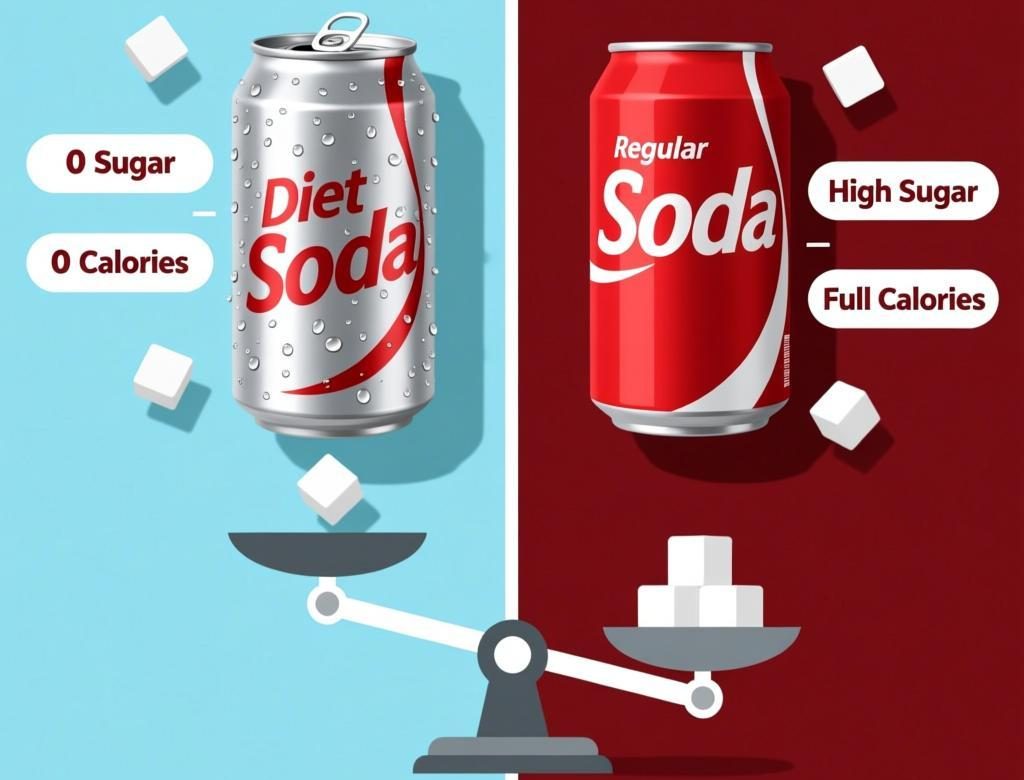
- Watch sugary drinks. Liquid sugar hits fast; even diet soda may affect some people differently than regular. Comparing diet vs. regular soda is worth five minutes of your time.
Exercise: Friend and Foe
Movement is one of the best tools for long-term blood sugar control — but it can also drop sugar quickly, sometimes hours after you finish. A brisk walk can lower glucose for up to 24 hours as your muscles restock their glycogen stores.
Practical tips I give my patients:
- Check your blood sugar before exercising. If it’s below 100 mg/dL, have a small carb snack first.
- Keep glucose tablets or gels in your workout bag.
- After intense or new activity, check sugar at bedtime — exercise-related lows love to strike at 2 a.m.
- Consistent routines (same activity, similar times) are easier to dose insulin around than sporadic workouts.
Nighttime Lows: The Silent Threat

Nocturnal hypoglycemia is the sneaky one. You go to sleep fine and wake up with a headache, drenched sheets, or feeling like you didn’t sleep at all — those are all clues. Risk factors include evening exercise, alcohol, and insulin taken at dinner or bedtime.
Defenses worth building:
- Check your blood sugar at bedtime; aim for a level your care team recommends (often 100–140 mg/dL before bed).
- Have a protein-plus-carb bedtime snack if you’re prone to overnight lows.
- Consider a continuous glucose monitor (CGM) with low alarms — truly a game-changer for people who can’t feel their lows (a condition called hypoglycemia unawareness).
- Keep fast sugar on your nightstand.
Simple evening habits help too — bedtime habits that keep blood sugar in check are low-effort, high-reward.
Hypoglycemia Unawareness: When Alarms Go Quiet
Some long-standing diabetes patients stop feeling the early warning signs. Their body skips straight from “fine” to “confused.” This is hypoglycemia unawareness, and it’s serious — but it’s also often reversible.
The strategy sounds paradoxical: several days to weeks of deliberately higher blood sugar targets can “re-train” your body to sense lows again. If you can’t feel your lows, talk to your endocrinologist about relaxed targets and CGM use. It’s not a step backward; it’s a safety reset.
Severe Lows: What Friends and Family Must Know
If someone is confused, unable to swallow safely, or unconscious, do NOT try to feed them — chewing and swallowing become dangerous. Instead:
- Use glucagon (nasal powder or injectable) if available. Every person on insulin should have a prescription, and family members should know how to use it.
- Call emergency services if glucagon isn’t available or the person doesn’t improve within 15 minutes.
- Once the person recovers, they’ll need food and a check-in about what caused the episode.
Severe lows are frightening, but with a plan, they’re manageable. Preparation converts panic into procedure.
Medications That Can Cause Lows
Not all diabetes drugs cause hypoglycemia. Metformin, GLP-1 agonists, and SGLT2 inhibitors rarely do it alone. The main offenders are insulin and sulfonylureas (like glipizide and glyburide). If you’re having frequent lows on these, don’t just endure it — that’s a signal your regimen needs adjusting.
Modern treatment philosophy says: lows are not the price of control; they’re a dosing problem to solve. Some newer medication-plus-lifestyle approaches offer better glucose control with far fewer lows.
One caution: some people experiment with supplements like berberine alongside their prescriptions. If you go that route, monitor closely — combined effects can push sugar lower than expected. See whether supplements can help keep blood sugar in check and always loop in your doctor.
The Emotional Side of Lows
Few people talk about the fear. After a bad low, many patients become afraid of lows — so afraid they run their sugars high on purpose, trading short-term safety for long-term complications. This is called fear of hypoglycemia, and it deserves real attention.
Talking openly with your care team, using technology that watches your sugar while you sleep, and celebrating “no severe lows” weeks just as much as great A1C numbers all help. Managing diabetes is a marathon of both glucose and emotion.
Diabetes costs add up too, both financially and emotionally — practical ways to save money on management can ease one real source of stress.
Small Habits, Big Protection
Steady blood sugar is mostly built from unglamorous habits:
| Habit | Why it works |
|---|---|
| Eat at consistent times | Prevents medication/food mismatches |
| Never skip breakfast | Prevents morning rebound and mid-morning crashes |
| Check sugar before driving | Lows behind the wheel are a major safety risk |
| Wear medical ID | Helps responders treat you correctly |
| Review patterns weekly | Repeating lows at the same time = fixable cause |
If you’re curious how your body actually handles sugar day to day, this plain-language explanation is a great refresher, and 13 simple tricks can round out your toolkit.
Special Situations
For older adults, tighter isn’t always better. Somewhat higher targets reduce fall and confusion risks from lows — a conversation worth having if you or a loved one is over 65 or living with memory issues. Staying active and engaged helps too; fun activities for seniors with diabetes support both glucose control and quality of life.
For kids, growth spurts, sports schedules, and picky eating make lows more frequent. School plans (like a 504 plan in the US) ensure teachers and nurses can treat lows promptly. Never punish a child for a low — it’s chemistry, not compliance.
FAQs About Low Blood Sugar
Q: Can I have low blood sugar without diabetes?
A: Yes — called reactive hypoglycemia, it can occur a few hours after meals in some people. It’s usually managed with smaller, frequent meals, lower refined-carb intake, and protein at every meal. See a doctor to rule out other causes.
Q: Why do I feel low when my meter says I’m not?
A: If your sugar has been running high, a drop to a “normal” level can feel like a low because your body has adapted to higher numbers. These “relative lows” fade over a few weeks as your body recalibrates.
Q: How often should I check my blood sugar?
A: It depends on your regimen. Insulin users typically check before meals and bedtime, or wear a CGM. If you have frequent lows, more frequent checking (or CGM alarms) is essential until the pattern is fixed.
Q: Is fruit juice or glucose tablets better for a low?
A: Glucose tablets are the most predictable — pre-measured 4 grams each, absorbed fast. Juice works fine too (4 oz ≈ 15 g carbs), but measure it; gulping a large glass delivers way more than 15 grams.
Q: Can lows cause long-term harm?
A: Occasional mild lows treated promptly are not linked to long-term damage. Frequent severe lows, however, are associated with cardiac risk and, in older adults, cognitive decline — one more reason prevention matters.
Q: What should my target A1C be?
A: Commonly under 7% for many adults, but individualized — older adults or those with hypoglycemia unawareness may be advised to aim higher. Your endocrinologist sets the target that fits you, not a textbook.
Final Thoughts
Low blood sugar is manageable, predictable, and preventable most of the time. The formula is simple: know your warning signs, keep fast sugar everywhere, follow the 15-15 rule, build steady meals, and use technology when it helps. Bring your lows to your care team — every one of them contains information we can use to fine-tune your plan.
Remember, the goal of diabetes care isn’t perfect numbers; it’s a full, safe, unbothered life with numbers that behave well enough. Tame the lows, and everything else gets easier.