Why Do Your Joints Hurt in the First Place?
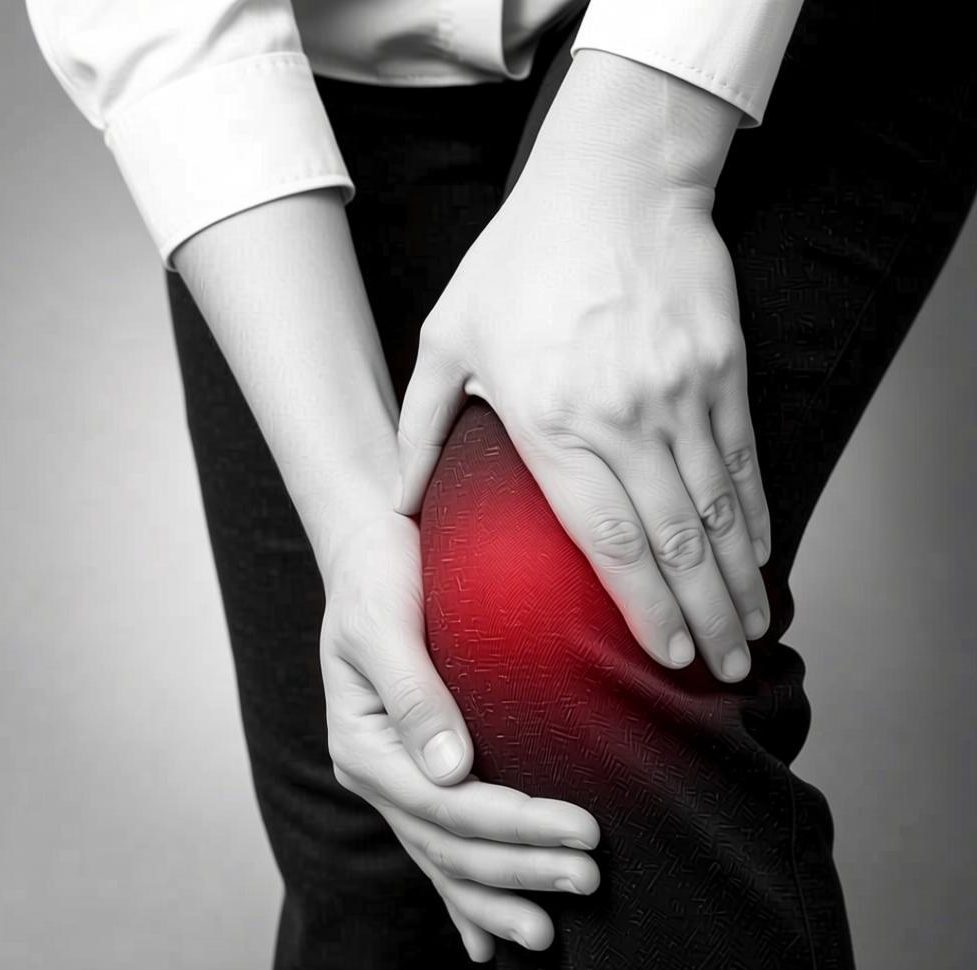
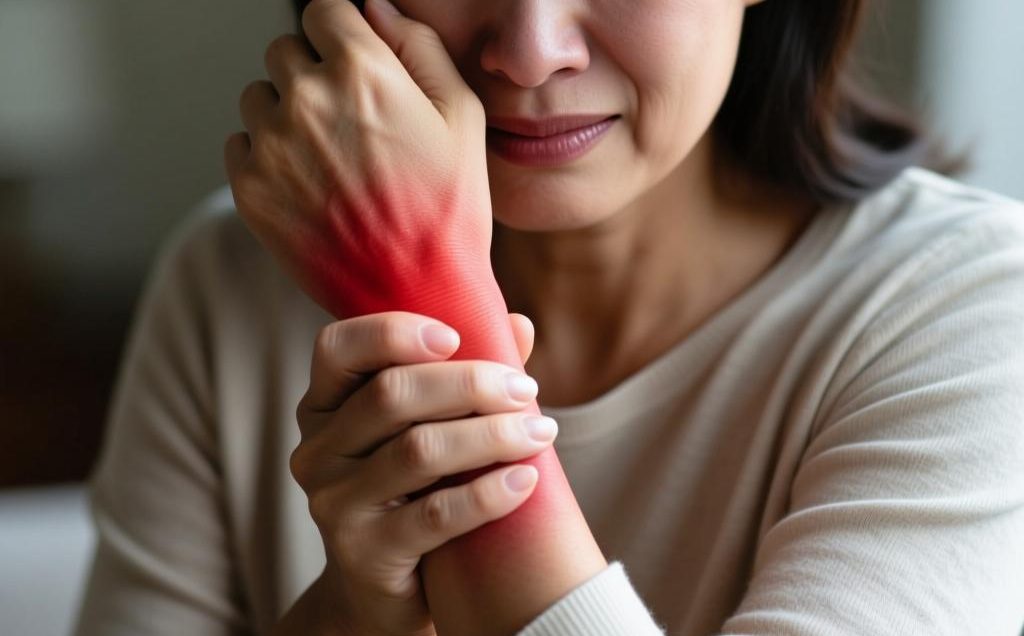
If you’re reading this, chances are you know that nagging feeling all too well — the stiff knee when you get out of bed, the achy fingers when you open a jar, or the sore hip that acts up every time the weather changes. Joint pain is incredibly common, affecting millions of people every single year, and it can slowly chip away at your quality of life if you let it.
Here’s the thing: joint pain isn’t one single problem. It can come from wear-and-tear on the cartilage that cushions your joints (that’s osteoarthritis), from inflammation when your immune system gets a little too aggressive (like rheumatoid arthritis), or from everyday culprits like old injuries, carrying extra weight, repetitive movements at work, or even just sleeping in an awkward position.
Sometimes, I also see joint discomfort linked to things people rarely connect to their joints — like vitamin D deficiency, thyroid issues, or blood sugar that’s been running high for too long.
The good news? You don’t have to just live with it. There are plenty of simple, practical steps you can take right now — today — that can make a real difference. None of them require fancy equipment or a medical degree to understand. Let’s walk through what actually works.
Small Daily Habits That Take the Pressure Off
Before we talk about foods, supplements, or treatments, let’s start with the basics — because honestly, the little things you do every day matter more than most people realize. Your joints are under constant load, and small changes in how you move, sit, and rest can add up to big relief over time.
- Mind your posture. Slouching at a desk all day puts uneven stress on your neck, shoulders, spine, and hips. Set a reminder to sit tall, keep your screen at eye level, and take a break every 30–45 minutes.
- Lift smart. Bend at your knees, not your waist. Your largest joints (hips and knees) are built to handle load — the small ones in your lower back are not.
- Trade repetitive strain for variety. If your job involves typing, gripping tools, or standing in one spot, switch hands when you can, stretch between tasks, and use ergonomic tools that fit your body.
- Sleep in a joint-friendly position. A supportive mattress and a pillow between your knees (if you’re a side sleeper) can ease hip and back pressure overnight.
- Alternate heat and ice wisely. Ice is best for fresh flare-ups and swelling; heat works wonders for stiffness and chronic achiness.
- Wear supportive shoes. Your knees and hips feel every step. Cushioned, well-fitting shoes genuinely reduce the load on your weight-bearing joints.
None of these habits costs a dime, and together they form the foundation of joint care. Think of it this way: you can’t always fix the joint itself overnight, but you can absolutely stop making it angrier every day.
Why Losing Even a Little Weight Helps More Than You’d Think
If you’re carrying some extra pounds, here’s a piece of numbers-based motivation that surprises most of my patients: for every single pound of body weight, your knees feel roughly four pounds of pressure with every step you take.
Climb the stairs, and the force on your knees can hit seven or eight pounds per pound of body weight. That means losing just ten pounds can take something like 40 pounds of pressure off your knees with every single stride.
And it’s not just about mechanical load. Fat tissue is metabolically active — it produces inflammatory chemicals called cytokines that circulate through your body and can make joints stiffer and more painful. So weight loss helps twice: less pressure on the joint surfaces, and less fuel on the fire of inflammation.
You don’t need to transform into a marathon runner or drop 50 pounds to feel better. Research consistently shows that losing even 5–10% of your body weight can noticeably reduce joint pain and improve how well you move. Slow, steady progress wins. Pair reasonable portions with gentle movement (more on that below), and let the compounding effect work in your favor.
Foods That Fight Joint Pain and Foods That Make It Worse
Your kitchen might be one of your most powerful tools against joint pain. Certain foods actively calm inflammation in the body, while others pour gasoline on it. As someone who looks at hormones and metabolism all day, I can tell you that diet and joint health are far more connected than most people assume.
Here’s a quick cheat sheet you can save:
| Foods That Help | Why They Work |
|---|---|
| Fatty fish (salmon, sardines, mackerel) | Rich in omega-3 fatty acids, which are natural inflammation fighters |
| Colorful fruits and berries | Packed with antioxidants that protect joint tissues from damage |
| Leafy greens (spinach, kale, broccoli) | Full of vitamins K and C, plus compounds studied for joint protection |
| Olive oil | Contains oleocanthal, a compound with inflammation-easing properties |
| Nuts and seeds (walnuts, flaxseed, chia) | Plant-based omega-3s and healthy fats that support overall joint health |
| Whole grains (oats, brown rice, quinoa) | Steady blood sugar means less inflammation throughout the body |
| Turmeric and ginger | Spices with long histories of use for aches and stiffness |
On the flip side, try to cut back on the troublemakers: sugary drinks and sweets, heavily processed snack foods, fried foods, refined carbs like white bread, and excess alcohol.
These tend to spike blood sugar and trigger inflammatory responses — and if you have any blood sugar concerns, that double whammy hits your joints especially hard.
One more thing worth mentioning: stay hydrated. Cartilage is mostly water, and dehydration can make it less effective as a shock absorber. Aim for water throughout the day rather than waiting until you’re thirsty.
The Counterintuitive Cure for Stiff Joints
Here’s the biggest myth I want to bust: resting painful joints makes them better. It sounds logical, but it’s usually wrong. Joints are designed to move. Synovial fluid — your joint’s natural lubricant — circulates best when the joint is in motion.
When you stop moving altogether, joints get stiffer, the muscles around them get weaker, and the weakness puts even more strain on the joints themselves. It becomes a painful downward spiral.
The key word, though, is gentle. You’re not training for the Olympics here — you’re keeping your joints nourished and your supporting muscles strong. Some of the best options include:
- Walking — free, simple, and one of the best things you can do for stiff knees and hips. Start with 10–15 minutes and build up gradually.
- Swimming and water aerobics — the water supports your body weight, letting you move your joints through their full range without impact. Many of my patients call this a lifesaver.
- Cycling — stationary or outdoors, it’s easy on the knees while strengthening the muscles that support them.
- Yoga and tai chi — these improve flexibility, balance, and joint mobility, and tai chi in particular has solid research behind it for people with joint pain.
- Stretching — just five to ten minutes of daily stretching keeps muscles loose so they’re not tugging on already-irritated joints.
- Light strength training — stronger muscles act like a built-in brace for your joints. Even resistance bands a couple of times a week makes a difference.
A good rule of thumb: mild discomfort during movement is usually okay; sharp pain, swelling, or pain that lingers for hours afterward is your cue to back off. And if you haven’t exercised in a long time, check with your doctor before starting something new.
Home Remedies Worth Trying Tonight
Sometimes relief doesn’t come from a pharmacy — it comes from your own home. These classic remedies have stood the test of time for good reason:
Heat therapy. A warm bath, a heating pad, or a warm towel wrapped around a stiff joint relaxes tight muscles and boosts blood flow to the area. It’s especially good for morning stiffness or that deep, achy feeling at the end of a long day.
Cold therapy. When a joint is hot, swollen, or freshly flared up, ice is your friend. Wrap an ice pack in a thin towel and apply it for 15–20 minutes at a time. Never put ice directly on your skin.
Topical creams. Over-the-counter creams containing menthol, capsaicin, or diclofenac can provide surprisingly effective localized relief with fewer side effects than pills.
Epsom salt soaks. A warm bath with Epsom salts is relaxing, and many people find it genuinely soothing for sore joints and muscles — especially before bed.
Massage. Gentle massage around a painful joint improves circulation, eases muscle tension around the area, and — let’s be honest — just feels wonderful.
Rest and elevation. When a joint is really acting up, propping it up and giving it a break for a day or two is perfectly reasonable. Just don’t let a short rest turn into weeks of inactivity.
Supplements: What’s Actually Worth Your Money?
Walk down any supplement aisle and you’ll see shelves of products promising joint relief. Let me save you some trial and error — here’s the honest rundown:
Omega-3 fish oil has the strongest reputation for good reason. Multiple studies suggest it can reduce joint stiffness and tenderness, particularly for inflammatory types of joint pain. If you don’t eat fish regularly, this is a reasonable addition.
Vitamin D is one I check constantly in my practice. Low vitamin D is linked to bone and muscle pain, and deficiency is extremely common — especially in people who work indoors or live in less sunny climates. A simple blood test can tell you where you stand, and correcting a deficiency sometimes improves aches more than people expect.
Glucosamine and chondroitin are the classic joint supplements. The research is mixed — some people swear by them, while studies show modest benefits at best. They’re generally safe, so a three-month trial won’t hurt if you’re curious, but keep your expectations realistic.
Turmeric (curcumin) has gathered impressive research on inflammation. Look for formulas that include black pepper extract (piperine), which dramatically improves absorption.
Collagen and boswellia also show promise in early research, though the evidence is still building. Before starting any supplement, talk with your doctor — especially if you take medications like blood thinners, because interactions do happen.

When Should You Actually See a Doctor?
Most joint pain from overuse or mild arthritis can be managed at home. But some situations deserve professional attention sooner rather than later. Don’t tough it out if you notice any of these:
- Joint pain with significant swelling, redness, or warmth
- Severe pain that came on suddenly, especially after an injury
- A joint that looks deformed or won’t bear weight
- Fever along with joint pain (this can signal an infection — a medical urgency)
- Pain that lasts more than a few weeks despite home care
- Stiffness lasting more than 30 minutes every morning
- Joint pain paired with fatigue, unexplained weight changes, or other whole-body symptoms — your thyroid, hormones, or blood sugar could be involved
There’s no gold star for suffering in silence. Getting the right diagnosis early can protect the joint and save you years of avoidable discomfort.
Frequently Asked Questions
Is joint pain just a normal part of getting older?
Partly, but “normal” doesn’t mean “untreatable.” Some wear on cartilage happens with age, but chronic pain is not something you should simply accept as your destiny. Plenty of people in their 60s, 70s, and beyond stay active and comfortable with the right habits, and pain at any age deserves attention.
Does cracking your knuckles cause joint problems?
No — and this is one of my favorite myths to debunk. Studies comparing knuckle-crackers to non-crackers have found no meaningful difference in joint problems. That popping sound is just gas bubbles in the joint fluid. Cracking might annoy the people around you, but it isn’t damaging your joints.
How long does it take to notice a difference from lifestyle changes?
It varies. Some people feel better from gentle exercise and heat within days. Weight-related relief and the anti-inflammatory benefits of dietary changes usually take a few weeks to a couple of months to become obvious. Consistency matters far more than intensity — keep showing up for yourself.
Are heating pads or ice better for joint pain?
Use ice when a joint is swollen, red, or recently injured. Use heat when the joint feels stiff, tight, or chronically achy. Some people get the best results by alternating the two. When in doubt, try heat for stiffness and ice for flare-ups.
Can weather really make joint pain worse?
Many people insist it does — especially before rain or during cold snaps — and they’re not imagining it. Changes in barometric pressure may cause tissues around the joint to expand slightly, which can increase discomfort in joints that are already irritated. You can’t control the weather, but staying warm, staying active indoors, and keeping up with your other habits helps take the edge off.
When should I consider surgery?
Surgery — like a knee or hip replacement — is typically reserved for severe joint damage that hasn’t responded to months of conservative treatment, and when pain significantly limits your daily life. The vast majority of people with joint pain never need it. Explore lifestyle measures, physical therapy, and medical management first; surgery is the last stop, not the first.
The Bottom Line
Joint pain is common, but it doesn’t have to run your life. Move gently every day, eat foods that calm inflammation instead of provoking it, keep your weight in a comfortable range, use heat and ice wisely, sleep well, and see your doctor when something feels beyond the ordinary.
Start with one or two changes — a daily walk, swapping soda for water, a fish dinner twice a week — and build from there. Your joints have carried you this far; a little care goes a long way toward keeping them happy for the road ahead.