
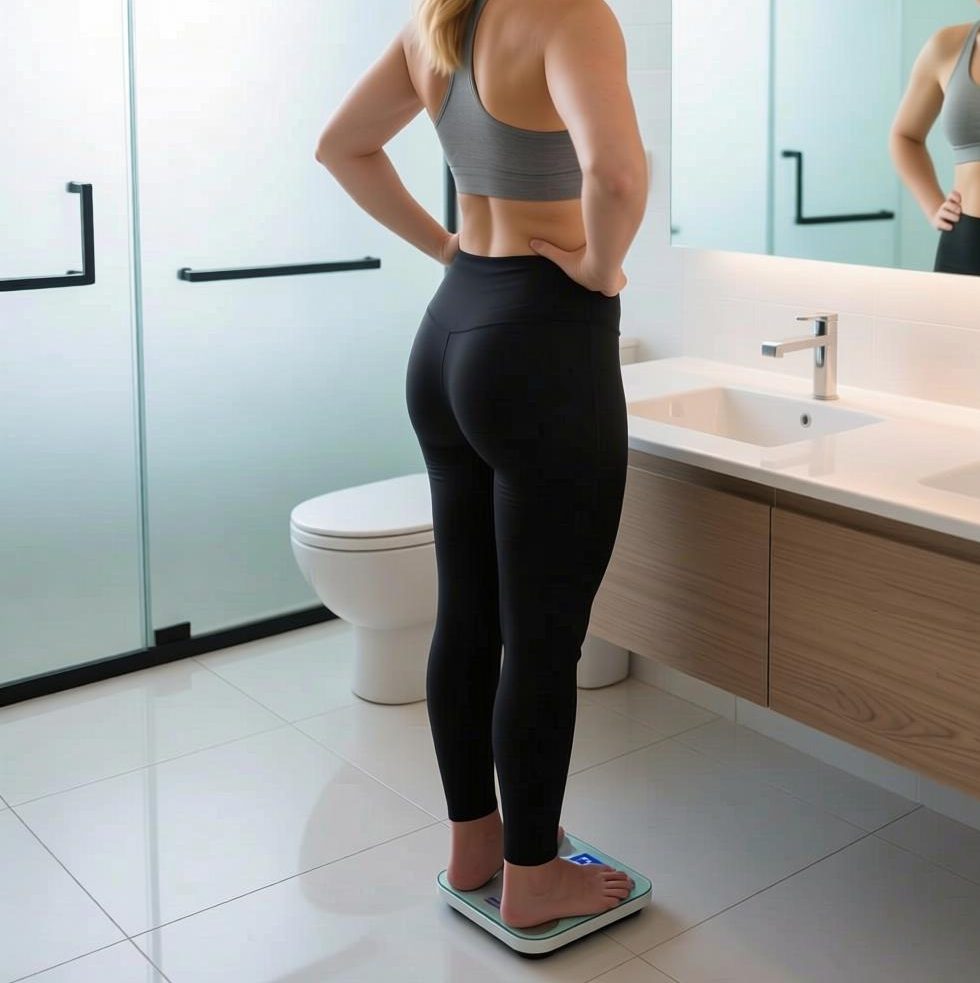
That Moment When the Scale Just Stops Moving
You were doing everything right. You planned your meals, you showed up for your workouts, and the number on the scale dropped week after week. Then, almost overnight, everything went quiet. Same weight. Same measurements. Week after week of nothing.
If that sounds familiar, welcome to the weight loss plateau — one of the most frustrating, and most normal, parts of losing weight. Almost everyone who loses a meaningful amount of weight hits at least one stretch where progress seems to vanish, no matter how careful they are.
Here’s the good news: a plateau doesn’t mean you’re broken, and it doesn’t mean you have to starve yourself even harder. It usually means something small has quietly changed under the surface. Let’s walk through five sneaky reasons why weight loss slows down — and, more importantly, exactly how to get things moving again.
Reason 1: You’re Eating More Than You Think
This one sounds a little insulting, but stay with me, because it’s the number one culprit. As you lose weight, your body needs fewer calories to run. The meal plan that created a comfortable deficit when you started can slowly turn into “just barely maintaining” as you get smaller. Meanwhile, tiny extras tend to creep back into your routine without you ever making a conscious decision to relax.
- Calorie creep: the splash of oil in the pan, the bite you finish off your kid’s plate, the “just one” cookie someone brought to the office.
- Portion drift: your “one cup” of cereal quietly becomes a cup and a half over a couple of months.
- Weekend amnesia: a loose Saturday and Sunday can easily cancel out the deficit you built Monday through Friday.
- Liquid calories: lattes, juices, smoothies, and alcohol go down easily, but they absolutely count.
Before you slash another 500 calories out of frustration, track your food honestly for one week — yes, including that spoonful of peanut butter you ate while making dinner. Most people find at least one surprise.
| Sneaky extra | What it actually costs |
|---|---|
| Extra tablespoon of olive oil in the pan | ~120 calories |
| Large flavored latte | ~190 calories |
| Handful of trail mix “while snacking” | ~170 calories |
| One glass of wine with dinner | ~125 calories |
The math is unforgiving: a small daily surplus of 150 calories or so is enough to stall a diet that used to work. The fix is rarely dramatic — it’s usually a matter of tightening up the little things, not eating dramatically less.
Reason 2: Your Body Got Better at Running on Less
Your body isn’t a calculator. It’s an adapter. When you eat less and weigh less, your body quietly becomes more efficient, and it burns fewer calories doing everything — including your workouts. Researchers call this adaptive thermogenesis, but in plain English, your body has tightened its belt.
A few things happen at once:
- Your metabolism slows down a little more than the basic math predicts.
- Exercise feels harder, so you unconsciously put in slightly less effort.
- Hunger hormones shift, so you feel hungrier and more tired at the same time — unfair, but very real.
This isn’t your body betraying you. It’s an ancient survival system doing exactly what it evolved to do: protecting you from a famine it can’t understand is intentional. Fighting it with endless cutting usually backfires. Working with it looks like this:
- Recalculate your calorie needs for your current weight, not your starting weight.
- Keep protein high — it protects your muscle and keeps you fuller for longer.
- Consider a one-to-two week break at maintenance calories. It gives your body (and your brain) a proper rest, and it may help things steady out.
Reason 3: You’re Losing Muscle, Not Just Fat
Muscle is your metabolic engine. It burns calories around the clock, even while you’re sprawled on the couch. So when weight loss starts eating into your muscle instead of your fat, your daily calorie burn drops, and losing weight gets harder — a frustrating loop.
How does it happen? Usually through a combo of cutting calories too aggressively, eating too little protein, and doing only cardio while skipping strength training.
Protecting your muscle comes down to three habits:
- Eat enough protein: a palm-sized portion at each meal is a simple, no-app-required target.
- Lift something challenging twice a week: bodyweight, bands, or dumbbells all count.
- Avoid crash diets: slower losses of one to two pounds a week tend to spare muscle better than dramatic cuts.
One more thing worth knowing: if you’ve recently started strength training, the scale can look “stuck” while you’re actually doing great. You may be losing fat and gaining a little muscle at the same time. That’s why the scale alone can lie — check how your clothes fit, take monthly photos, and measure your waist before assuming the worst.
Reason 4: Water Is Hiding Your Progress
Sometimes you’re still losing fat perfectly on schedule — the scale just can’t see it, because your body is holding extra water. Fat loss and water retention move on totally different timelines, and water loves to disguise itself as a plateau.
Common triggers include:
- A new or extra-tough workout (your muscles hold water while they repair)
- A saltier-than-usual dinner
- A few nights of poor sleep
- Stress, which raises cortisol and encourages water retention
- For women: hormone changes across the monthly cycle
Here’s a quick way to tell the difference:
| Water weight | Fat loss |
|---|---|
| Shows up or disappears within days, sometimes overnight | Creeps down slowly over weeks |
| Swings wildly from day to day | Shows up as a steady weekly trend |
| Often comes with puffy or “tight” feelings | Comes with looser clothes and new belt notches |
The fix for water masking is annoyingly simple: wait. Keep doing what you’re doing for two more weeks, weigh yourself under the same conditions, and compare weekly averages instead of daily numbers. Panic-cutting calories in response to water noise usually makes things worse, not better.

Reason 5: You’ve Stopped Moving as Much Overall
Here’s the sneaky one almost nobody sees coming. When you diet, you unconsciously become a more still person. You fidget less, you take the elevator, you sit instead of standing, and your workouts quietly turn into going-through-the-motions. Scientists call this NEAT (non-exercise activity thermogenesis) — all the calories you burn moving around outside of workouts.
For many people, NEAT quietly accounts for several hundred calories a day. Losing even a chunk of it can erase your deficit, even though your meals haven’t changed one bit. This is also why two people can follow the exact same meal plan and get completely different results — their lives outside the kitchen look nothing alike.
An hour at the gym is only about 4% of your day. What you do with the other 96% often matters more. Easy ways to build movement back in:
- Set a simple daily step goal and actually track it for a few weeks.
- Take a ten-minute walk after your biggest meal — it helps digestion too.
- Stand up and stretch every hour if you work at a desk.
- Make weekends active by default: errands on foot, parking farther away, stairs over elevators.
The best part about fixing NEAT is that it doesn’t feel like dieting at all. You’re not eating less, you’re not killing yourself in the gym — you’re just living a slightly more active version of your normal life, and letting your body do the accounting.
Is It Really a Plateau? A Simple 4-Week Plan
First, define it properly. A true plateau means no change in your weight or your measurements for about three to four weeks — not five slow days. Daily noise is not a plateau.
If you’re genuinely stalled, work through this checklist instead of guessing:
- Week 1: Track your food honestly, including drinks and small bites. Weigh yourself under the same conditions each morning, and compare this week’s average to last week’s.
- Week 2: Tighten the biggest leak you found. Recalculate your calorie target for your current weight, and bump protein up a little.
- Week 3: Add movement, not hunger. Aim for more daily steps and two strength sessions.
- Week 4: Check sleep and stress — both affect water retention, hunger, and willpower more than most people expect.
One rule ties the whole plan together: change one or two things at a time. If you overhaul everything at once, you’ll never know what actually worked — and you’ll have nowhere left to go when the next plateau shows up. And yes, there’s usually a next one. Each plateau you solve teaches you something about how your own body responds, which makes the next one shorter and far less scary.
And if you’ve genuinely done all of this for six to eight weeks with zero change, talk to a doctor. Things like thyroid issues, PCOS, certain medications, and menopause can all make weight loss slower — not impossible, just slower, and usually easier with professional support on your side.
Frequently Asked Questions
How long does a weight loss plateau usually last?
Water-related stalls often clear up on their own within a week or two. True plateaus usually need a small adjustment — tighter tracking, more protein, more daily movement — and then another three to four weeks of patience to confirm it worked.
Should I cut more calories when my weight stops dropping?
Not right away. First audit what you’re actually eating and how much you’re really moving. If everything checks out, a modest cut of 100–200 calories is plenty. Slashing food dramatically tends to cost you muscle, energy, and sanity — and the weight usually comes right back.
Can a cheat day break a plateau?
Mostly a myth. One big eating day may nudge some hormones briefly, but it mainly adds water and stored carbs, which the scale reads as weight gain. A planned one-to-two week maintenance break is the smarter, calmer version of the same idea.
Why did I gain three pounds overnight?
Water, salt, carbs, sore muscles, bad sleep, or (for women) your monthly cycle. To gain three pounds of actual fat overnight, you’d need to eat roughly 10,500 calories above what you burned. If that didn’t happen, take a breath — it’s water, and it will leave.
Do any supplements help break a plateau?
Not really. Almost nothing on the shelf has a meaningful effect on weight loss. Save your money. Protein powder and fiber-rich foods help you feel full, caffeine gives a small temporary nudge, and most “fat burners” are just expensive urine.
When should I see a doctor about a plateau?
If you’ve tracked carefully, moved more, and seen nothing change for six to eight weeks — or if you have symptoms like constant fatigue, feeling unusually cold, or hair loss — a checkup makes sense. Thyroid issues, PCOS, and some medications genuinely slow progress, and identifying them changes the plan.
The Bottom Line
A weight loss plateau isn’t failure — it’s feedback. Your body has changed, and your plan needs to change with it. Run through the five sneaky causes: hidden calories, a more efficient body, lost muscle, water retention, and quieter daily movement.
Fix one or two at a time, give each change a few honest weeks, and judge your progress with weekly averages, measurements, and photos — not a single rough morning on the scale.
The scale is one tool, not a verdict. Keep showing up, make small adjustments, and the number will start moving again.