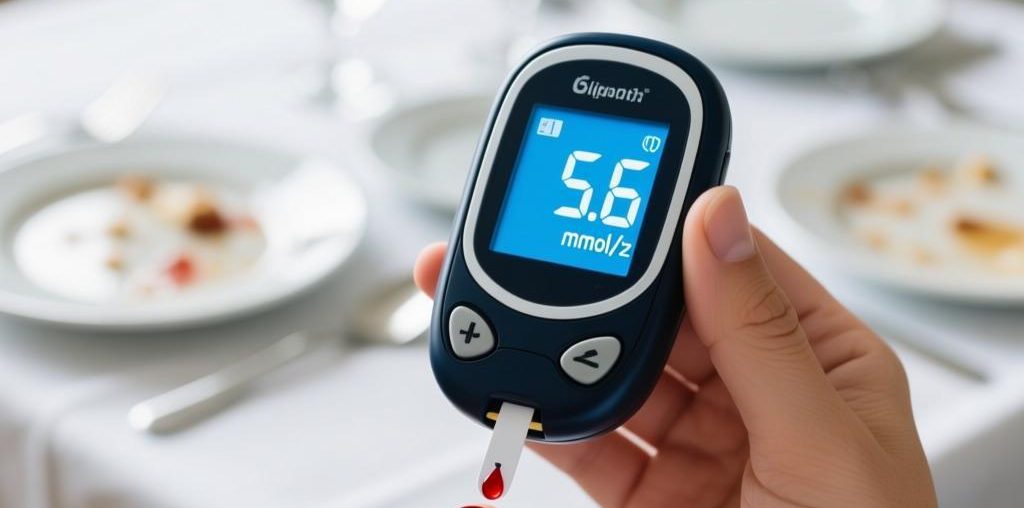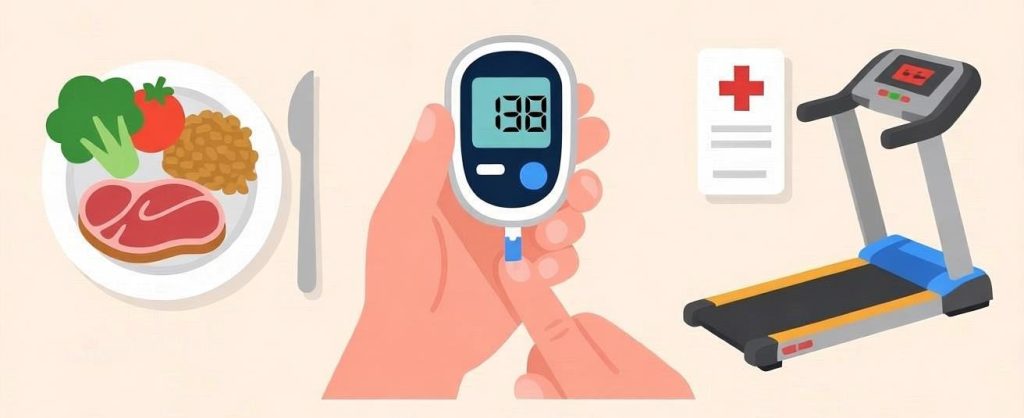
If you have ever been told to “watch your blood sugar,” you might have pictured a life of boring food, endless rules, and nothing fun on your plate ever again.
Here is the good news: keeping your blood sugar steady does not have to be complicated or miserable. Small, everyday choices — what goes in your shopping cart, how you build your meals, when you eat, how you move, and even how you sleep — quietly add up to big results.
As a nutritionist who has walked this road with hundreds of real people, I have gathered the 13 simple tricks that consistently work in everyday life, not just in textbooks.
Why Your Blood Sugar Deserves a Little Attention
Think of blood sugar as the fuel in your gas tank. Every time you eat, especially when you eat carbohydrates, sugar enters your bloodstream to power your brain and muscles. That is normal and healthy.
The trouble starts when fuel floods in too fast, too often. Your body has to release extra insulin to handle the overflow, and that roller coaster can leave you tired, foggy, and ravenous an hour after a big meal. Ride those spikes and crashes long enough, and the whole system starts to wear out.
The goal of every trick in this article is simple: slow the flood, smooth the ride, and keep your energy steady from morning to night. And here is the best part: these same habits also help your heart, your mood, and your waistline, so they are multi-taskers by nature.
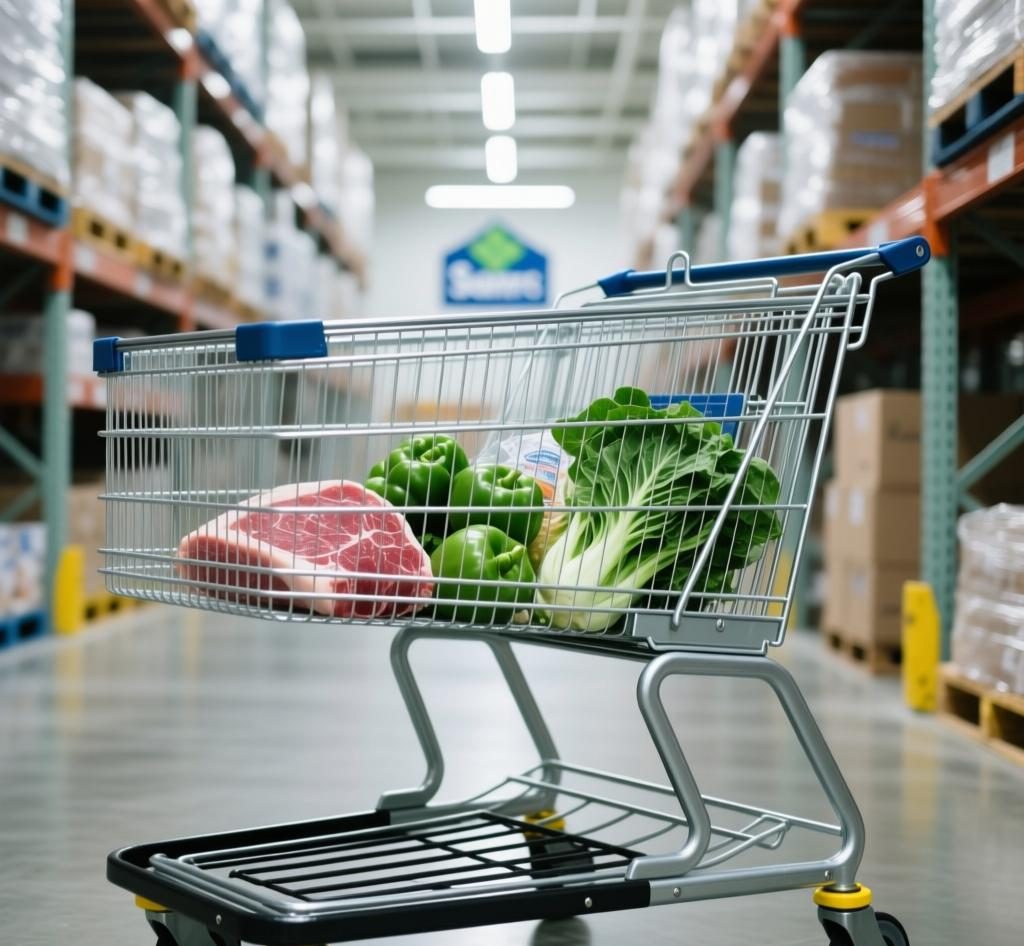
It All Starts in the Shopping Cart
Trick 1
Shop the edges of the grocery store. Have you ever noticed that fresh produce, meat, fish, eggs, and dairy usually line the outside walls, while the middle aisles are home to highly processed foods designed to sit on shelves for months? Fill most of your cart from the perimeter and you are already halfway to steadier blood sugar — no nutrition degree required.
Trick 2
Read labels like a detective. Before anything lands in your cart, flip the package over. Look past the front-of-box claims and go straight to the ingredient list and the fiber line. Sugar hides behind more than fifty names — syrup, cane juice, dextrose, maltodextrin, and friends.
If a sweetener shows up in the first three ingredients, that product is best left on the shelf. Compare two brands and pick the one with more fiber and less sugar. It takes ten extra seconds and saves you hours of guesswork.
Smart swaps make the whole job even easier. You do not need special “diet” foods — just friendlier versions of things you already enjoy:
| Instead of this | Try this instead | Why it helps |
|---|---|---|
| White bread | 100% whole-grain bread | More fiber, slower sugar release |
| Fruit juice | Whole fruit with the skin on | Fiber slows the sugar down |
| Sweetened yogurt | Plain yogurt plus berries | You control the sweetness |
| White rice | Quinoa, barley, or brown rice | Steadier, longer-lasting energy |
| Soda and energy drinks | Sparkling water with lemon | All refreshment, no sugar crash |
One swap a week is all it takes. Before you know it, your kitchen is stocked with foods that work for you, not against you.
Simple Tricks That Start on Your Plate
Trick 3
Build your plate by halves and quarters. Forget weighing, counting, and complicated apps for a moment. Just picture your dinner plate: fill half with non-starchy vegetables like broccoli, spinach, peppers, salad, or green beans.
Cover one quarter with protein — chicken, fish, eggs, tofu, or beans. Whatever space is left belongs to starchy carbs like rice, potatoes, or pasta. This one simple picture does the portion-control math for you at every single meal.
Trick 4
Choose carbs that wear a fiber coat. Not all carbohydrates behave the same way. Refined carbs like white bread, pastries, and sugary cereals have been stripped of their fiber, so they hit your bloodstream almost instantly.
Whole, fiber-rich carbs like oats, lentils, beans, barley, quinoa, and berries digest slowly and release their energy gently. A handy rule of thumb: look for at least three grams of fiber per serving, and treat white-flour products as occasional guests rather than daily residents.
Trick 5
Put protein on every plate, including breakfast. Protein is your secret weapon. It slows down digestion, keeps you full for hours, and noticeably softens the sugar spike that carbs would otherwise cause.
It does not have to be fancy: eggs, Greek yogurt, cottage cheese, leftover roast chicken, tuna, tofu, or a handful of nuts all count. Breakfast is where most people skip protein, and it is exactly where it helps most.
Trick 6
Change the order in which you eat. This one surprises nearly everyone: simply eating your vegetables and protein first, and saving the bread, rice, or potatoes for the end of the meal, can meaningfully flatten the blood sugar rise afterward.
The fiber, fat, and protein you eat early slow everything down, so the carbs arrive last at a digestive system already busy at work. It costs nothing and requires zero willpower.
Little Habits That Get You Moving

Trick 7
Take a ten-minute walk after meals. Your working muscles act like sponges for sugar. When you move after eating, your muscles pull glucose straight out of your bloodstream for fuel — no extra insulin required.
A relaxed ten-minute stroll after lunch or dinner is one of the most powerful and most underrated tools on this entire list. Can only manage five minutes? Still worth it. Raining outside? March around the house.
Trick 8
Break up your sitting time. If your day involves a desk or a couch, set a gentle reminder to stand up and move for two or three minutes every hour. Stretch, climb the stairs, water a plant, do a lap around the room.
Long, uninterrupted sitting lets your blood sugar drift upward — even if you hit the gym later that evening. Frequent, small bursts of movement keep sugar flowing into your muscles instead of pooling in your blood.
Timing Tricks: When You Eat Matters Too
Trick 9
Keep your meal times steady. Your body loves rhythm. When breakfast, lunch, and dinner show up at roughly the same time every day, your digestive system is ready and waiting, and it handles food more gracefully.
Swinging between skipped meals and oversized dinners keeps your blood sugar — and your appetite — on a roller coaster. If your schedule is chaotic, even anchoring just one meal to a fixed time helps more than you would think.
Trick 10
Do not arrive at the table starving. When you are ravenous, you eat fast, and fast eating means big spikes before your brain even registers that you are full. Keep a couple of smart snacks within reach so hunger never gets the chance to hijack your next meal:
- A small handful of nuts or seeds
- Apple or pear slices with cheese
- Raw veggies with hummus
- A hard-boiled egg
- Plain yogurt with cinnamon
Sleep and Stress: The Quiet Overlooked Duo
Trick 11
Guard your seven hours. Here is the surprise most people never hear: skimping on sleep makes your cells less responsive to insulin the very next day. Just a few short nights can leave you hungrier, craving sweets, and running on roller-coaster energy.
Treat your bedtime like an important appointment: a dark, cool room, screens off an hour before, and a consistent schedule — yes, even on weekends.
Trick 12
Find your stress off-switch. When you are stressed, your body releases hormones that dump stored sugar into your blood, preparing you to run from a threat. That made sense when the threat was a lion; it makes less sense when the threat is your inbox. Chronic stress keeps that tap open all day long.
The fix does not have to be meditation, although it certainly helps. A walk outside, music, gardening, laughing with a friend, or a few slow, deep breaths — anything that genuinely lowers your shoulders tells your body the emergency is over.
Keep an Eye on Your Numbers
Trick 13
Track without obsessing. A pattern you discover yourself beats any generic advice. Keep a simple food diary for a week or two — jot down what you ate, how you felt afterward, and, if you use a glucose meter, what your readings showed.
Soon you will start to spot your personal troublemakers: maybe the 3 p.m. granola bar, the giant weekend brunch, or the nights that follow poor sleep. Keep up your regular check-ups, too. Your doctor can see trends in your lab work long before you feel a thing.
Frequently Asked Questions
Can I still eat fruit if I am watching my blood sugar?
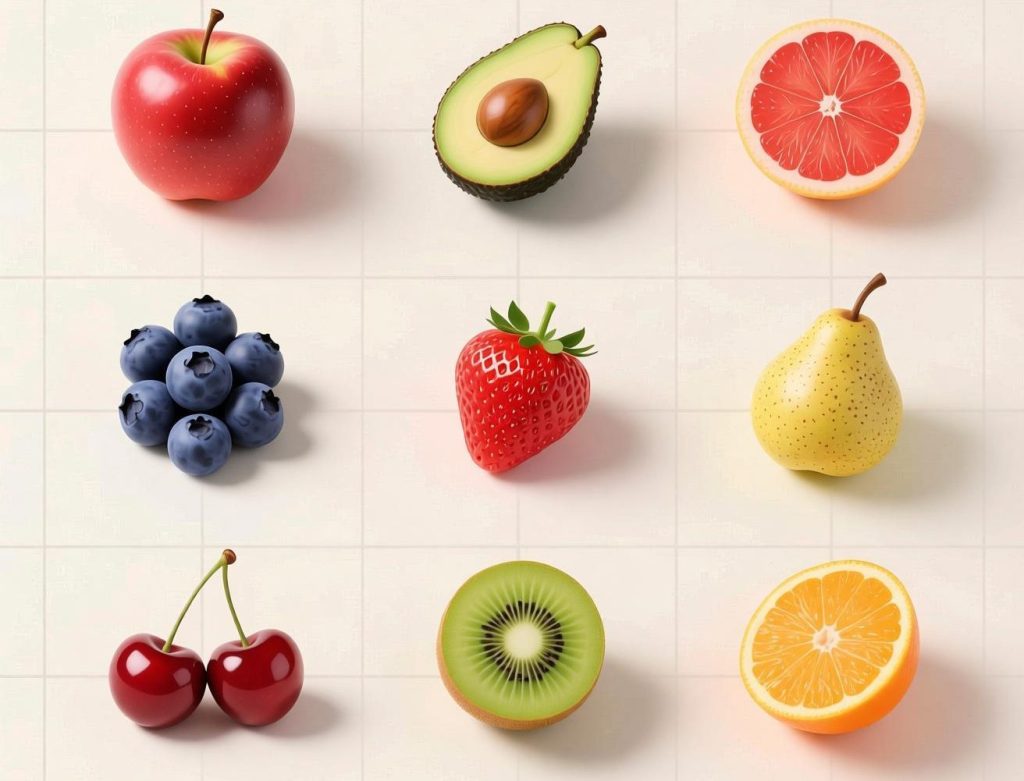
Absolutely. Whole fruit comes packaged with fiber, water, and vitamins, so its sugar is absorbed gently. Berries, apples, pears, and citrus are especially kind choices. The caution zone is juice and dried fruit, where the sugar is concentrated and far too easy to overdo. A single glass of orange juice can carry the sugar of four whole oranges — with none of the chewing that slows you down.
How soon after eating should I take that walk?
Within thirty to sixty minutes of finishing your meal is the sweet spot, because that is when your blood sugar is climbing highest. Even a slow, easy ten-minute walk in that window makes a measurable difference. Right after you push your plate away is perfect.
Are “sugar-free” and “no added sugar” products a free pass?
Not quite. “No added sugar” can still mean plenty of refined starch, so check the total carbohydrate line, not just the sugar line. And many sugar-free treats are still highly processed foods with little nutrition to offer. Think of the label as a starting point for comparison, not a green light to eat the whole box.
Do I have to cut out all carbohydrates?
No. Carbohydrates are your body’s favorite fuel, and fiber-rich carbs are among the healthiest foods on earth. The aim is choosing slow carbs — beans, oats, whole grains, vegetables, fruit — in sensible portions, not banning an entire food group. Bread, rice, and potatoes can all stay on the menu when the portions are friendly. Extreme restriction usually backfires anyway.
How quickly will I notice a difference?
Many people feel steadier energy and fewer afternoon crashes within the first couple of weeks. Measurable changes in blood work usually take around three months of consistent habits, so be patient with yourself. This is a lifestyle shift, not a weekend project — and that is exactly why small and doable beats strict and miserable.
The Takeaway
You do not need a perfect diet, an extreme plan, or a chemistry degree to keep your blood sugar in check. You need a handful of small habits, repeated most days: a veggie-heavy plate with protein, a short walk after dinner, smart swaps at the store, water instead of soda, honest sleep, and a friendly eye on your numbers.
Pick two or three tricks from this list and start there — the easiest ones, the ones that fit your life right now. Once they feel automatic, layer in the next. Steady progress, not perfection, is what wins this game. Your future self — energetic, even-keeled, and free of the spike-and-crash cycle — will be glad you started today.