Losing weight after giving birth is one of the most common yet most misunderstood health journeys new mothers face. As a physician who counsels women through the postpartum period, I have seen firsthand how the right plan can transform not only a mother’s body but also her energy, confidence, and intimate well-being.
This article shares a comprehensive postpartum plan—drawn from real experience and medical evidence—explaining how 35 pounds were lost safely after baby, while honoring the many perspectives involved: physical recovery, hormonal health, emotional balance, nutrition, movement, and relationships.
What Really Happens After Birth?
Before any weight loss plan begins, it is essential to understand what the postpartum body is actually experiencing. During pregnancy, the body gains weight not just from fat stores, but from increased blood volume, amniotic fluid, the placenta, an enlarged uterus, and breast tissue.
Immediately after delivery, most women lose 10 to 13 pounds from the baby, placenta, and fluid alone. The remaining weight is often a combination of retained fluid and fat stores that the body intentionally accumulated to support breastfeeding and recovery.
- Hormones such as estrogen and progesterone drop sharply after delivery, which can affect mood, metabolism, and appetite.
- The hormone prolactin rises to support milk production and may influence fat storage.
- The pelvic floor and abdominal muscles are stretched and weakened, requiring targeted reconditioning.
- Sleep disruption from night feedings elevates cortisol, a stress hormone linked to stubborn belly fat retention.
Recognizing these realities prevents unrealistic expectations. Sustainable postpartum weight loss typically occurs at a rate of one pound per week after the first six weeks. Losing 35 pounds over eight to twelve months is not only achievable—it is medically ideal.
How to Promote Recovery and Fat Loss Through Diet?
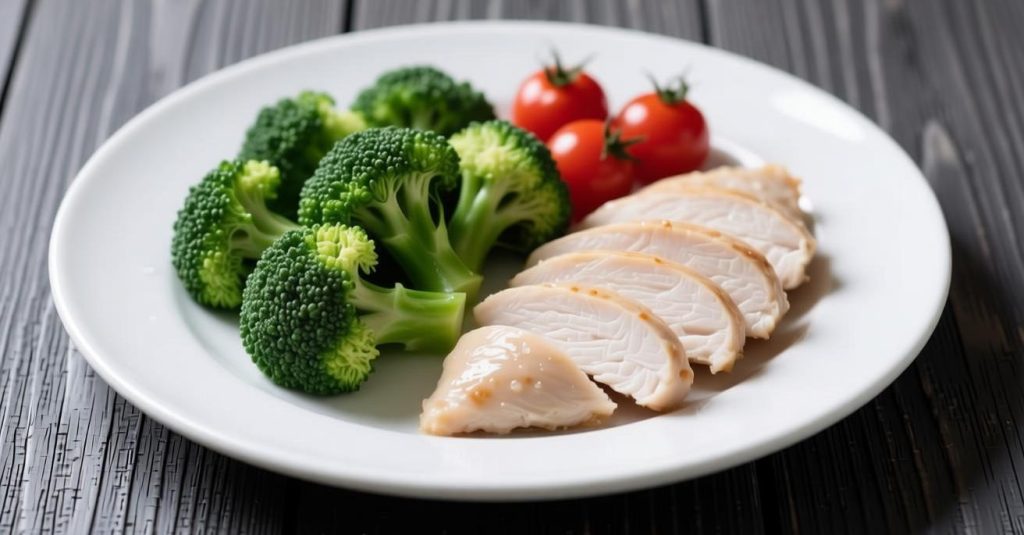
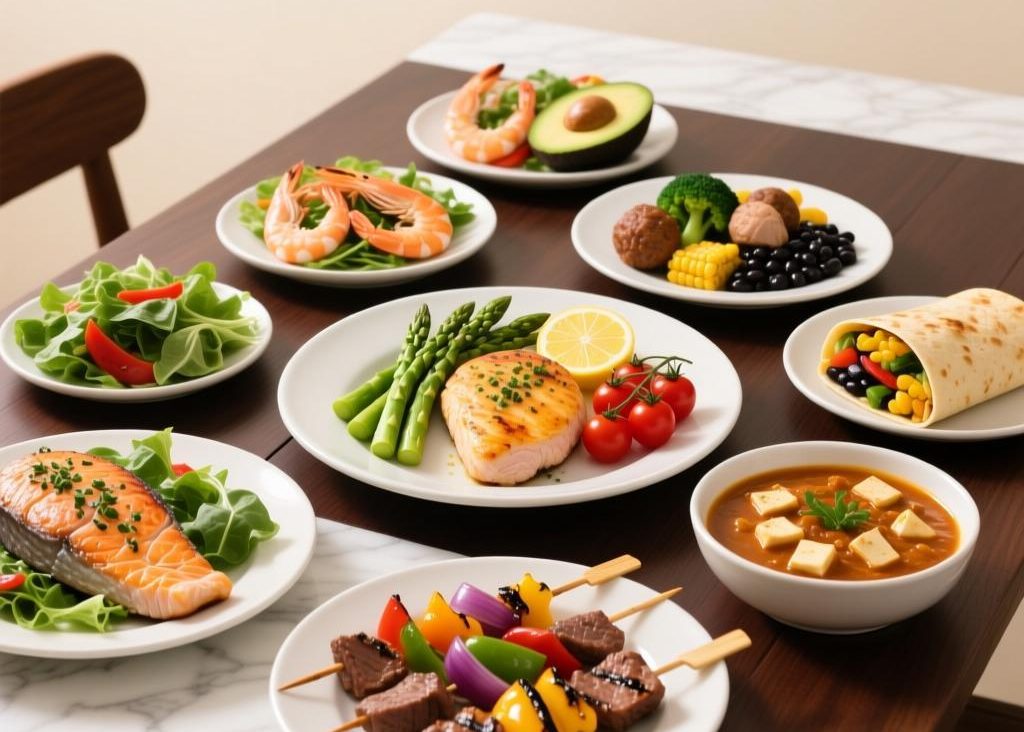
The dietary approach that produced the most consistent results was not a restrictive diet, but a structured healing framework built around nutrient density, protein, and blood sugar stability.
New mothers—especially those breastfeeding—should never crash diet. Severe calorie restriction can reduce milk supply, deplete energy, and worsen postpartum mood disorders.
| Meal Component | Target | Examples |
|---|---|---|
| Protein | 20–30g per meal | Eggs, chicken, lentils, Greek yogurt, salmon |
| Fiber | 25–30g daily | Oats, berries, leafy greens, chia seeds |
| Healthy fats | 1–2 servings per meal | Avocado, olive oil, nuts, fatty fish |
| Hydration | 3–4 liters daily | Water, herbal tea, milk |
The practical method that worked involved three principles: eat protein first at every meal to reduce cravings, prep one-handed snacks for feeding sessions, and stop eating two to three hours before bed to improve sleep quality and digestion.
A gentle calorie deficit of 300–500 calories per day supported steady fat loss without compromising milk production. Breastfeeding itself burns approximately 300–500 calories daily, which naturally supports the deficit when paired with mindful eating.
What Can You Gain From Postpartum Exercise?
Exercise after childbirth must respect the healing timeline. Returning to intense workouts too early can worsen diastasis recti, pelvic floor dysfunction, and joint pain, since the hormone relaxin remains elevated for months. The plan that led to lasting results progressed in phases:
- Weeks 0–6: Gentle walking, breathing exercises, and pelvic floor activation (Kegels and diaphragmatic breathing).
- Weeks 6–12: After medical clearance, add low-impact strength training—glute bridges, modified squats, bird-dogs, and resistance band work.
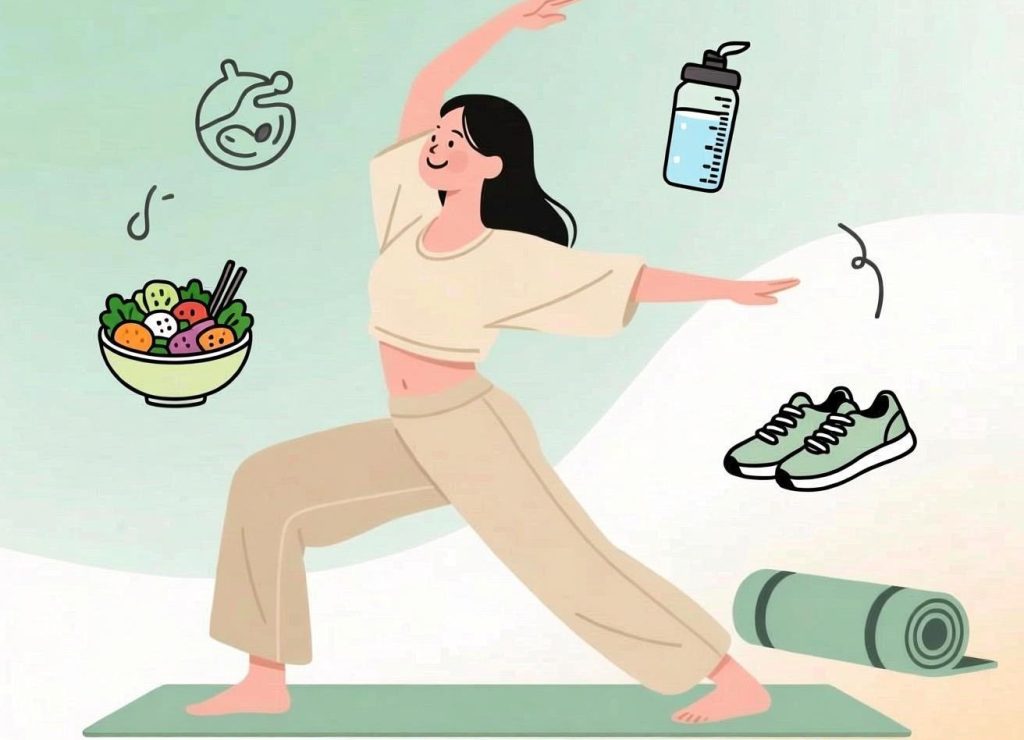
- Months 3–6: Introduce brisk stroller walks, postnatal yoga, and light interval training, keeping intensity conversational.
- Months 6–12: Progressive strength training three to four times weekly, plus 8,000–10,000 daily steps, to rebuild metabolism and lean muscle.
Muscle is the metabolic engine of fat loss. Each pound of lean muscle burns additional calories at rest, which is why strength training outperformed cardio alone in this journey. Consistency with short, 20-minute home sessions proved far more sustainable than attempting hour-long gym workouts with a newborn.
What Factors Have You Overlooked?
No postpartum weight loss plan succeeds without addressing sleep and stress. Chronic sleep deprivation elevates cortisol and ghrelin (the hunger hormone) while lowering leptin (the satiety hormone), creating a biochemical environment that promotes weight retention—especially around the midsection.
While uninterrupted sleep is impossible with a newborn, strategic rest makes a measurable difference.
- Practice “sleep when the baby sleeps” for at least one daytime nap, even if only 45 minutes.
- Split overnight duties with a partner or trusted family member to secure one longer sleep block.
- Use a brief wind-down routine—dim lights, no screens, magnesium-rich evening snack—to improve sleep quality when rest is available.
- Manage stress with 5–10 minutes of daily mindfulness, which research links to lower cortisol and reduced emotional eating.
Hormonal recovery also depends on thyroid function. Postpartum thyroiditis affects up to 10% of women and can cause unexplained weight retention or fatigue. If weight loss stalls despite consistent effort, a physician should evaluate thyroid levels, iron, and vitamin D.
How Long Should It Really Take to Lose 35 Pounds Postpartum?
This is the most frequent question new mothers ask. The medically supported answer: six months to one year. Women who lose weight gradually after pregnancy are more likely to keep it off and maintain milk supply. A safe pace is roughly one pound per week after initial fluid loss.
If 10–13 pounds drop immediately after birth, the remaining 22–25 pounds of fat loss requires approximately six to ten months of consistent habits.
Rapid-loss promises from detox teas, extreme fasting, or crash diets pose real risks—gallstones, nutrient deficiencies, hair loss, and mood deterioration—especially while lactating. Patience is not a weakness in this process; it is the strategy.
Can You Lose Postpartum Weight While Breastfeeding?
Yes—and many women do—but the approach must be modified. Breastfeeding mothers should avoid deficits larger than 500 calories per day and prioritize protein, calcium, iron, and omega-3 fatty acids to protect milk quality and maternal health.
Studies show that gradual weight loss of 0.5–1 pound per week does not impair infant growth. Practical tips include:
- Nurse or pump before workouts for comfort.
- Keep a filled water bottle at every feeding station—dehydration mimics hunger and stalls fat loss.
- Do not skip meals; grazing patterns with balanced snacks work better than strict three-meal schedules.
- Watch for signs of under-fueling: dropped supply, dizziness, extreme fatigue, or irritability.
Why Is Belly Fat So Hard to Lose After Pregnancy?
The postpartum belly is a frequent source of frustration, and several factors explain why it resists quick fixes. First, diastasis recti—the separation of abdominal muscles—can create a persistent pouch that no amount of crunches will fix; in fact, poorly chosen exercises can worsen it.
Second, cortisol from sleep deprivation promotes visceral fat storage around the organs. Third, the body may hold fat stores longer while breastfeeding, as an evolutionary safeguard.
The solution combines core rehabilitation (transverse abdominis work, heel slides, dead bugs), overall fat loss through diet and movement, adequate sleep, and, when needed, referral to a pelvic floor physical therapist. Spot reduction is a myth—but a coordinated full-body approach shrinks the midsection reliably over months.
When Should I Talk to a Doctor About Postpartum Weight Loss?
Medical guidance should be sought in several situations. Before starting any exercise program beyond gentle walking, obtain clearance at the six-week postpartum check.
Consult a provider if weight loss stalls for more than eight weeks despite adherence, if there are symptoms of thyroid dysfunction (fatigue, hair loss, cold intolerance), signs of postpartum depression or anxiety, or unusual pain during movement or intimacy.
Additionally, women with gestational diabetes, preeclampsia history, or cesarean recovery need individualized plans. Working with a registered dietitian and a postpartum-trained physical therapist accelerates safe, lasting results.
A Sustainable Postpartum Plan
| Pillar | Action | Timeline |
|---|---|---|
| Nutrition | Protein-forward, gentle 300–500 calorie deficit | Ongoing from week 2 |
| Movement | Phased: walking → strength training | Weeks 0–6, then progressive |
| Sleep & Stress | Daytime naps, mindfulness, shared duties | Ongoing |
| Medical Care | Checkups, thyroid screening, pelvic floor PT | As needed |
| Expectations | 1 lb/week; 35 lbs in 6–12 months | Long-term |
Losing 35 pounds after baby was not the result of a single trick—it was the compound effect of nourishing food, phased movement, protected sleep, medical support, and self-compassion.
Every mother’s body, birth story, and recovery timeline is different, so treat this plan as a flexible framework rather than a rigid prescription.
With patience and consistency, feeling strong, healthy, and confident in a postpartum body is not just possible—it is the natural outcome of caring for yourself as diligently as you care for your baby.