Somewhere between the celery-juice era and the GLP-1 revolution, a humble kitchen staple quietly went viral. The “pink gelatin trick” — a drink made from unflavored gelatin powder, water, and a splash of something pink like cranberry juice or beet powder — has been framed by its fans as a near-miraculous appetite suppressant, and dismissed by its critics as just another repackaged fad.
As with most things in nutrition, the truth sits in the middle, and it is more interesting than either extreme suggests. This article takes a balanced look at what the pink gelatin trick actually is, what the science does and does not support, how to make it correctly, and how to decide whether it deserves a place in your routine.
What Exactly Is the Pink Gelatin Trick?
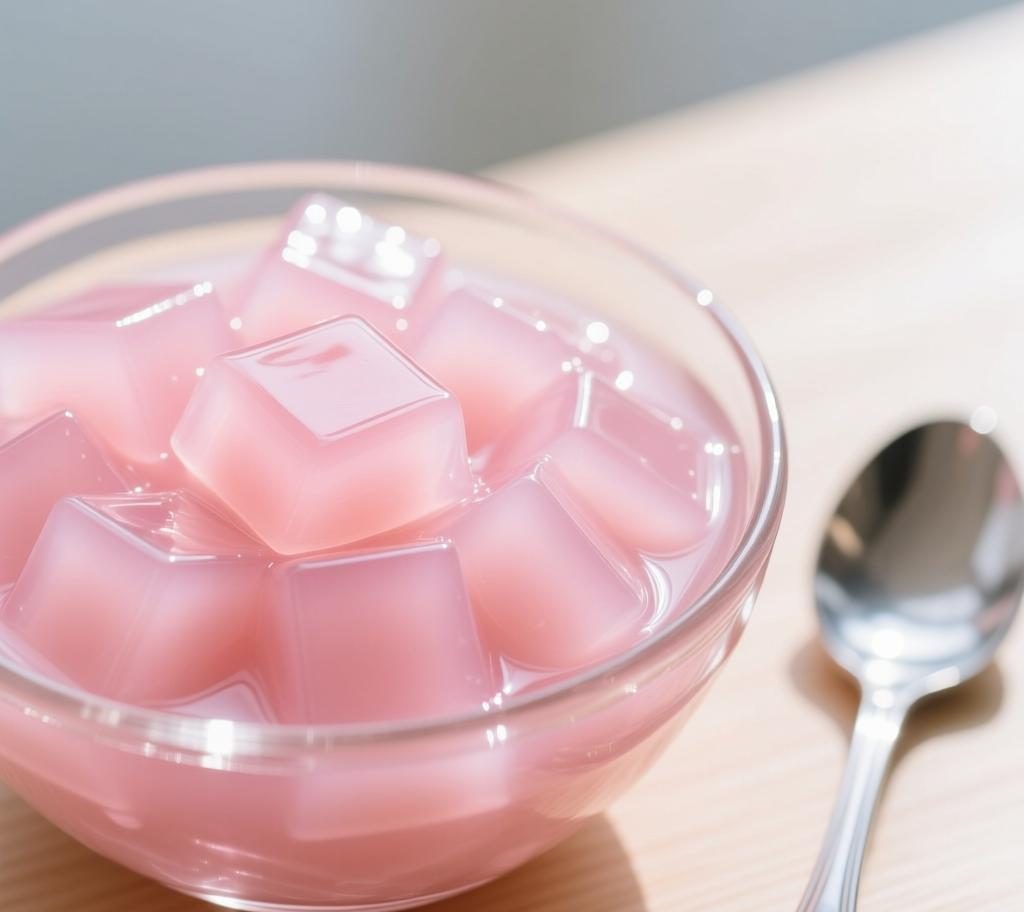
The pink gelatin trick is a variation of the broader “gelatin trick” that gained enormous traction on TikTok in late 2024 and throughout 2025. The core concept is simple: dissolve a tablespoon of unflavored gelatin powder in liquid and drink it fifteen to thirty minutes before a meal.
The goal is twofold — the liquid volume creates a mild sense of fullness in the stomach, and the gelatin delivers a small dose of collagen-derived protein that may trigger satiety hormones and blunt the glucose spike that follows a carbohydrate-rich meal.
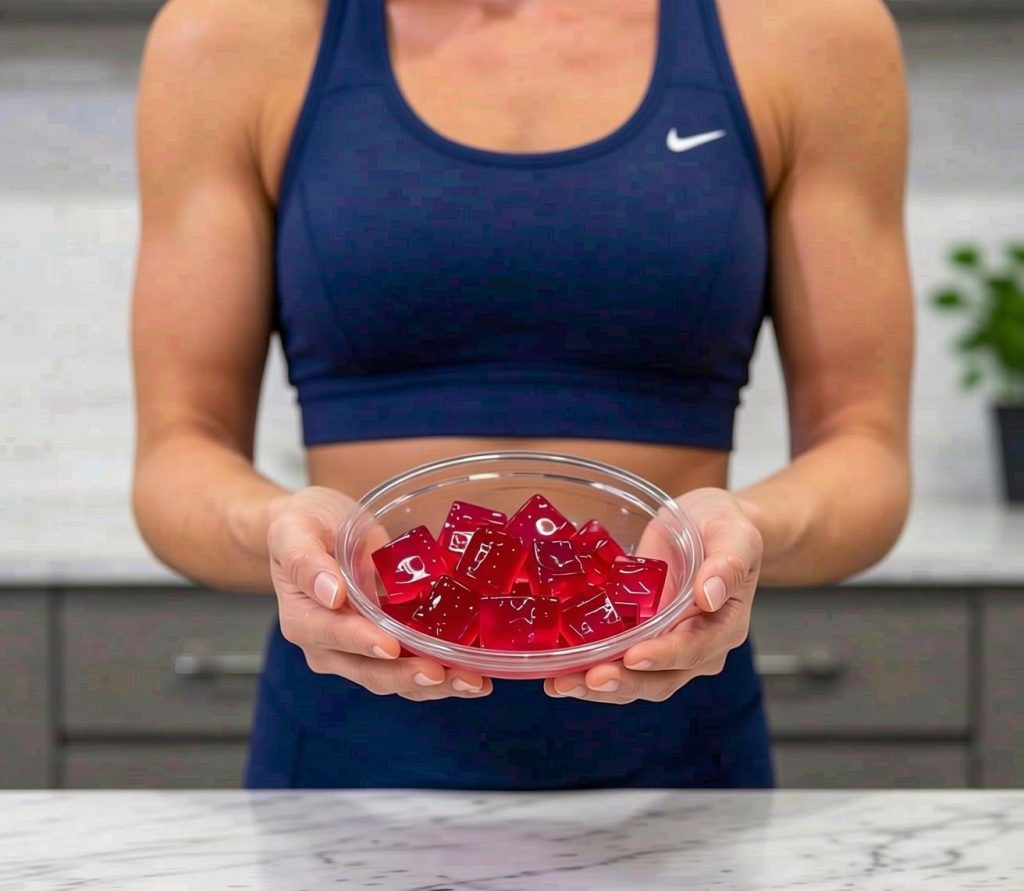
The “pink” version distinguishes itself through the add-ins. Depending on which video you stumble across, the drink might include unsweetened cranberry juice, beetroot powder, a pinch of pink Himalayan salt, fresh lemon, or a few drops of natural food coloring.
It is worth separating the viral framing from the practical behavior. The pink gelatin trick is, at its core, a pre-meal protein preload — one of the better-studied behavioral tools in the nutrition literature — wrapped in packaging that makes it feel fresh and exciting. There is nothing magical about gelatin itself. There is also nothing fraudulent about the mechanism it relies on.
How to Make the Pink Gelatin Recipe at Home?
If you want to try it, the recipe takes about three minutes and requires ingredients you can find at any grocery store. Here is the version that aligns with what the actual research on protein preloads supports.
Ingredients: One tablespoon (roughly seven grams) of unflavored, grass-fed gelatin powder, or the equivalent of one standard packet like Knox. Eight ounces of cold or room-temperature water. One to two tablespoons of unsweetened cranberry juice, or a half teaspoon of beetroot powder, for color and a subtle tartness. A squeeze of fresh lemon. Optionally, a tiny pinch of sea salt.
Method: Sprinkle the gelatin evenly over the surface of the cold water and let it sit undisturbed for two to three minutes. This step, called blooming, allows the gelatin granules to hydrate so they dissolve smoothly instead of clumping. Once bloomed, stir vigorously until the mixture is fully dissolved. Add the cranberry juice or beet powder, the lemon, and the salt, then stir again. Drink it immediately, before it has a chance to set.
Timing: Fifteen to twenty minutes before the meal you most want to moderate — for most people, that is dinner. Doing it once a day is sufficient. Doing it before every meal is unnecessary and starts to crowd out actual food.
A few practical notes from people who have stuck with it. Hydrolyzed gelatin (sometimes labeled “collagen peptides” or “hydrolyzed collagen”) dissolves more cleanly in cold liquid than standard bloom gelatin, though it does not gel the same way.
If you use standard gelatin, you will need to bloom it in cold water first and then add a small amount of warm — not boiling — water to fully dissolve it.
Never microwave the mixture, since high heat degrades some of the peptides. And if the texture is off-putting, chilling the drink for five to ten minutes turns it into a loose gel you can eat with a spoon, which some people find more satisfying psychologically.
How Does Gelatin Help You Feel Full?
The most cited piece of evidence in gelatin’s favor is a crossover study published in Eating and Weight Disorders that compared a gelatin-based meal to a casein-based meal.
Researchers found that gelatin produced a stronger suppression of hunger and a greater rise in GLP-1 — one of the same incretin hormones targeted by modern weight-loss medications — than casein did, even when calories were matched.
Participants reported feeling fuller after the gelatin meal, and animal models in related work showed reduced post-meal ghrelin, the hormone that drives hunger.
A separate study published on PubMed concluded that for people with obesity, gelatin’s hunger-suppressing effect may play a meaningful role in reducing energy intake if that effect persists with long-term use.
Here is where the honest framing matters. Gelatin is what nutritionists call an incomplete protein: it lacks several essential amino acids, most notably tryptophan, which means it cannot serve as your primary protein source.
What it does deliver is roughly eight to twelve grams of protein per tablespoon of hydrolyzed powder, at about thirty to forty calories, in a form that hydrates into volume in your stomach.
The satiety effect comes from a combination of that protein load, the stretch receptors in your stomach responding to fluid volume, and the hormonal cascade that protein triggers. None of it is mysterious. All of it is modest.
What the Skeptics and Dietitians Are Saying?
Registered dietitians have been notably unimpressed by the hype, and their critiques deserve a fair hearing. Natalie Rizzo, nutrition editor for TODAY.com, points out that the temporary fullness from a gelatin drink “maybe lasts thirty minutes” and that people routinely overhype both the protein content and the filling power.
Frances Largeman-Roth, also a registered dietitian, notes that gelatin is an incomplete protein and cannot replace the high-quality, complete protein found in eggs, dairy, poultry, fish, and legumes.
Both emphasize a concern that goes beyond gelatin specifically: any strategy built on “tricking” yourself into fullness with a near-zero-calorie substance tends to backfire. When the fullness wears off, hunger returns with a vengeance, and three hours later you are starving and standing in front of the pantry making decisions you would not make otherwise.
On the other side of the argument, Norton’s published work on protein leverage — the theory that the body regulates total intake primarily based on protein availability — explains why a pre-meal protein of any kind reduces subsequent calorie consumption.
Kalayjian’s clinical framework centers on “satiety engineering”: using low-cost pre-meal tools, including broth, protein, and fiber, to reduce intake without relying on willpower.
From their perspective, the pink gelatin trick is a legitimate, well-tolerated, five-minute behavioral nudge inside a larger plan. It is not a fat-burner. It is not a meal replacement. It is a tool, and tools are only as good as the system they sit in.
Both camps are correct about the part they are describing. The skeptics are right that gelatin alone will not produce weight loss and that the marketing often overpromises.
The clinicians are right that as a cheap protein preload, the mechanism is real and the practice is harmless for most people. The mistake is treating those as contradictory statements when they are actually complementary ones.
Risks, Side Effects, and Who Should Skip It?
For most healthy adults, a daily gelatin drink is safe and well tolerated. But there are real contraindications, and they are worth taking seriously rather than glossing over.
- People with kidney disease or a history of kidney stones should avoid it. Gelatin is roughly eighty-five percent protein by dry weight, and a large protein load increases glomerular filtration demand on the kidneys.
- Anyone on anticoagulant medication should talk with their prescriber first, because gelatin contains bioactive peptides that may modestly affect coagulation.
- Pregnant women can technically have it, but pregnancy-specific nutrition needs are already protein-elevated, and adding a restriction-oriented ritual adds nothing useful.
- Children and adolescents do not need appetite-blunting tools.
And critically, anyone with a history of disordered eating should approach the whole framework with caution — pre-meal appetite-suppression practices can slide into restriction rituals, and that pattern deserves professional support, not a viral recipe.
Common minor side effects include:
- Heaviness in the stomach
- Mild bloating
- Nausea
Finally, there is the nutrient-displacement problem. If the gelatin drink replaces a meal, you are missing out on fiber, vitamin C, iron, potassium, calcium, healthy fats, and complete protein — the nutrients that actually support long-term weight management and metabolic health. The drink should sit alongside meals, never in place of them.
How to Fit It Into a Sustainable Weight-Loss Plan?
If you decide to try the pink gelatin trick, the way you frame it matters more than the recipe. Treat it as one small lever among many, not as the strategy itself.
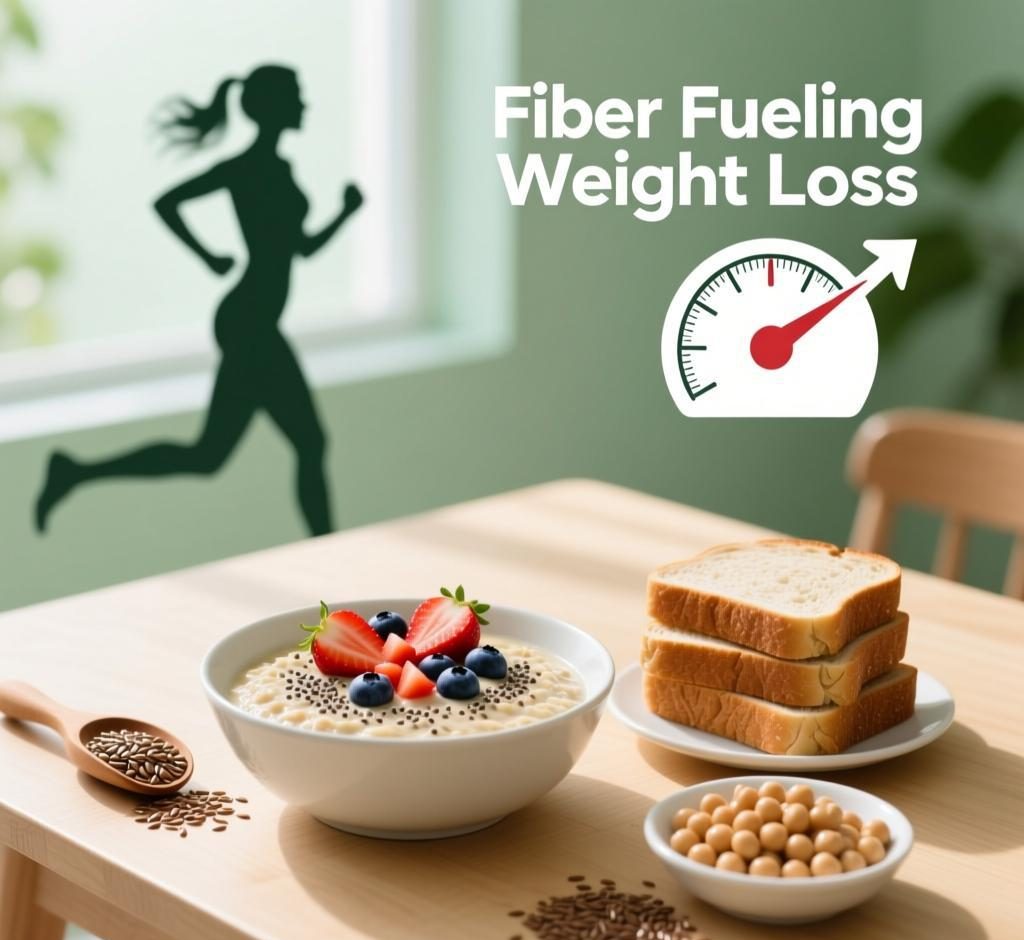
A sensible approach looks like this: keep the gelatin drink for your most challenging meal of the day, usually dinner; make sure the rest of your day includes adequate complete protein, roughly twenty to thirty grams per meal from sources like eggs, yogurt, poultry, fish, tofu, or legumes; prioritize fiber at every meal, since fiber does more for lasting fullness than gelatin ever will; and build the rest of your plan on the fundamentals you already know — movement, sleep, stress management, and a calorie deficit you can actually live with.
Give it four weeks and then honestly evaluate. If the ritual genuinely reduces how much you eat at dinner and you feel better for it, keep it. If you find yourself hungrier later, more fixated on food, or skipping real meals in its favor, drop it without guilt. A tool that does not work for your body is not a failure on your part; it is just a tool that belongs in someone else’s kit.
How Much Weight Can I Realistically Lose With the Pink Gelatin Trick?
No reliable clinical number exists for gelatin specifically, and any creator who gives you one is making it up. What the broader protein-preload literature shows is modest reductions in post-meal calorie intake — typically in the range of five to fifteen percent — and improved post-meal glucose control.
Over weeks and months, in the context of an overall calorie deficit, that can translate to gradual, sustainable weight loss. But gelatin alone does not cause weight loss, and it will not overcome a diet that is otherwise in surplus.
The realistic expectation is that this is a small assist, not a transformation, and it works best for people whose protein intake is otherwise borderline and whose main challenge is overeating at one particular meal.
Can I Use Flavored Jell-O Instead of Unflavored Gelatin?
Not if you are optimizing for the actual mechanism. Standard flavored Jell-O is mostly sugar, with only a gram or two of protein per serving, which means it defeats the glucose-blunting purpose and adds calories without adding meaningful satiety.
The sugar-free versions are better on the calorie front but still contain almost no protein, so they rely entirely on volume and a bit of liquid fullness — which the dietitians correctly point out lasts about thirty minutes.
If you love the idea of a pink Jell-O cup as a dessert, enjoy it as a dessert, but do not confuse it with the protein preload that the research actually supports. Unflavored gelatin is the version with a mechanism behind it.
When Is the Best Time to Drink It — Before Meals or Before Bed?
Both timings have reasonable cases, and they serve different purposes. The pre-meal timing, fifteen to twenty minutes before your largest or most challenging meal, is the one supported by the protein-preload research, and it is the right choice if your goal is appetite control and glucose blunting.
The before-bed timing is rooted in a different rationale: glycine has been studied for its potential to improve sleep quality, and some people find a warm gelatin drink relaxing in the evening. If weight loss is your primary goal, go with the pre-meal version.
If sleep is your issue, the evening version is worth trying, though you should not expect a direct weight-loss benefit from it. Doing both is unnecessary and starts to edge into the restriction-ritual territory the clinicians warn about.
Is Gelatin the Same as Collagen Powder?
Essentially yes, for the purposes of this trick. Both come from the same source — collagen extracted from animal bones, skin, and connective tissue — and both deliver the same amino acid profile, rich in glycine and proline.
The difference is processing: hydrolyzed collagen has been broken down into smaller peptides that dissolve cleanly in cold water without gelling, while standard gelatin gels when chilled and needs blooming plus warm water to dissolve smoothly.
Nutritionally they are near-identical, and either one works. If you already have collagen peptides in your pantry, use those. If you are buying specifically for the drink, hydrolyzed gelatin is the easier option for cold preparation.
Safer Alternatives & Building a Sustainable Plan
While I strongly discourage the traditional Pink Gelatin Trick, certain principles can be adapted in a safer, more sustainable way. The core idea of using volume to promote satiety is valid.
However, this can be achieved through healthier means, such as increasing your intake of non-starchy vegetables, drinking plenty of water, and choosing foods with a high fiber content.
A modified approach might involve incorporating gelatin as part of a balanced diet, not as the foundation. A small serving of sugar-free gelatin can be a low-calorie, satisfying dessert option. However, it should be accompanied by a variety of nutrient-rich foods, including fruits, vegetables, lean protein, and healthy fats.
Here’s a framework for a sustainable weight-loss plan:
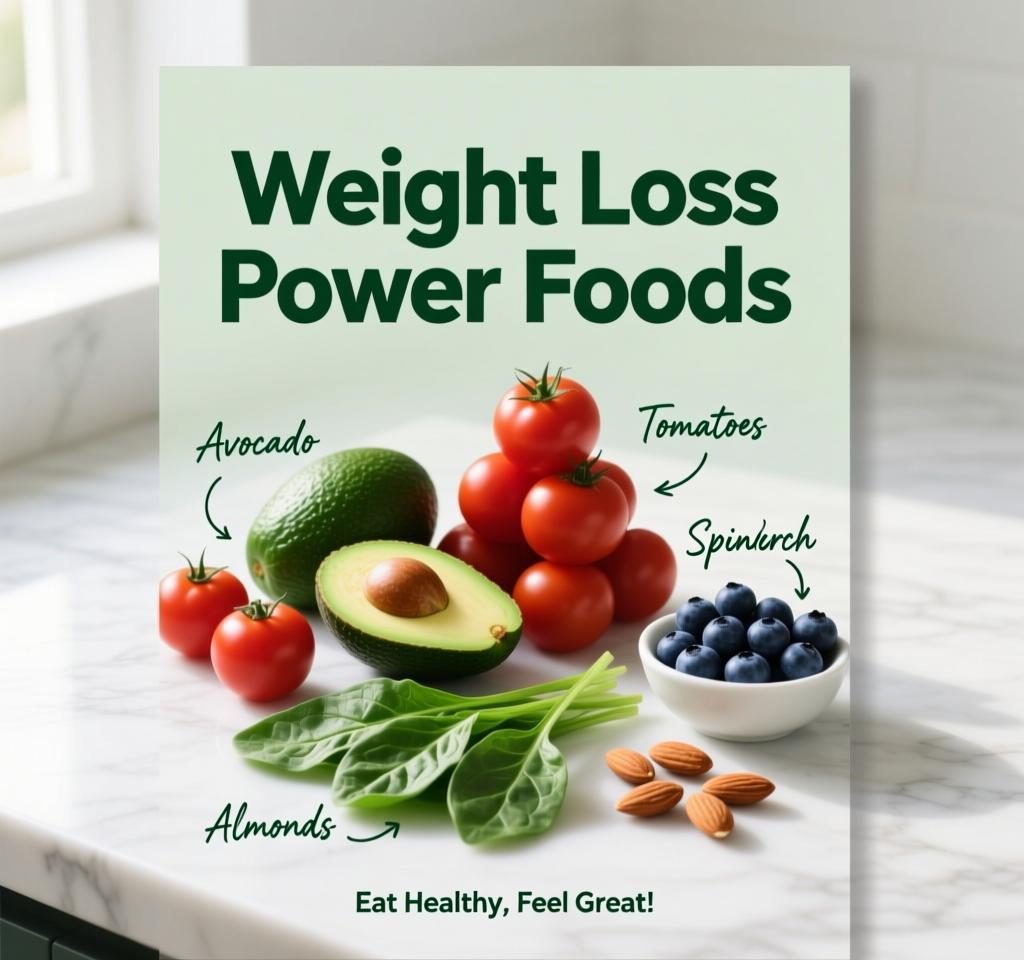
- Focus on Whole Foods: Prioritize fruits, vegetables, whole grains, lean protein, and healthy fats.
- Caloric Deficit: Create a moderate caloric deficit of 500-750 calories per day.
- Prioritize Protein: Consume adequate protein to preserve muscle mass and promote satiety.
- Stay Hydrated: Drink plenty of water throughout the day.
- Regular Exercise: Engage in at least 150 minutes of moderate-intensity exercise per week.
- Mindful Eating: Pay attention to your hunger and fullness cues.
- Seek Support: Work with a Registered Dietitian or other qualified healthcare professional.
Remember, weight loss is a journey, not a destination. It’s about making gradual, sustainable changes that promote overall well-being. Focus on nourishing your body, building a positive relationship with food, and celebrating your progress along the way. Avoid quick fixes and restrictive diets that promise unrealistic results. Prioritize your health and well-being above all else.