Weight management is a deeply personal journey, often oversimplified. While a calorie deficit created through diet and exercise remains fundamental, many factors beyond these basics influence success – genetics, hormones, stress, sleep, gut health, and micronutrient status all play a role. For some, despite consistent efforts, these underlying complexities create hurdles.
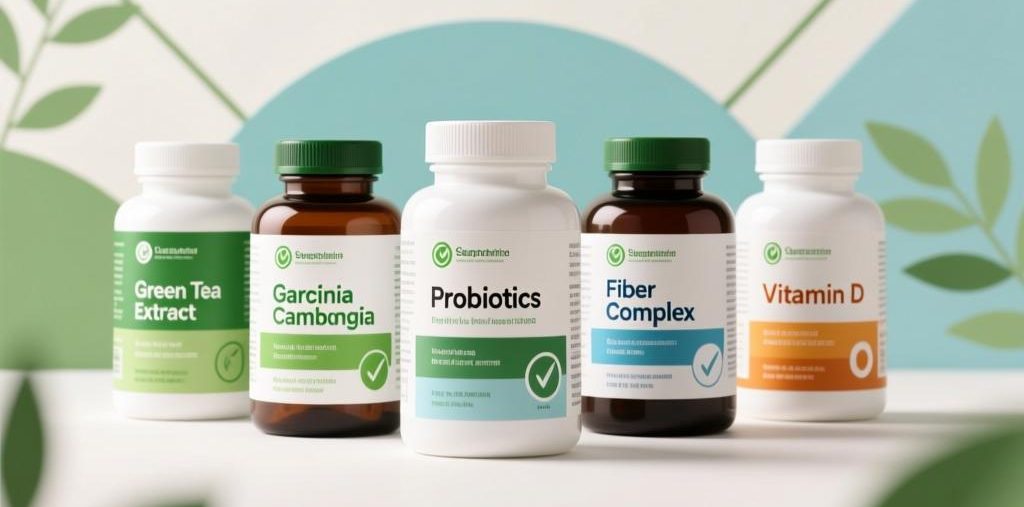
This article explores five supplements that, when integrated with a healthy lifestyle, might offer additional support. We’ll examine the science, benefits, risks, and different perspectives on their use, moving beyond ‘quick fixes’ to understand their potential as tools to address specific physiological challenges. It’s crucial to emphasize that supplements aren’t magic bullets, and individual responses vary considerably.
Can Supplements Really Make a Difference When I’m Already Eating Well and Exercising?
This is a common and valid question. If you’re already consistently following a balanced diet and engaging in regular physical activity, the impact of supplements might be subtle. However, “eating well” is subjective, and even diligent individuals may have undetected nutrient deficiencies or imbalances.
Supplements can address these nuances. For example, someone consistently training intensely may benefit from increased protein intake to support muscle recovery and preservation, even with a protein-rich diet. Similarly, addressing gut health with probiotics might improve nutrient absorption, maximizing the benefits of existing dietary efforts.
The key is to identify specific areas where support might be beneficial, rather than hoping for a general performance boost. From a medical perspective, supplementation in this scenario is often viewed as optimization, not correction. RDs might suggest a food journal and nutrient analysis to identify gaps.
Functional medicine practitioners would likely delve deeper into biomarkers and gut health assessments. The consumer perspective often seeks a ‘marginal gain’ – a small improvement that can compound over time.
What Role Does Protein Powder Play in Weight Management, and Which Type is Best?
Protein is vital for satiety, meaning it helps you feel fuller for longer, reducing overall calorie intake. It also has a higher thermic effect of food (TEF) than carbohydrates or fats – your body expends more energy digesting it.
Crucially, protein is the building block of muscle mass, which is metabolically active and burns calories at rest. Maintaining or increasing muscle mass during weight loss is essential for preserving metabolic rate.
Types & Benefits:
- Whey Protein: Fast-absorbing, ideal for post-workout recovery. Comes in concentrate, isolate, and hydrolysate forms (isolate and hydrolysate are purer and easier to digest).
- Casein Protein: Slow-digesting, provides a sustained release of amino acids, often taken before bed.
- Soy Protein: Plant-based, complete protein source, good for vegetarians/vegans.
- Pea Protein: Another plant-based option, hypoallergenic and easily digestible.
- Brown Rice Protein: Plant-based, often combined with other plant proteins for a complete amino acid profile.
Potential Risks: Digestive discomfort (bloating, gas), allergies (dairy, soy), potential kidney strain with excessive intake. It’s important to select third-party tested products to ensure purity and accuracy of labeling.
From a nutritionist’s view, whole food sources of protein should always be prioritized, but protein powder can be a convenient addition. Functional medicine practitioners might consider individual amino acid profiles to personalize supplementation. Consumers often gravitate towards whey due to its affordability and availability.
How Can Fiber Supplements Contribute to Weight Loss, and What are the Downsides?
Soluble fiber absorbs water in the gut, increasing feelings of fullness and slowing digestion. This can lead to reduced calorie intake and improved blood sugar control. Fiber also serves as a prebiotic, feeding beneficial bacteria in the gut, promoting a healthy microbiome linked to weight management and overall health.
Benefits: Increased satiety, reduced calorie intake, improved blood sugar regulation, enhanced gut health, potential cholesterol reduction.
Types & Considerations:
- Psyllium Husk: Highly effective at absorbing water, often used for constipation.
- Glucomannan: Derived from konjac root, very high in soluble fiber.
- Methylcellulose: A synthetic cellulose, gentle on the stomach.
- Inulin: A prebiotic fiber that feeds beneficial gut bacteria.
Potential Risks: Gas, bloating, constipation (if inadequate water intake), interference with medication absorption. RDs emphasize increasing fiber intake through whole foods first (fruits, vegetables, whole grains, legumes).
Functional medicine practitioners might use specific fiber types to address gut dysbiosis. Consumers often seek fiber supplements for quick relief from constipation or as a weight loss aid, sometimes neglecting the crucial aspect of hydration.
Is Green Tea Extract Effective for Boosting Metabolism, and Are There Safety Concerns?
Green tea extract contains epigallocatechin gallate (EGCG), a powerful antioxidant linked to increased metabolism and fat oxidation. Some studies suggest EGCG can enhance thermogenesis (heat production) and improve insulin sensitivity. However, the effects are generally modest, and not everyone responds equally.
Benefits: Potential increase in metabolic rate, enhanced fat burning, improved insulin sensitivity, antioxidant protection.
Potential Risks: Caffeine-related side effects (anxiety, insomnia, jitters), rare cases of liver damage, interactions with medications. Quality control is a major concern – look for standardized extracts with verified EGCG content and third-party testing.
Medical professionals often caution against relying heavily on stimulants. RDs might recommend drinking green tea as a healthier alternative to sugary beverages.
Functional medicine practitioners would assess liver function before recommending supplementation. The consumer perspective is often driven by marketing claims promising rapid weight loss.
Chromium Picolinate: Regulating Blood Sugar and Cravings
Chromium is a trace mineral that plays a role in insulin signaling, helping to regulate blood sugar levels and carbohydrate metabolism. Chromium picolinate, a specific form of chromium, is often marketed as a supplement to reduce sugar cravings and improve insulin sensitivity, potentially aiding in weight loss.
Benefits: Potential improvement in insulin sensitivity, reduced sugar cravings, support for healthy blood sugar levels.
Potential Risks: Gastrointestinal upset, rare reports of kidney problems. The effectiveness of chromium picolinate for weight loss is controversial and not consistently supported by research. Some studies have shown modest benefits, while others have found no effect.
Perspectives: The role of chromium in human health is still being investigated. RDs emphasize maintaining stable blood sugar levels through a balanced diet and regular exercise as the primary approach.
Functional medicine practitioners may use chromium picolinate to address insulin resistance or metabolic imbalances in specific individuals. Consumers often turn to it as a potential solution for sugar cravings or difficulty controlling appetite.
How Can I Ensure I’m Using Supplements Safely and Effectively?
Responsible supplementation begins with professional guidance. Consult a Registered Dietitian, physician, or functional medicine practitioner to assess your individual needs and identify potential risks. Self-treating can be dangerous.
Key Considerations:
- Quality Matters: Choose reputable brands that undergo third-party testing (USP, NSF International, ConsumerLab.com).
- Dosage: Follow recommended dosages carefully. More isn’t always better.
- Interactions: Be aware of potential interactions with medications you’re taking.
- Listen to Your Body: Pay attention to any side effects and discontinue use if necessary.
- Supplements are Adjuncts: They should complement, not replace, a healthy diet and exercise routine.
Ultimately, weight management is a holistic endeavor. Supplements can be a helpful addition, but they’re most effective when integrated into a comprehensive plan that prioritizes overall health, sustainable lifestyle changes, and individualized professional guidance. Focus on building long-term habits, prioritizing well-being, and celebrating progress, not just the number on the scale.
FAQs
Can supplements help manage stress and cortisol (which impacts weight)?
Chronic stress elevates cortisol, promoting fat storage. Ashwagandha, L-Theanine, Magnesium, and Rhodiola Rosea may help, but combine with stress-reducing practices.
What vitamins/minerals are important for weight management?
Vitamin D, B vitamins, Iron, Zinc, and Chromium play key metabolic roles. Prioritize whole foods; supplement to address deficiencies.
What’s the link between gut health, probiotics, and weight?
A healthy gut microbiome is crucial for metabolism & immunity. Probiotics (like Lactobacillus & Bifidobacterium) can improve gut health, potentially aiding weight management. Strain specificity matters!