
Erectile dysfunction (ED), defined as the persistent inability to achieve or maintain an erection sufficient for satisfactory sexual performance, is a common condition affecting millions of men worldwide.
While often associated with cardiovascular disease, diabetes, and psychological factors, a growing body of evidence points to a significant, and often overlooked, contributor: iron deficiency.
The connection isn’t simply about feeling tired; it’s deeply rooted in the physiological mechanisms required for a healthy erection. Nitric oxide (NO) is a crucial vasodilator – it relaxes the smooth muscle tissue in the penis, allowing increased blood flow which is fundamental to achieving and sustaining an erection.
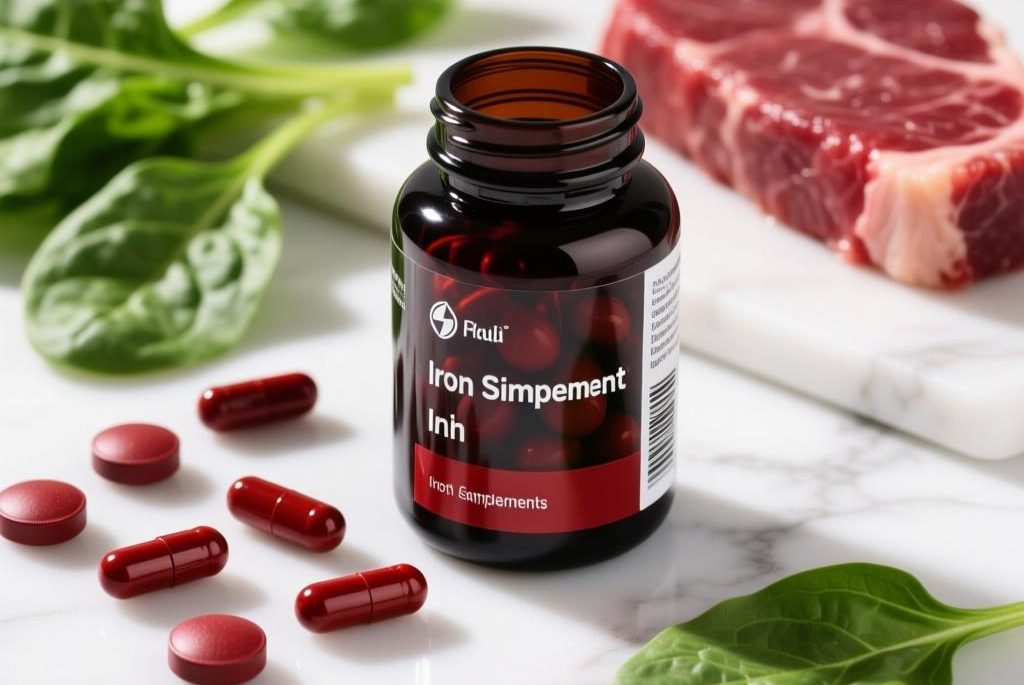
How Iron Impacts Erectile Function
Iron is a vital component of several enzymes involved in NO synthesis, including endothelial nitric oxide synthase (eNOS). Without sufficient iron, eNOS activity is impaired, reducing NO production and potentially leading to ED.
This isn’t a hypothetical connection; several studies have demonstrated a correlation between lower serum ferritin levels (a measure of stored iron) and increased prevalence and severity of ED, even independent of other risk factors.
Furthermore, iron deficiency impacts oxygen transport. Hemoglobin, the protein in red blood cells responsible for carrying oxygen, relies on iron. Reduced hemoglobin levels, characteristic of iron deficiency anemia, mean less oxygen reaches the penile tissues.
Erections are energetically demanding; adequate oxygen delivery is essential for smooth muscle function and sustained rigidity. Chronic hypoxia (oxygen deprivation) within the penile tissues can contribute to endothelial dysfunction and fibrosis (scarring) of the corpora cavernosa, the erectile bodies within the penis, making it progressively harder to achieve an erection.
It’s important to distinguish between simple iron deficiency (low iron stores) and iron deficiency anemia (low hemoglobin levels). ED can occur with either, though the severity often correlates with the degree of iron depletion.
Clinical Observations & Patient Profiles
As an andrologist, I’ve increasingly encountered patients presenting with ED who initially appear to have no obvious cardiovascular or diabetic risk factors. Routine investigations often reveal surprisingly low ferritin levels.
These patients aren’t always anemic in the classical sense – their hemoglobin might be within the lower end of the normal range – but their iron stores are depleted. We’ve observed a particular pattern in younger, physically active men, and those with gastrointestinal issues that hinder iron absorption.
Endurance athletes, for example, experience increased iron loss through sweat, hemolysis (red blood cell breakdown during exercise), and foot-strike hemolysis. They may develop iron deficiency without experiencing significant anemia due to compensatory mechanisms, but this subtle iron depletion can still impact erectile function.
A typical patient profile might be a 35-45 year old man, generally healthy, reporting gradual onset ED over several months. He may also complain of fatigue, reduced libido, and decreased energy levels. Initial investigations rule out diabetes, heart disease, and hormonal imbalances (testosterone, prolactin, thyroid).
However, a ferritin level consistently below 30 ng/mL (though optimal levels are debated, many experts advocate for >50 ng/mL for optimal sexual health) raises a strong suspicion of iron deficiency as a contributing factor.
It’s crucial to perform a comprehensive iron panel, including serum iron, transferrin saturation, and total iron-binding capacity (TIBC), to understand the type of iron deficiency and guide appropriate treatment. Ignoring this possibility can lead to ineffective treatments focused solely on vascular or psychological causes.
Diagnostic Considerations and Differential Diagnosis
From a urological standpoint, differentiating between organic and psychogenic ED is paramount. While psychological factors are often significant, it’s essential to exclude underlying organic causes, including vascular, neurological, and hormonal issues. Iron deficiency often presents a diagnostic challenge because its symptoms can overlap with other conditions.
For example, fatigue associated with iron deficiency can be mistaken for low testosterone, leading to inappropriate hormone replacement therapy. Similarly, the decreased libido can be attributed solely to psychological stress.
A thorough urological evaluation includes a detailed medical history, physical examination (including genital and neurological assessment), and relevant laboratory tests.
Beyond the iron studies mentioned previously, we also assess for underlying conditions like Peyronie’s disease (penile curvature), vascular insufficiency using Doppler ultrasound, and perform a nocturnal penile tumescence (NPT) test to evaluate nighttime erections – which can help distinguish between psychogenic and organic ED.
If iron deficiency is suspected, it’s vital to investigate the underlying cause. This might involve screening for gastrointestinal bleeding (colonoscopy, endoscopy), assessing dietary iron intake, and evaluating for malabsorption syndromes (celiac disease, Crohn’s disease).
It’s also important to consider medication side effects; certain drugs, like NSAIDs, can contribute to gastrointestinal blood loss and iron deficiency.
Understanding Iron Metabolism and Deficiency Types
As a hematologist, I emphasize the complexities of iron metabolism. Iron isn’t simply absorbed and used; it’s carefully regulated within the body. Hepcidin, a hormone produced by the liver, plays a central role in iron homeostasis.
It controls iron absorption from the gut and iron release from storage sites. Inflammation, chronic infections, and certain genetic conditions can dysregulate hepcidin levels, leading to functional iron deficiency even with adequate iron stores. This is known as anemia of inflammation, and it can contribute to ED in individuals with underlying inflammatory conditions.
There are several types of iron deficiency: absolute iron deficiency (depleted iron stores and low hemoglobin), functional iron deficiency (adequate iron stores but impaired iron delivery), and iron deficiency anemia (low hemoglobin and depleted iron stores).
Diagnosing the type of deficiency is crucial for determining the appropriate treatment strategy. In some cases, oral iron supplementation may be insufficient, particularly in patients with significant gastrointestinal issues or functional iron deficiency.
Intravenous iron infusions might be necessary to rapidly replenish iron stores and improve hemoglobin levels. It’s also important to monitor iron studies regularly during supplementation to ensure adequate response and prevent iron overload.
Supplementation Strategies and Potential Benefits
If iron deficiency is confirmed, supplementation is often the first-line treatment. Oral ferrous sulfate is the most common and affordable option, but it can cause gastrointestinal side effects like nausea, constipation, and abdominal cramping.
Different iron formulations (ferrous gluconate, ferrous fumarate) may be better tolerated. Taking iron with vitamin C enhances absorption. However, it’s crucial to avoid taking iron with calcium, tea, or coffee, as these can inhibit absorption. A gradual increase in dosage and consistent monitoring of iron studies are essential.
For patients who don’t respond to oral iron or experience intolerable side effects, intravenous iron infusions offer a faster and more reliable way to replenish iron stores. However, intravenous iron carries a small risk of allergic reactions and requires careful monitoring.
When Iron Supplements Might Help
Documented Iron Deficiency: A blood test showing low ferritin levels (stored iron) or, more severely, low hemoglobin (anemia) is essential before starting supplementation. Don’t self-treat.
No Other Obvious Causes: If other common causes of ED (heart disease, diabetes, hormonal imbalances, psychological issues) have been ruled out, iron deficiency becomes a more likely contributor.
Mild to Moderate ED: Iron supplementation is more likely to be helpful in cases of mild to moderate ED. Severe ED may require a more comprehensive approach.
What to Expect
It Takes Time: It’s not a quick fix. It can take several weeks or months of consistent iron supplementation to raise iron levels and see an improvement in erectile function.
Monitor Progress: Your doctor should monitor your iron levels (ferritin, hemoglobin) regularly to ensure the supplementation is effective and to avoid iron overload.
It’s Often Part of a Larger Plan: Iron supplementation is often most effective when combined with lifestyle changes (healthy diet, exercise) and addressing any other underlying health issues.
The optimal duration of supplementation varies depending on the severity of iron deficiency and individual response. Generally, treatment continues until ferritin levels reach a target range (typically >50 ng/mL) and hemoglobin levels normalize. Addressing the underlying cause of iron deficiency is equally important to prevent recurrence.
Furthermore, while iron supplementation can improve erectile function in iron-deficient men, it’s rarely a standalone solution. A holistic approach that addresses other risk factors, such as cardiovascular disease, diabetes, and psychological stress, is crucial for achieving optimal outcomes.
FAQs – Iron Deficiency & Erectile Dysfunction
Here’s a breakdown of frequently asked questions regarding the link between iron deficiency and erectile dysfunction, presented as a helpful resource.
What is the connection between iron deficiency and erectile dysfunction (ED)?
Iron plays a crucial role in producing nitric oxide (NO), a molecule essential for relaxing blood vessels and allowing increased blood flow to the penis, which is vital for erections. Iron is also necessary for hemoglobin, which carries oxygen to tissues. Low iron levels can impair NO production and reduce oxygen delivery, contributing to ED.
Do I need to be anemic to experience ED due to iron deficiency?
No. You don’t necessarily need to be diagnosed with anemia (low red blood cell count) to experience ED related to iron deficiency. Many men experience ED with low iron stores (low ferritin levels) even if their hemoglobin is within the normal range. This is often referred to as “functional iron deficiency.”
How can I find out if I have iron deficiency?
A blood test is the only way to determine if you have iron deficiency. Your doctor will likely order a complete iron panel, including:
- Serum Iron: Measures the amount of iron in your blood.
- Ferritin: Measures your stored iron levels. This is often the most sensitive indicator of iron deficiency.
- Total Iron-Binding Capacity (TIBC): Measures the blood’s capacity to bind iron.
- Transferrin Saturation: Calculates the percentage of transferrin (a protein that carries iron) that is saturated with iron.
- Hemoglobin: Measures the amount of oxygen-carrying protein in your red blood cells.
What is a normal ferritin level? What level indicates a problem?
“Normal” ferritin ranges vary slightly between labs, but generally:
- Normal: 30-300 ng/mL (though some experts now recommend a higher minimum for optimal health, especially for sexual function)
- Low/Deficient: Below 30 ng/mL is generally considered indicative of iron deficiency.
- Optimal for Sexual Health (according to some experts): >50 ng/mL
What kind of iron supplements should I take?
Ferrous Sulfate: The most common and affordable form.
Ferrous Gluconate & Ferrous Fumarate: May be better tolerated than ferrous sulfate, but contain slightly less elemental iron.
Talk to your Doctor: They can recommend the best form and dosage for you, considering your individual needs and any existing medical conditions.
How long does it take to see improvement after starting iron supplements?
It varies, but it typically takes several weeks to months to raise iron levels and see a noticeable improvement in erectile function. Consistency is key. Regular monitoring of iron levels is also important.
Are there any side effects of iron supplements?
Common side effects include:
- Constipation
- Nausea
- Abdominal Cramping
- Dark Stools
Taking iron with vitamin C can enhance absorption and reduce side effects. Discuss any persistent or severe side effects with your doctor.
Can I take iron supplements with other medications?
Iron can interact with certain medications, including: Antacids: Can reduce iron absorption. Thyroid Medication: Iron can interfere with absorption. Certain Antibiotics: Can decrease iron absorption. Always inform your doctor of all medications and supplements you are taking.
What if iron supplements don’t work?
If iron supplementation doesn’t improve your ED, it’s crucial to: Re-evaluate the Diagnosis: Ensure iron deficiency was the primary cause. Investigate Other Causes: Explore other potential contributors to ED (cardiovascular issues, diabetes, hormonal imbalances, psychological factors). Consider Alternative Treatments: Discuss other ED treatments with your doctor.
Are there any dietary sources of iron I should focus on?
Yes! Include these iron-rich foods in your diet:
- Red Meat: Excellent source of heme iron (easily absorbed).
- Poultry: Good source of iron.
- Fish: Provides iron and omega-3 fatty acids.
- Beans & Lentils: Plant-based sources of iron (non-heme iron, less easily absorbed).
- Dark Leafy Greens: Spinach, kale, etc.
- Fortified Cereals: Can provide a significant amount of iron.