
Saw palmetto (Serenoa repens) is a small palm native to the southeastern United States. For centuries, Native American tribes utilized various parts of the plant—primarily the berries—for a wide range of ailments.
Traditional uses included treatment for urinary problems, inflammatory conditions, and even as a tonic for overall health. Early European settlers adopted these practices, incorporating saw palmetto into their pharmacopoeia.
The plant’s reputation as a urinary aid, specifically for benign prostatic hyperplasia (BPH), became particularly prominent, and this formed the foundation for its later commercialization.
Saw Palmetto’s Phytochemistry & Proposed Mechanisms of Action
Understanding saw palmetto’s potential impact on erectile dysfunction (ED) requires knowledge of its chemical composition. The plant contains a complex mixture of fatty acids (such as oleic, palmitic, and stearic acid), phytosterols (beta-sitosterol, stigmasterol), and various other compounds including carprolate, rosmarinic acid, and apigenin. While the exact mechanisms of action remain incompletely elucidated, several theories have been proposed:
- 5-alpha-reductase Inhibition: This is the most widely discussed mechanism, especially in the context of BPH. 5-alpha-reductase converts testosterone to dihydrotestosterone (DHT), a potent androgen. Saw palmetto is believed to weakly inhibit this enzyme. Some hypothesize that a reduction in DHT in the peripheral tissues, including the corpora cavernosa, could potentially improve erectile function, although this connection is indirect and complex.
- Phosphodiesterase-5 (PDE5) Inhibition: PDE5 is an enzyme that breaks down cyclic GMP (cGMP), a molecule crucial for smooth muscle relaxation and vasodilation in the penis, essential for achieving and maintaining an erection. Some in vitro studies suggest saw palmetto extracts might possess weak PDE5 inhibitory activity, which could theoretically enhance erectile function. However, the effect is significantly weaker than that of established PDE5 inhibitors like sildenafil (Viagra).
- Antioxidant and Anti-inflammatory Effects: Oxidative stress and inflammation play a significant role in ED. Saw palmetto contains antioxidants and anti-inflammatory compounds that could potentially protect endothelial function and reduce inflammation in the penile vasculature, thereby improving blood flow and erectile function.
- Nitric Oxide Enhancement: Nitric oxide (NO) is a key signaling molecule involved in vasodilation and erection. Certain components of saw palmetto may influence NO production or signaling pathways, leading to improved erectile function.
The medical community’s approach to Saw Palmetto for ED also considers its safety profile. Unlike synthetic 5-alpha-reductase inhibitors such as finasteride, which are FDA-approved for BPH and male pattern baldness, Saw Palmetto is not classified as a pharmaceutical drug but rather as a dietary supplement.
This distinction has implications for regulatory oversight, standardization, and patient education. While Saw Palmetto is generally well-tolerated, with few reported side effects, it is not without risks.
For example, some studies have linked high-dose Saw Palmetto supplements to gastrointestinal discomfort, nausea, or interactions with anticoagulant medications.
These findings underscore the importance of personalized treatment plans and patient counseling when integrating Saw Palmetto into ED management strategies.
The Current Evidence: Clinical Trials & Studies
The clinical evidence supporting saw palmetto’s efficacy in treating ED is, unfortunately, limited and largely inconclusive. Unlike BPH, where saw palmetto has a reasonable (though still debated) level of support, the research on ED is considerably weaker.
Early & Preliminary Studies
Several older, poorly controlled studies suggested potential benefits, but these were often hampered by small sample sizes, lack of blinding, and inconsistent methodologies. They reported improvements in subjective measures of erectile function, but lacked robust statistical significance.
More Rigorous Clinical Trials – A Lack of Conclusive Results
More recently, several randomized, double-blind, placebo-controlled trials have examined the effect of saw palmetto on ED. The overwhelming conclusion from these studies is that saw palmetto does not demonstrate a clinically significant improvement in erectile function compared to placebo.
These trials generally used standardized extracts, but variations in extract composition and dosage across studies contribute to the difficulty in drawing firm conclusions. Some trials have even demonstrated no difference in other sexual function parameters such as libido.
Potential Confounding Factors & Study Limitations
The lack of consistent positive results in clinical trials raises questions. Several factors may contribute to these findings:
- Heterogeneity of ED: ED is a complex condition with multiple underlying causes (vascular, neurological, hormonal, psychological). Saw palmetto’s potential mechanisms of action might be relevant to only a subset of ED patients.
- Dosage & Extract Variability: The optimal dosage and the specific components of the saw palmetto extract are not fully understood. Variability in these factors across studies can lead to inconsistent outcomes.
- Patient Population: The patient populations studied have varied, making it difficult to generalize findings. For example, patients with severe ED or those with underlying medical conditions may not respond to saw palmetto.
- Subjective Outcome Measures: Many ED trials rely on subjective assessments of erectile function, which can be influenced by placebo effect and patient expectations.
The Psychological Perspective & Patient Expectations
From a patient perspective, the use of Saw Palmetto for ED is often influenced by personal experiences, cultural beliefs, and the availability of alternative treatments.
Many men who have tried Saw Palmetto report subjective improvements in sexual function, even if these improvements are not consistently supported by clinical trials.
For example, some patients describe a gradual increase in libido, better morning erections, or reduced anxiety related to sexual performance.
These anecdotal reports are valuable in understanding the potential benefits of Saw Palmetto, but they must be interpreted cautiously due to the placebo effect and the lack of objective measures.
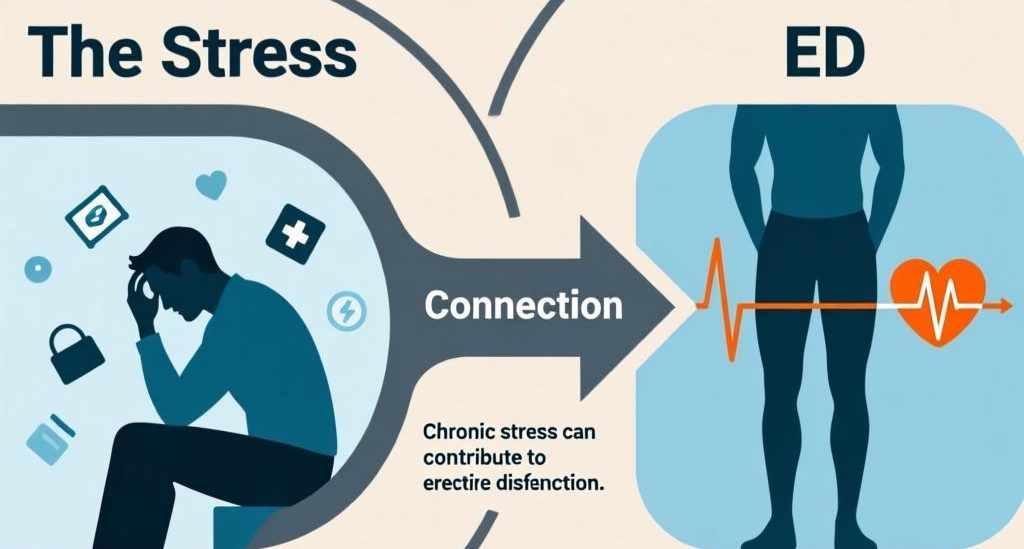
Psychological factors also play a critical role in the patient experience with Saw Palmetto. Erectile dysfunction is often linked to stress, anxiety, and depression, which can exacerbate the condition or create a vicious cycle of performance-related distress.
Patients who use Saw Palmetto may perceive it as a natural, non-invasive option that addresses both physical and psychological aspects of ED. This perception can enhance their motivation to use the supplement and improve their overall quality of life.
However, it is essential to recognize that Saw Palmetto is not a cure-all and may not address the root causes of ED, such as cardiovascular disease, diabetes, or hormonal imbalances.
Saw Palmetto and Underlying Medical Conditions: A Cautious Approach
It’s crucial to consider the presence of underlying medical conditions that contribute to ED. Saw palmetto is not a substitute for addressing these conditions. For example:
- Diabetes: Diabetic ED is often related to vascular and nerve damage. Saw palmetto cannot repair damaged blood vessels or nerves.
- Cardiovascular Disease: ED can be an early warning sign of cardiovascular problems. Saw palmetto does not address the underlying cardiovascular risk factors.
- Hypogonadism: Low testosterone levels can contribute to ED. Saw palmetto does not directly increase testosterone levels and may not be effective in these cases.
- Psychological Factors: Anxiety, depression, and relationship problems can significantly impact erectile function. Saw palmetto addresses none of these underlying psychological issues.
Additionally, the cultural and societal context of ED treatment influences how patients perceive and use Saw Palmetto. In some cultures, natural remedies are preferred over pharmaceutical interventions, particularly for conditions like ED that are often stigmatized.
This preference can lead to increased demand for Saw Palmetto and other herbal supplements, even in the absence of robust scientific evidence. However, patients must be educated about the limitations of these remedies and the potential risks associated with their use.
For instance, some patients may combine Saw Palmetto with other supplements or medications without consulting a healthcare provider, which can lead to unintended interactions or complications.
Safety Considerations & Potential Side Effects
Saw palmetto is generally considered safe for most individuals when taken at recommended doses. However, some potential side effects have been reported, although they are typically mild and infrequent. These may include:
- Gastrointestinal discomfort (nausea, diarrhea, abdominal pain)
- Headache
- Dizziness
- Allergic reactions (rash, itching)
- Potential interaction with anticoagulants (due to mild antiplatelet effects – caution advised in patients taking blood thinners)
While rare, there are reports of saw palmetto potentially affecting prostate-specific antigen (PSA) levels, a marker used to screen for prostate cancer. Patients undergoing PSA screening should inform their healthcare provider about saw palmetto use.
Comparing Saw Palmetto to Established ED Treatments
The efficacy of saw palmetto for ED pales in comparison to proven treatments such as PDE5 inhibitors (sildenafil, tadalafil, vardenafil), intracavernosal injections, and vacuum erection devices.
These treatments have undergone extensive clinical trials and have demonstrated consistent and significant improvements in erectile function.
One of the key advantages of using Saw Palmetto as a complementary therapy is its potential to reduce reliance on synthetic 5-alpha-reductase inhibitors, which are commonly prescribed for BPH and ED.
While these drugs are effective, they are associated with side effects such as sexual dysfunction, reduced libido, and, in rare cases, more serious complications.
By using Saw Palmetto alongside or in place of these medications, patients may experience fewer side effects while still achieving therapeutic benefits.
However, it is crucial to monitor patients closely when combining Saw Palmetto with other treatments to ensure safety and efficacy.
The role of Saw Palmetto in complementary medicine also extends to its potential to enhance the effects of other therapies. For example, some studies suggest that combining Saw Palmetto with lifestyle modifications such as regular exercise, a balanced diet, and stress management techniques may yield better outcomes for ED.
These integrative approaches align with the principles of complementary medicine, which emphasize the importance of addressing the whole person rather than just the symptoms of a condition.
However, the evidence supporting these combinations is limited, and more research is needed to establish their effectiveness.
Conclusion
Based on the current body of evidence, saw palmetto is not an effective treatment for erectile dysfunction. While it possesses several intriguing theoretical mechanisms of action, clinical trials have consistently failed to demonstrate a significant benefit compared to placebo.
Patients experiencing ED should consult with a healthcare professional to identify the underlying cause and explore evidence-based treatment options. Saw palmetto might be considered as part of a holistic approach in some individuals, but it should not be viewed as a replacement for conventional medical care.