Understanding the Underlying Concerns & What Men Seek
Before delving into specific products, it’s crucial to understand why men seek male enhancement. Common concerns include erectile dysfunction (ED), premature ejaculation (PE), low libido, and a desire for increased penis size or girth.
These concerns often stem from psychological factors, relationship anxieties, and societal pressures. It’s important to differentiate between a genuine medical condition requiring treatment and a perceived deficiency that may be best addressed through psychological or lifestyle changes. A thorough medical history, physical exam, and psychological assessment are always the first steps.
The Landscape of Male Enhancement Products: A Categorization
The market for male enhancement products is vast and often unregulated. Products can be broadly categorized into:
- Oral Supplements: These are pills or capsules containing various herbal extracts, vitamins, minerals, and amino acids.
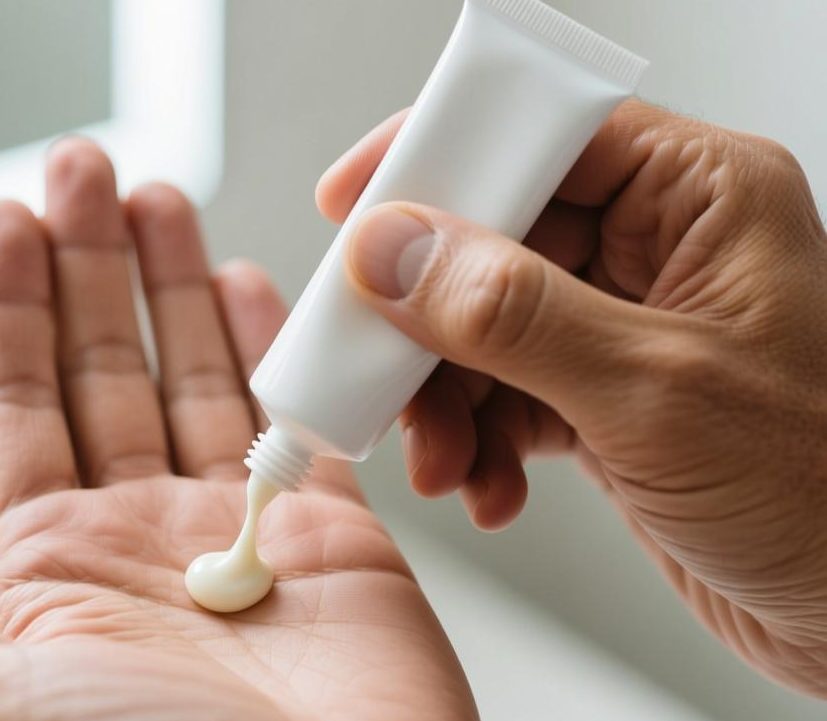
- Topical Creams & Gels: Applied directly to the penis, these products claim to increase size or sensitivity.
- Vacuum Devices (Penis Pumps): Mechanical devices that draw blood into the penis, temporarily increasing size and firmness.
- Extenders (Stretching Devices): Devices designed to gradually stretch the penis, with claims of permanent size increase.
- “Smart Pills” & Devices: Increasingly common, these are often marketed with advanced technology claims (e.g., microcurrent stimulation), but often lack credible scientific backing.
Examining Oral Supplements: Ingredients and Evidence
Let’s examine some common ingredients found in oral male enhancement supplements and assess the available evidence supporting their claims:
- L-Arginine: A precursor to nitric oxide, which relaxes blood vessels and can improve erectile function. While some studies suggest it might help with mild ED, the effects are often modest, and it doesn’t address the underlying cause.
- Tribulus Terrestris: Marketed as a libido booster. Evidence supporting its effectiveness is weak and inconsistent. Most studies are small, poorly controlled, or show no significant benefit.
- Horny Goat Weed (Epimedium): Contains icariin, a compound with PDE5 inhibitory activity (similar to Viagra). While icariin may have some potential, the bioavailability and effectiveness of extracts in supplements are questionable.
- Ginseng (Panax Ginseng): Some evidence suggests it might improve erectile function and libido. However, the quality and standardization of ginseng extracts vary widely.
- Maca Root: Often promoted for libido enhancement. While some studies suggest a positive effect on sexual desire, the evidence is limited.
- DHEA (Dehydroepiandrosterone): A hormone that can be converted to testosterone. Its effectiveness for male enhancement is unproven, and it can have significant side effects (see “Risks and Side Effects” section).
- Zinc & Other Vitamins/Minerals: Deficiencies in zinc and certain vitamins can contribute to sexual dysfunction. Supplementation may be beneficial for men with documented deficiencies, but not a guaranteed solution.
Topical Creams and Gels: A Critical Evaluation
Most topical creams and gels claim to increase penis size or sensitivity by stimulating blood flow or enhancing nerve endings. However, these claims are largely unsubstantiated.
The skin on the penis is relatively thick, making it difficult for ingredients to penetrate and exert significant effects. Some products contain vasodilators, but their effects are temporary and often mild. There’s no reliable evidence they can permanently increase penis size.
Vacuum Devices and Extenders: Risks and Limited Benefits
Vacuum Devices (Penis Pumps): These devices temporarily increase penis size and firmness by drawing blood into the tissues. While they can be helpful for managing ED in some cases (under medical supervision), they do not permanently enlarge the penis. Excessive use can lead to tissue damage, bruising, and painful erections (penile pain).
Extenders (Stretching Devices): These devices apply traction to the penis, with claims of permanent size increase. While some limited studies suggest potential for modest gains in length (often less than a centimeter), the evidence is weak, and the risk of pain, skin irritation, scarring, and penile damage is significant. Their use is generally not recommended.
The Role of Psychological Factors and Mental Health
It is vital to consider the psychological component of male enhancement concerns. Body image issues, anxiety, and relationship problems can significantly contribute to feelings of inadequacy.
Addressing these underlying issues through therapy, counseling, or communication with a partner can be more effective than relying on products with unproven claims.
Premature ejaculation, for example, is frequently driven by anxiety and can be managed with behavioral techniques and, in some cases, medication prescribed by a doctor.
Risks and Side Effects: A Word of Caution
Many male enhancement products carry potential risks and side effects. These can include:
- Drug Interactions: Supplements can interact with prescription medications, potentially causing harmful effects.
- Cardiovascular Risks: Some ingredients can increase blood pressure or heart rate.
- Hormonal Imbalances: Products containing DHEA or other hormone precursors can disrupt hormonal balance and lead to adverse effects.
- Gastrointestinal Distress: Nausea, diarrhea, and stomach upset are common side effects of many supplements.
- Skin Irritation: Topical creams and gels can cause allergic reactions or skin irritation.
- Penile Damage: Vacuum devices and extenders can cause tissue damage, pain, and scarring if used improperly.
- Deceptive Marketing: Many products are marketed with false or misleading claims.
Legality and Regulation: A Concerning Landscape
The male enhancement industry is poorly regulated. Many products are marketed as “dietary supplements,” which allows manufacturers to avoid rigorous testing and approval processes required for pharmaceuticals. This lack of regulation means that product quality, safety, and effectiveness can vary greatly.
Evidence-Based Alternatives for Addressing Concerns
For men seeking to address specific sexual health concerns, several evidence-based alternatives are available:
- Erectile Dysfunction: PDE5 inhibitors (Viagra, Cialis, Levitra), vacuum devices (under medical supervision), and lifestyle modifications (diet, exercise, smoking cessation).
- Premature Ejaculation: Behavioral techniques, topical anesthetics, and medications prescribed by a doctor.
- Low Libido: Addressing underlying medical conditions, optimizing hormone levels (if deficient), and psychological counseling.
- Penile Size Concerns: Counseling to address body image issues, and, in rare cases, surgical options (with significant risks and limited benefits).
The Doctor’s Recommendation: Prioritize Health and Safety
As a medical professional, my recommendation is clear: prioritize your overall health and safety. Be extremely cautious about products marketed for male enhancement.
Discuss your concerns with a qualified healthcare professional who can assess your individual needs, rule out underlying medical conditions, and recommend appropriate treatment options.
Avoid products with unrealistic claims, and be wary of those with undisclosed ingredients. Focus on lifestyle modifications, address psychological factors, and seek professional help when needed.