Male infertility affects a significant portion of couples struggling to conceive, impacting not just the individual but also relationships and overall well-being.
While female infertility often receives more attention, male factor infertility contributes to approximately 30-50% of cases, and is a shared factor in up to 50% of couples experiencing difficulties.
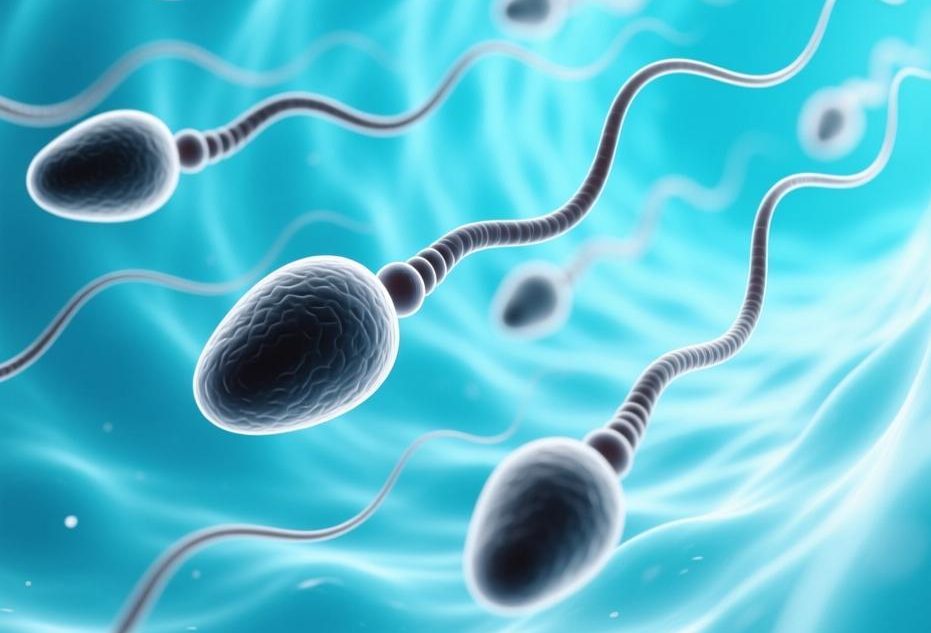
This highlights the crucial importance of assessing and optimizing male reproductive health. Sperm health encompasses several key factors: sperm count (concentration), sperm motility (movement), sperm morphology (shape), DNA fragmentation, and overall volume of ejaculate.
Suboptimal values in any of these areas can hinder fertilization and successful conception. Lifestyle factors, underlying medical conditions, environmental exposures, and even genetics can all play a role in sperm health.
The Role of Antioxidants in Sperm Protection
Sperm are particularly vulnerable to oxidative stress, a process where free radicals – unstable molecules – damage cellular components. Oxidative stress can impair sperm production, motility, and DNA integrity, ultimately reducing fertility potential.
The body has its own antioxidant defense system, but this system can be overwhelmed by factors like pollution, smoking, poor diet, and age.
This is where dietary and supplemental antioxidants become particularly relevant. Antioxidants neutralize free radicals, protecting sperm from damage and supporting optimal reproductive function.
Conversely, poor dietary habits, nutrient deficiencies, and exposure to harmful substances can impair sperm function and reduce fertility potential.
Key Supplements for Male Fertility: Evidence and Dosage
While a balanced diet is the foundation for good health, certain supplements have shown promise in improving sperm parameters.
It’s crucial to note that supplementation should always be discussed with a healthcare professional, as dosages vary and interactions with existing medications are possible. Here’s an overview of some commonly considered supplements:
Selenium
Function: A trace mineral essential for sperm production and motility. It acts as a powerful antioxidant, protecting sperm DNA from damage. It’s a component of glutathione peroxidase, a key enzyme in the antioxidant defense system.
Evidence: Studies have shown selenium supplementation can improve sperm motility and increase fertilization rates in men with low selenium levels.
Dosage: Typically 55-200 mcg daily. Excessive intake can be toxic.
Zinc
Function: Critical for sperm production, motility, and morphology. It plays a role in testosterone production and protects against oxidative stress.
Evidence: Zinc deficiency is linked to decreased sperm count, motility, and increased DNA fragmentation. Supplementation can improve these parameters in deficient men.
Dosage: 15-30 mg daily. High doses can interfere with copper absorption.
Coenzyme Q10 (CoQ10)
Function: An antioxidant that plays a vital role in cellular energy production, including within sperm. It contributes to sperm motility and protects against oxidative damage.
Evidence: Research suggests CoQ10 supplementation can improve sperm motility and concentration, especially in men with lower levels.
Dosage: 100-300 mg daily. Ubiquinol (the reduced form of CoQ10) may be more readily absorbed.
Vitamin C (Ascorbic Acid)
Function: A potent antioxidant that protects sperm from oxidative damage and may improve sperm count and motility.
Evidence: Some studies suggest vitamin C supplementation can improve sperm parameters, particularly when combined with other antioxidants like selenium.
Dosage: 500-1000 mg daily. High doses can cause gastrointestinal upset.
Vitamin E (Alpha-Tocopherol)
Function: Another powerful antioxidant that protects sperm membranes from damage and improves motility.
Evidence: Supplementation may improve sperm motility in some men.
Dosage: 400-800 IU daily. Excessive intake can interfere with blood clotting.
L-Carnitine
Function: An amino acid that transports fatty acids into the mitochondria, the powerhouses of cells. This is essential for sperm motility and energy production.
Evidence: Studies show L-carnitine supplementation can improve sperm motility in men with low motility.
Dosage: 1-2 grams daily. Acetyl-L-carnitine may be better absorbed.
D-Aspartic Acid (D-AA)
Function: Involved in testosterone synthesis and sperm production.
Evidence: Some research suggests D-AA supplementation may increase testosterone levels and improve sperm parameters, particularly in men with low testosterone.
Dosage: 3 grams daily, typically divided into multiple doses.
Beyond Supplements: Lifestyle Factors and Their Impact
While supplements can offer support, they are most effective when combined with healthy lifestyle choices. Here’s a closer look at factors beyond dietary additions:
Diet
A diet rich in fruits, vegetables, whole grains, and lean protein provides essential nutrients for sperm health. Limiting processed foods, sugary drinks, and unhealthy fats is crucial.
Exercise
Regular physical activity is beneficial for overall health and can also have a positive impact on sperm quality. Exercise helps maintain a healthy weight, reduce stress, and improve blood circulation, all of which are important for optimal reproductive function.
However, excessive exercise, particularly in endurance athletes, can lead to oxidative stress and hormonal imbalances that may impair sperm production. Studies have shown that moderate exercise, such as brisk walking, swimming, or cycling, can improve sperm motility and morphology.
Conversely, sedentary lifestyles are associated with lower sperm counts and poor sperm quality. Therefore, finding the right balance between physical activity and rest is crucial for maintaining healthy sperm.
Weight Management
Obesity is linked to hormonal imbalances and impaired sperm quality. Maintaining a healthy weight through diet and exercise is vital.
Stress Management
Chronic stress is a well-known contributor to infertility, as it can disrupt hormonal balance and impair sperm production. The body’s stress response triggers the release of cortisol, which can interfere with the production of testosterone and other hormones essential for fertility.
Studies have shown that men with high stress levels often experience reduced sperm quality and lower fertility rates. Techniques such as mindfulness, meditation, and yoga can help manage stress and improve reproductive health.
Additionally, adequate sleep and relaxation practices are important for maintaining hormonal balance and supporting sperm production. Therefore, integrating stress-reduction strategies into daily life is essential for optimizing fertility outcomes.
Smoking & Alcohol
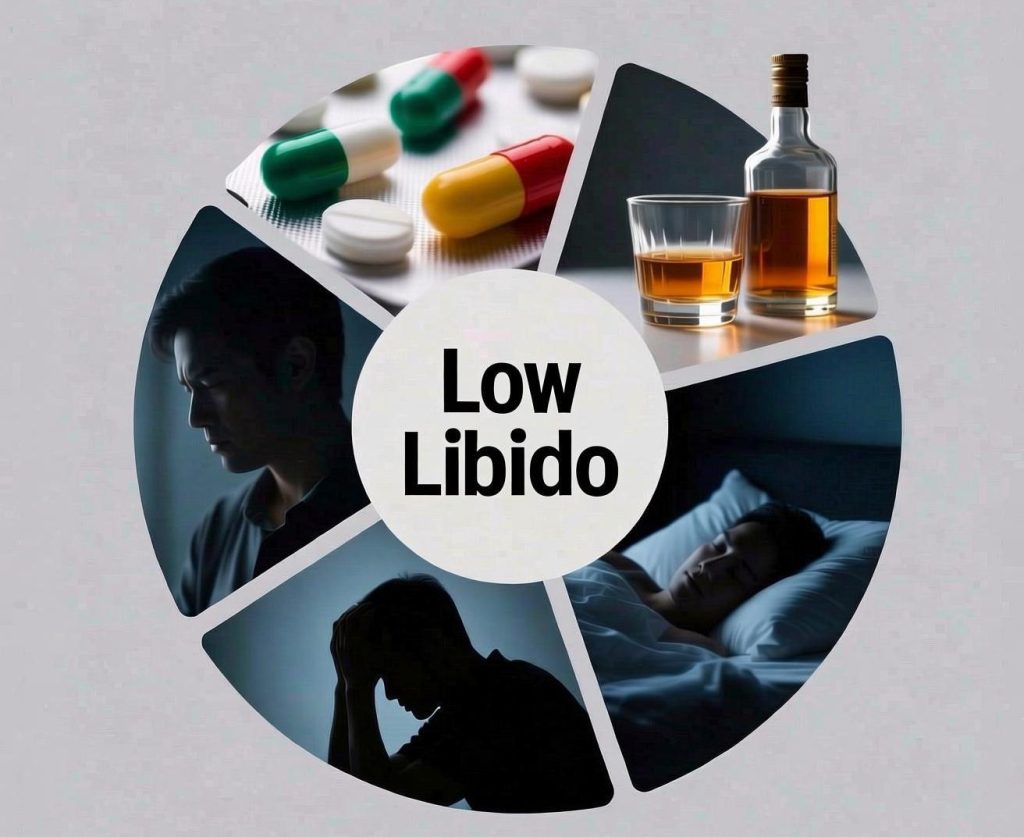
Smoking damages sperm DNA and reduces sperm count and motility. Alcohol consumption can negatively affect sperm production and hormone levels. Abstinence or moderation is strongly recommended.
Environmental Toxins
Exposure to pesticides, heavy metals, and other environmental toxins can impair sperm health. Minimize exposure where possible (e.g., use protective gear, choose organic foods when feasible).
Heat Exposure
Testicular temperature is crucial for sperm production. Avoiding excessive heat exposure (e.g., hot tubs, tight underwear, prolonged laptop use on the lap) is beneficial.
Different Perspectives: Expert Opinions & Ongoing Research
The field of male fertility supplementation is continually evolving. Here’s a summary of different perspectives:
Urologists/Reproductive Endocrinologists
Generally recommend a thorough assessment of sperm parameters before initiating supplementation. They often focus on addressing underlying medical conditions and lifestyle factors first.
Nutritionists/Dietitians
Emphasize the importance of a balanced diet and whole foods as the primary source of nutrients. They may recommend targeted supplementation based on individual deficiencies.
Andrologists (Male Reproductive Specialists)
Often prescribe more specialized supplements based on specific sperm health issues identified through laboratory testing (e.g., DNA fragmentation testing).
Ongoing Research
Research continues to explore the efficacy of various supplements and combinations. While some show promise, more rigorous, large-scale studies are needed to confirm their benefits and optimal dosages.
Potential Risks and Interactions: A Word of Caution
While generally safe, supplements can have potential risks and interactions. It’s vital to discuss supplementation with a healthcare provider before starting any new regimen. Possible concerns include:
Toxicity
High doses of certain supplements (e.g., selenium, zinc) can be toxic. Exposure to environmental toxins, such as heavy metals, pesticides, and industrial chemicals, can have a detrimental effect on sperm health.
These substances can interfere with hormone production, cause oxidative stress, and lead to DNA damage in sperm cells. For example, exposure to lead, mercury, and cadmium has been linked to reduced sperm concentration and increased risk of infertility.
Similarly, endocrine-disrupting chemicals found in plastics and personal care products can mimic hormones and disrupt the normal function of the reproductive system.
To minimize these risks, men should avoid exposure to harmful substances by using eco-friendly products, maintaining good hygiene, and avoiding occupational hazards.
Interactions with Medications
Supplements can interact with prescription medications, potentially altering their effectiveness or increasing the risk of side effects. Some individuals may experience allergic reactions to certain supplements.
Masking Underlying Conditions
Supplementation can sometimes mask underlying medical conditions that require specific treatment.
The Role of Communication and Support
Infertility can strain relationships and create emotional challenges for both partners. Open communication, mutual support, and shared decision-making are essential for navigating the emotional and practical aspects of fertility treatment.
Couples who engage in counseling or therapy can benefit from strategies to manage stress, resolve conflicts, and maintain a strong relationship during the fertility journey.
Additionally, partners who are emotionally supportive can help reduce the psychological burden on the male partner, which may improve overall fertility outcomes.
Building a supportive environment is crucial for maintaining the mental and emotional well-being of both partners during the process of trying to conceive.
Conclusion: A Multifaceted Approach to Male Fertility
Optimizing sperm health and improving male fertility requires a multifaceted approach. While supplements can play a supportive role, they are most effective when integrated into a comprehensive plan that includes a healthy lifestyle, addresses underlying medical conditions, and is guided by professional advice.
Open communication with a healthcare provider is crucial for safe and effective management of male fertility, paving the way for successful conception.