As a physician with over two decades of experience, I’ve seen firsthand the debilitating effects of erectile dysfunction (ED) on men’s lives. Often, the initial reaction is embarrassment or a sense of failure.
However, it’s crucial to understand that ED isn’t just a “sexual problem”; it’s frequently a symptom of underlying cardiovascular disease.
The Complex Link Between Cardiovascular Health and Erectile Dysfunction
The physiological mechanisms involved in achieving and maintaining an erection are intimately linked to those governing blood vessel function.
Nitric oxide, released in response to sexual stimulation, relaxes the smooth muscle in the penile arteries and increases blood flow. This process is entirely dependent on healthy endothelium – the inner lining of blood vessels – and efficient arterial function.
Conditions like atherosclerosis (plaque buildup in arteries), hypertension, diabetes, and high cholesterol all impair endothelial function and reduce blood flow, directly impacting erectile health.
The prevalence of these conditions is rising, and so is the prevalence of ED. While pharmaceutical interventions (like PDE5 inhibitors) can offer temporary relief, they don’t address the root causes.
This is where lifestyle modifications, particularly targeted exercise, come into play. We must shift the focus from a purely symptomatic treatment to a preventative and restorative approach.
Understanding HIIT: More Than Just Intense Bursts
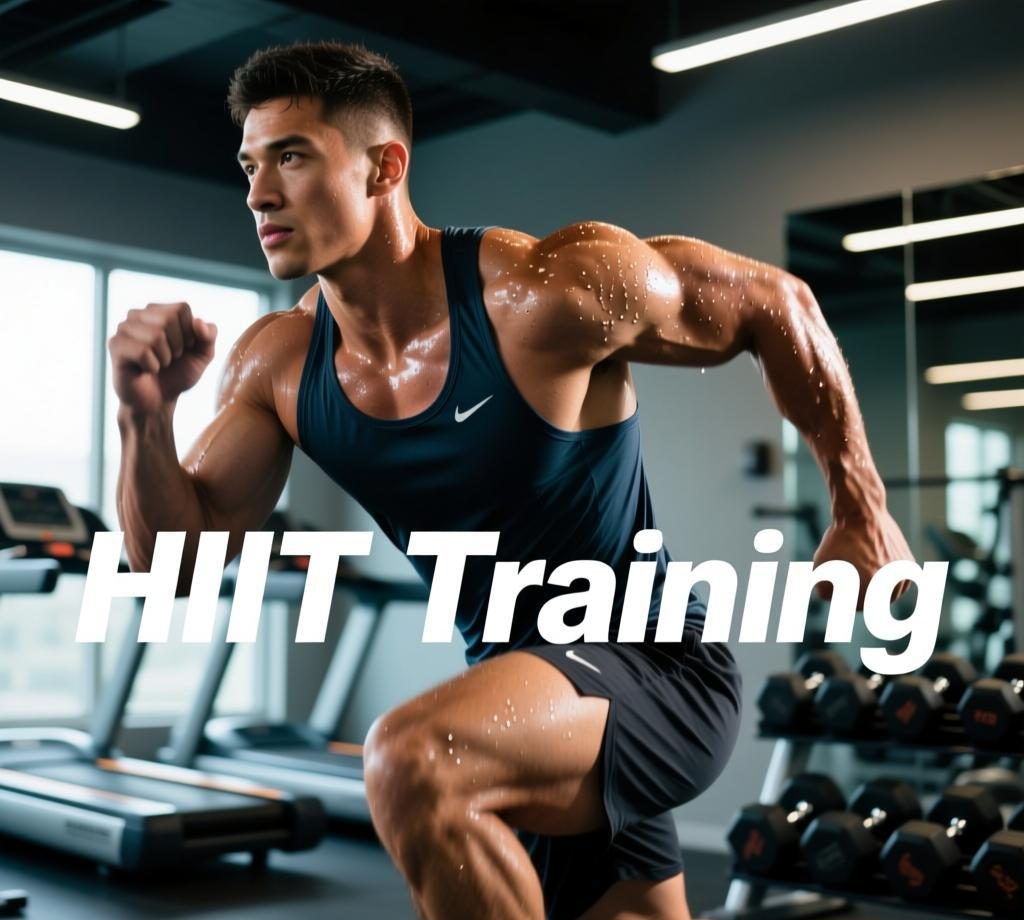
High-Intensity Interval Training (HIIT) has exploded in popularity, and rightfully so. But what exactly is HIIT, and why is it particularly beneficial for men facing or at risk for ED?
At its core, HIIT involves short bursts of intense exercise (typically 80-95% of maximum heart rate) interspersed with brief recovery periods.
A typical HIIT session might consist of 30 seconds of sprinting followed by 60 seconds of walking, repeated for 20-30 minutes.
The beauty of HIIT lies in its efficiency; it delivers substantial cardiovascular benefits in a shorter timeframe compared to traditional steady-state cardio.
The physiological adaptations that occur with regular HIIT are remarkable. These include improved insulin sensitivity (crucial for managing blood sugar and preventing diabetes-related ED), increased VO2 max (the maximum amount of oxygen your body can utilize), enhanced mitochondrial function (powerhouses of cells, improving energy production), and, importantly, improved endothelial function.
Unlike steady-state cardio, HIIT also induces a greater post-exercise oxygen consumption (EPOC), often referred to as the “afterburn effect,” meaning your body continues to burn calories and improve cardiovascular health even after the workout is complete.
HIIT’s Impact on Endothelial Function: The Key Mechanism
The improvements in endothelial function are arguably the most critical benefit of HIIT in the context of ED. Endothelial cells produce nitric oxide, a potent vasodilator.
When the endothelium is damaged (as it is in atherosclerosis), nitric oxide production is impaired, leading to vasoconstriction (narrowing of blood vessels) and reduced blood flow. HIIT, surprisingly, stimulates endothelial progenitor cells – cells that can repair and regenerate damaged endothelium.
Studies have shown that even relatively short bouts of HIIT (2-3 times per week) can significantly improve flow-mediated dilation (FMD), a measure of endothelial function.
The mechanism by which HIIT boosts endothelial function is complex. It involves increased shear stress on the arterial walls during intense exercise, which signals endothelial cells to release more nitric oxide and recruit progenitor cells.
Furthermore, HIIT reduces oxidative stress and inflammation, both of which contribute to endothelial damage. Essentially, HIIT acts as a potent “reset” button for the cardiovascular system, helping to restore optimal blood vessel function.
HIIT and Specific Risk Factors for ED
Let’s delve into how HIIT can address specific conditions that often contribute to ED:
Diabetes and Metabolic Syndrome
Men with diabetes or metabolic syndrome are at significantly increased risk of ED. Poorly controlled blood sugar levels damage blood vessels and nerves, impairing erectile function.
HIIT is exceptionally effective in improving insulin sensitivity, lowering blood glucose levels, and promoting weight loss (often a crucial factor in metabolic syndrome). The increased muscle mass gained through HIIT also enhances glucose uptake, further improving metabolic control.
Obesity
Obesity is a major risk factor for ED, largely due to its association with insulin resistance, inflammation, and hormonal imbalances. HIIT is more effective than traditional cardio for promoting fat loss, particularly visceral fat (the dangerous fat stored around the abdominal organs). This reduction in visceral fat improves insulin sensitivity and reduces inflammation, positively impacting erectile health.
Hypertension
High blood pressure damages arterial walls and reduces blood flow, contributing to ED. While medication is often necessary to manage hypertension, HIIT can complement drug therapy by improving cardiovascular fitness and lowering resting blood pressure. The improved endothelial function, as discussed earlier, plays a crucial role here.
Hypogonadism (Low Testosterone)
While the relationship is complex, low testosterone levels can contribute to ED. HIIT can, in some cases, stimulate testosterone production, although the effect is often modest.
More importantly, HIIT improves overall health and vitality, which can indirectly enhance libido and sexual performance even in men with mildly low testosterone.
Practical Considerations: Implementing HIIT Safely
While HIIT offers significant benefits, it’s not without risks and requires careful implementation. Here’s what I advise my patients:

Medical Screening
Before starting any HIIT program, especially if you have pre-existing medical conditions, a thorough medical evaluation is essential. This includes assessing cardiovascular risk factors, checking blood pressure and blood sugar levels, and potentially performing an electrocardiogram (ECG). A physician’s clearance is non-negotiable, especially for individuals over 40 or with known heart conditions.
Gradual Progression
Start slowly and gradually increase the intensity and duration of HIIT workouts. Begin with shorter intervals and longer recovery periods. Listen to your body and don’t push through pain or discomfort.
Proper Form and Technique
Incorrect form can lead to injuries. Consider working with a certified personal trainer to learn proper technique and ensure you’re performing exercises safely and effectively.
Warm-up and Cool-down
Always include a thorough warm-up before HIIT and a cool-down afterward. This helps prepare your body for the intense exercise and allows it to recover properly.
Hydration and Nutrition
Adequate hydration and a balanced diet are crucial for optimal performance and recovery.
Variety and Enjoyment
To prevent boredom and burnout, vary your HIIT workouts. This could involve different types of exercises (running, cycling, swimming, rowing) and interval patterns. Finding activities you enjoy will increase adherence to the program.
Emerging Research and Future Directions
Research into the effects of HIIT on ED is ongoing. While the evidence strongly suggests a positive impact, larger, randomized controlled trials are needed to definitively establish the optimal HIIT protocols for men with ED.
Future research may explore personalized HIIT programs tailored to individual risk factors and severity of ED. Furthermore, combining HIIT with other lifestyle interventions, such as dietary modifications and pelvic floor muscle exercises, may offer synergistic benefits.
Beyond HIIT: A Holistic Approach to Sexual Health
While HIIT is a powerful tool, it’s important to remember that it’s just one piece of the puzzle. A holistic approach to sexual health encompasses addressing all contributing factors, including managing underlying medical conditions, maintaining a healthy weight, eating a balanced diet, reducing stress, and maintaining open communication with your partner.
Don’t underestimate the impact of psychological factors – anxiety and depression can significantly impair sexual function. Consider seeking counseling or therapy if needed. Addressing the whole person – physically, mentally, and emotionally – is paramount to restoring and maintaining robust sexual health.
Conclusion
HIIT offers a promising non-pharmacological strategy for men struggling with or at risk of erectile dysfunction. By improving cardiovascular health, enhancing endothelial function, and addressing specific risk factors, HIIT can contribute to improved erectile function and overall well-being. However, it’s crucial to approach HIIT safely, under the guidance of a healthcare professional, and as part of a broader holistic lifestyle strategy.