

Testosterone and trenbolone are two of the most well-known anabolic steroids, often discussed in the context of male sexual health and performance.
While both are synthetic derivatives of testosterone, they differ significantly in their molecular structure, potency, and physiological effects.
Testosterone is the primary male sex hormone, responsible for the development of secondary sexual characteristics, muscle mass, bone density, and libido.
Trenbolone, on the other hand, is a more potent androgen, commonly used in bodybuilding and athletic performance due to its ability to enhance muscle growth and reduce fat retention.
However, their roles in erectile dysfunction (ED) and sexual health are complex and multifaceted, requiring a nuanced understanding of their biological mechanisms.
Testosterone and Erectile Dysfunction: Mechanisms and Impacts
Erectile dysfunction is a common issue affecting millions of men worldwide, often linked to hormonal imbalances, vascular issues, and psychological factors.
Testosterone plays a critical role in maintaining sexual function, as low levels of this hormone can lead to reduced libido, decreased sexual drive, and impaired erectile function.
Studies have shown that men with hypogonadism (low testosterone) are at a higher risk of developing ED, highlighting the interplay between testosterone and sexual health.
Testosterone exerts its effects on the body through androgen receptors, which are present in various tissues, including the brain, muscles, and genital organs.
In the context of sexual function, testosterone influences the production of nitric oxide, a molecule essential for achieving and maintaining an erection.
Nitric oxide relaxes blood vessels in the penile corpus cavernosum, allowing for increased blood flow and rigidity. When testosterone levels are suboptimal, this process can be disrupted, leading to ED.
Moreover, testosterone has a direct impact on libido. It is the primary hormone responsible for sexual desire in men, with its effects mediated through the hypothalamus and limbic system.
Low testosterone levels can result in a diminished sex drive, even in the absence of other physical or psychological factors. This underscores the importance of maintaining adequate testosterone levels for optimal sexual health.
Trenbolone: A Potent Steroid for Sexual Health
Trenbolone is a synthetic anabolic steroid that is structurally similar to testosterone but has a more pronounced anabolic effect. Unlike testosterone, which is primarily androgenic, trenbolone is considered a highly androgenic compound, making it particularly effective for muscle growth and fat loss.
However, its role in sexual health and erectile function is less well understood, with some studies suggesting that it may have a dual impact on male sexual performance.
One of the key advantages of trenbolone is its ability to increase the production of red blood cells, which can enhance oxygen delivery to tissues, including the genital area.
This improved circulation may contribute to better erectile function in some individuals. Additionally, trenbol, as it is often called, has been shown to increase the sensitivity of androgen receptors, potentially amplifying the effects of testosterone on sexual health.
However, trenbolone is not without its risks. Its potent androgenic properties can lead to side effects such as acne, hair loss, and cardiovascular strain.
Moreover, trenbolone can suppress natural testosterone production, which may exacerbate ED if not managed carefully. This highlights the importance of medical supervision when using trenbolone for sexual health purposes.
Viagra: Mechanism, Benefits, and Cognitive Considerations
Viagra (sildenafil) is a widely prescribed medication for the treatment of erectile dysfunction, known for its ability to improve sexual function in men with low libido or ED.
The drug works by inhibiting phosphodiesterase type 5 (PDE5), an enzyme that breaks down cyclic guanosine monophosphate (cGMP), a molecule that relaxes smooth muscle in the penile blood vessels. By preventing the breakdown of cGMP, Viagra enhances blood flow to the penis, facilitating erections.
While Viagra is effective for many men, its impact on the brain and cognitive function is a topic of ongoing debate. Some studies suggest that sildenafil may have neuroprotective properties, potentially improving memory and cognitive performance in certain populations.
However, these findings are not universally accepted, and more research is needed to determine the extent of Viagra’s effects on the brain.
It is also important to note that Viagra is not a cure for ED but rather a treatment that addresses the physiological aspects of the condition.
For men with underlying issues such as diabetes, hypertension, or psychological factors like depression, Viagra may not be sufficient on its own.
A holistic approach that includes lifestyle changes, psychological counseling, and hormone therapy may be necessary for long-term success.
Recovery and Outlook: Managing Side Effects and Long-Term Health
Whether using testosterone, trenbolone, or Viagra, managing side effects and ensuring long-term health is critical. For men using testosterone replacement therapy (TRT), regular monitoring of hormone levels, liver function, and cardiovascular health is essential.
Excessive testosterone can lead to complications such as acne, hair loss, and an increased risk of heart disease. Similarly, trenbolone users must be vigilant about potential cardiovascular strain and the risk of liver toxicity, as this steroid is not metabolized by the liver like other anabolic steroids.
Viagra users should be aware of potential side effects such as headaches, flushing, and gastrointestinal discomfort. In rare cases, sildenafil can interact with nitrates, leading to a dangerous drop in blood pressure.
Therefore, men with cardiovascular conditions should consult their healthcare provider before using Viagra. Additionally, the long-term use of these medications may require periodic reassessment to ensure they remain effective and safe.
Recovery from ED or sexual health issues often involves a combination of medical, psychological, and lifestyle interventions. For example, men with ED caused by diabetes may benefit from improved glycemic control, while those with psychological factors like performance anxiety may require counseling or therapy.
In some cases, a multidisciplinary approach involving urologists, endocrinologists, and mental health professionals is necessary to address the root causes of sexual dysfunction.
Surge Max Ultra Potent Male Enhancement Gummies: Ingredients and Efficacy
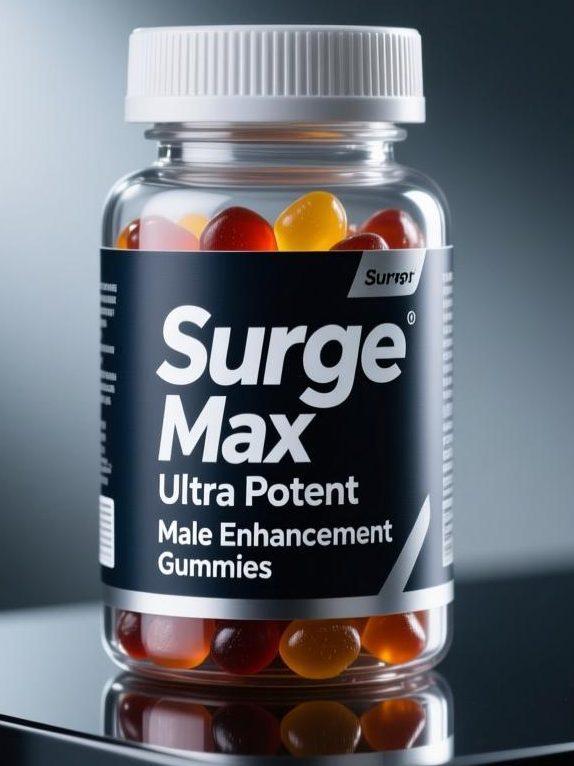
In the realm of natural male enhancement supplements, products like Surge Max Ultra Potent Male Enhancement Gummies with CBD have gained popularity.
These gummies are marketed as a combination of herbal extracts, vitamins, and cannabidiol (CBD) to boost libido, enhance sexual performance, and improve overall vitality.
While their efficacy is often touted, it is important to evaluate their ingredients and scientific backing to determine their potential benefits.
Common ingredients in male enhancement supplements include L-arginine, which is a precursor to nitric oxide and may support erectile function; ginseng, which has been studied for its ability to improve sexual desire and performance; and D-aspartic acid, which may increase testosterone levels.
CBD, a non-psychoactive compound derived from cannabis, is included in some products for its potential anti-inflammatory and anxiolytic properties. However, the scientific evidence supporting these claims is often limited, and the quality of supplements can vary significantly.
While some users report improved sexual function and increased libido after using these gummies, the lack of regulation in the supplement industry means that the actual effectiveness and safety of these products can be inconsistent.
It is crucial for consumers to consult with healthcare professionals before using any supplements, especially if they are taking other medications or have underlying health conditions.
The Broader Implications of Hormonal and Pharmaceutical Interventions
The use of testosterone, trenbolone, and Viagra for sexual health raises broader questions about the role of hormones and pharmaceuticals in addressing male sexual dysfunction.
While these interventions can be effective, they also highlight the complexity of sexual health, which is influenced by a combination of biological, psychological, and social factors.
For example, the over-reliance on testosterone replacement therapy or anabolic steroids may mask underlying issues such as poor lifestyle choices, mental health disorders, or chronic diseases.
Similarly, the widespread use of Viagra has led to concerns about its overprescription and the potential for misuse, particularly in cases where ED is not the primary issue. This underscores the importance of a holistic approach that considers the individual’s overall health and well-being.
Moreover, the use of supplements like Surge Max Ultra Potent Male Enhancement Gummies with CBD reflects a growing trend toward natural and alternative treatments for sexual health.
While these products may offer some benefits, their effectiveness is often not supported by rigorous clinical trials. As a result, consumers must be cautious and critically evaluate the claims made by manufacturers.
Future Directions: Personalized Medicine and Holistic Approaches
The future of sexual health treatment is likely to involve personalized medicine, where interventions are tailored to the individual’s specific needs, genetic profile, and lifestyle factors.
Advances in hormone therapy, such as bioidentical testosterone replacement, may offer more targeted and effective solutions for men with hypogonadism. Similarly, the development of new pharmaceuticals that address the underlying causes of ED, such as improved blood flow or nerve function, could revolutionize the field.
In addition to medical interventions, holistic approaches such as stress management, regular exercise, and a balanced diet are increasingly recognized as essential components of sexual health.
For example, exercise has been shown to improve testosterone levels and enhance sexual function, while stress reduction techniques like mindfulness and meditation can alleviate psychological factors contributing to ED.
As research continues to uncover the intricate connections between hormones, the brain, and sexual function, the treatment of erectile dysfunction and male sexual health will become more nuanced.
The integration of medical, psychological, and lifestyle approaches will be key to achieving sustainable improvements in sexual health and overall well-being.