If you’ve ever struggled to open a jar, type an email, or even button your shirt because your finger joints are aching, you’re not alone. Finger joint pain is one of the most common complaints, and the good news is that most people can find real relief with simple, practical strategies — no surgery required in the vast majority of cases.
In this article, I’ll walk you through what actually causes finger joint pain, what genuinely helps, and when it’s time to see a doctor. My goal is to keep this friendly, easy to read, and genuinely useful.
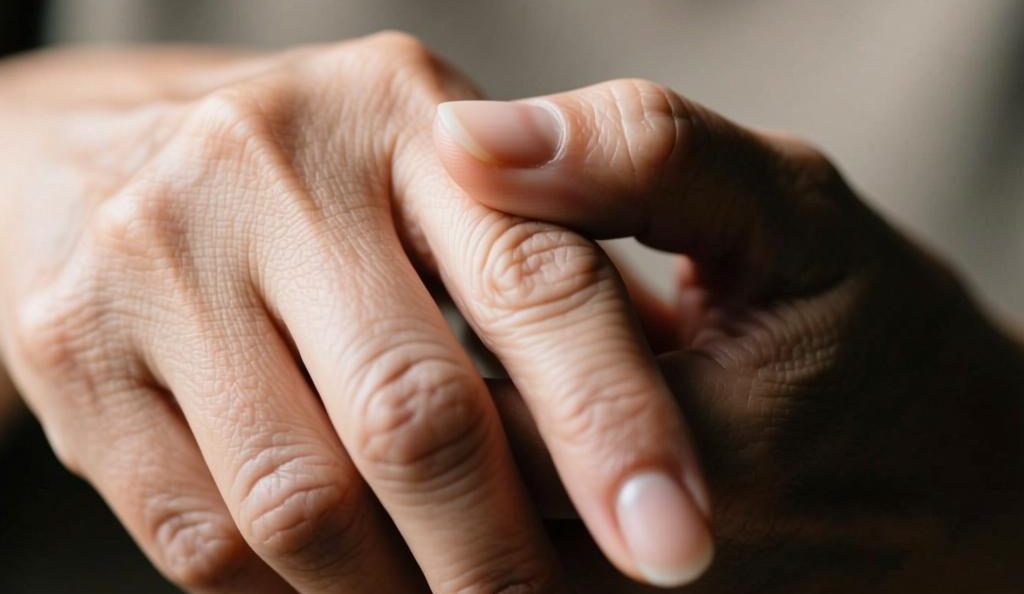
Why Do My Finger Joints Hurt in the First Place?
Before we talk about relief, it helps to understand what’s going on inside those aching joints. Finger joint pain usually comes from one of a few common culprits:
- Osteoarthritis — the “wear-and-tear” arthritis that develops as cartilage in the joints gradually breaks down. It’s especially common in the joints near your fingertips and the base of your thumb.
- Rheumatoid arthritis — an autoimmune condition where your immune system attacks the joint lining, causing swelling, warmth, and morning stiffness that lasts more than 30 minutes.
- Overuse and repetitive strain — typing, texting, knitting, gaming, or gripping tools all day can inflame the tendons and joints.
- Injury — a jammed finger, a sprain, or an old fracture that never quite healed right.
- Gout — yes, gout can strike the fingers too, causing sudden, intense pain with redness and swelling.
If you’re wondering whether it’s arthritis or something else, this friendly guide to joint pain causes and relief is a great place to start: why do my joints hurt. Knowing the likely cause helps you pick the right treatment, because what works for overuse strain won’t necessarily calm an inflammatory flare.
The First Line of Defense: Rest and Smart Activity Modification
Here’s something patients are often surprised to hear: your finger joints don’t need complete rest. Joints actually do better with gentle movement than with total immobility. What they need is rest from whatever is aggravating them.
If you type for hours, take micro-breaks every 20–30 minutes. If you’ve been on a knitting spree, give your hands a vacation. Simple adjustments that make a big difference include:
- Using ergonomic keyboards, larger-grip pens, and jar openers
- Switching heavy handbags to backpacks
- Avoiding tight gripping — hold tools loosely and use padded handles
- Dictating texts instead of typing when your hands flare up
Interestingly, this “movement helps” principle applies to joints throughout the body. In fact, research consistently shows that appropriate exercise reduces joint pain rather than worsening it — the same principle behind why moving more might be exactly what your aching joints need: aching joints need movement.
Simple Finger Exercises That Genuinely Help
I prescribe hand exercises almost daily. They cost nothing, take five minutes, and improve joint lubrication, tendon gliding, and grip strength. Try these gentle moves once or twice a day:
| Exercise | How to Do It | Why It Helps |
|---|---|---|
| Fist makes and opens | Curl fingers into a loose fist, hold 5 seconds, slowly open wide | Improves range of motion |
| Finger lifts | Hand flat on a table, lift one finger at a time | Builds individual finger strength |
| Thumb stretches | Gently pull thumb away from the palm, hold 10 seconds | Eases thumb-base arthritis (very common!) |
| Gentle squeezes | Squeeze a soft stress ball for 3–5 seconds, repeat 10 times | Strengthens grip without strain |
| Finger walks | “Walk” your fingers up and down a tabletop | Keeps tendons gliding smoothly |
The key word is gentle. If an exercise causes sharp pain, back off. Mild stretch discomfort is fine; stabbing pain is not. If your knees ache alongside your fingers (which is common in osteoarthritis), many of these same principles apply — the low-impact exercise strategies that help sore knees work beautifully for hands too: sore knee relief tips.
Heat, Cold, or Both? Here’s the Honest Answer
One of the most frequent questions I get is whether to ice or heat aching finger joints. The answer: it depends on what’s going on.
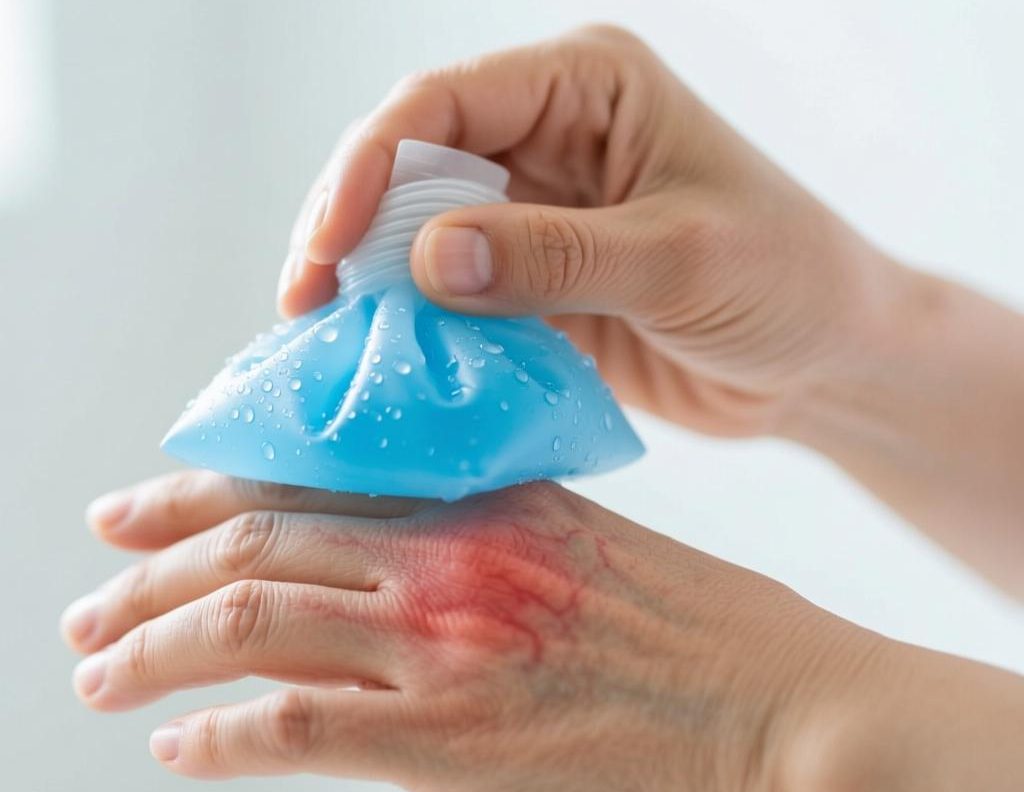
- Cold therapy — best after activity or during a sudden, hot, swollen flare. Wrap an ice pack in a thin towel and apply for 10–15 minutes. Cold numbs pain and reduces inflammation.
- Heat therapy — best for morning stiffness and chronic, achy stiffness. Soak hands in warm water, use a warm paraffin wax bath (a spa-like favorite among hand therapists), or simply hold a warm mug. Heat relaxes muscles and loosens stiff joints.
Many of my patients with arthritis do both: heat in the morning to loosen up, ice in the evening after a busy day. This same logic applies to other joint trouble spots — the warm-vs-cold question for knee pain is answered the same way: why knees hurt.
Over-the-Counter Options: What’s Worth Trying?
When simple measures aren’t enough, there are sensible medication options you can discuss with your doctor or pharmacist:
- Topical NSAIDs (like diclofenac gel) — my first choice for hand arthritis because they work locally with fewer whole-body side effects than pills.
- Oral NSAIDs (ibuprofen, naproxen) — effective for flares, but not for daily long-term use without medical supervision, especially if you have stomach, kidney, or heart concerns.
- Acetaminophen — gentler on the stomach, helpful for mild pain, though less anti-inflammatory.
- Topical capsaicin cream — derived from chili peppers; it takes a couple of weeks of consistent use but can dull chronic joint pain.
For a broader rundown of practical options beyond the medicine cabinet, this overview of simple tips that ease joint pain is worth a read: ease joint pain tips.
Can Supplements and Diet Really Help?
Patients ask me about supplements constantly. Here’s my honest take, based on current evidence:
| Option | Evidence Level | My Clinical Take |
|---|---|---|
| Collagen peptides | Mixed but promising | Reasonable to try; low risk. More on collagen and joints: collagen for joints |
| Fish oil / omega-3s | Moderate for inflammatory arthritis | Worth trying for RA-related pain; may reduce morning stiffness |
| Turmeric (curcumin) | Moderate | Some anti-inflammatory benefit; take with food |
| Glucosamine/chondroitin | Weak for hands | Helps some patients; harmless to trial for 3 months |
Diet matters too. An anti-inflammatory eating pattern — more fatty fish, colorful vegetables, nuts, and olive oil; fewer processed foods and sugary drinks — won’t cure arthritis, but many patients report noticeably calmer joints.
Interestingly, a high-fiber diet has been linked with reduced inflammation and less joint pain; the same fiber-and-arthritis connection that helps knees applies to hands: fiber and arthritis.
And if your finger pain is actually gout — sudden, severe, red, and hot — diet is front and center. Cutting back on red meat, alcohol, and fructose-heavy drinks makes a real difference. This simple gout diet guide covers what to enjoy and what to skip: gout diet guide.
Splints and Supports: Small Tools, Big Relief
In my clinic, hand splints are one of the most underused tools. A soft neoprene splint that supports the base of your thumb or rests your fingers in a slightly relaxed position overnight can dramatically reduce morning pain. Here’s how I usually recommend them:
- Thumb-base arthritis: a soft thumb spica splint, especially for nighttime and heavy-grip activities
- Morning stiffness: resting finger splints worn while sleeping
- Daytime function: compression gloves — many arthritis patients swear by them for warmth and gentle support
Ask a hand therapist to fit you properly. An ill-fitting splint can do more harm than good.
When Natural Approaches Are Worth a Look
I’m also a realist: plenty of patients find meaningful relief from complementary approaches, and there’s no harm in trying safe ones alongside standard care. For arthritis specifically, these home strategies have good practical support behind them — from turmeric and gentle heat to Epsom salt soaks: natural arthritis relief at home.
For stubborn chronic pain, some patients explore cannabis-based options. The evidence for topical CBD in localized joint pain is still developing, but the safety profile is reasonable for most adults.
If you’re curious, this balanced overview of cannabis and chronic pain is a sensible starting point: cannabis and chronic pain. Always check local laws and talk to your doctor first, especially if you take other medications.
Massage and deep tissue work can also help — not by “fixing” the joint, but by releasing the tight forearm and hand muscles that add strain to aching joints. The same hands-on therapy that eases foot and nerve pain works well for tired, overworked hands: deep tissue therapy benefits.
When to See a Doctor
Most finger joint pain isn’t dangerous, but some signs mean it’s time for a professional evaluation — ideally sooner rather than later:
- Joint deformity — fingers drifting sideways, a visible bump at the base of the thumb, or a “swan neck” appearance
- Morning stiffness lasting over 30–60 minutes — a hallmark of inflammatory arthritis like rheumatoid arthritis, which needs early treatment to prevent permanent damage
- Sudden, severe pain with redness and heat — could be gout or an infection (a hot, red, swollen joint with fever is an emergency)
- Pain after trauma — if you jammed a finger and it’s still swollen and painful after a few days, an X-ray is wise; untreated finger fractures heal badly
- Numbness or tingling — may signal nerve involvement, like carpal tunnel syndrome
Early diagnosis matters enormously in rheumatoid arthritis. Caught early, modern medications can put it into remission and protect your joints for decades. Caught late, damage is much harder to undo.
What If Nothing Works?
Surgery is a last resort for finger joints, and most people never need it. But when pain becomes constant, deformity progresses, or you can’t use your hand for daily tasks despite months of proper conservative care, these are the main options:
- Joint fusion (arthrodesis): the joint is permanently stiffened in a functional position. Excellent pain relief, often used for the fingertip joints where some stiffness barely affects hand function.
- Joint replacement (arthroplasty): an artificial joint restores some motion — commonly done for the thumb base and middle finger joints.
- Trapeziectomy: for thumb-base arthritis, removing the small worn bone often gives outstanding, durable relief.
Recovery typically involves hand therapy for several weeks to months, and outcomes for these procedures are generally very good. The takeaway: even if you eventually need surgery, it’s usually a hand-restoring procedure, not a hand-limiting one.
A Day in the Life: Putting It All Together
To make this practical, here’s what a sensible daily routine looks like for someone with ongoing finger joint pain:
- Morning: warm water soak or paraffin bath, then 5 minutes of gentle finger exercises
- During the day: ergonomic tools, micro-breaks from typing, topical NSAID gel if needed
- Evening: soft stress ball squeezes, compression gloves or night splint, ice if the joints feel hot and swollen
- Ongoing: anti-inflammatory diet, adequate hydration, and a once-yearly check-in with your doctor if symptoms persist
Consistency beats intensity. Five minutes of care every day will do more for your hands than a single heroic session once a month.
Frequently Asked Questions
Q: Is cracking my knuckles bad for my joints?
A: No. Despite the old warnings, research shows knuckle cracking doesn’t cause arthritis. It’s mostly harmless gas bubbles popping in the joint fluid.
Q: Should I stop exercising my hands if they hurt?
A: Not usually. Modify instead — lighter grip, shorter sessions, more rest between sets. Complete rest tends to stiffen joints further.
Q: Are compression gloves actually useful?
A: Many patients find them genuinely helpful for warmth, mild swelling control, and night comfort. They’re cheap and low-risk, so I consider them a fair trial.
Q: How do I know if it’s osteoarthritis or rheumatoid arthritis?
A: Osteoarthritis typically affects the joints nearest your fingertips, worsens with use, and improves with rest. Rheumatoid arthritis affects the knuckles symmetrically, comes with prolonged morning stiffness, swelling, and fatigue. Only proper testing can confirm it, so see a doctor if symptoms fit the inflammatory pattern.
Q: Can finger joint pain be a sign of something serious elsewhere?
A: Sometimes. Persistent joint pain can accompany conditions like psoriasis-related arthritis, thyroid issues, or other inflammatory diseases. That’s why pain lasting more than a few weeks deserves an evaluation.
Q: Does weather really affect joint pain?
A: Many patients swear it does, and there’s some evidence that barometric pressure changes can influence joint discomfort. It won’t cause damage, but planning warm-up routines on cold, damp days is a reasonable strategy.
Q: When is surgery truly necessary?
A: When pain is constant, conservative care has failed for months, function is significantly limited, or deformity is progressing. Even then, the decision is elective — which means you and your surgeon choose timing that works for your life.
The Bottom Line
Finger joint pain can feel like a small problem, but it touches everything — work, hobbies, even holding a loved one’s hand. The encouraging truth from my years in practice is this: most people get substantial relief from a combination of gentle exercise, heat or cold, smart activity changes, topical treatments, and the right support tools.
Supplements and diet tweaks may add meaningful benefit, especially for inflammatory conditions. And when everything else has been tried, modern surgical options can genuinely restore comfortable hand function.
Start with the simple things, be consistent, and give your hands the same care you’d give your knees or your back. If your pain persists beyond a few weeks, involves swelling and prolonged stiffness, or follows an injury, get it checked. Your fingers carry you through every single day — they’ve earned a little attention.