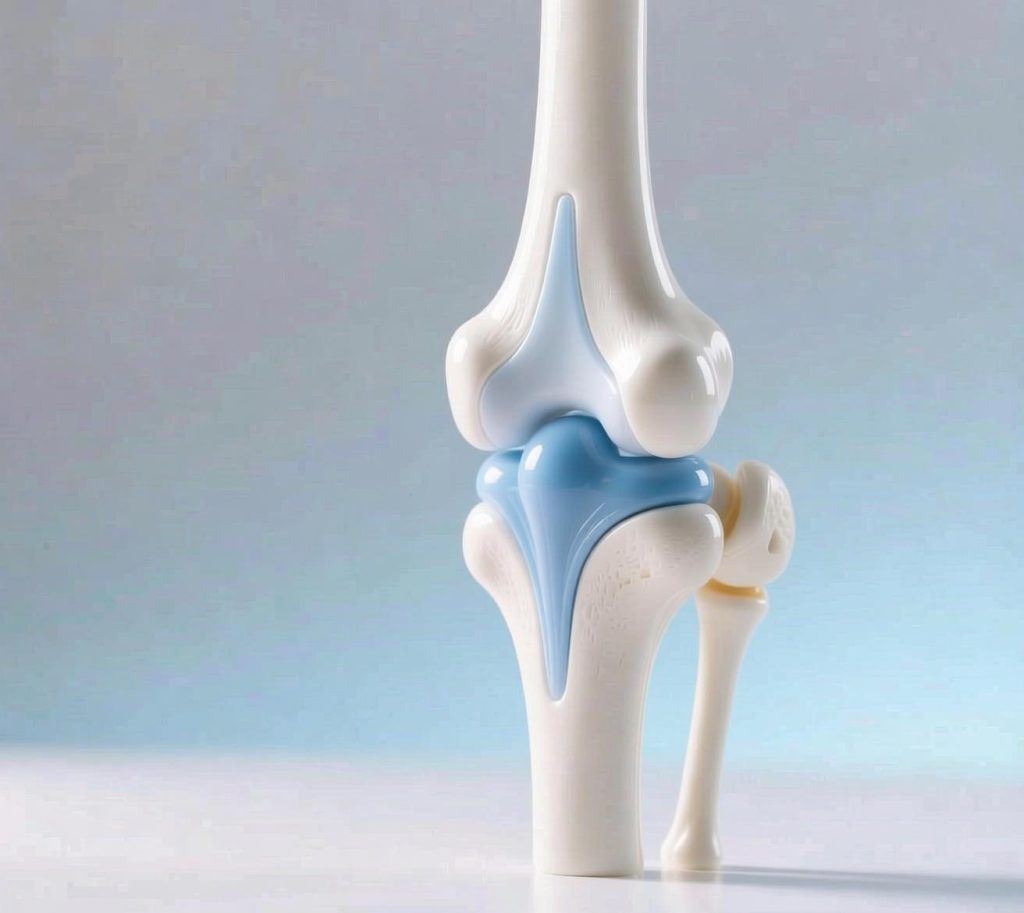
Living with arthritis can feel like carrying a stubborn roommate around in your joints — one that complains every time you stand up, climb stairs, or try to open a jar. If you have ever asked yourself why joints hurt so much, you are not alone.
Millions of people deal with stiff, achy joints every single day, and the constant discomfort can slowly steal the little joys of life, from gardening to playing with the grandkids.
The good news? You do not always need a pharmacy aisle to find relief. Nature offers a whole toolbox of gentle, practical remedies you can try right at home — no fancy equipment or complicated routines required.
As a physician, I always tell my patients that small, consistent habits beat short-lived fixes. Below are eleven natural ways to calm arthritis pain using things you probably already have in your kitchen, bathroom, or backyard.

1. Warm Up With Heat Therapy
Heat is one of the oldest and most comforting tricks in the book. When you apply warmth to stiff joints, it relaxes tense muscles, boosts blood flow, and loosens up the tissue around the joint. A long, warm shower in the morning can work wonders for overnight stiffness, while a microwaveable heat pad is perfect for sore hands or knees in the evening.
Try this: soak a small towel in warm water, wring it out, and drape it over the aching joint for 15 to 20 minutes. Repeat two or three times a day. Just remember the golden rule — warm, never scalding. If your joint feels hot and swollen, especially during a flare, skip the heat and reach for cold instead.
2. Cool Down Swollen Joints With Cold Therapy
Cold therapy works best when your joints are angry — red, swollen, and throbbing after activity. Ice numbs the area, slows inflammation, and quiets down pain signals traveling to your brain. It is especially helpful for knee pain after a long walk or a busy day on your feet.
Wrap a bag of frozen peas or an ice pack in a thin towel and rest it on the joint for about 15 minutes. Never put ice directly on bare skin, and give your skin a break between sessions. Alternating heat and cold throughout the day — heat in the morning to loosen up, cold in the evening to calm things down — is a simple rhythm many of my patients swear by.
3. Take a Soothing Epsom Salt Bath
There is something almost magical about sinking into a warm bath, and Epsom salt makes it even better. Epsom salt is rich in magnesium, a mineral that helps muscles relax and may ease nerve-related discomfort. While science is still debating how much magnesium actually soaks through the skin, thousands of arthritis patients describe real relief from a good long soak.
Add about two cups of Epsom salt to a warm bath and soak for 20 minutes, two or three times a week. It is also a lovely excuse to slow down, breathe, and let your whole body unwind. If getting in and out of a tub is tricky, a foot soak or a warm basin for your hands works nicely too.
4. Spice Things Up With Turmeric
That golden-yellow spice sitting in your kitchen cabinet is more powerful than it looks. Turmeric contains curcumin, a natural compound with well-studied anti-inflammatory properties. Since inflammation is the engine driving most arthritis pain, calming it can mean less stiffness and better movement over time.
The trick with turmeric is absorption. Curcumin is not easily absorbed on its own, but pairing it with black pepper — which contains a compound called piperine — dramatically improves uptake.
Try adding a teaspoon of turmeric and a pinch of black pepper to warm milk, soups, or scrambled eggs. Consistency matters more than quantity here, so make it a daily ritual rather than an occasional habit.
5. Add Ginger to Your Daily Routine
Ginger is another kitchen superstar with genuine anti-inflammatory credentials. Like turmeric, it contains natural compounds that help dial down the inflammatory chemicals your body produces. Research suggests regular ginger consumption may modestly reduce pain in people with arthritis.
You can enjoy anti-inflammatory ginger in so many easy ways: steep fresh slices in hot water for tea, grate it into stir-fries and smoothies, or chew on a small piece when your stomach is acting up too. Aim for a small amount every day rather than a big dose once in a while. If you take blood thinners, check with your doctor first, since ginger can mildly affect blood clotting.
6. Keep Your Joints Moving With Gentle Exercise
It sounds backwards — move more to hurt less? — but it is absolutely true. Joints are designed to move, and movement nourishes the cartilage, keeps muscles strong, and prevents the stiffness that comes from sitting still too long. The key word is gentle. Nobody is asking you to run a marathon; think of it as fun workouts that happen to be kind to your joints.
Walking, swimming, water aerobics, tai chi, and gentle stretching are all excellent choices. If you love running but dread the aftermath, there are smart ways to protect your sore knees — softer surfaces, supportive shoes, and shorter, more frequent outings.
Start with just ten minutes a day and build up slowly. A little movement every day beats a heroic workout followed by three days on the couch.

7. Trim Extra Weight to Lighten the Load
Every extra pound you carry puts roughly four pounds of pressure on your knees with every step. Over a full day of walking, that adds up to an enormous amount of unnecessary strain. This is why weight management is one of the most powerful — and most overlooked — natural remedies for arthritis pain.
Understanding what carrying extra weight does to your body can be a real wake-up call, but the flip side is encouraging: even losing five or ten pounds can noticeably reduce joint pain. You do not need a drastic diet either.
Small changes — a handful of veggies at lunch, a short evening walk, swapping soda for water — quietly add up. For anyone struggling with weight in later years, patience and consistency matter far more than perfection.
8. Get a Massage (or Give Yourself One)
Massage is not just a luxury — it is legitimate therapy for achy joints. Gentle kneading increases circulation around the joint, relaxes tight muscles that are working overtime, and lowers levels of cortisol, the body’s main stress hormone. Less stress often means less perceived pain, too.
You do not need a professional appointment every week. Use a little warm olive or coconut oil and gently rub the areas around — not directly on — painful joints in slow, circular motions for ten minutes.
Self-massage tools like foam rollers and hand-held massagers are inexpensive and effective. Enlist a partner for hard-to-reach spots like shoulders and lower back. The goal is comfort, so keep the pressure pleasant, never painful.
9. Consider Omega-3s and CBD
Fatty fish like salmon, sardines, and mackerel are loaded with omega-3 fatty acids, which are famous for fighting inflammation. Eating fish two or three times a week, or taking a quality fish oil supplement, may steadily reduce joint tenderness over a couple of months. Walnuts, flaxseeds, and chia seeds are great plant-based options.
Another option getting a lot of attention lately is CBD, cannabidiol. Early research on CBD health benefits suggests it may help with certain types of persistent discomfort, and many people now explore CBD for pain relief alongside their regular routines.
CBD is not a cure, and quality varies widely between brands, so talk to your doctor before trying it — especially if you take other medications. For those curious about cannabis in general, there is growing interest in whether cannabis helps chronic pain, though the research is still developing.
10. Prioritize Better Sleep
Poor sleep and arthritis pain feed each other in a vicious cycle: pain keeps you awake, and sleep deprivation makes you more sensitive to pain. Breaking that cycle is one of the kindest things you can do for your body. During deep sleep, your body releases natural repair hormones and calms inflammation.
Set a consistent bedtime, keep your bedroom cool and dark, and avoid screens for an hour before sleep. A warm bath with Epsom salts (see remedy #3) doubles as a sleep ritual.
If joint pain wakes you at night, experiment with pillow placement — a pillow between the knees or under the arms can take pressure off painful joints. Some people also explore the connection between CBD and sleep, though results vary from person to person.
11. Calm Your Mind to Calm Your Joints
Here is something many people do not realize: how you think and feel directly influences how much pain you experience. Chronic stress floods the body with inflammation-promoting chemicals, which can make arthritis symptoms worse. Mind-body practices such as meditation, deep breathing, and guided imagery have been shown to lower pain perception and improve quality of life.
Start small — five minutes of slow, deep breathing in the morning counts. Apps and free videos make it easy for beginners. Gentle practices like tai chi and restorative yoga combine breathing, mindfulness, and joint-friendly movement in one package. Over time, most people notice that even if the arthritis is still there, it stops being the loudest voice in the room.
Which Remedy for Which Moment?
| Situation | Best Natural Remedy | How Long? |
|---|---|---|
| Morning stiffness | Warm shower or heat pad | 15–20 minutes |
| Swollen joint after activity | Cold pack (with towel barrier) | 15 minutes |
| Overall daily prevention | Gentle exercise, turmeric, omega-3s | Ongoing, daily habits |
| Stress-related flares | Meditation, massage, breathing | 10 minutes, 1–2x daily |
| Poor sleep | Epsom salt bath, sleep routine | Nightly ritual |
Frequently Asked Questions
Can natural remedies really replace my arthritis medication?
For most people, natural remedies work best as a partner to medical treatment, not a replacement. They can reduce how often you need medication and how much you rely on it, but always talk with your doctor before changing anything about your treatment plan. Think of home remedies as the supporting cast, with your medical team in the leading role.
How long before I notice a difference?
Heat, cold, and Epsom salt soaks can bring same-day comfort. Supplements like turmeric, ginger, and fish oil usually need four to eight weeks of consistent use before you notice meaningful changes. Exercise and weight loss rewards arrive gradually but last the longest. Patience really is the secret ingredient.
Are there any risks with these home remedies?
Most are very safe, but a few deserve caution. Turmeric and ginger can interact with blood thinners. CBD can affect how some medications are metabolized. And always protect your skin from direct ice or excessive heat. When in doubt, a quick call to your doctor’s office can save you a lot of worry.
Which foods should I eat more of — and which should I limit?
- Eat more: fatty fish, colorful fruits and vegetables, olive oil, nuts, whole grains, and anti-inflammatory spices like turmeric and ginger.
- Limit: sugary drinks, fried foods, refined carbs, processed meats, and excessive alcohol — all of which can stoke inflammation.
- Drink plenty of water: hydrated cartilage is happier cartilage.
When should I see a doctor about my joint pain?
If a joint is red, hot, and severely swollen, if pain follows an injury, if you have a fever along with joint pain, or if home remedies stop helping and the pain interferes with daily life, make an appointment. Learning more about easing joint pain safely is smart, but persistent symptoms deserve a professional evaluation.
A Gentle Final Word
Arthritis may be a lifelong companion, but it does not get to run your whole life. Pick two or three remedies from this list that feel doable — maybe a morning warm-up, a nightly ginger tea, and a short daily walk — and practice them faithfully for a month. Small, steady habits are how real relief is built. Your joints have carried you this far; a little daily kindness is the least they deserve.