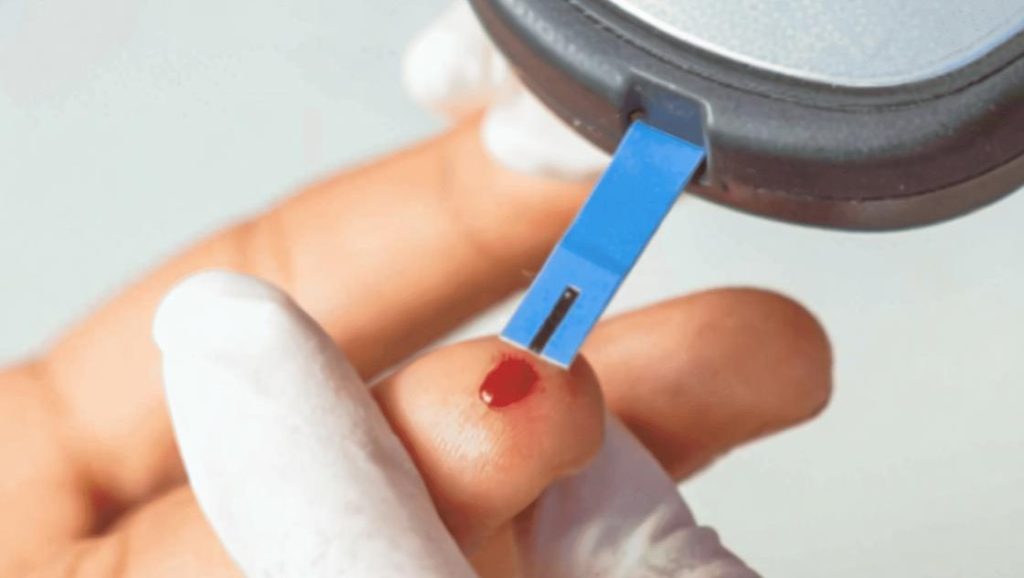
If you’ve been told you have high blood sugar — or you’re just trying to keep it in a healthy range — you’ve probably gotten a lot of well-meaning advice. Cut the sweets. Skip the bread. Say goodbye to your favorite foods.
But here’s one piece of advice that actually tastes good: eat more beans. Yes, those humble little legumes sitting in your pantry might be one of the best friends your blood sugar has ever had. Let’s dig into what’s really going on, minus the confusing science jargon.
What Happens to Your Blood Sugar After You Eat?
Before we talk beans, let’s quickly cover the basics. Every time you eat something with carbohydrates — think bread, pasta, fruit, or sugary drinks — your body breaks those carbs down into sugar, which enters your bloodstream. That’s normal. That’s supposed to happen.
The trouble starts when sugar floods in too fast or sticks around too long. Your pancreas releases a hormone called insulin, whose job is basically to escort sugar out of your blood and into your cells for energy. When this system works smoothly, your blood sugar rises gently after a meal and comes back down within a couple of hours.
When it doesn’t work smoothly — because of insulin resistance, genetics, weight, or just years of eating refined carbs — sugar lingers in your blood, and that’s where problems begin.
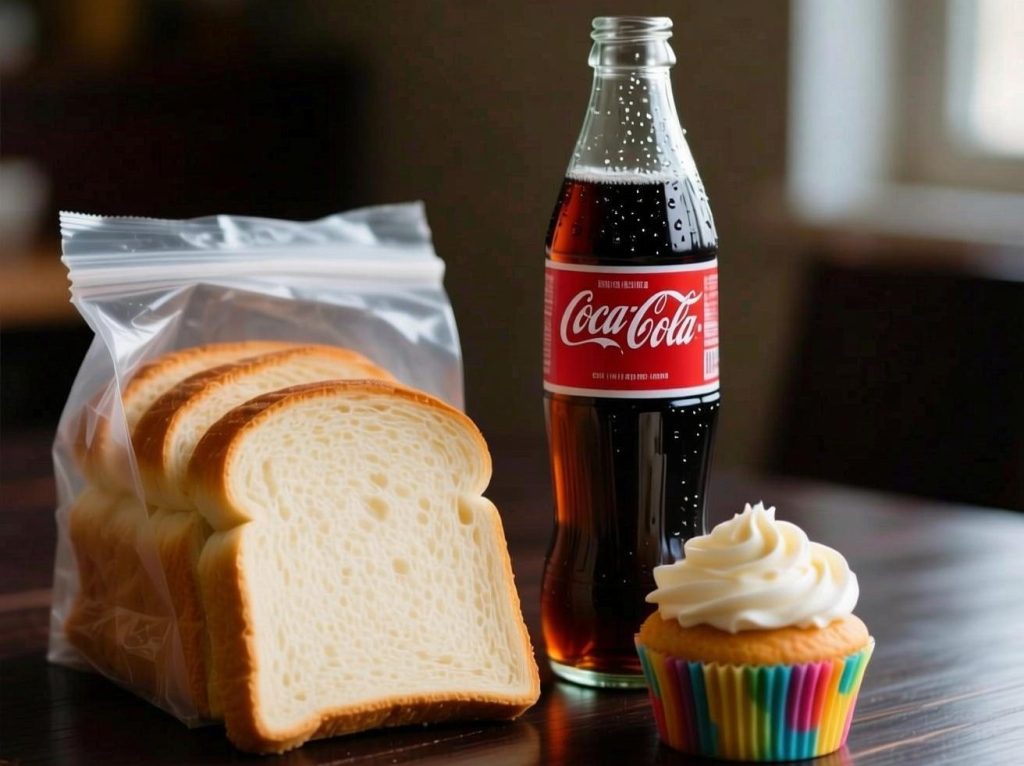
The kinds of carbs you eat matter a lot. Highly processed foods like white bread and pastries break down almost instantly, causing sharp spikes. Whole foods with fiber, protein, and resistant starch break down slowly, giving your body a gentle hill to climb instead of a steep mountain. And that’s exactly where beans shine.
Do Beans Actually Lower Blood Sugar?
Here’s the honest answer: beans don’t work like medicine that “lowers” your blood sugar on the spot. What they do is smarter — they help keep your blood sugar from spiking in the first place, and studies suggest regular bean eaters tend to have better long-term blood sugar control.
Research on beans is pretty encouraging. Studies have found that people with type 2 diabetes who added about a cup of beans or lentils to their daily meals saw meaningful drops in their HbA1c — that’s the number doctors use to measure your average blood sugar over roughly three months. Other research has shown that eating beans regularly is linked to a lower risk of developing type 2 diabetes in the first place.
One particularly interesting finding: beans don’t just blunt the spike from the beans themselves. Eating beans at one meal appears to have a “second meal effect” — they can help tame your blood sugar response at your next meal, too. So beans at lunch might still be helping you at dinner. Few foods can brag about that.
Why Beans Work So Well for Blood Sugar
Fiber, Fiber, and More Fiber
A single cup of cooked black beans packs around 15 grams of fiber — roughly half of what most adults need in an entire day. Fiber is like a traffic controller in your gut: it slows down how quickly sugar gets absorbed into your blood. Instead of a rush-hour pileup, sugar enters at a nice, steady pace.
Protein Power
Beans are one of the few plant foods that bring serious protein to the table — about 15 grams per cup. Protein slows digestion, which means slower sugar release. Pair protein with fiber, and you’ve got a combo that keeps blood sugar impressively steady.
Resistant Starch: The Friendly Carb
Some of the starch in beans is “resistant” — meaning your small intestine can’t digest it. It travels down to your gut, where it feeds the good bacteria living there. Those bacteria then produce compounds that may improve insulin sensitivity.
Even better: beans that have been cooked and then cooled (hello, three-bean salad) have even more resistant starch. Reheating them doesn’t undo it, either.
A Low Glycemic Index Score
The glycemic index (GI) measures how fast a food raises blood sugar. White bread scores around 75 out of 100. Most beans score somewhere between 25 and 40. In plain English: beans release their sugar slowly and gently, exactly what you want when you’re watching your glucose numbers.
Beans vs. Other Common Carbs
Sometimes seeing the numbers side by side makes it click. Here’s how beans stack up against familiar staples:
| Food (1 cup, cooked) | Fiber (g) | Protein (g) | Glycemic Index |
|---|---|---|---|
| Black beans | 15 | 15 | ~30 |
| Lentils | 16 | 18 | ~29 |
| Chickpeas | 12 | 15 | ~33 |
| White rice | 0.6 | 4 | ~73 |
| White pasta | 2.5 | 7 | ~70 |
| Kidney beans | 11 | 15 | ~24 |
Notice a pattern? Beans deliver more fiber, more protein, and a dramatically gentler impact on blood sugar than the refined carbs most of us grew up eating.
Which Beans Are Best for Blood Sugar?
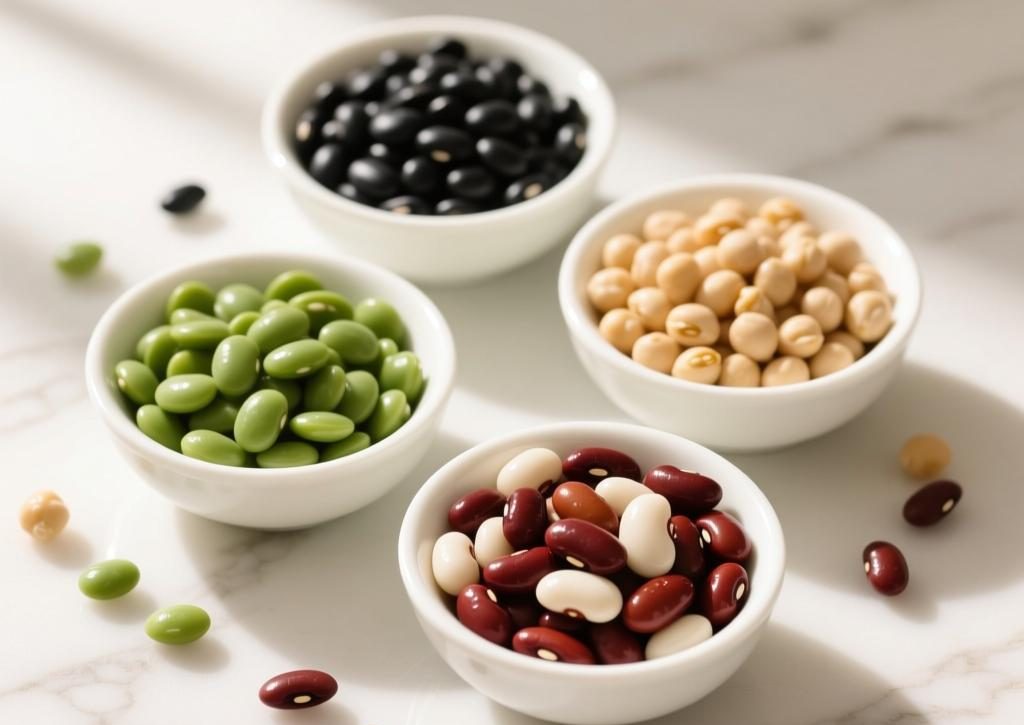
Good news: there’s no single “winner.” Almost all beans offer similar benefits, so you can pick based on what you actually enjoy eating — because the best bean for you is the one you’ll actually eat regularly. That said, here are some popular options and what makes each one worth a spot on your plate:
- Black beans: A smooth texture and earthy flavor that works in everything from soups to burrito bowls. A classic all-arounder.
- Lentils: Technically a legume cousin, they cook fast — no soaking required — and have one of the lowest GI scores around. Red lentils turn soft and saucy; green and brown ones hold their shape in salads.
- Chickpeas: Roast them for a crunchy snack, blend them into hummus, or toss them into curries. They’re filling and endlessly versatile.
- Kidney beans: A chili staple with a mild flavor and a stellar fiber-to-carb ratio.
- Pinto beans: Creamy and comforting — perfect for refried-style dishes or a simple pot of soup.
- Edamame: Young soybeans you can steam in five minutes and eat with a sprinkle of salt. Great when you want something fast.
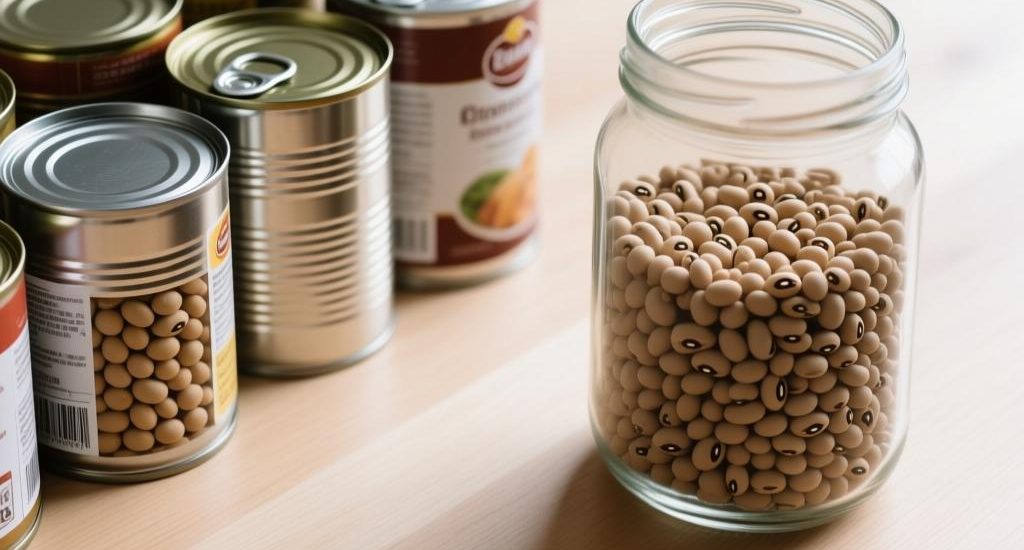
And don’t stress about canned versus dried. Canned beans are just as nutritious — just rinse them well to wash off about 40% of the added sodium. Dried beans are cheaper and let you control the salt, but they take planning. Both count.
Simple Ways to Add More Beans to Your Day
The biggest hurdle most people face isn’t the science — it’s the “what do I actually do with them?” problem. Here are some low-effort ways to work beans into meals you already love:
- Swap them in for half the meat in tacos, chili, or pasta sauce. You’ll barely notice the difference, and your blood sugar will.
- Stir them into soups and stews. A can of white beans blended into soup adds creaminess without cream.
- Upgrade your rice. Cooking rice with beans (the classic Latin American pairing) lowers the overall glycemic impact of the whole meal.
- Throw them on salads. A handful of chickpeas turns a sad desk salad into something that actually keeps you full.
- Make breakfast count. Beans on whole-grain toast with a fried egg is a blood-sugar-friendly way to start the day.
- Blend them into dips. Hummus, white bean dip, or black bean spread — great with veggie sticks instead of chips.
- Sneak them into baking. Seriously — puréed black beans work in brownies, and white beans vanish into blondies.
Aim for about half a cup to one cup per day. You don’t need to overhaul your whole diet overnight; just start by adding beans to two or three meals a week and build from there.
What About the Gas Problem?
Let’s address the elephant (or the toot) in the room. Beans contain sugars called oligosaccharides that your gut bacteria love to ferment, which can cause bloating and gas, especially if you’re not used to eating much fiber. The good news? It’s temporary, and there are easy fixes:
- Go slow. Start with a few tablespoons a day and gradually increase. Your gut bacteria adjust over a couple of weeks.
- Rinse canned beans thoroughly. Much of the gas-causing sugar dissolves into the liquid in the can.
- Soak dried beans and dump the soaking water before cooking. This removes a big chunk of the offenders.
- Drink plenty of water as you increase fiber — it helps everything move along smoothly.
Most people find that within a few weeks, their digestion adapts and beans become a comfortable, regular part of their routine.
Beans and Diabetes: What Does This Mean for You?
If you’re already managing diabetes or prediabetes, here’s the practical takeaway: beans are one of the few carb-containing foods you can eat generously without bracing for a sugar spike. Many people find that replacing some refined starches — white rice, white bread, regular pasta — with beans leads to noticeably steadier glucose readings.
That said, a few honest cautions. If you’re on blood-sugar-lowering medication, big dietary changes can sometimes make your numbers drop lower than expected, so keep an eye on your readings and loop in your doctor.
If you have kidney disease, beans’ protein and potassium content may need to be factored into your meal plan, so check with your care team first. And baked beans loaded with sugar, or bean dishes drowning in syrup-heavy sauces, don’t get a free pass — the added sugar matters.
One more thing worth mentioning: beans help with weight management, and weight plays a huge role in blood sugar control. They’re filling, low in calories for their volume, and studies link regular bean consumption with smaller waistlines. It’s a rare win-win-win — blood sugar, appetite, and heart health, since beans also help lower LDL cholesterol.
Frequently Asked Questions
How many beans should I eat per day to help my blood sugar?
Most studies showing benefits used about one cup of beans or lentils daily, though benefits begin with less. Even half a cup a day — roughly the size of a tennis ball — is a meaningful upgrade. Consistency matters more than quantity, so pick an amount you can stick with long-term.
Are canned beans as healthy as dried beans?
Yes, nutritionally they’re nearly identical. Canned beans are convenient and just as rich in fiber, protein, and resistant starch. Just rinse them well under running water to remove excess sodium, or look for labels marked “no salt added.”
Can beans cure diabetes?
No single food cures diabetes, and anyone promising that is selling something. What beans can do is help you manage blood sugar more easily, support a healthy weight, and reduce your risk of complications. They’re a powerful tool, not a magic fix.
Will eating beans spike my blood sugar because they’re carbs?
Beans do contain carbohydrates, but their fiber, protein, and resistant starch slow absorption dramatically. Their glycemic index sits in the 20s and 30s — lower than most grains, breads, and fruits. Most people see gentle, minimal glucose rises after eating beans.
Are lentils and chickpeas as good as beans?
Absolutely. Lentils, chickpeas, and peas are all part of the legume family, and they offer the same winning combo of fiber, protein, and slow-release carbs. Lentils actually have some of the lowest GI values in the whole family. Variety is your friend here.
Can I eat beans if I’m on blood sugar medication?
In most cases, yes — beans are encouraged. But if you’re taking insulin or other glucose-lowering medications, improving your diet can change how much medication you need. Watch your readings closely and talk to your doctor before making major changes, so nothing sneaks up on you.
Do beans cause inflammation?
The evidence points the opposite way. Beans are rich in antioxidants and anti-inflammatory compounds, and regular consumption is associated with lower levels of inflammatory markers in the body. The idea that beans are inflammatory mostly traces back to a debunked “anti-nutrient” panic rather than solid science.
The Bottom Line
So, can beans really help lower your blood sugar? The truth is a resounding yes — with realistic expectations. Beans won’t fix things overnight, and they can’t out-eat a diet full of soda and donuts. But as part of everyday eating, they’re one of the most reliable, affordable, and genuinely enjoyable foods for keeping blood sugar steady.
They slow sugar absorption thanks to their fiber, protein, and resistant starch, they tame the spikes at your next meal too, and they come with side benefits for your heart, weight, and gut. Start small, go slow if your gut needs time to adjust, and find the beans you actually like. Your blood sugar — and probably your grocery bill — will thank you.