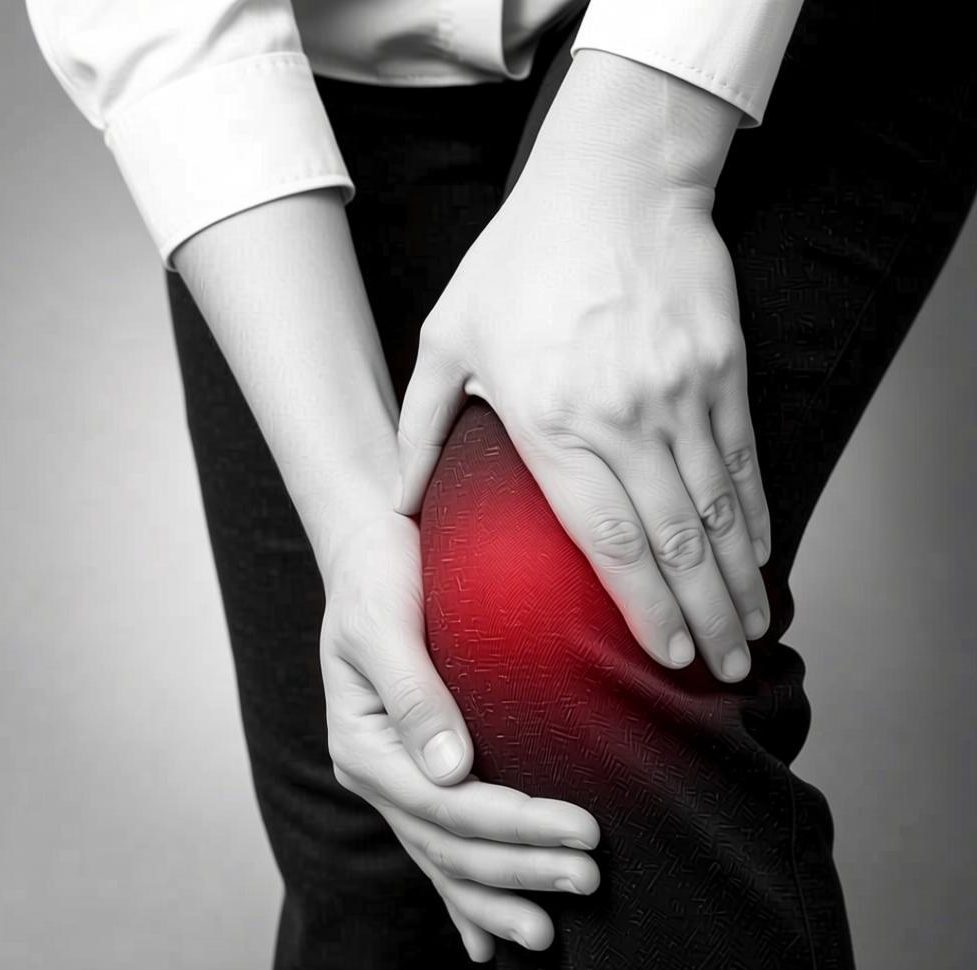
If you’ve ever climbed out of bed in the morning and felt like your knees needed a few minutes to “warm up,” you’re not alone. Joint pain is one of the most common complaints doctors hear, and it affects people of every age — not just grandparents.
Whether it’s a stiff finger, a sore knee after a workout, or an ache that seems to show up out of nowhere, joint pain can make even simple tasks feel like a chore.
The good news? Understanding why your joints hurt is the first step toward feeling better, and most causes have real, workable solutions. In this friendly guide, we’ll walk through what joint pain actually is, what’s behind it, and the many ways you can find lasting joint pain relief.
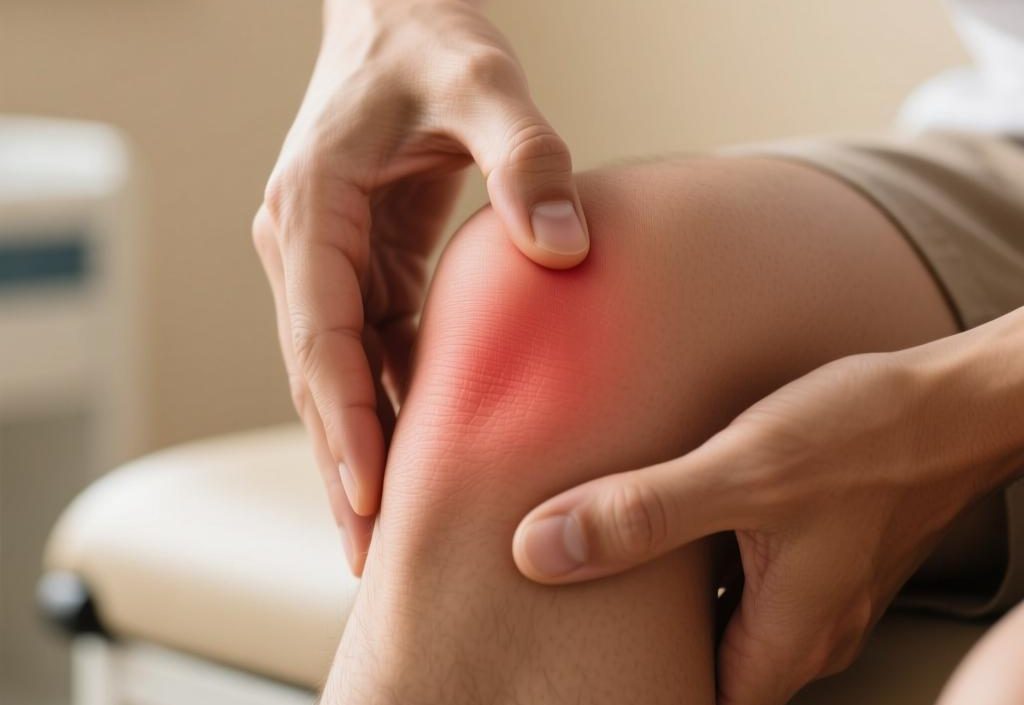
What Exactly Is Joint Pain?
A joint is anywhere two bones meet — your knees, hips, shoulders, elbows, fingers, and spine are all joints. The ends of your bones are cushioned by smooth cartilage, kept lubricated by a slick fluid, and held together by tendons and ligaments.
When everything works well, you barely notice your joints at all. But when one part of that system gets irritated, inflamed, or worn down, your body sends you a signal: pain.
Joint pain can feel different depending on the cause. Some people describe it as a dull, nagging ache. Others feel sharp, stabbing sensations with movement. It might be stiff in the morning and loosen up as the day goes on, or it might get worse the more you move.
Pain can settle into a single joint (like one swollen knee) or spread across several at once. Doctors also distinguish between acute joint pain, which comes on suddenly from an injury and usually fades, and chronic joint pain, which lingers for three months or longer and often needs a more thoughtful, long-term plan.
- Aching: often linked to wear-and-tear or overuse
- Stiffness: commonly worse after resting, especially in the morning
- Swelling and warmth: usually a sign of inflammation
- Sharp pain with movement: may point to injury or damaged cartilage
Why Do My Joints Hurt?
So, why do joints hurt in the first place? There’s rarely one single answer. Here are the usual suspects, roughly in order of how often doctors see them.
Osteoarthritis (the “wear-and-tear” kind). This is by far the most common cause of joint pain, especially after age 50. The cartilage that cushions your joints gradually thins, so bones start rubbing against each other. The result is stiffness, aching, and sometimes a grinding feeling. It typically affects the knees, hips, hands, and spine.
Inflammatory arthritis. Conditions like rheumatoid arthritis and psoriatic arthritis work differently — your immune system mistakenly attacks the lining of your joints, causing inflammation, swelling, and pain. This type often affects the same joints on both sides of the body (both wrists, for example) and can make you feel generally tired or unwell.
Injuries. Sprains, strains, torn cartilage, dislocations, and old sports injuries can all leave a joint painful — sometimes for years after the original accident.
Gout and other crystal problems. Gout happens when sharp uric acid crystals collect in a joint, usually the big toe. The pain is famous for arriving suddenly at night and being intense enough to make even a bedsheet feel unbearable.
Everyday culprits. Poor posture, repetitive movements at work, carrying extra weight, muscle weakness, and even stress can all put strain on your joints and keep them aching.
| Cause | Typical Feel | Common Spots | Key Clue |
|---|---|---|---|
| Osteoarthritis | Achy, stiff, worse after activity | Knees, hips, hands | Slow onset, age 45+ |
| Rheumatoid arthritis | Swollen, warm, stiff mornings | Both sides of body, wrists, fingers | Fatigue, symmetrical pain |
| Gout | Sudden, intense, throbbing | Big toe, ankle | Red, hot joint; night attacks |
| Injury | Sharp pain with movement | Any single joint | Follows a specific event |
| Overuse | Dull ache, tenderness | Elbows, shoulders, knees | Tied to repetitive activity |
Who Gets Achy Joints?
Joint pain doesn’t play favorites, but certain factors make it more likely. Age is the big one — cartilage naturally thins over time. Body weight matters too: every extra pound puts about four extra pounds of pressure on your knees with each step. If your parents or grandparents had arthritis, genetics may have handed you a higher risk.
Your sex plays a role (women are more prone to rheumatoid arthritis and osteoarthritis of the hands and knees, while gout is more common in men). And your history — old injuries, physically demanding jobs, or high-impact sports — can come back to haunt your joints decades later.
The flip side is encouraging: several of these factors are within your influence. Weight, activity level, muscle strength, and how you move all shape how your joints feel day to day, which is exactly why lifestyle changes are a cornerstone of joint pain treatment.
When Joint Pain Needs a Doctor’s Eyes

Most aching joints are not emergencies. But as a doctor, I’d want to see you promptly if any of these show up:
- Severe pain that came on suddenly, especially after a fall or injury
- A joint that’s visibly swollen, red, hot, or you have a fever with it
- Joint pain paired with unexplained weight loss or feeling generally unwell
- Loss of motion — you can’t fully bend or straighten the joint
- Pain that’s steadily worsening over weeks despite rest and home care
- Numbness, tingling, or weakness along with the joint pain
These signs can point to infections, significant inflammation, or nerve involvement that shouldn’t wait. A hot, swollen joint with a fever, for example, can mean a joint infection, which is genuinely time-sensitive. When in doubt, get it checked — it’s always better to hear “you’re fine” than to wait too long.
How Doctors Figure Out What’s Going On
You don’t need to walk in with a self-diagnosis. Your doctor will start by listening: when the pain started, what makes it better or worse, how stiff you feel in the morning, and which joints are involved. That story alone often narrows things down considerably. Next comes a hands-on exam — checking for swelling, warmth, range of motion, and tenderness in specific spots.
Depending on what the exam suggests, your doctor might order imaging like an X-ray (great for seeing cartilage loss and bone changes) or an MRI (which shows soft tissue like tendons, ligaments, and early inflammation). Blood tests can detect markers of inflammation, rheumatoid factor, or high uric acid.
Sometimes a small sample of joint fluid is drawn and examined — especially when gout or infection is suspected. The goal of all this isn’t to run every test possible, but to match the diagnosis to your specific story so treatment can actually target the cause.
Everyday Habits That Genuinely Help Your Joints
Before we talk medications and procedures, let’s talk about the habits that quietly do heavy lifting for joint health. These aren’t quick fixes, but they’re the foundation nearly every joint pain treatment plan is built on.
- Keep moving, gently. Motion is lotion for your joints. Low-impact activities like walking, swimming, and cycling nourish cartilage and reduce stiffness.
- Strengthen the muscles around the joint. Strong quadriceps take pressure off knees; strong hips protect knees and back. Physical therapy is worth its weight in gold here.
- Trim excess weight. Losing even 10 pounds can meaningfully reduce knee pain for many people.
- Respect your limits. Alternate heavy tasks with breaks, use proper form when lifting, and don’t push through sharp pain.
- Prioritize sleep and stress control. Poor sleep amplifies pain perception — it’s a real physiological effect, not imagination.
- Watch your footwear. Supportive, cushioned shoes absorb shock that would otherwise reach your knees and hips.
Medical Treatment Options That Actually Work
When lifestyle changes aren’t enough — or the pain is significantly affecting your life — medicine offers a sensible ladder of options, starting with the gentlest and stepping up only as needed.
Over-the-counter relief. Acetaminophen (paracetamol) helps with mild-to-moderate pain. Non-steroidal anti-inflammatory drugs (NSAIDs) like ibuprofen and naproxen tackle both pain and inflammation, which makes them especially useful for arthritic joints. Topical versions — gels and creams you rub on the joint — work well for knees and hands with fewer whole-body side effects.
Prescription approaches. For inflammatory arthritis, disease-modifying drugs can actually slow or halt the immune attack on your joints, not just mask symptoms. These have transformed outcomes for people with rheumatoid arthritis over the past two decades — early treatment matters enormously.
Injections. Corticosteroid injections can calm a badly inflamed joint for weeks to months. Hyaluronic acid injections add lubrication to arthritic knees for some patients.
Surgery. Reserved for advanced cases where pain and function can’t be restored otherwise. Joint replacement — particularly hip and knee — is one of modern medicine’s genuine success stories, with most people returning to comfortable, active lives.
Home Remedies and Natural Approaches
Simple home strategies remain surprisingly effective. For a sore, overworked joint, remember the classic formula: rest, ice, compression, elevation. Ice numbs pain and calms inflammation in the first 48 hours after flare-ups or injuries; later on, heat relaxes tense muscles and eases morning stiffness — a warm shower works wonders.
Gentle stretching, maintaining a healthy weight, and omega-3-rich foods (think salmon, walnuts, flaxseed) may modestly reduce inflammation.
Some people find relief with turmeric or glucosamine supplements; evidence is mixed, but they’re generally safe — just clear them with your doctor first, since supplements can interact with medications. Massage and warm-water pool exercises earn their place too, particularly for chronic stiffness.
Can You Prevent Joint Pain, or Just Manage It?
Honestly? A bit of both. You can’t rewrite your genes or your birthday, but you have real power over how your joints age. Prevention comes down to three pillars: move often (joints thrive on regular, varied movement and hate long sedentary stretches), stay strong (muscle is your joint’s bodyguard), and keep weight in a healthy range.
Add sensible precautions — warming up before exercise, using protective gear for high-risk activities, and varying repetitive tasks at work — and you’ve done most of what modern medicine recommends. And if you already have early arthritis, these same habits can genuinely slow its progress and keep you active for decades.
FAQ: Your Joint Pain Questions, Answered
Is joint pain just a normal part of getting older?
Some stiffness is common with age, but significant pain is never “just something to accept.” Pain is a signal worth investigating at any age — effective treatments exist.
Should I exercise if my joints hurt?
Generally yes, but smartly. Gentle, low-impact movement usually reduces joint pain over time. Avoid activities that trigger sharp pain, and build up gradually. A physical therapist can design a safe starting program.
Ice or heat — which one do I use?
Ice for new injuries, swelling, and hot, inflamed joints. Heat for chronic stiffness and muscle tension. Some people alternate both. If one clearly feels better, that’s a useful clue in itself.
Do cracking knuckles cause arthritis?
Good news: studies have found no link between knuckle cracking and arthritis. The pop is just gas bubbles in joint fluid. Annoying to bystanders, harmless to joints.
When should I skip home treatment and see a doctor?
Any time you have severe pain after an injury, a hot swollen joint with fever, rapidly worsening symptoms, or pain that hasn’t improved after a couple of weeks of self-care.
Can diet really make a difference?
It’s not a cure, but an anti-inflammatory eating pattern — fish, olive oil, vegetables, whole grains — supports overall health and may ease inflammatory joint conditions, especially combined with weight management.
The Bottom Line
Achy joints are incredibly common, but common doesn’t mean hopeless. Whether your pain traces back to wear-and-tear, an overzealous weekend workout, or an underlying condition like rheumatoid arthritis, there’s a path toward relief — and it usually starts with the basics: movement, strength, sensible weight, and the right treatment at the right time.
Listen to what your body is telling you, don’t ignore the warning signs that call for a doctor, and remember that joint pain today is far more treatable than it was a generation ago. Your joints carry you through life; a little care keeps them — and you — moving comfortably for the long run.