
A fulfilling intimate life is a vital component of overall health and well-being, yet it is one of the most overlooked aspects of wellness. As a sexual health practitioner with over two decades of clinical experience, I have counseled thousands of individuals and couples seeking to reconnect with their partners and themselves.
The good news is that enhancing your intimate life rarely requires dramatic interventions. Instead, small, consistent changes in communication, lifestyle, physical health, and mindset can produce remarkable results. This guide presents 25 evidence-based strategies viewed through multiple lenses: physiological, psychological, relational, and lifestyle-oriented.
Why a Healthy Intimate Life Matters?
Sexual wellness is not merely about pleasure; it is deeply connected to physical and mental health. Research consistently shows that regular intimate connection is associated with lower stress hormones, improved cardiovascular health, better sleep quality, and stronger immune function.
Emotionally, intimacy fosters bonding through the release of oxytocin and dopamine, hormones that reinforce trust and attachment between partners.
Unfortunately, many people assume that a decline in desire or satisfaction is inevitable with age, stress, or long-term relationships. Clinical experience tells a different story.
Most intimate difficulties stem from modifiable factors: poor communication, unmanaged stress, sedentary habits, and untreated medical conditions. Addressing these factors can restore and even elevate intimacy at any stage of life.
| Benefit | Physical Impact | Emotional Impact |
|---|---|---|
| Regular intimacy | Lower blood pressure, improved immune response | Reduced anxiety, deeper bonding |
| Open communication | Earlier detection of health issues | Increased trust and security |
| Active lifestyle | Better circulation and stamina | Higher confidence and body image |
25 Easy Ways to Boost Your Sex Life

Perspective 1: Communication and Emotional Connection
- 1. Talk about desires openly. Schedule a relaxed, judgment-free conversation about what you each enjoy. Research shows couples who discuss intimacy report significantly higher satisfaction.
- 2. Practice daily non-sexual affection. Hugs, hand-holding, and compliments build the emotional scaffolding that supports physical intimacy.
- 3. Express appreciation regularly. Gratitude strengthens relational bonds, making vulnerability easier.
- 4. Use “I” statements. Saying “I feel closer to you when…” avoids blame and invites cooperation.
- 5. Schedule intimate time. Spontaneity is romanticized, but anticipation itself is a powerful aphrodisiac, especially for busy couples.
Perspective 2: Physical Health and Physiology
- 6. Exercise consistently. Cardiovascular activity improves blood flow, stamina, and hormone balance. Even 30 minutes of brisk walking five times weekly makes a measurable difference.
- 7. Prioritize pelvic floor training. Kegel exercises benefit all genders, improving control, sensation, and function.
- 8. Get quality sleep. Sleep deprivation suppresses testosterone and estrogen. Aim for seven to nine hours nightly.
- 9. Review your medications. Antidepressants, blood pressure drugs, and antihistamines can affect desire. Never stop medication abruptly, but discuss alternatives with your physician.
- 10. Manage chronic conditions. Diabetes, hypertension, and thyroid disorders are leading, treatable causes of intimate dysfunction.
Perspective 3: Lifestyle and Environment
- 11. Limit alcohol. While a drink may lower inhibition, excess alcohol impairs arousal and performance. Moderation is key.
- 12. Quit smoking. Nicotine constricts blood vessels, directly undermining physiological arousal.
- 13. Eat a Mediterranean-style diet. Foods rich in omega-3s, antioxidants, and zinc support vascular and hormonal health.
- 14. Declutter the bedroom. Your sleeping environment should signal rest and romance, not work and stress. Remove screens and piles of laundry.
- 15. Reduce digital distraction. Establish device-free hours. Constant connectivity erodes presence, the foundation of intimacy.
Perspective 4: Mindset and Psychology
- 16. Address performance anxiety. Focusing on outcomes creates a feedback loop of stress. Shift attention to sensation and connection instead.
- 17. Practice mindfulness. Mindfulness-based interventions have strong clinical evidence for improving desire, arousal, and satisfaction.
- 18. Challenge body image concerns. Self-compassion practices improve confidence, which partners consistently find attractive.
- 19. Redefine what “counts.” Expanding your definition of intimacy beyond a narrow script reduces pressure and opens new avenues of pleasure.
- 20. Explore sensate focus exercises. This structured technique, developed by sex researchers Masters and Johnson, rebuilds touch and trust step by step.
Perspective 5: Novelty and Connection
- 21. Try new experiences together. Novel activities, travel, dance classes, cooking, trigger dopamine and reignite attraction.
- 22. Extend foreplay. Physiologically, arousal takes time. Slowing down benefits both partners and enhances satisfaction.
- 23. Prioritize your own self-knowledge. Understanding your own body through self-exploration allows you to communicate preferences clearly.
- 24. Consider professional guidance. A certified sex therapist or physician can address issues that self-help strategies cannot resolve.
- 25. Be patient and consistent. Intimacy is a practice, not a performance. Small daily efforts compound over time.
How Long Does It Take to See Improvement?
Patients often ask how quickly these strategies work. The answer depends on the underlying cause. Communication-based improvements can produce noticeable changes within two to four weeks.
Physiological changes, such as those from exercise, sleep optimization, or dietary adjustments, typically require six to twelve weeks.
Hormonal or medication-related issues may need medical evaluation and treatment, with improvements following within one to three months. The most important principle is consistency: sporadic effort yields sporadic results.
| Strategy Type | Typical Timeline | Key Factor |
|---|---|---|
| Communication changes | 2–4 weeks | Honesty and consistency |
| Lifestyle modifications | 6–12 weeks | Daily habits |
| Medical treatment | 1–3 months | Professional evaluation |
Can Stress and Anxiety Really Affect Intimacy?
Absolutely, and this is one of the most common issues I see in clinical practice. Chronic stress elevates cortisol, which suppresses the production of sex hormones in both men and women.
Stress also narrows attention, making it difficult to be present with a partner. The mind is the most powerful sexual organ; when it is preoccupied with deadlines and worries, arousal suffers.
Effective stress management is therefore a cornerstone of sexual wellness. Proven approaches include regular aerobic exercise, meditation or breathing exercises, adequate sleep, and setting boundaries around work.
Couples can also benefit from shared relaxation rituals, such as massage or evening walks, which simultaneously reduce stress and build connection. If anxiety around intimacy itself is the issue, working with a qualified therapist using cognitive-behavioral or mindfulness-based techniques has strong evidence of effectiveness.
When Should I See a Doctor About Intimate Concerns?
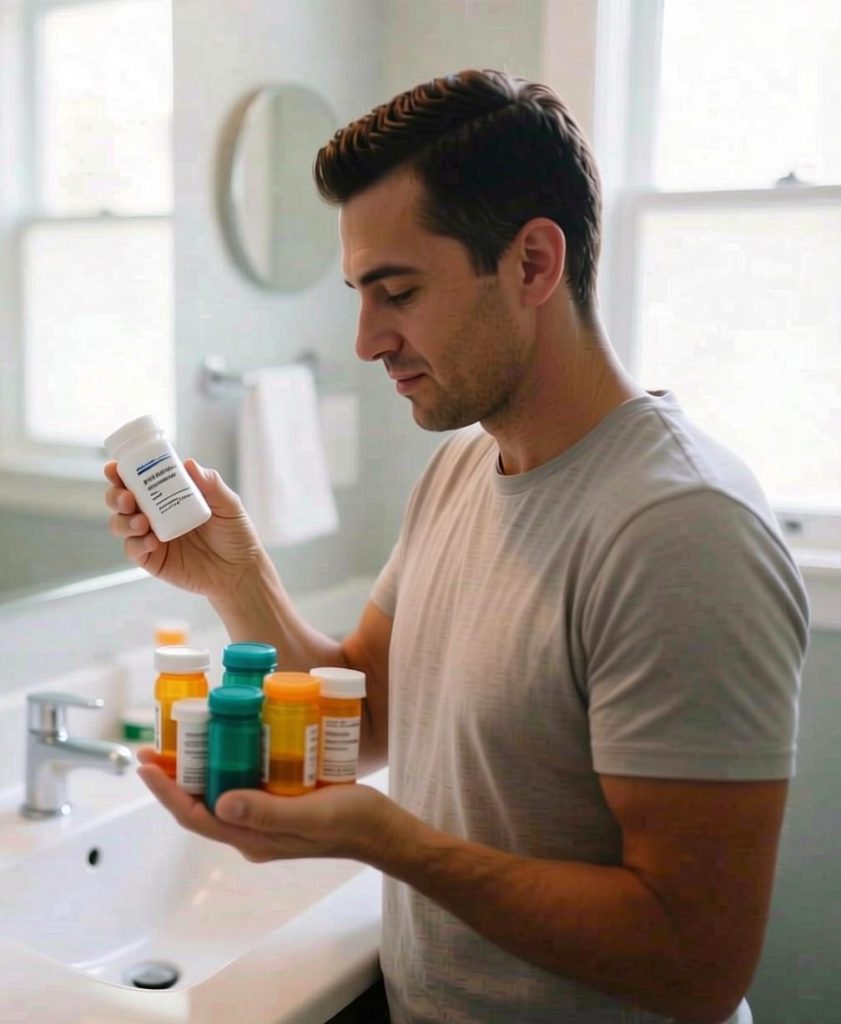
While many concerns can be addressed with lifestyle and relational changes, some warrant professional evaluation. Seek medical advice if you experience any of the following:
- Persistent changes in desire lasting more than three months
- Pain during intimacy, which is never normal and should always be investigated
- Erectile difficulties that recur over several weeks, as these can be an early warning sign of cardiovascular disease
- Significant changes in function following a new medication, illness, or surgery
- Emotional distress, relationship conflict, or symptoms of depression connected to intimacy
A thorough evaluation typically includes a medical history, physical examination, hormone testing, and a review of medications. Remember that sexual health is a legitimate medical topic.
Physicians who specialize in sexual medicine, urology, gynecology, or certified sex therapy can offer treatments ranging from hormone optimization to counseling, often with excellent outcomes.
Do These Strategies Work for Older Adults?
One of the most persistent myths in sexual health is that intimacy inevitably declines with age. In reality, older adults who remain healthy, communicative, and open to adaptation frequently report satisfying intimate lives well into their seventies, eighties, and beyond. The strategies in this guide apply at every age, with some adjustments.
For older adults, cardiovascular fitness becomes even more critical, as does management of chronic conditions and medication review. Hormonal changes, such as menopause and age-related testosterone decline, can be addressed through medical consultation.
Adaptation is equally important: redefining intimacy to emphasize touch, connection, and unhurried pleasure often leads to deeper satisfaction than in younger years. The key message is that age is not a diagnosis, and a vibrant intimate life remains achievable throughout life.
What if My Partner and I Have Mismatched Levels of Desire?
Desire discrepancy is among the most common concerns couples bring to therapy, and it is entirely normal. Partners rarely have identical libidos, and differences can fluctuate due to stress, health, hormones, and life circumstances. The goal is not to make both partners identical, but to find a sustainable middle ground built on understanding.
Practical approaches include:
- Focus on responsiveness, not obligation. Willingness to connect, even when spontaneous desire is low, often allows responsive desire to emerge.
- Broaden the definition of intimacy. Affection, massage, and quality time count as connection and reduce pressure.
- Identify the underlying causes. Fatigue, unresolved conflict, body image concerns, and medical issues all affect desire differently in each partner.
- Seek professional support early. Couples who address desire differences with a therapist report better long-term outcomes than those who let resentment build.
The essential reframe is this: mismatched desire is a problem to solve together, not a flaw in either partner. Couples who approach it as a team consistently report stronger relationships, regardless of where the solution lands.
Final Thoughts
Improving your intimate life does not require perfection, expensive products, or dramatic reinvention. It requires attention, honesty, and consistent small actions. Prioritize your health, communicate with kindness, stay curious, and seek professional help when needed.
Intimacy is one of life’s great sources of connection and joy, and with these 25 strategies, it is well within your reach at any age or stage of your relationship. Your journey toward a more fulfilling intimate life can begin tonight, with a single conversation and a single choice to prioritize this vital dimension of your well-being.