
Low libido is a surprisingly common issue affecting men of all ages. While often shrouded in silence due to societal pressures and perceived masculinity norms, it can significantly impact quality of life, relationships, and self-esteem.
The causes are multifactorial, ranging from psychological stress and hormonal imbalances to underlying medical conditions and lifestyle factors.
Traditionally, treatments have focused on addressing hormonal deficiencies (like low testosterone), utilizing psychological therapies, or exploring pharmaceutical interventions with varying degrees of success and potential side effects.
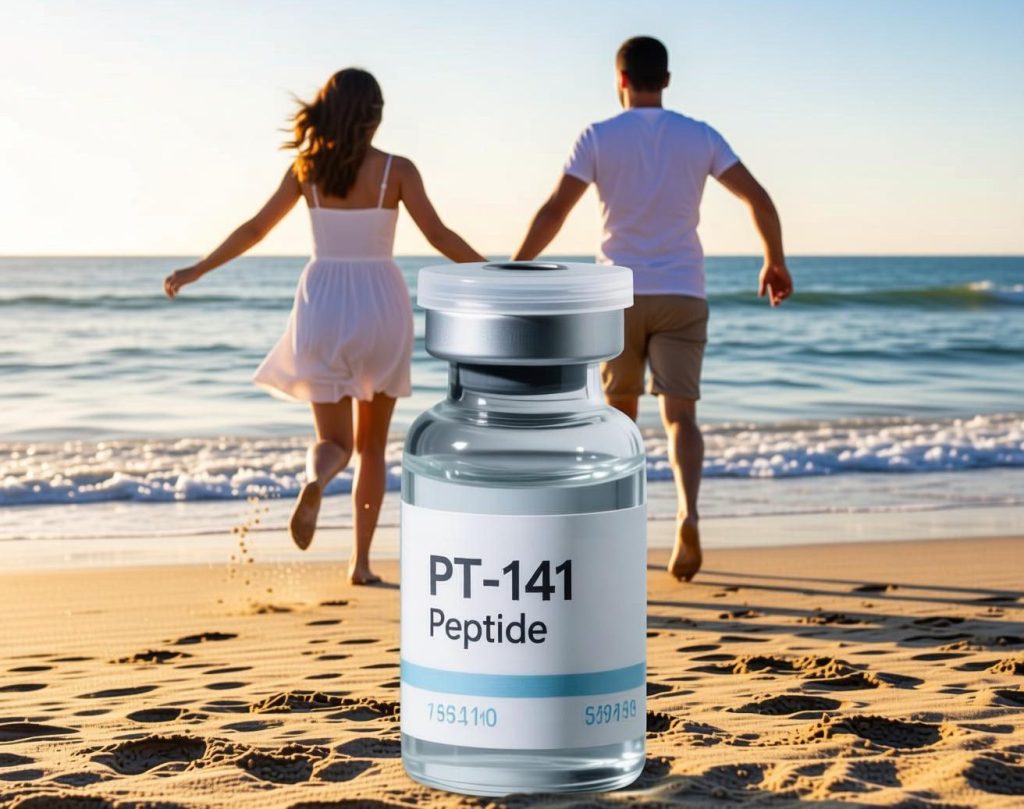
Increasingly, however, a new avenue is being explored – peptide therapy, specifically with the peptide known as PT-141 (Bremelanotide).
This article delves into the science behind PT-141, its effects on libido, and a comprehensive examination of its potential benefits and risks, presented through various lenses – pharmacological, psychological, and patient-centered.
How Does PT-141 Differ From Viagra/PDE5 Inhibitors?
Viagra (sildenafil), Cialis (tadalafil), and similar drugs are phosphodiesterase type 5 (PDE5) inhibitors. They work by increasing blood flow to the penis, facilitating an erection in response to sexual stimulation.
They address the physical mechanism of achieving an erection but don’t necessarily address the root cause of low libido – the desire for sexual activity. PT-141, on the other hand, works on a completely different pathway.
It’s a melanocortin receptor agonist, specifically targeting the MC1R and MC4R receptors in the brain. This activation bypasses the vascular system and directly stimulates the neurological pathways involved in sexual desire.
Think of it this way: PDE5 inhibitors are like fixing a plumbing issue, while PT-141 is like switching on the desire signal in the brain. This fundamental difference means PT-141 can be effective for individuals who don’t respond well to PDE5 inhibitors, particularly those whose low libido is primarily psychological rather than physiological.
Crucially, PT-141 doesn’t cause an erection; it enhances sexual arousal and the subjective feeling of desire, making it more likely that stimulation will lead to an erection, potentially even without direct physical stimulation. This makes it particularly attractive for addressing conditions like Hypoactive Sexual Desire Disorder (HSDD).
What are the Potential Benefits of PT-141 for Men?
The potential benefits of PT-141 for men extend beyond simply treating erectile dysfunction. While it can assist with achieving and maintaining erections (especially when combined with stimulation), its primary strength lies in addressing low libido. This can translate into several positive outcomes:
- Increased Sexual Desire: The most significant benefit is a resurgence of sexual interest and motivation. Men report feeling more “in the mood” and experiencing a stronger urge to initiate intimacy.
- Improved Sexual Satisfaction: By reigniting desire, PT-141 can lead to more satisfying sexual experiences for both partners. This can enhance emotional connection and overall relationship quality.
- Enhanced Erectile Function: While not a direct erectile aid like PDE5 inhibitors, PT-141 can improve erectile function indirectly by increasing arousal and the likelihood of achieving an erection with stimulation.
- Potential for Treatment-Resistant Cases: Men who haven’t responded to traditional treatments like Viagra or testosterone replacement therapy may find PT-141 to be a viable alternative.
- Psychological Benefits: Restoring libido can significantly boost self-esteem, confidence, and overall quality of life, reducing stress and anxiety related to sexual performance.
- Addressing Psychogenic ED: PT-141 shows promise in treating erectile dysfunction stemming from psychological factors like stress, anxiety, or depression, by directly addressing the lack of desire.
It’s important to note that individual responses vary, and PT-141 isn’t a “magic bullet.” Success often depends on factors like dosage, administration method, individual physiology, and addressing any underlying psychological or medical issues.
Are There Any Side Effects Associated with PT-141?
Like any pharmacological intervention, PT-141 is not without potential side effects. While generally considered safe when administered correctly, it’s crucial to be aware of these:
- Nausea: This is the most commonly reported side effect, particularly at higher doses. It’s usually mild to moderate and can be mitigated by starting with a low dose and gradually increasing it, or by administering the peptide via injection rather than nasal spray.
- Flushing: Some individuals may experience temporary flushing of the face or skin.
- Headache: Mild headaches are occasionally reported.
- Increased Blood Pressure: PT-141 can cause a temporary increase in blood pressure. Individuals with pre-existing cardiovascular conditions should be monitored closely.
- Hyperpigmentation: Rarely, some individuals may experience temporary darkening of the skin, particularly in areas exposed to sunlight.
- Priapism: Although extremely rare, priapism (a prolonged, painful erection) is a serious potential side effect that requires immediate medical attention.
- Psychological Effects: While primarily intended to enhance desire, some individuals might experience increased agitation or anxiety. Pre-existing mental health conditions should be carefully considered.
It’s crucial to source PT-141 from a reputable supplier to ensure purity and avoid potential contaminants. Self-administration is strongly discouraged; proper dosage and administration should be determined by a qualified healthcare professional.
How is PT-141 Administered?
PT-141 is typically administered through subcutaneous injection or intranasal spray. Subcutaneous injection generally offers more predictable absorption and bioavailability, reducing the incidence of nausea. Intranasal spray is a more convenient option but can lead to greater variability in absorption and a higher likelihood of experiencing nausea.
The typical treatment protocol involves a pre-treatment dose followed by the maintenance dose administered on demand, approximately 45-60 minutes before anticipated sexual activity. A common protocol looks like this:
Initial Dose (Pre-treatment): 0.5mg – 1mg administered subcutaneously or intranasally. This initial dose helps to prime the system.
Maintenance Dose: 0.5mg – 1mg administered subcutaneously or intranasally, as needed, before sexual activity. Dosage is highly individualized and should be adjusted based on the patient’s response and tolerance.
It’s essential to start with a low dose and gradually increase it until the desired effect is achieved. The duration of treatment varies depending on individual needs and response. Some men may use it sporadically, only when desired, while others may benefit from a more consistent regimen.
Regular monitoring by a healthcare professional is crucial to assess the effectiveness of the treatment and manage any potential side effects. The use of a compounding pharmacy to ensure the peptide’s purity and accurate dosage is highly recommended.
Is PT-141 Right For Me? What Should I Discuss With My Doctor?
Determining whether PT-141 is right for you requires a thorough assessment of your individual circumstances and a candid conversation with your doctor.
During your consultation, be prepared to discuss your medical history, sexual function, and any concerns you may have. Your doctor can help you determine if PT-141 is a safe and appropriate option for you and develop a personalized treatment protocol. Remember, seeking professional medical advice is paramount before considering any peptide therapy.
What’s Contributing to Your Low Libido?
Low libido is rarely caused by a single factor. It’s often a complex interplay of physical, psychological, and lifestyle influences. Common causes include hormonal imbalances (low testosterone, thyroid issues), psychological stressors (stress, anxiety, depression), relationship problems, fatigue, chronic illness, and certain medications. Identifying the root cause is crucial for effective treatment. A thorough medical evaluation can help pinpoint the contributing factors in your case.
Do You Have Any Underlying Health Concerns?
Certain medical conditions can significantly impact libido. Cardiovascular disease, diabetes, obesity, and neurological disorders can all contribute to sexual dysfunction. It’s vital to disclose any pre-existing medical conditions to your doctor before considering PT-141 or any other treatment. Conditions requiring ongoing management may influence treatment options and require close monitoring during therapy.
Are You Currently Taking Any Medications?
Many medications can have sexual side effects, including antidepressants (SSRIs), blood pressure medications (beta-blockers, diuretics), antihistamines, and even certain over-the-counter drugs. It’s essential to provide a complete list of all medications and supplements you are taking to your healthcare provider. Potential drug interactions with PT-141 need to be carefully evaluated to ensure your safety.
Have You Explored Other Treatment Options?
Before considering PT-141, it’s important to have explored other evidence-based treatments for low libido. These may include testosterone replacement therapy (if hormone levels are low), lifestyle modifications (exercise, diet, stress management), psychological counseling or therapy, and addressing any underlying relationship issues. PT-141 is often most effective when used as part of a comprehensive treatment plan alongside these other approaches.